Jorge Messi, the devoted father and long-time agent of football superstar Lionel Messi, passed away on August 8, 2026, at the age of 68, following a prolonged illness. His death, confirmed by medical officials in Rosario, Argentina, marks the end of an era for the Messi family, highlighting the profound influence he, alongside Lionel Messi’s mother Celia Cuccittini, exerted on one of the greatest athletes in history. Their unwavering support and the values they instilled were fundamental to Messi’s journey from a working-class neighborhood in Rosario to the pinnacle of international football.
Lionel Andrés Messi was born on June 24, 1987, in Rosario, Santa Fe, Argentina. His parents, Jorge Horácio Messi and Celia María Cuccittini, provided a stable, albeit modest, upbringing. Jorge, a factory steelworker, and Celia, who worked in a magnet manufacturing workshop, raised Lionel and his three siblings – Rodrigo, Matías, and María Sol – instilling core values that Messi credits for his success. "I come from a working-class family, my father worked all day and we lived in a rather modest neighborhood. But we never lacked for anything, thank God," Messi once reflected, emphasizing the importance of respect, hard work, and humility learned at home.
Early Life in Rosario and the Discovery of a Prodigy
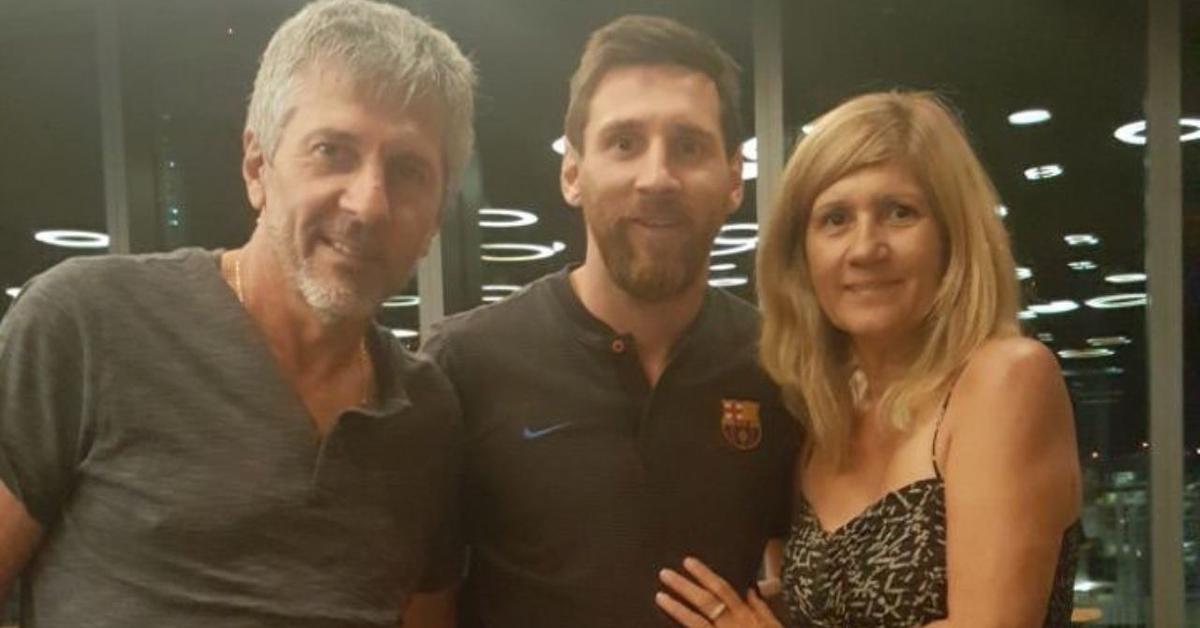
Messi’s exceptional talent on the football pitch was evident from a very young age. He began playing for local club Grandoli, where his father, Jorge Messi, also served as his first coach. This early period was crucial, not only for nurturing his burgeoning skills but also for establishing the close professional relationship that would define much of Messi’s career. The family’s life in Rosario was typical for many Argentinian families, centered around community, hard work, and a shared passion for football.
However, a significant challenge emerged when Messi was diagnosed with a growth hormone deficiency at the age of 10. The condition required expensive daily hormone injections, posing a substantial financial burden on his working-class parents. Local clubs, including Newell’s Old Boys, where Messi was already making a name for himself, were unable to fully cover the costs of his treatment. This medical necessity became a pivotal point, forcing the Messi family to consider drastic measures to secure their son’s future.

The Barcelona Leap: A Family’s Sacrifice
The search for a solution led Jorge Messi to Spain. In September 2000, at just 13 years old, Lionel Messi traveled to Barcelona for a trial with FC Barcelona. The club’s sporting director, Carles Rexach, was so impressed that he famously offered Messi a contract on a paper napkin, promising to cover the costs of his medical treatment. This offer marked a turning point, not only for Lionel but for his entire family.
The move to Barcelona was a monumental decision that required immense sacrifice from Lionel Messi’s parents. The entire family initially relocated to Spain to support Lionel. However, the adjustment proved difficult for Celia and the other three siblings, who eventually returned to Argentina. This separation left a young Lionel alone with his father in Barcelona, dedicated to pursuing his dream. Messi later recalled the emotional toll, stating, "It was very tough for me. There were moments when I was really sad and homesick, but I never thought of leaving. I knew I wanted to stay and keep playing." His father, Jorge, confirmed the strain, noting that Lionel "saw his mother only every four months" during this period, underscoring the family’s deep commitment to his career.

Jorge Messi: Architect of a Global Career
Jorge Messi’s role evolved significantly as Lionel’s career ascended. Beyond being a supportive father, he became his son’s primary agent and business manager. This transition from a factory worker and youth coach to managing the career of a global sports icon speaks volumes about his dedication and adaptability. He navigated complex contract negotiations, endorsement deals, and public relations challenges, ensuring Lionel’s professional interests were always paramount.
This hands-on management style was distinct from many athletes who rely on external agencies. Jorge’s intimate understanding of his son, combined with a protective paternal instinct, shaped every major decision in Messi’s career, from his groundbreaking contracts with FC Barcelona to his eventual move to Paris Saint-Germain and Inter Miami. He was the quiet force behind the scenes, meticulously handling the intricate details that allowed Lionel to focus solely on his performance on the field. Jorge’s involvement ensured that the family’s values and Lionel’s well-being were always at the core of his professional endeavors.
Celia Cuccittini: The Matriarch’s Enduring Bond
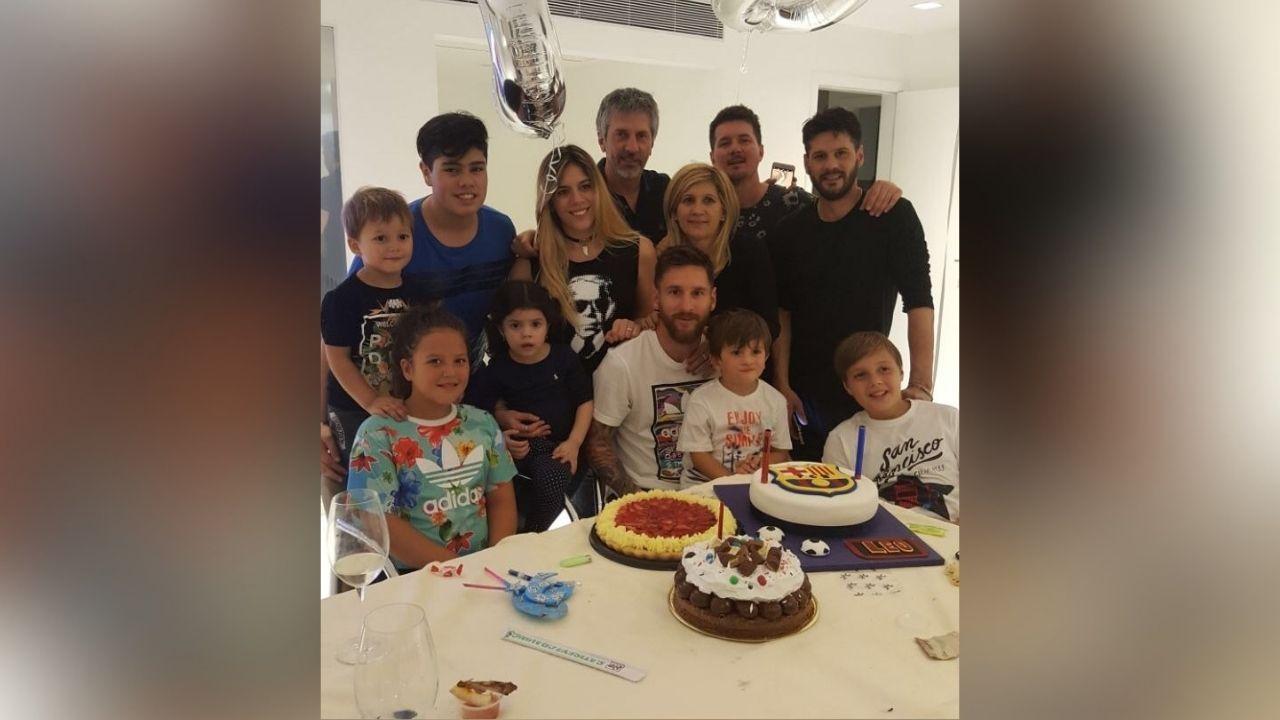
While Jorge remained in Spain to manage Lionel’s career, Celia Cuccittini returned to Argentina with their other children, maintaining the family home and providing a crucial anchor for Lionel during his periods away from Barcelona. Despite the physical distance, Lionel Messi has always maintained an exceptionally close bond with his mother. This connection is publicly visible through his social media tributes and, most notably, a distinctive tattoo of Celia’s portrait on his left shoulder blade.
Celia represents the emotional heart of the Messi family, a constant source of affection and moral support. Her influence on Lionel’s character, particularly the humility and strong family values he embodies, is often cited. She played a vital role in grounding the football prodigy amidst the intense pressures and global adulation that came with his success. The family reunions in Argentina, when Lionel would return, were always cherished moments, reinforcing the bonds that distance could not break.
Navigating Public Scrutiny and Defending an Icon
The Messi family, particularly Jorge, often stepped up to defend Lionel from public criticism. Following Argentina’s exit from the 2010 World Cup quarterfinals, Lionel faced significant backlash from disheartened Argentine fans. Jorge Messi publicly decried the criticism as "unfair," highlighting the stark contrast between the adoration Lionel received in Barcelona and the often-harsh judgment in his home country.
"Leo has never gotten used to the situation here in Argentina," Jorge stated in an interview. "It’s really tough for him to be in Barcelona, where he’s really loved, and then come here and hear all that criticism." This defense underscored the parental instinct to shield their child, even a global superstar, from undue pressure and negativity. It also revealed the complex relationship between national heroes and their homeland, a dynamic Jorge sought to navigate for his son.
The Legacy of Parental Guidance
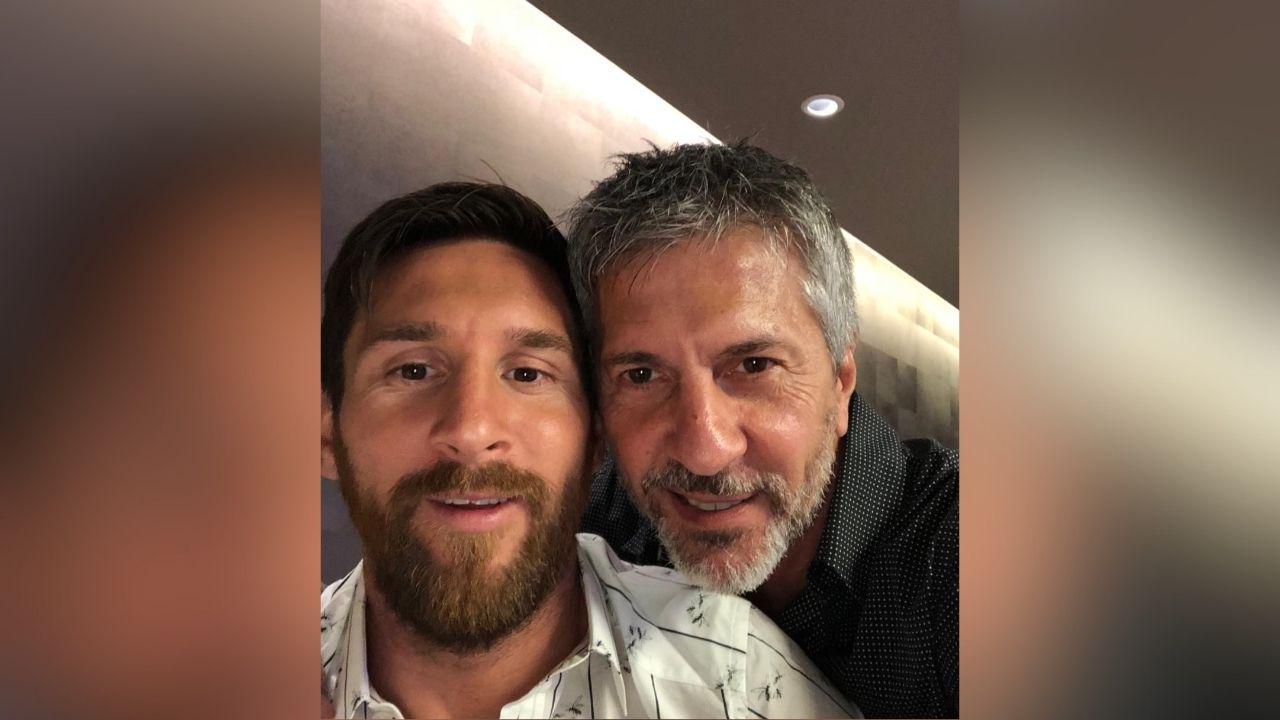
Jorge Messi’s passing at 68 leaves a significant void, not only for the Messi family but also in the world of football management. His career mirrored his son’s rise, moving from humble beginnings to a position of immense influence. Dr. Carlos Mackey, medical director of Sanatorio Centro in Rosario, confirmed Jorge’s death, respecting the family’s privacy regarding further details.
Newell’s Old Boys, one of Messi’s childhood clubs, released a poignant statement acknowledging Jorge’s immense contribution: "the pillar and the person who, with vision, rigor and affection, supported the career of the best player of all time, alongside his wife, Celia Cuccittini." The club emphasized his "constant accompaniment and leadership behind the scenes," recognizing that Jorge’s dedication was "fundamental to supporting Lionel’s every step, from his beginnings in Malvinas to the maximum glory of world football."
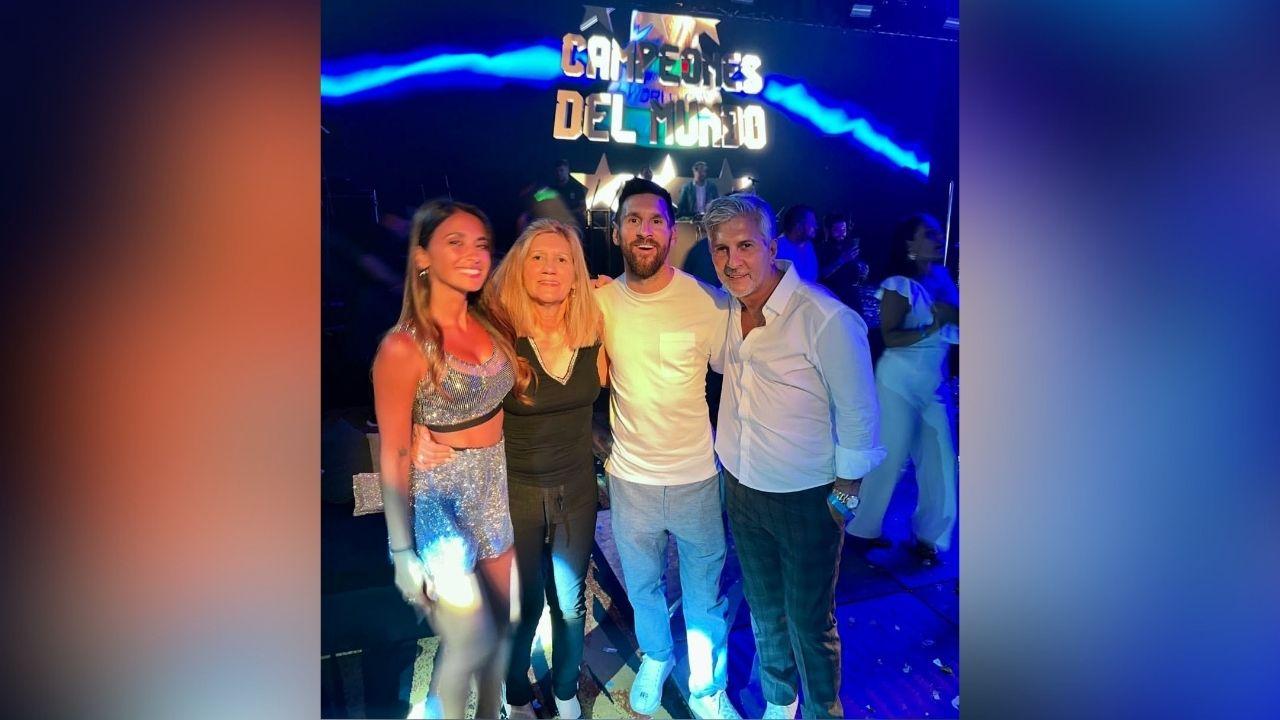
The story of Lionel Messi’s parents is a testament to the power of family and unwavering support in shaping an extraordinary life. Jorge Messi’s tireless efforts as a coach, advocate, and agent, combined with Celia Cuccittini’s nurturing spirit and the values they collectively instilled, provided the bedrock for Lionel Messi’s unparalleled success. As the football world mourns Jorge Messi, his legacy, alongside Celia’s, remains intertwined with that of his legendary son, a constant reminder of the humble beginnings and profound family devotion that underpinned the making of a global icon.