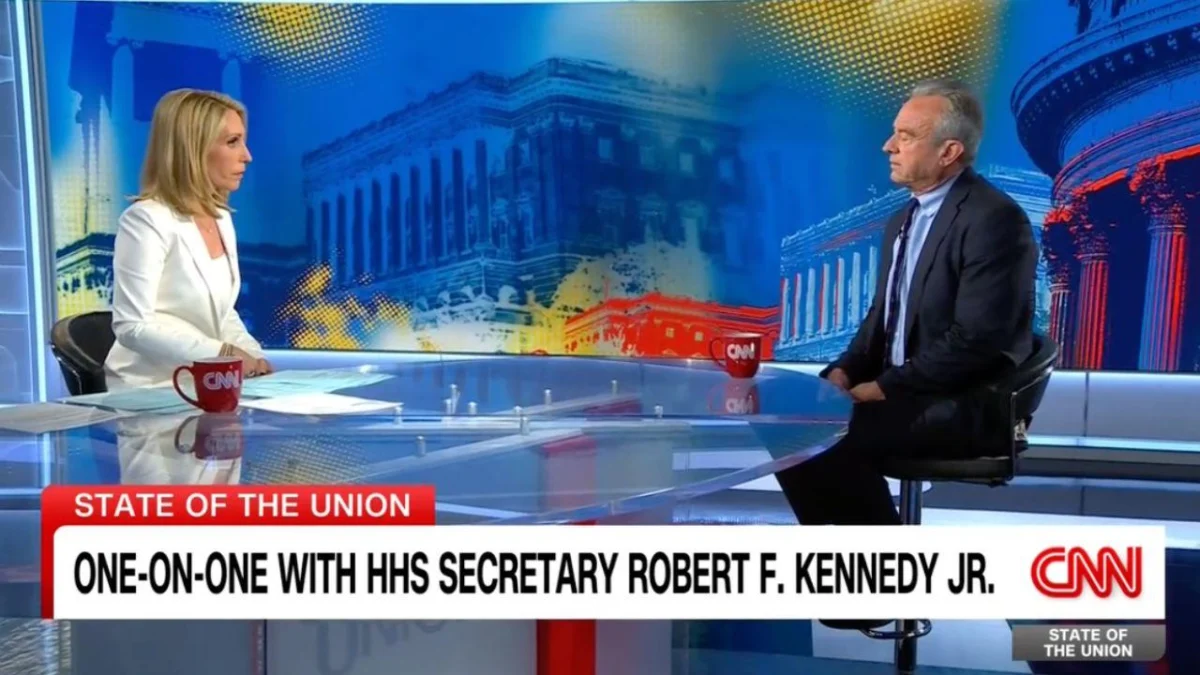
A contentious exchange unfolded on CNN’s "State of the Union" when Robert F. Kennedy Jr. engaged in a heated clash with host Dana Bash, primarily focusing on the handling of the COVID-19 pandemic and the media’s role in its coverage. The interview, broadcast on August 2, 2026, saw Kennedy accuse Bash and the press of "malpractice" and being "part of the problem," while Bash countered by asserting that Kennedy was disseminating "nonsense" and unsupported claims, ultimately leading to a sharp back-and-forth about the nature of their discussion.
The Contentious Interview Unfolds
The segment quickly escalated after Kennedy, a prominent figure known for his skepticism regarding established public health narratives, asserted that government-imposed lockdowns during the pandemic inflicted the most significant "damage" on the nation. Following this claim, Bash pressed the politician on his proposed strategies to prevent future pandemics, questioning his stance on potential program cuts. The dialogue became increasingly strained as the two debated the specifics of his proposals.
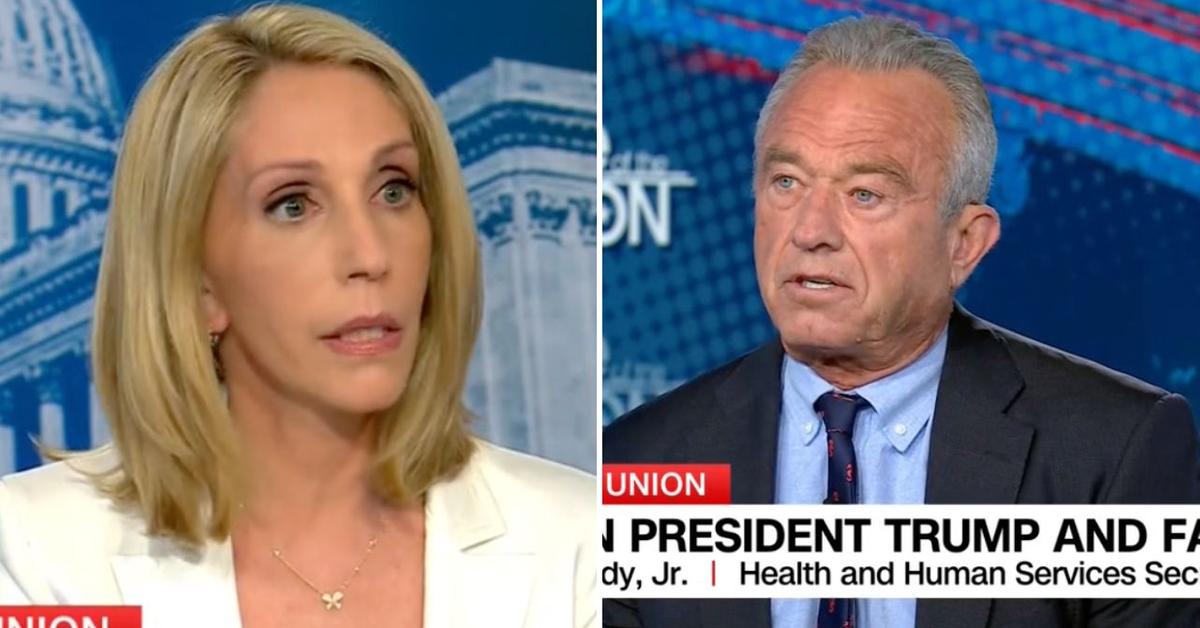
As Bash attempted to pivot the conversation, stating her desire to "move on" from the disputed points, Kennedy launched a direct accusation. "Yeah, of course you want to, because you were part of the problem," he told the veteran journalist. Bash immediately rebuffed the charge, asserting, "No, I wasn’t a part of the problem." Kennedy, undeterred, doubled down on his critique of media coverage, declaring, "There was absolute press malpractice," suggesting that journalistic practices during the crisis were fundamentally flawed and contributed to public harm. This initial volley set the combative tone for the remainder of their discussion, highlighting the deep divisions in how the pandemic’s events are perceived and reported.
Accusations of ‘Attacking’ and Journalistic Scrutiny
The tension continued to mount as the interview progressed, with both parties accusing the other of personal attacks rather than substantive debate. At one critical juncture, Bash challenged Kennedy directly, asking, "Do you want to sit here and attack me, or do you want to have conversations about public health?" Kennedy quickly turned the accusation back on her, responding, "Well, you’re sitting here attacking me."
Bash emphatically denied the charge, clarifying her role as an interviewer: "I’m not attacking you. I’m asking questions about how to prevent the next pandemic." This exchange underscored the fundamental disagreement over the nature of the interview itself. Bash aimed to hold Kennedy accountable for his assertions and explore policy solutions, while Kennedy perceived her questioning as a personal affront and an attempt to discredit his views. The dynamic illustrated the challenge faced by journalists when interviewing public figures who frequently challenge mainstream narratives and subsequently criticize the media’s questioning as biased or hostile.
Debating ‘Nonsense’ and Media’s Role
The climax of the heated exchange arrived when Bash directly confronted Kennedy about the veracity of his statements, particularly his characterization of pandemic-related information as "nonsense." She expressed her unwillingness for the "State of the Union" platform to be used for what she termed the dissemination of unsubstantiated claims. "You’re talking nonsense, you’re making assertions you can’t support, and then when I call you [out], you tell me I’m arguing," Bash stated, emphasizing the lack of factual basis for some of Kennedy’s points.
Kennedy, in turn, escalated his criticism of CNN, alleging that the network made it its "job" to "scare people" during the COVID-19 outbreak. He implied that the media deliberately fostered an environment of fear rather than providing balanced reporting. Bash firmly rejected this accusation, explaining CNN’s editorial approach during the crisis. She asserted that the network, along with many other news organizations, was "listening to the leaders in this country, including the president, who had a daily press conference explaining what was going on and trying to listen." This stark contrast in perspectives highlighted the ongoing debate about media responsibility during public health emergencies, with Kennedy viewing media as an active participant in what he considers an overblown narrative, and Bash defending the media’s role in conveying official guidance.
Broader Context: RFK Jr.’s Public Health Stances

Robert F. Kennedy Jr. has long been a controversial figure in public health discourse, establishing himself as a vocal critic of vaccination programs and government health agencies. His views often diverge sharply from scientific consensus, positioning him at the forefront of the anti-vaccine movement for many years. Kennedy’s platform frequently challenges the safety and efficacy of various vaccines, contributing to widespread debate and concern among public health experts.
Beyond his well-known stance on vaccines, Kennedy has also propagated theories linking childhood disorders, notably autism, to common medications like acetaminophen and specific vaccinations. These claims have been consistently refuted by numerous scientific studies and major medical organizations worldwide, which maintain that there is no credible evidence supporting such connections. Despite the overwhelming medical consensus, Kennedy continues to advocate these positions, often citing selective data or anecdotal evidence, which further fuels the clash over pandemic ‘nonsense’ and broader public health policies. His public profile as a member of a prominent American political family has amplified these controversial views, giving them a wider audience and complicating efforts by public health authorities to communicate evidence-based information.
The Role of Media in Public Health Discourse
The exchange between Kennedy and Bash underscores the complex and often fraught role of media in public health discourse, particularly in an era marked by rapid information dissemination and the proliferation of misinformation. News organizations like CNN face a delicate balancing act: providing a platform for diverse voices and political candidates while also upholding journalistic standards of accuracy and fact-checking. When interviewing figures who promote views that contradict established scientific consensus, journalists must navigate the line between allowing free expression and inadvertently amplifying unproven or harmful claims.
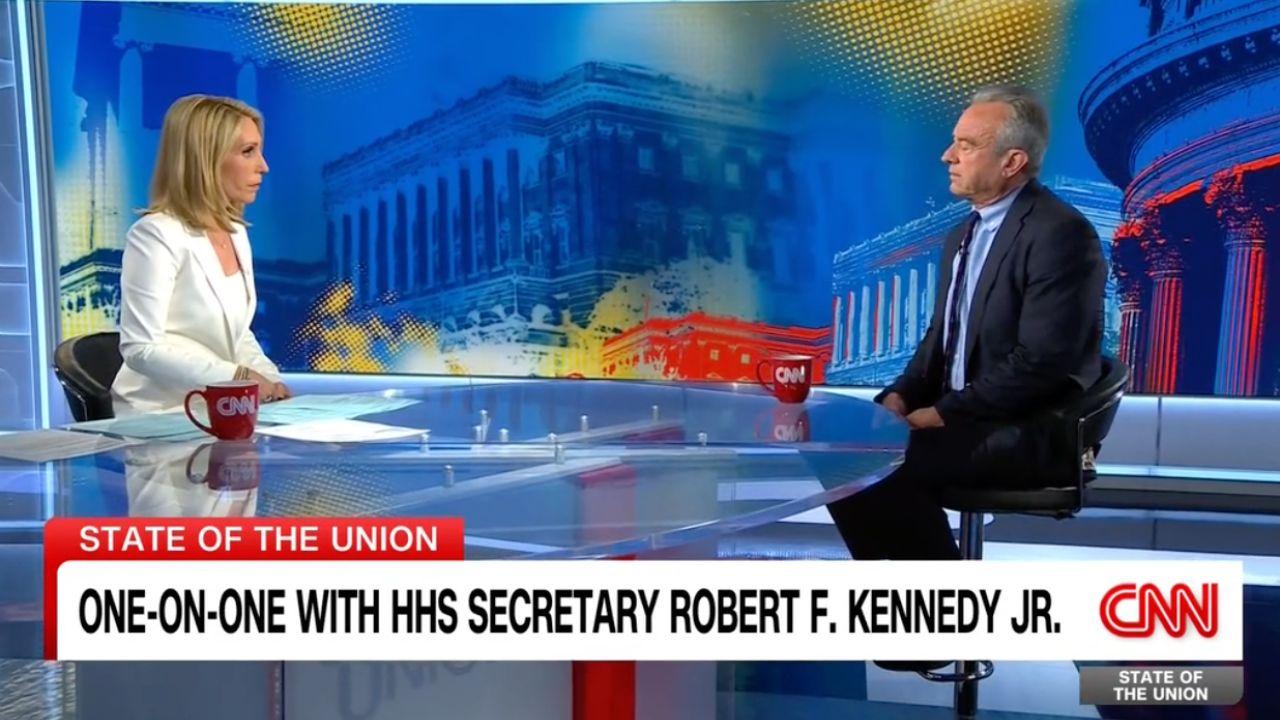
During the COVID-19 pandemic, this challenge was particularly acute. Media outlets were under immense pressure to deliver timely information, explain complex scientific developments, and report on government responses, all while contending with an evolving understanding of the virus and its implications. CNN, as a major news network, often served as a primary source of information, relaying guidance from public health agencies and medical experts. This role inevitably drew criticism from those who felt the coverage was either alarmist or too deferential to official narratives, illustrating the inherent difficulties in maintaining public trust and factual integrity during a global crisis. The RFK Jr. Dana Bash clash serves as a stark reminder of these ongoing tensions.
Post-Interview Rebuttals: Dr. Ashish Jha’s Intervention
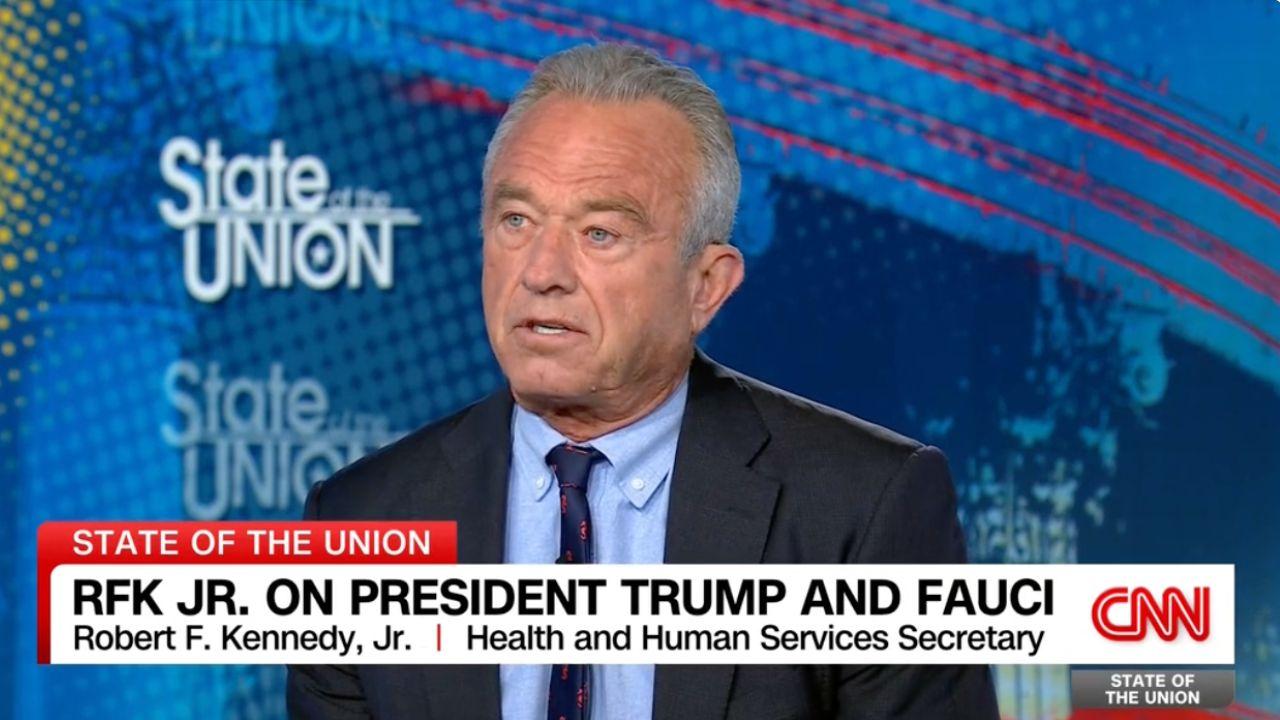
Immediately following the contentious interview, CNN brought on Dr. Ashish Jha, a distinguished public health expert and former White House COVID-19 Response Coordinator, to provide an expert perspective and address some of the assertions made by Robert F. Kennedy Jr. Dr. Jha’s appearance served as a direct on-air fact-check, offering a counter-narrative grounded in scientific and public health expertise.
Dr. Jha systematically refuted several of Kennedy’s claims, specifically highlighting Kennedy’s assertion that the COVID-19 vaccine was ineffective in saving lives. "The accountability has to be with our political leaders, not with scientists who are giving advice," Dr. Jha told Bash, shifting the focus from individual scientists to the broader political leadership responsible for implementing policies. He then directly challenged Kennedy’s factual accuracy: "Second issue that I just want to quickly reflect on. There was a lot of information that Secretary Kennedy said that just isn’t true. It’s just factually not true." This direct rebuttal by a credible medical authority underscored the significant disconnect between Kennedy’s statements and accepted scientific understanding, providing viewers with an immediate, evidence-based counterpoint to the pandemic ‘nonsense’ discussed during the heated interview. Such interventions by experts are crucial in media environments where contested information can quickly gain traction.
The Impact on Public Trust and Information Landscape
The televised Robert F. Kennedy Jr. and CNN’s Dana Bash clash over public health and media integrity carries significant implications for public trust in both journalistic institutions and scientific authorities. When high-profile figures like Kennedy use national platforms to challenge widely accepted scientific facts and accuse major news outlets of "press malpractice," it can deepen existing societal divisions and erode confidence in established sources of information. For segments of the population already skeptical of mainstream media or government, such exchanges may validate their distrust, making it harder for evidence-based information to penetrate.
Conversely, for those who rely on traditional media for factual reporting, the interview underscored the persistent challenge of combating misinformation and the importance of journalistic rigor in questioning controversial claims. The ongoing debate about information integrity, particularly concerning public health, continues to shape the broader information landscape. Voters and citizens are increasingly tasked with discerning credible sources from a deluge of competing narratives, making the role of responsible journalism in facilitating informed public discourse more critical than ever. The fallout from such on-air confrontations often extends beyond the immediate broadcast, influencing public perception for weeks or months afterward and contributing to the polarization of public opinion on vital issues.
The RFK Jr. Dana Bash clash on "State of the Union" vividly illustrates the enduring tension between public figures who challenge established narratives and media outlets striving to uphold factual reporting. This contentious exchange over pandemic responses, vaccine efficacy, and media conduct highlights the profound disagreements that persist within American society regarding public health, scientific consensus, and journalistic responsibility. As the nation continues to grapple with the aftermath of the pandemic and the challenges of future health crises, the role of transparent, fact-based communication remains paramount, constantly tested by the very public debates it seeks to inform.