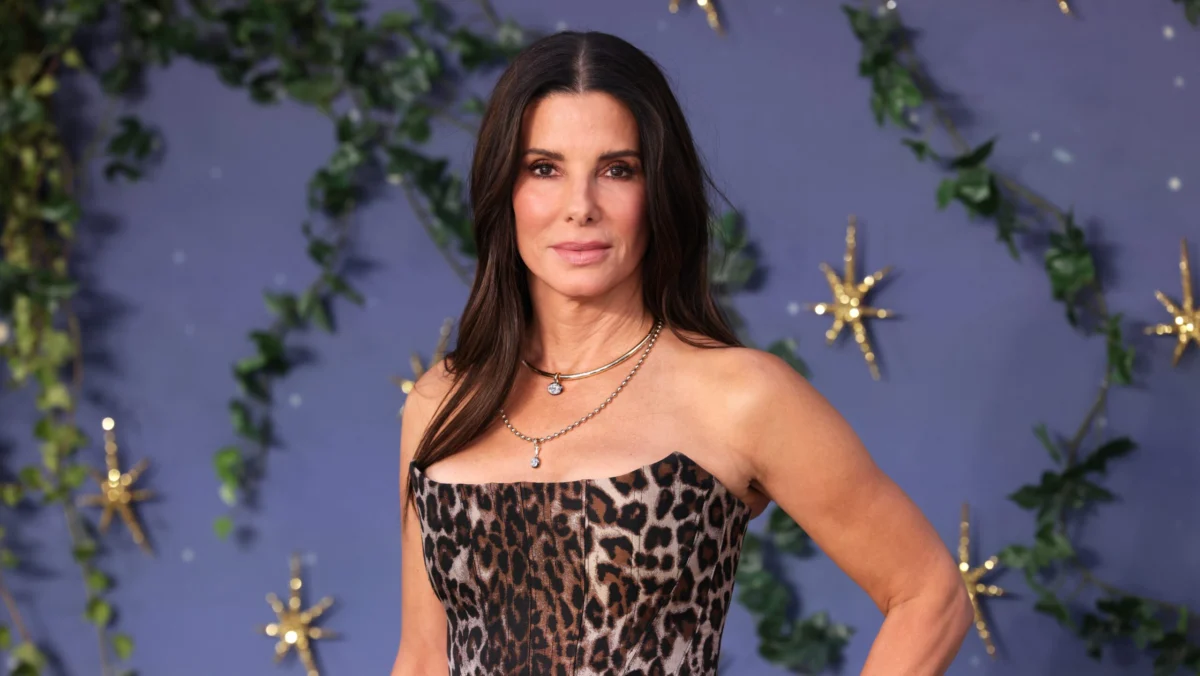
Veteran actress Sandra Bullock recently revealed a pivotal moment early in her career where she consciously rejected roles that involved explicit and demeaning requests during auditions, including being asked to "drop my pants" by individuals she described as "perverts." This candid reflection emerged during a conversation with fellow Hollywood icon Jennifer Aniston for Interview magazine, shedding light on the challenging and often exploitative landscape aspiring actors face in the entertainment industry. Bullock’s account underscores a critical juncture where she asserted her boundaries, a decision that ultimately shaped her enduring and respected career trajectory in Hollywood.
The Early Grind and Unacceptable Demands
Bullock’s journey into the highly competitive world of acting began, like many, with relentless auditions and the necessity of holding down other jobs to survive. Before achieving widespread fame, she navigated the bustling and often unforgiving environment of New York City, working as a waitress while pursuing her artistic dreams. It was during this formative period, characterized by a constant scramble for any available role, that she encountered the deeply problematic expectations and inappropriate conduct that have historically plagued the film and television industry. Her experience of "auditioning for every pervert that existed" highlights a systemic issue where aspiring talent, particularly young women, were vulnerable to exploitation and harassment under the guise of professional evaluation. This era, preceding the widespread awareness brought about by movements like #MeToo, often forced individuals into compromising situations where their professional aspirations were leveraged against their personal dignity.
A Deliberate Choice Amidst Pressure
Jennifer Aniston, a long-time friend and contemporary of Bullock, prompted the discussion by inquiring whether her career path was a deliberate choice or an organic evolution. Bullock unequivocally stated that her early decision to reject sexually exploitative demands was one of the few truly intentional moments in her career. "I was like, ‘Nope, not the role for me,’" she recounted, emphasizing a firm boundary she established despite the immense pressure to secure work. This resolve was particularly significant given the prevailing mindset among struggling actors, as Bullock herself admitted: "Every working actor thinks you will never work again so you just take what you can get and make the most of it." Her defiance in the face of such predatory requests not only preserved her integrity but also set a crucial precedent for the kind of career she was willing to build. This early act of self-preservation stands as a testament to her strength and foresight in an industry known for its demanding and often unforgiving nature.
The Shadow of the "Casting Couch"
Bullock’s experience resonates with the long-documented history of the "casting couch" phenomenon in Hollywood, a euphemism for the exploitation of aspiring actors by powerful figures in exchange for career opportunities. For decades, this insidious practice remained an open secret, perpetuating a culture where sexual favors or submission to inappropriate requests were tacitly, or overtly, expected. Young, vulnerable actors, often desperate for a break, found themselves in compromised positions with little recourse. Bullock’s candid remarks serve as a powerful reminder of this dark chapter in the industry’s past and the courage it took for individuals to resist such pressures. While the #MeToo movement has brought many of these abuses to light and spurred significant reforms, Bullock’s recollection underscores the deeply entrenched nature of these power imbalances and the personal toll they exacted on countless individuals trying to break into the entertainment world. Her refusal to "drop my pants" was not merely a personal choice but a quiet act of rebellion against a pervasive and harmful system.
A Career Defined by Strategic Pivots and Acclaim
Beyond her early struggles, Bullock’s career has been marked by a series of deliberate decisions that demonstrate her strategic thinking and adaptability. Following her breakthrough roles in action films like Speed and a string of successful romantic comedies such as While You Were Sleeping and Miss Congeniality, she became known as "America’s Sweetheart." However, this widespread affection eventually brought with it a different kind of pressure. Bullock revealed that the only other truly intentional pivot in her career was her decision to step away from rom-coms due to the increasing criticism she received. "I said, ‘I need to stop right now with the rom-coms,’ because I was getting so much shit for them," she explained.
This pivot led her to take on more dramatic and challenging roles, significantly altering public perception and solidifying her versatility as an actress. One such pivotal role was in the critically acclaimed 2004 ensemble drama Crash, which went on to win the Academy Award for Best Picture in 2006. This marked a crucial turning point, showcasing her depth and range beyond the comedic fare. Four years later, her performance in the biographical drama The Blind Side earned her the Academy Award for Best Actress, cementing her status as one of Hollywood’s most respected and talented figures. These strategic choices, from rejecting early exploitation to consciously evolving her on-screen persona, underscore a career built not just on talent, but on a strong sense of self and an unwavering commitment to her artistic integrity.
The Ongoing Dialogue: Impact and Implications
Bullock’s recent statements contribute significantly to the ongoing and critical dialogue surrounding power dynamics and ethical conduct within the entertainment industry. Her experience, though from decades past, resonates deeply with contemporary discussions about workplace safety, consent, and accountability. For aspiring actors today, her story serves as both a cautionary tale and an empowering message. It highlights the historical abuses that have plagued the industry while simultaneously demonstrating the importance of maintaining personal boundaries and advocating for oneself, even when faced with overwhelming pressure.
Her revelation reinforces the notion that even highly successful stars have faced profound challenges early in their careers, often silently. By sharing her story, Bullock provides valuable context for the systemic issues that have only recently begun to be openly addressed and challenged. This transparency from a beloved public figure can inspire others who have faced similar predicaments to speak out, and it can also encourage industry leaders to continue implementing and enforcing robust protections against exploitation. The sustained impact of the #MeToo movement, for instance, has led to clearer guidelines, reporting mechanisms, and greater awareness regarding inappropriate behavior on set and during auditions. Bullock’s account underscores the necessity of these ongoing efforts to foster a safer and more equitable environment for all individuals pursuing careers in entertainment.
Navigating Public Life and Artistic Expression
The Interview magazine discussion between Bullock and Aniston also touched upon broader themes, including navigating life in the public eye and the personal motivations behind their artistic choices. Bullock specifically mentioned that the upcoming Practical Magic 2 sequel is conceived as a "love letter" to her own daughter, adding a deeply personal dimension to her return to the big screen. This insight into her motivations reflects a common thread among long-standing celebrities who seek to balance their professional commitments with their private lives and values.
Bullock’s decision to return to acting after a four-year hiatus for Practical Magic 2, following her last appearance in 2022’s The Lost City with Channing Tatum, signals a renewed engagement with her craft. The sequel’s early box office performance, grossing $13 million domestically on its Friday release (including Thursday previews) and projecting an opening weekend of around or just under $30 million, suggests continued audience interest in her work. Her enduring appeal, combined with her willingness to speak openly about the challenges she faced, reinforces her status as not only a talented performer but also a resilient and authentic voice in Hollywood.
A Legacy of Resilience and Integrity
Sandra Bullock’s career stands as a powerful example of resilience, strategic foresight, and unwavering integrity. Her early refusal to compromise her values in the face of exploitative demands laid the groundwork for a career defined by diverse roles, critical acclaim, and widespread public adoration. From her initial struggles as a waitress in New York, rejecting inappropriate requests, to becoming an Academy Award-winning actress and a respected voice in the industry, Bullock’s journey offers profound insights into the human and professional challenges inherent in Hollywood. Her recent candid reflections serve as a timely reminder of the progress made in addressing systemic issues within the entertainment world, while also underscoring the ongoing need for vigilance and advocacy to ensure a safer and more equitable future for all who dare to dream of a career in film. Her story is not just one of cinematic success, but a testament to the enduring power of self-respect and the deliberate choices that shape a lasting legacy.