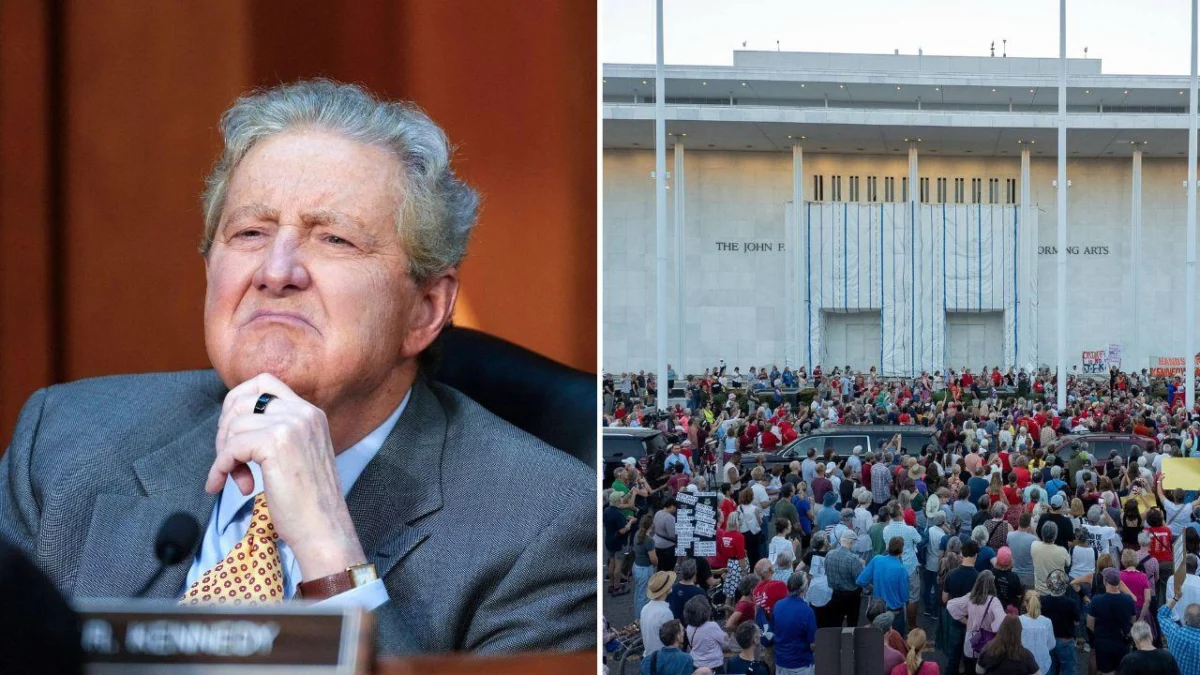
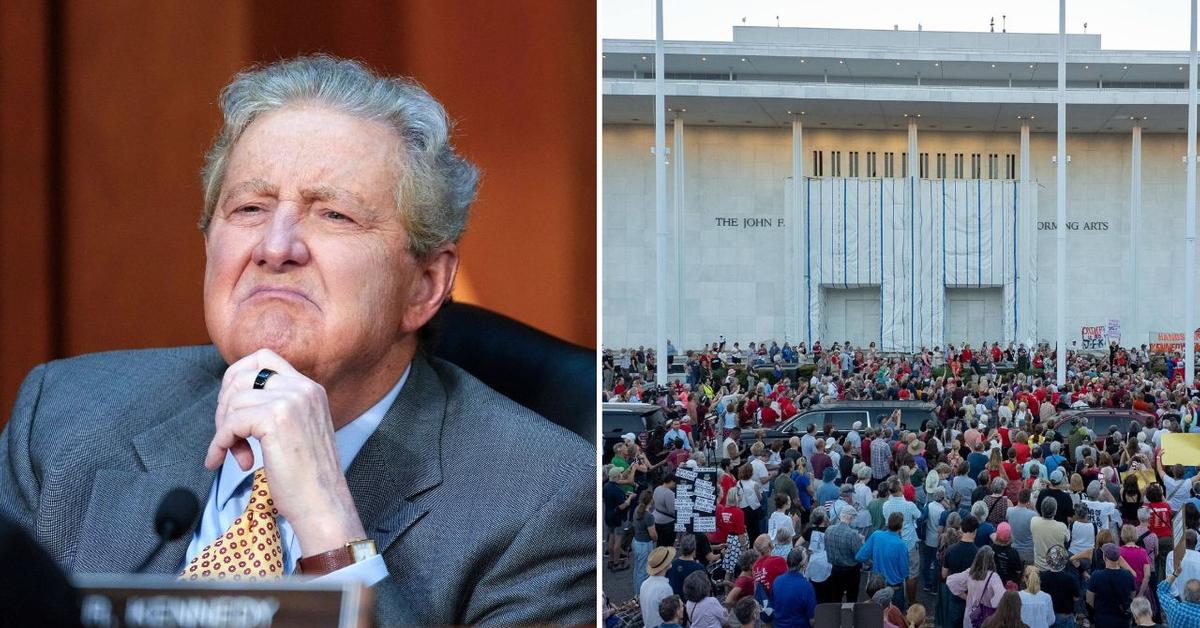
Louisiana Republican Senator John Kennedy has introduced a legislative measure aimed at preventing any living U.S. president from having federal buildings named in their honor, a direct response to former President Donald Trump’s persistent efforts to affix his name to the John F. Kennedy Center for the Performing Arts. This proposal intensifies a simmering dispute over presidential branding of public assets and the ethical use of taxpayer funds.
The controversy centers on Trump’s repeated attempts to associate his name with the iconic cultural institution in Washington D.C., a move that has drawn widespread criticism and legal challenges. Senator Kennedy, 74, who shares a surname but no familial ties with the late President John F. Kennedy, is championing a rule to codify a long-standing, albeit unwritten, tradition of posthumous recognition for federal properties. His initiative seeks to formalize a principle that many see as essential for maintaining the integrity of public service and preventing the perceived self-aggrandizement of sitting or recently departed leaders.
The Historical Context of Naming Federal Buildings
The practice of naming federal buildings, monuments, and institutions after prominent figures is deeply ingrained in American civic tradition. Typically, such honors are bestowed posthumously, allowing for a period of reflection and consensus-building on an individual’s lasting contributions to the nation. This convention aims to ensure that namesakes are chosen based on historical significance and broad public approval, rather than contemporary political influence or personal ambition. For instance, landmarks like the Ronald Reagan Washington National Airport or the Dwight D. Eisenhower Executive Office Building were named well after their presidential tenures, often with bipartisan support.
The Kennedy Center itself stands as a testament to this tradition, explicitly named to honor President John F. Kennedy following his assassination. It serves as a living memorial to his legacy and a vibrant hub for the performing arts, embodying a national commitment to culture and public service. The idea of a living president demanding to append their name to such an institution, particularly one already dedicated to a historical figure, challenges established norms and raises questions about the distinction between public service and personal branding.
Trump’s Persistent Pursuit of Public Branding
Donald Trump’s desire to brand federal properties is not a new phenomenon, aligning with his extensive background in real estate and his consistent emphasis on personal brand recognition throughout his career. During his presidency and in the years since, Trump has reportedly explored various avenues to attach his name to public assets, including airports, post offices, and bridges. His focus on the Kennedy Center, however, has been particularly aggressive and legally fraught.

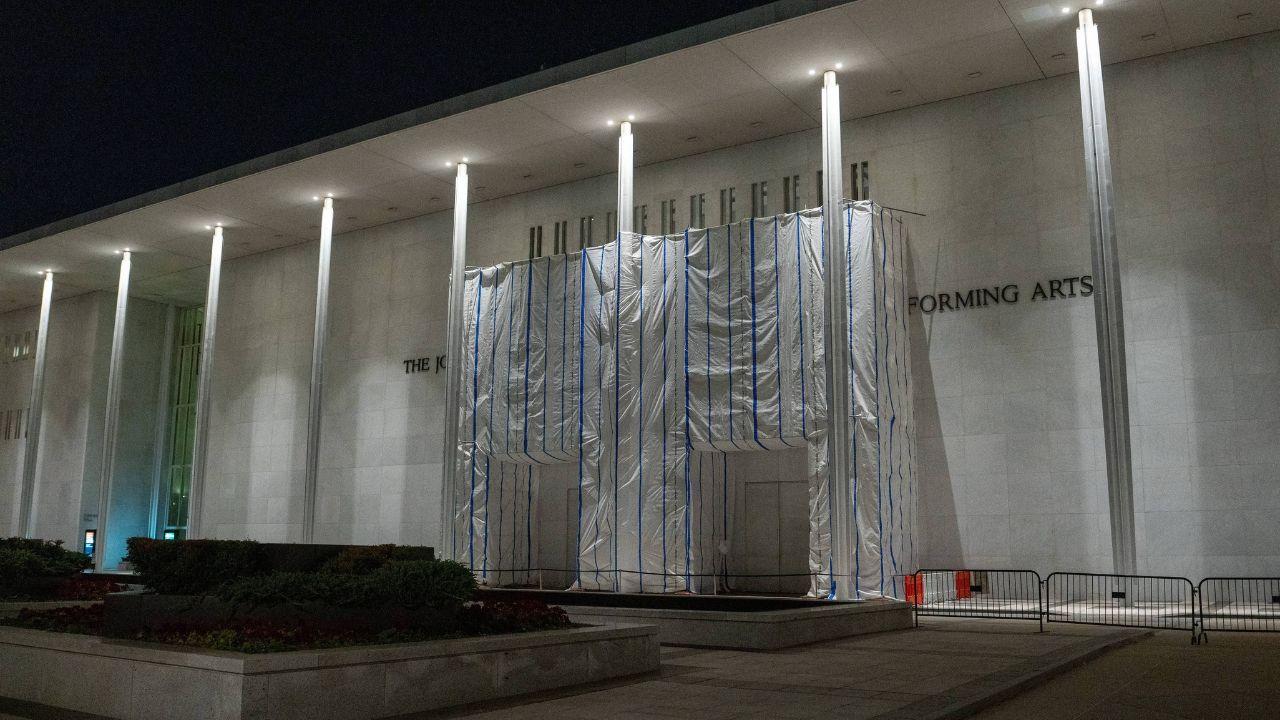
Reports indicate that during his second term, Trump initially placed his name above Kennedy’s at the Center in 2025. This action was swiftly challenged, and a judge subsequently ordered its removal, underscoring that only Congress possesses the authority to rename federal buildings. Undeterred, Trump has since pursued a less direct approach, attempting to mandate the inclusion of a note on the building acknowledging his supposed responsibility for its renovation. These ongoing efforts highlight a fundamental clash between traditional governance and an executive’s personal branding aspirations.
Senator Kennedy’s Bipartisan Critique
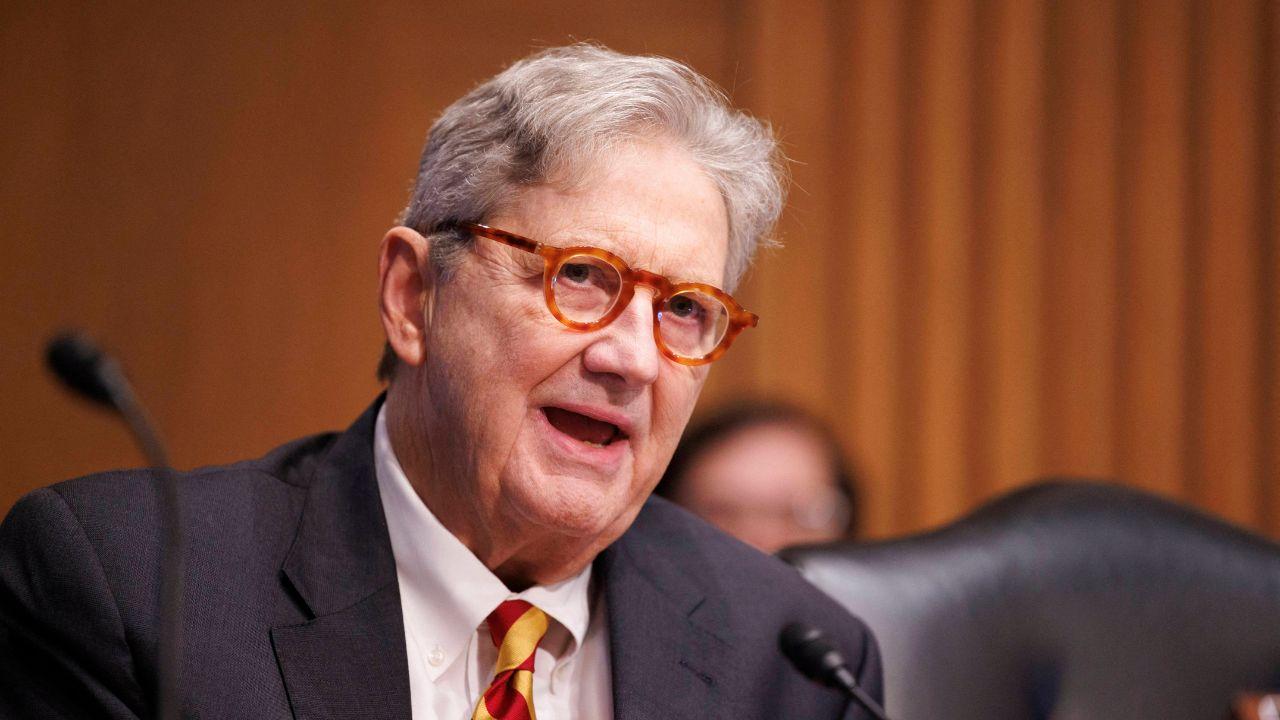
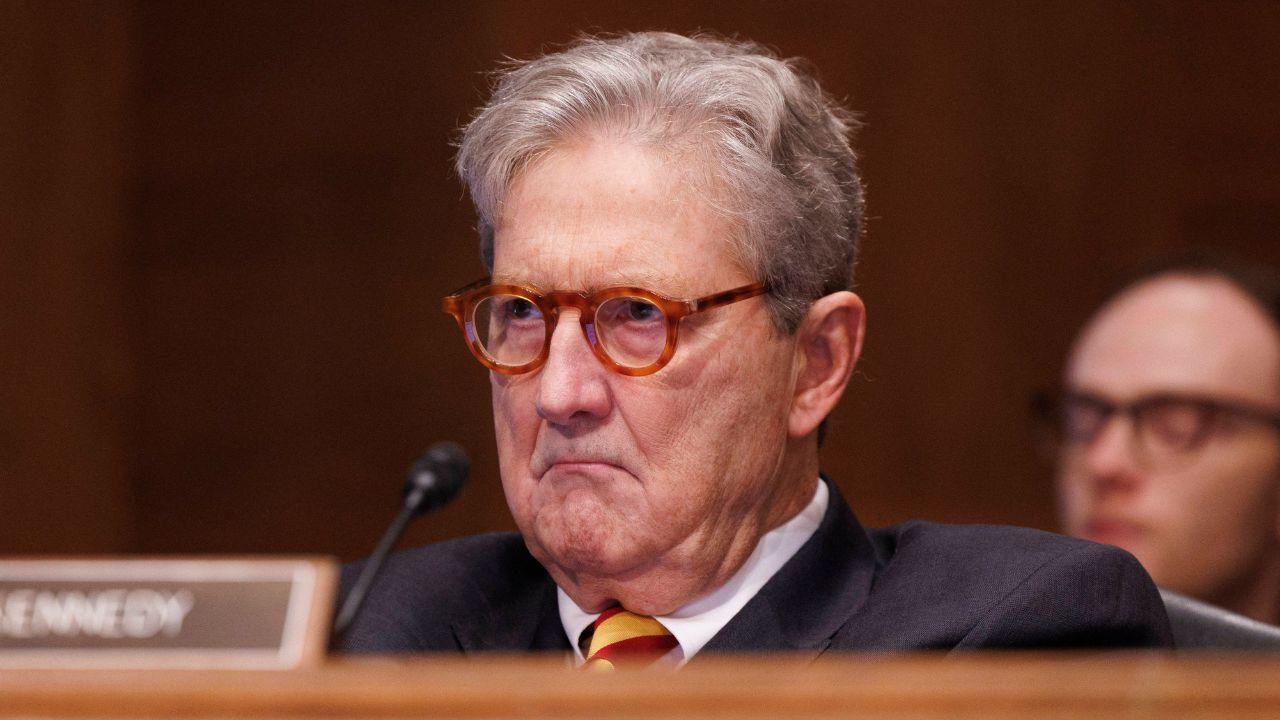
Senator John Kennedy has emerged as an increasingly vocal critic of the former president within the Republican Party, a stance that adds significant weight to his legislative efforts. Appearing on CBS News’ "Face the Nation," Senator Kennedy explicitly linked his proposed rule to Trump’s actions. "I may end up with a sombrero on my head," he quipped, referencing a recent controversy where Trump utilized AI-generated images depicting Democratic leaders Hakeem Jeffries and Chuck Schumer wearing sombreros. The comment served as a lighthearted but pointed acknowledgment of the potential political blowback he might face for opposing Trump.
Beyond the Kennedy Center dispute, the Louisiana senator also extended his critique to the broader issue of taxpayer-funded self-promotion. He condemned the use of public money for "private ads," specifically mentioning recent pro-Trump advertisements that have faced bipartisan pushback. "The White House sees it differently, but you can’t spend public money to promote yourself," Kennedy asserted. He clarified that this principle should apply universally, citing Trump, himself, and former Homeland Security Secretary Kristi Noem, who was reportedly dismissed from the Trump administration partly due to her efforts to boost her personal brand through taxpayer-funded ads. This bipartisan condemnation underscores a growing concern across the political spectrum regarding the ethical boundaries of public office.
The Kennedy Center’s Financial Predicament and Trump’s Role
A critical layer to this unfolding drama involves the precarious financial state of the Kennedy Center and the accusations that Trump’s interventions have exacerbated its woes. The Kennedy Center’s board, appointed largely by Trump, has controversially argued that acceding to the former president’s demands — specifically, adding his name to the building — is the only viable path to secure necessary renovation funds. This argument suggests a transactional approach to public arts funding, wherein a major cultural institution must bargain with an individual’s branding desires to ensure its upkeep.
However, critics widely dispute this narrative, suggesting that Trump’s "meddling" has, in fact, been a primary driver of the Center’s financial distress. Reports indicate that long-standing donors and loyal patrons began to distance themselves from the institution after Trump installed his handpicked board and publicly criticized what he termed its "woke programming." Following the initial, unauthorized placement of Trump’s name on the building, funding reportedly "dropped off a cliff," leading to a staggering shortfall of over $100 million against its revenue goals. This paints a stark picture of a cultural landmark caught between political demands and its financial viability, with the former president’s actions potentially undermining the very institution he seeks to brand.
Broader Implications for Governance and Public Trust
The ongoing debate surrounding Donald Trump’s Kennedy Center demands and Senator John Kennedy’s legislative response carries significant implications for American governance, ethics, and public trust. The proposed rule by Senator Kennedy aims to solidify a principle that transcends partisan politics: that public service should be distinct from personal gain or self-promotion. Should such a rule pass, it would reinforce the idea that federal institutions are national treasures, not personal billboards for politicians.
Ethically, the situation raises serious questions about the use of public office and taxpayer resources. Leveraging a cultural institution’s financial needs for personal branding blurs the lines between public duty and private interest. It also challenges the foundational understanding of presidential legacies, traditionally built on actions and policies, not on the physical branding of federal properties while still alive.
The cultural impact is equally profound. The Kennedy Center, as a symbol of American artistic achievement and a memorial to a revered president, risks having its mission and public perception diminished by such controversies. Its ability to attract donors, artists, and audiences could be hampered by the perception of political interference or a transactional approach to its identity. Furthermore, allowing a living president to brand a federal building could set a troubling precedent for future administrations, inviting similar demands and potentially eroding the symbolic value of national institutions.
Legislative Challenges and Future Outlook
The legislative path for Senator Kennedy’s proposed rule is likely to be challenging, requiring bipartisan support to navigate the complexities of Congress. While the sentiment against self-promotion on public funds may resonate broadly, the specific targeting of a former president known for his fervent base could politicize the issue. Nevertheless, the fact that a Republican senator is leading this charge against a prominent figure in his own party highlights the ethical dimensions that cross party lines.
Simultaneously, the Kennedy Center faces continued legal battles regarding Trump’s ongoing demands. The outcome of these legal challenges, coupled with the potential for new legislation, will determine the future identity and financial health of the institution. The broader public debate will continue to weigh the importance of historical integrity, ethical governance, and the proper use of public funds against the desires of individual politicians. The resolution of this specific dispute will likely serve as a crucial test case for how the nation balances the legacy of public service with the demands of contemporary political branding.