Australia’s trade surplus has plummeted to its lowest level in nearly a decade, driven by a strategic national effort to secure fuel supplies amid global instability and a record-breaking influx of electric vehicle imports. The latest economic data reveals that the nation’s once-dominant trade cushion has narrowed significantly, as the federal government prioritizes "fuel diplomacy" to mitigate the impacts of the ongoing oil crisis in the Middle East. Simultaneously, a massive shift in consumer behavior saw battery electric vehicle (EV) sales more than double in the June quarter, reaching nearly 70,000 units and placing further downward pressure on the trade balance.
The narrowing of the trade surplus represents a pivotal moment for the Australian economy, which has long relied on robust commodity exports to offset its import requirements. While mining and agricultural exports remain significant, the rising costs of energy security and the rapid transition toward green transportation have created a unique set of economic pressures. Analysts suggest that the combination of high-value technology imports and the strategic stockpiling of liquid fuels has fundamentally altered the nation’s short-term fiscal outlook.
Fuel Diplomacy and Energy Security in a Volatile Market
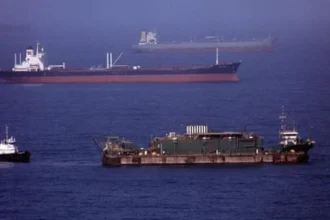
The primary driver behind the contraction of the trade surplus is the Australian government’s proactive "fuel diplomacy" strategy. As conflict in the Middle East continues to threaten global shipping lanes and oil production, Canberra has moved to secure long-term fuel cargoes to ensure domestic energy stability. This initiative, while necessary for national security, has come at a high financial cost, significantly increasing the value of imports over the last three months.
Australia remains highly dependent on imported refined fuel, making the economy vulnerable to price shocks and supply chain disruptions. By engaging in fuel diplomacy, the government is essentially paying a premium to guarantee that petrol and diesel supplies remain consistent for transport, agriculture, and industrial sectors. This strategic spending has contributed to the trade surplus falling to its lowest point since 2015, as the cost of these essential energy imports outweighs the revenue generated by traditional exports like iron ore and coal.
The Department of Climate Change, Energy, the Environment and Water has noted that maintaining a minimum sovereign capability for fuel is essential. However, the timing of these purchases, coinciding with high global oil prices, has exacerbated the trade deficit. This "security first" approach reflects a broader trend among Western nations to prioritize supply chain resilience over immediate fiscal surpluses in an increasingly unpredictable geopolitical landscape.
Surge in EV Demand Reshapes the Australian Automotive Landscape
Compounding the impact of fuel imports is the unprecedented surge in EV demand across the country. Data for the June quarter shows that battery electric vehicle sales reached approximately 70,000 units, a milestone that underscores the accelerating pace of the nation’s energy transition. While this shift aligns with federal climate goals, the fact that most EVs are manufactured overseas means that every sale contributes to the rising import bill.

The surge in EV demand and fuel diplomacy push send trade surplus to nine-year low as the automotive sector undergoes its most significant transformation in a generation. Government incentives, such as the Fringe Benefits Tax (FBT) exemption for electric cars, have successfully stimulated consumer interest. However, the lack of a domestic vehicle manufacturing industry means that Australia is essentially exporting capital to international manufacturers in China, Europe, and the United States to facilitate its green transition.
Industry experts point out that while the initial import costs are high, the long-term economic benefits of EVs—including reduced reliance on foreign oil and lower maintenance costs—may eventually balance the scales. In the short term, however, the sheer volume of high-tech vehicle imports is a heavy weight on the national trade ledger. The transition is also putting pressure on the national grid and charging infrastructure, necessitating further investment that may influence future economic reporting.
Political Maneuvering Over Migration Policy
While the economic data dominated headlines, the federal government also faced scrutiny over its internal scheduling and policy rollouts. Deputy Prime Minister Richard Marles was forced to defend the administration following the delay of a major speech by Home Affairs Minister Tony Burke. The speech, which was expected to outline significant reforms to migration policy and potential cuts to intake numbers, was postponed shortly before it was scheduled to be delivered at the National Press Club.
Marles dismissed suggestions that the delay indicated internal discord or a retreat from the proposed policies. He characterized the move as a routine administrative adjustment, stating that "moving around dates in a diary for senior members of government is very routine." Despite these assurances, the delay has sparked speculation among opposition lawmakers and policy analysts who believe the government may be fine-tuning its approach to migration in response to the housing crisis and rising cost-of-living concerns.
The migration policy in question is expected to be one of the most complex pieces of legislation the Labor government has tackled since coming to power. With the surge in EV demand and fuel diplomacy push send trade surplus to nine-year low, the government is under pressure to ensure that its migration settings support economic growth without further straining infrastructure or social services. Marles emphasized that the speech had not been canceled and that Burke would address the National Press Club at the "earliest opportunity."
The Battle Over Gambling Advertising Reforms
The Albanese government is also navigating a difficult legislative path regarding gambling reforms. Deputy Prime Minister Marles reiterated the government’s commitment to passing new regulations aimed at curbing gambling advertising, despite facing a pincer movement of opposition from both the Greens and the Coalition. Both opposing sides argue that the proposed reforms do not go far enough, with the Greens calling for a total ban on gambling ads and the Coalition criticizing the government’s "half-way" approach.
Marles defended the legislation as the "strongest reforms in respect of gambling advertising that have ever been put forward." He argued that the government must strike a "balance" between protecting vulnerable populations—particularly children—and acknowledging the legal status of the betting industry. The proposed changes include "whistle-to-whistle" bans during sports broadcasts and stricter limits on digital advertising.
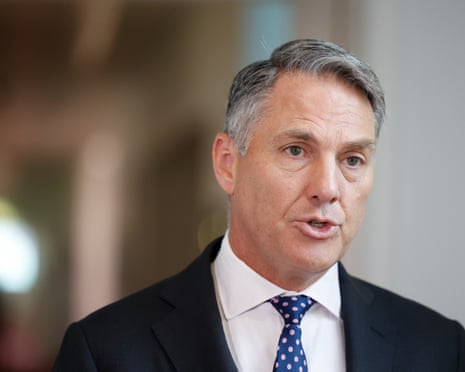
"We’re doing more in terms of breaking the link between gambling advertising and sport," Marles said during a recent broadcast interview. He highlighted the importance of "BetStop," a national self-exclusion register, as a key pillar of the government’s strategy. However, the political reality remains that without the support of the crossbench or the opposition, the reforms face an uncertain future in the Senate. The debate highlights the cultural tension in Australia between a deeply ingrained betting culture and a growing public demand for social protections.
Rebuilding Trust and Security in the Pacific
On the international stage, Foreign Affairs Minister Penny Wong is currently in Fiji, participating in high-level meetings with Pacific Island counterparts. Her visit is part of a broader "Pacific Step-up" aimed at rebuilding Australia’s reputation and strategic position in the region. Wong acknowledged that while progress has been made, Australia still has "more work to do" to forge deeper, more resilient relationships with its neighbors.
A significant portion of Wong’s agenda involves addressing regional security concerns, specifically in light of China’s recent ballistic missile test in the South Pacific. Wong described the test as "destabilizing" and inconsistent with the regional desire for an "ocean of peace." She urged Beijing to respect the sentiments of Pacific leaders who have expressed a preference for a demilitarized and peaceful maritime environment.
The Foreign Minister also announced that Australia intends to enter formal negotiations with Tonga and the Solomon Islands to strengthen bilateral partnerships. These moves are seen as a direct counter to China’s growing influence in the region, which has seen Beijing sign various security and infrastructure deals with Pacific nations over the last few years. By focusing on "partnership" rather than "patronage," Wong is attempting to position Australia as the preferred security and development partner for the Pacific family.
Economic Outlook and the Path Forward
The convergence of a surge in EV demand and fuel diplomacy push send trade surplus to nine-year low serves as a stark reminder of the external and internal forces currently shaping the Australian economy. The trade data is not merely a reflection of market fluctuations but a byproduct of deliberate policy choices aimed at long-term security and environmental sustainability. However, the immediate fiscal consequence is a more fragile trade balance that leaves the nation more susceptible to global economic headwinds.
As the government prepares for the next federal election, it must balance these strategic imperatives with the day-to-day economic realities facing Australian households. The cost of the green transition, the necessity of energy security, and the social demands for gambling and migration reform are all competing for space on the legislative agenda.
The coming months will be critical as the government attempts to pass its reform packages and stabilize the trade balance. With the Middle East remaining a tinderbox and the global transition to electric vehicles showing no signs of slowing down, Australia’s economic planners will need to navigate a narrow path to maintain growth while securing the nation’s future. The nine-year low in the trade surplus may be a temporary dip, but it signals a fundamental shift in how Australia interacts with the global market in the 21st century.