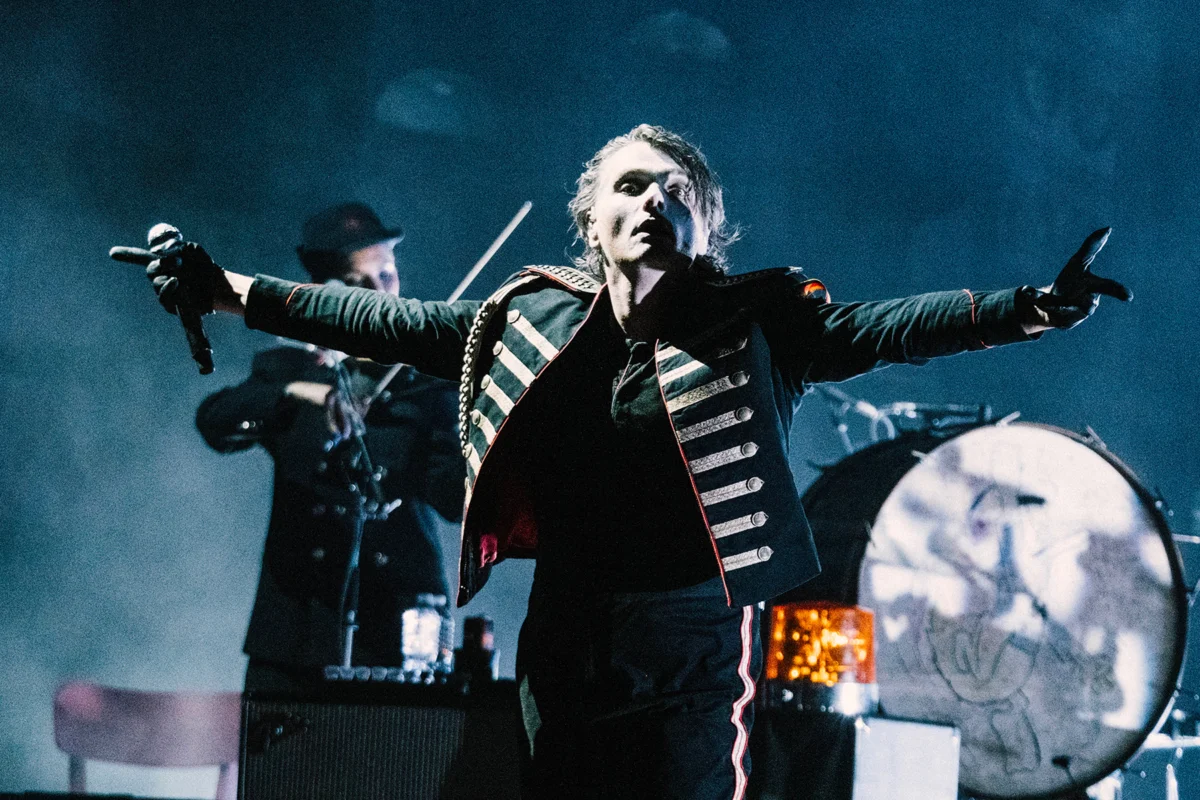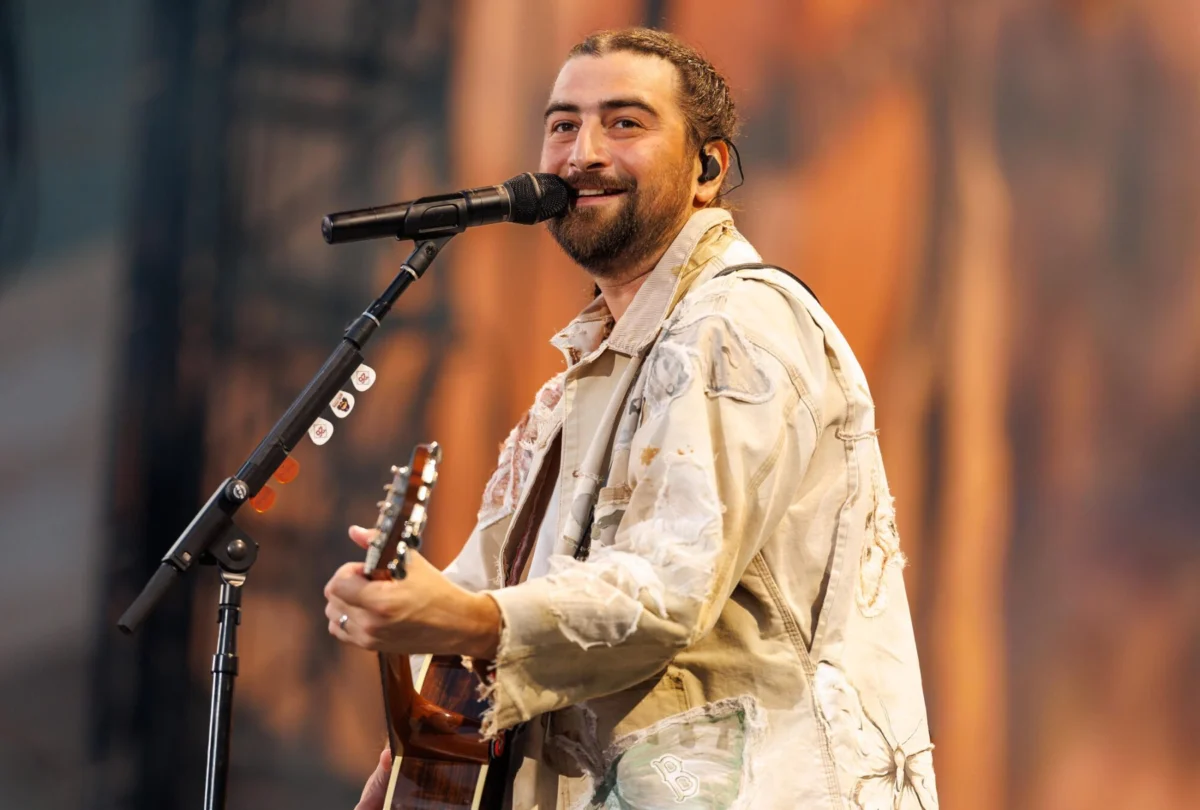
The White House has publicly rebuked folk-pop artist Noah Kahan after he vocally objected to the unauthorized use of his song "American Cars" in official White House social media content promoting President Donald Trump’s visit to a Michigan auto plant. The exchange escalated into a notable spat between the popular musician and a senior White House official, highlighting ongoing tensions over the use of copyrighted music in political messaging.
The controversy ignited when videos and photos posted to TikTok and Instagram by the White House featured Kahan’s hit song "American Cars" as a soundtrack. The content was part of an effort to underscore President Trump’s tour of an automotive facility in Michigan, where he emphasized the importance of domestically manufactured vehicles. The use of the song, which appears on Kahan’s Billboard 200 No. 1 album The Great Divide, quickly drew the artist’s ire.
Noah Kahan, known for his breakout hit "Stick Season," expressed his disapproval directly in the comments section of an Instagram post featuring the White House content. "Would never approve of my music being used in support of you or this administration," Kahan stated. His comment garnered significant attention, amassing over 53,500 likes and hundreds of replies, indicating widespread agreement among his fanbase. The sound associated with the original White House post on Instagram was subsequently disabled, a detail noted by many observers.
Adding to the friction, Noah Levine, a frequent collaborator with Kahan and co-writer of "American Cars," also voiced his strong objection. Levine’s comment on the same Instagram post, which read, "You fat f*** this song isn’t for you," was later removed, a move that was quickly identified by users. The song, however, continued to play in the White House’s TikTok video from the event, which depicted President Trump signing a white Corvette during his visit to the General Motors proving grounds in Milford, Michigan.
The White House’s response was sharp and pointed. Kaelan Dorr, identified as holding multiple communications roles within the Trump administration, including principal deputy communications director, retweeted a report on Kahan’s comments and offered his own critique. Dorr dismissed Kahan’s objections by invoking the term "Symptoms of TDS," a colloquialism referring to "Trump Derangement Syndrome," and sarcastically suggested that such symptoms "apparently include having a northern attitude." This response framed Kahan’s criticism as an irrational political reaction rather than a legitimate artistic or copyright concern.
It is important to note the broader context of music licensing for social media platforms. Kahan’s recordings are available for use within Instagram’s public music library. This accessibility is a result of a 2024 partnership between Universal Music Group, Kahan’s label, and Meta, the parent company of Instagram and other social media platforms. Such agreements typically grant licenses for music to be used in user-generated content and, in some cases, official brand pages, though the scope of political use can remain a point of contention.
This incident places Noah Kahan within a growing cadre of prominent musicians who have publicly opposed the use of their music by political campaigns or administrations. This list includes a diverse and influential group of artists such as Beyoncé, Adele, Bruce Springsteen, Katy Perry, Ariana Grande, Celine Dion, Foo Fighters, Guns N’ Roses, Jack White, Kenny Loggins, Neil Young, Olivia Rodrigo, and Rihanna. These artists have frequently expressed concerns that their music is being appropriated to endorse political figures or ideologies that do not align with their personal values or artistic messages.
The Legal and Ethical Landscape of Music in Political Campaigns
The use of popular music in political advertising and social media campaigns has long been a contentious issue, fraught with legal, ethical, and public relations complexities. While campaigns often seek to leverage the emotional resonance and broad appeal of well-known songs to connect with voters, artists and their representatives frequently push back, citing copyright infringement and a desire to prevent their work from being associated with political stances they do not support.

Copyright law generally dictates that the performance or reproduction of a musical work requires permission from the copyright holder. This typically involves obtaining synchronization licenses (for the use of music with visual media) and master use licenses (for the use of a specific recording). In the context of social media, platforms often offer vast libraries of licensed music, simplifying the process for many users. However, the specific terms of these licenses, particularly concerning their use by official government entities or political campaigns, can be ambiguous or subject to interpretation.
The Universal Music Group and Meta agreement, while facilitating music use on Instagram, does not necessarily grant blanket permission for all forms of political endorsement or campaign material. The intention behind such deals is often to boost user engagement and provide creators with a wider selection of audio options. When official government accounts employ these licensed tracks, it can blur the lines between organic content creation and political messaging, leading to disputes over consent and appropriation.
Artist Rights and Political Messaging
For artists like Noah Kahan, the unauthorized use of their music in a political context can feel like a violation of their artistic integrity and a misrepresentation of their personal beliefs. Many musicians carefully craft their lyrics and public personas, and seeing their work soundtrack political propaganda can be deeply unsettling. The financial implications are also a factor, as artists and their labels stand to lose revenue if their music is used without proper licensing or compensation.
The public outcry that often follows these disputes underscores the strong connection fans feel to their favorite artists and their perceived values. When artists speak out against political use of their music, it can mobilize their fanbase and generate significant media attention, amplifying the artist’s message and putting pressure on the political entity in question. This has led to a more proactive stance by many artists and their teams in monitoring and addressing unauthorized uses of their work.
The White House’s Communications Strategy and Criticisms
The White House, under President Trump, has been known for its aggressive and often unconventional communication strategies, particularly on social media platforms like TikTok and Instagram. These platforms are crucial for reaching younger demographics and for disseminating rapid-response messaging. The use of trending music and popular culture elements is a common tactic employed to make political content more shareable and engaging.
However, this approach has repeatedly drawn criticism from artists who feel their work is being co-opted for political gain. The administration’s justification, as exemplified by Kaelan Dorr’s "Symptoms of TDS" remark, suggests a belief that such criticisms are politically motivated and part of a broader opposition to President Trump. This framing serves to dismiss the artists’ concerns and rally their own base by portraying the situation as another instance of perceived political bias against the President.
Broader Implications and Future Considerations
The ongoing friction between artists and political campaigns over music usage raises important questions about the intersection of copyright law, freedom of expression, and the evolving landscape of digital media. As political entities increasingly rely on social media for outreach, the ethical use of copyrighted material will remain a critical issue.
For artists, the challenge lies in protecting their rights and ensuring their music is not used in ways that contradict their values, while also navigating the complexities of music licensing in the digital age. For political campaigns and administrations, the need to connect with audiences through popular culture must be balanced with respect for intellectual property and the clear consent of artists.
The precedent set by these public disputes may encourage more robust licensing agreements and clearer guidelines for the use of music in political contexts. It also highlights the power of artists to influence public discourse and to hold political figures accountable for their use of cultural assets. As social media continues to be a dominant force in communication, these tensions are likely to persist, shaping how music and politics interact in the public sphere. The case of Noah Kahan and the White House serves as a recent, high-profile example of these ongoing dynamics.