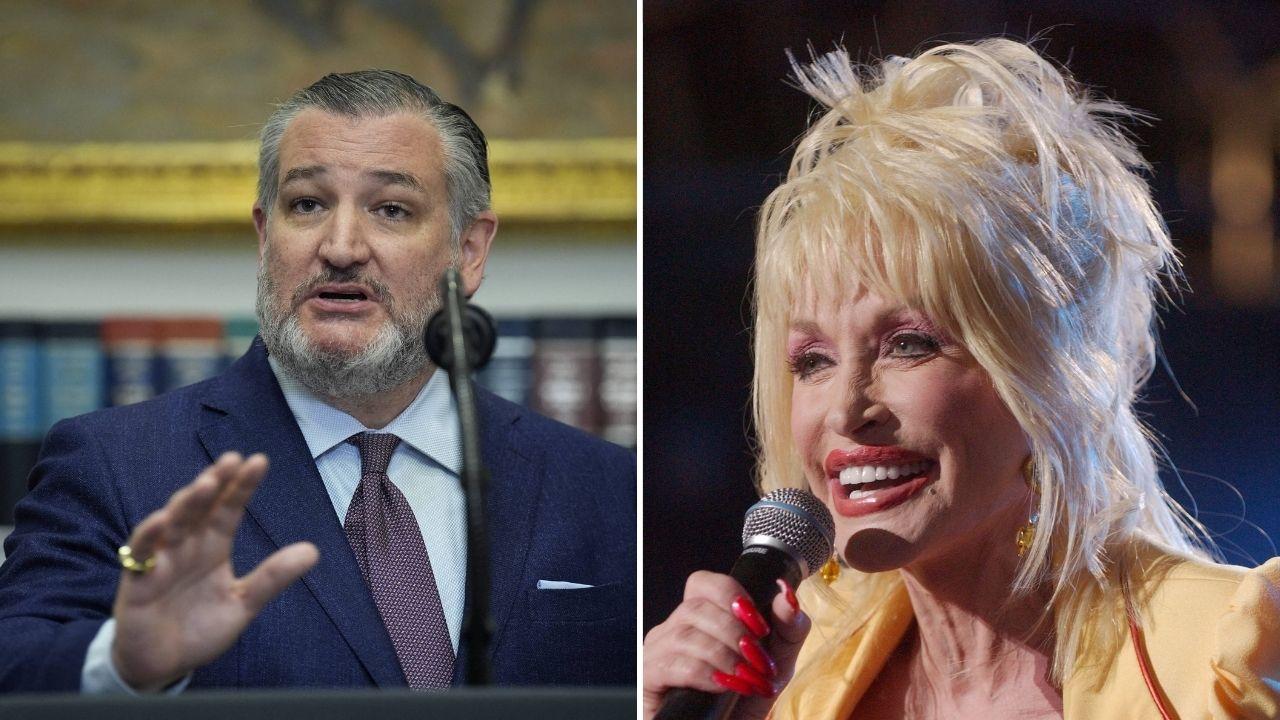
Senator Ted Cruz faced a wave of online embarrassment recently after a tribute to the late country music legend Dolly Parton on X (formerly Twitter) backfired spectacularly. The Texas Republican’s Dolly Parton tribute post was swiftly deleted after the account he amplified changed its display name to a crude, disparaging remark aimed directly at him, leading to widespread mockery across social media platforms.
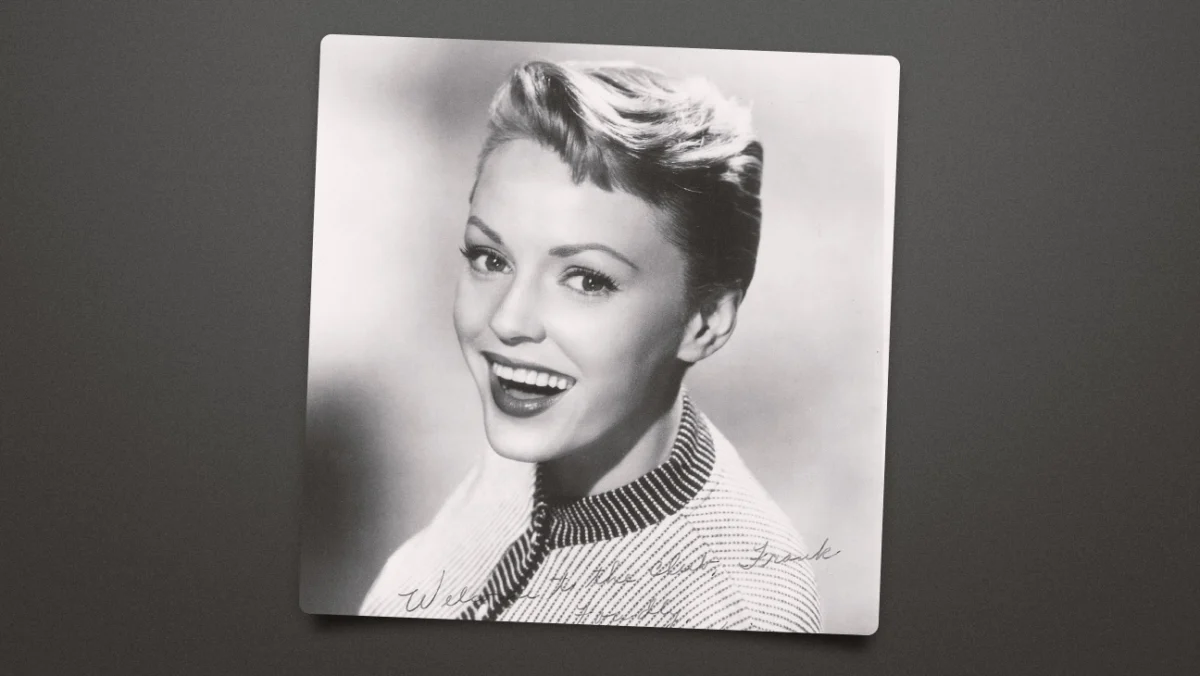
The incident unfolded shortly after the announcement of Dolly Parton’s passing. The beloved country music icon, who died Tuesday at age 80 following a brief battle with cancer, had inspired an outpouring of grief and admiration from fans and public figures worldwide. Parton’s career spanned more than six decades, marked by chart-topping hits, groundbreaking business ventures like Dollywood, and extensive philanthropic work, most notably her Imagination Library, which has distributed over 200 million books to children globally. Her unique ability to transcend political and cultural divides made her a universally cherished figure, prompting tributes from across the ideological spectrum.

A Digital Tribute Takes an Unexpected Turn
On August 28, 2026, Senator Cruz, 55, joined countless others in honoring Parton’s legacy. He shared a post featuring a throwback clip of Parton performing her song "(I Never Really Made It Till) The Johnny Carson Show" on The Tonight Show Starring Johnny Carson in September 1979. The video, originally posted by the X account @lebatardshowfan, showed a then 33-year-old Parton captivating the audience with her acoustic guitar and witty songwriting. Cruz’s accompanying caption was succinct: "Legend."
However, the seemingly innocuous Dolly Parton tribute post quickly devolved into a public relations nightmare. Unbeknownst to Cruz or his social media team, the account @lebatardshowfan had changed its display name to "Ted Cruz’s tiny d—." This modification, a feature of X that allows users to alter their visible name without changing their underlying handle, meant that Cruz’s retweet prominently displayed the vulgar phrase alongside his message of respect for Parton.

The Swift Online Reaction and Broader Implications
The derogatory display name was not immediately noticed by the Senator’s team, allowing the post to remain active on his profile for approximately 17 hours. During this period, online users, ever vigilant for viral content and political gaffes, quickly spotted the crude modification. Screenshots of the retweet proliferated across X and other platforms, fueling a torrent of memes and commentary.
The original account holder, seizing the moment, even directly responded to Cruz’s now-deleted retweet. In their follow-up post, the user referenced Cruz’s past political actions, specifically recalling his "vote your conscience" remark at the 2016 Republican National Convention and his eventual endorsement of Donald Trump, who had previously disparaged Cruz’s wife. This added another layer of political commentary and personal attack to the unfolding digital drama. The account later reverted its display name to "Mark" after the widespread attention.

This incident underscores the inherent vulnerabilities public figures face when engaging with social media, particularly on platforms like X. The ability of users to change their display names at will creates a fertile ground for online trolling and "gotcha" moments, turning sincere attempts at communication or tribute into sources of acute embarrassment. For high-profile politicians, where every digital interaction is scrutinized, such pranks can quickly become a significant distraction and a challenge for reputation management.
A Recurring Theme: Cruz’s Social Media Missteps
For Senator Cruz, this latest social media gaffe draws parallels to a previous, equally notorious online mishap. In 2017, his verified X account "liked" a pornographic tweet, which subsequently appeared on his public profile and went viral. At the time, Cruz attributed the incident to a "staffing issue" and an "inadvertent" mistake, explaining that multiple individuals had access to his account. This pattern of digital missteps highlights the ongoing struggle for political figures to maintain a controlled and professional online presence in an environment ripe for exploitation and rapid dissemination of information.
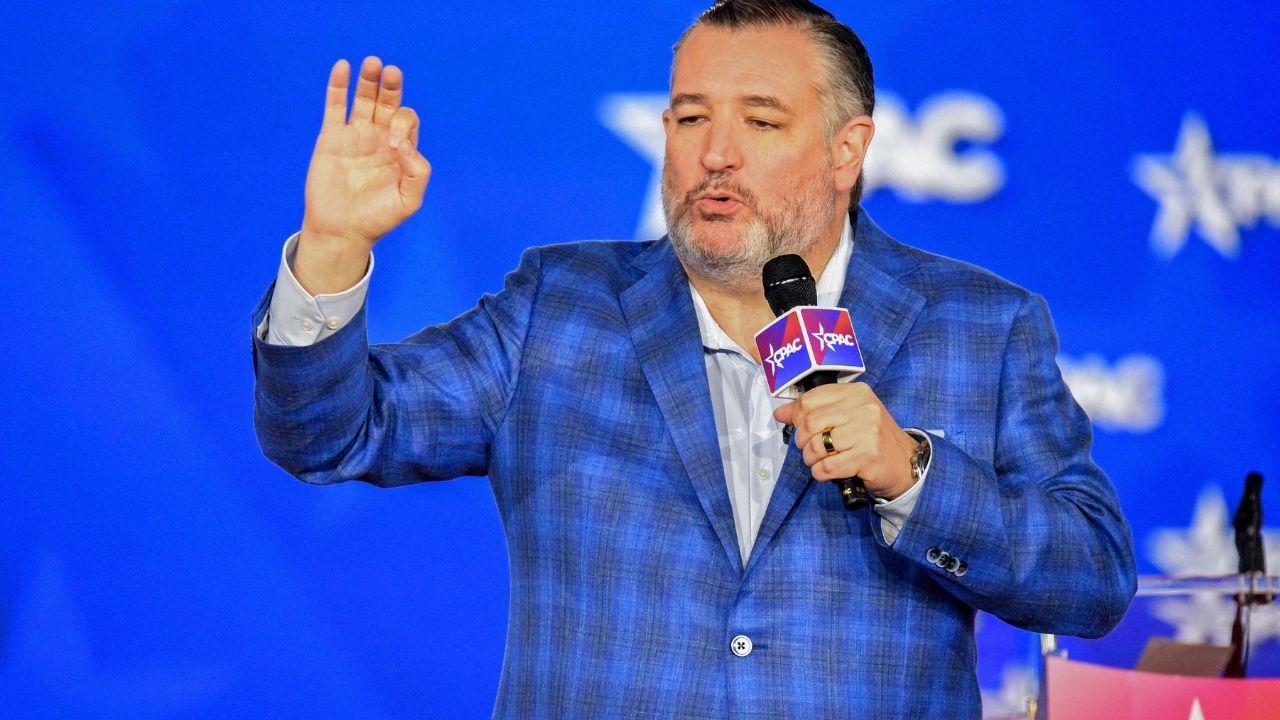
The latest Dolly Parton tribute post incident, though far less scandalous in content than the 2017 episode, proved to be just as embarrassing in its execution. The online mockery was immediate and bipartisan. Prominent political groups known for their opposition to Cruz, such as The Lincoln Project, joined in the widespread amusement, as did personalities from across the media landscape, including those associated with the Tucker Carlson Network. These reactions demonstrated how readily digital missteps can be weaponized or simply amplified for entertainment, regardless of political affiliation.
Senator Cruz’s Response and the Path Forward
Senator Cruz did not directly address the prank or the deletion of his initial Dolly Parton tribute post. Instead, he later returned to X with a more carefully curated tribute, advocating for September 25 to be officially designated "Dolly Parton Day." This subsequent post, free from any problematic retweets, served as a clear attempt to course-correct and reaffirm his respect for the late artist, focusing on her positive legacy rather than the preceding online kerfuffle.
The incident serves as a stark reminder of the volatile nature of online discourse and the unique challenges faced by public figures navigating the digital landscape. In an era where information travels instantaneously and the line between public and private personas often blurs, the simplest act of engagement can be fraught with unforeseen risks. For Senator Cruz, the episode adds another chapter to his public record of social media challenges, illustrating the constant need for vigilance and strategic communication in the age of viral content and online trolling. The passing of a beloved figure like Dolly Parton, intended as a moment of shared remembrance, inadvertently became another flashpoint in the unpredictable world of political digital engagement.