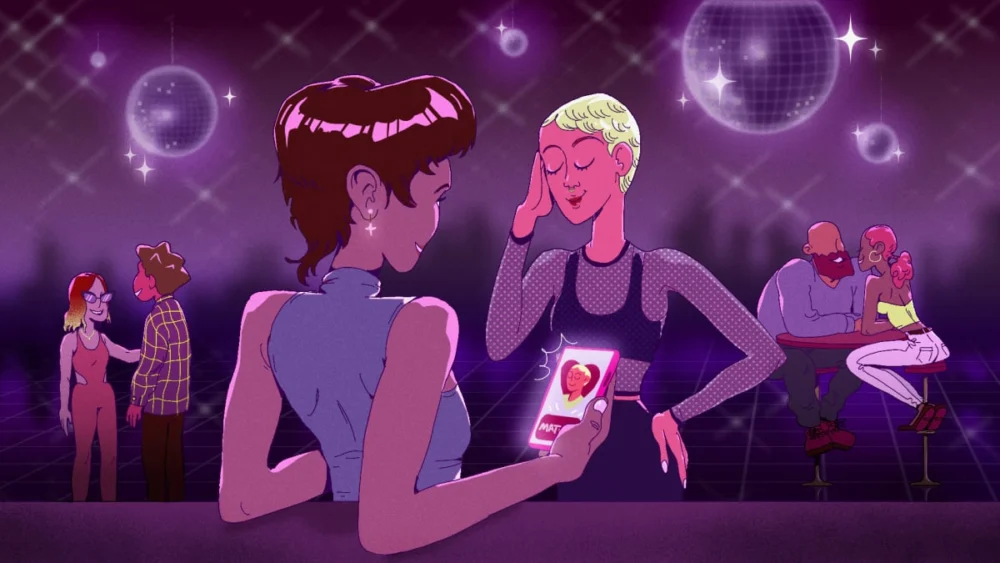
The digital dating landscape in 2026 is defined by a significant paradox: while more people than ever are utilizing mobile platforms to find partners, a growing sense of "app fatigue" has forced the industry to undergo a massive technological and philosophical shift. According to recent data from the 2025 SSRS Opinion Panel Omnibus, approximately 65 percent of adults aged 18 to 29 have used a dating app, yet user sentiment suggests a deep exhaustion with the traditional "swipe" mechanics that once dominated the market. To combat this burnout, the leading platforms have pivoted toward artificial intelligence, rigorous verification standards, and features designed to move users off their screens and into real-world environments more quickly.

The 11 best dating apps of 2026 reflect this evolution, prioritizing quality over quantity and intentionality over mindless browsing. Industry analysts note that the era of the "infinite scroll" is being replaced by curated experiences that utilize predictive modeling to reduce the time spent searching for compatible matches. As the market matures, the distinction between casual hookup platforms and long-term relationship tools has become more pronounced, allowing users to select services that align precisely with their personal goals.
Hinge Leads the 11 Best Dating Apps of 2026 Through Intentionality
Hinge has maintained its position as the premier choice for those seeking serious relationships, largely due to its "Designed to be Deleted" marketing philosophy, which has been backed by substantial feature updates in 2026. The platform has successfully integrated AI-driven tools like "Prompt Feedback" and "Convo Starters," which assist users in moving past generic introductions. By analyzing profile content, these tools suggest personalized icebreakers, effectively reducing the cognitive load that often leads to user burnout.

A key development for Hinge this year is the rollout of "Direct to Date," a feature designed to accelerate the transition from digital chatting to in-person meetings. This tool allows matched users to immediately share their availability and suggest local date ideas within the interface, bypassing the often-tedious "small talk" phase. Furthermore, Hinge has implemented "Face Check" facial recognition technology in major markets, including the United States, to combat the rise of AI-generated "catfish" profiles, ensuring that the person behind the screen matches their uploaded imagery.
Tinder and the Evolution of Casual Connection in 2026
Despite the shift toward serious dating, Tinder remains the most utilized platform globally, particularly for the 18-to-29 demographic. However, the app has undergone a significant transformation to address swipe fatigue. The introduction of "Chemistry," an AI-powered matching feature, represents a radical departure from the traditional Tinder experience. Instead of an endless feed, "Chemistry" serves users only one or two highly curated matches per day based on interactive quizzes and an optional analysis of the user’s camera roll patterns to identify shared hobbies and lifestyle traits.

While Tinder continues to be the default for casual connections and hookups, it has also introduced "Modes" to help users filter their intentions more effectively. Features like "Serious Dater" and "New Friends" allow individuals to navigate the massive user base with more precision. Despite these updates, the platform continues to face challenges regarding user trust, leading to the implementation of mandatory video selfie verifications for all new U.S. users as of late 2025.
Specialized Platforms and the Growth of the 11 Best Dating Apps of 2026
The diversification of the dating market has led to the rise of specialized apps that cater to specific identities and lifestyles. HER, the leading app for queer women and non-binary individuals, was recently acquired by the Match Group, a move that has sparked both optimism and concern within the LGBTQ+ community. Under new ownership, HER has expanded its user base to over 13 million members, maintaining its strict "no unicorn hunting" and "no chaser" policies to ensure a safe environment for its core demographic.

Similarly, Grindr remains the dominant force for gay men, though it has increasingly moved toward a "freemium" model. In 2026, Grindr began piloting "EDGE," an ultra-premium subscription tier that uses an AI stack known as "gAI" to provide users with daily recaps of missed connections and meaningful interactions. While the platform remains a primary tool for quick, geolocation-based encounters, the integration of "Map View" for its "Right Now" feature has further streamlined the process of finding immediate connections in local areas.
The Financial Landscape and Practicality in Modern Romance
Economic factors in 2026 have also influenced how people date. Data released by OkCupid as part of its "Love & Money" series indicates that financial stability has become a primary "green flag" for modern daters. Approximately 63 percent of users now consider transparency about finances to be essential, while 68 percent suggest that financial responsibility is more attractive than traditional generosity. This shift toward pragmatism is reflected in OkCupid’s matching algorithm, which continues to rely on extensive questionnaires to determine compatibility across political, social, and economic lines.

Coffee Meets Bagel has also leaned into this trend by targeting young professionals who value efficiency. In early 2026, the app launched a partnership with cultural organizations to promote "cultural dates"—such as museum visits and workshops—as a higher-quality alternative to traditional dinner dates. The platform’s leadership has noted that Gen Z users are increasingly looking for ambitious partners who can help navigate the high cost of living, with 54 percent of users ranking financial security as a top priority during the sign-up process.
Safety Standards and Verification in the 11 Best Dating Apps of 2026
Safety has become a non-negotiable standard for the 11 best dating apps of 2026. The industry has moved toward proactive moderation, utilizing machine learning to scan for harmful language and "Safe Message Filters" to blur unsolicited explicit imagery. Bumble, which recently underwent a global rebrand titled "For the Love of Love," has remained a leader in this space. Its "Private Detector" AI automatically detects and blurs lewd photos, giving the recipient the choice to view or report the content.

Verification has also become more rigorous across the board. Match and eharmony, which cater to a more mature demographic (30s to 60s), have implemented multi-step ID verification processes. eharmony, often cited as the most successful app for marriage-minded singles, continues to use a 15-year-old "Trust & Safety" model that combines automated tools with human review. This high barrier to entry—including a lengthy personality test and a significant subscription fee—acts as a natural filter, attracting users who are genuinely committed to finding a life partner.
The Anonymous and Adventurous Side of Digital Dating
For users who find mainstream platforms too restrictive, apps like Pure offer a starkly different experience. Pure has gained popularity in 2026 as the "best anonymous dating app," utilizing self-destructing chats and a total lack of traditional profile requirements like names or social media links. After testing the platform’s 24-hour chat window and screenshot-blocking technology, market analysts have noted that it provides a unique space for unfiltered, bold conversations that mainstream apps often discourage.

The success of Pure, alongside the persistence of AdultFriendFinder for casual connections, demonstrates that the 11 best dating apps of 2026 must cater to the full spectrum of human desire. Whether users are looking for a lifelong marriage on eharmony or a fleeting, anonymous encounter on Pure, the common thread in 2026 is the demand for platforms that respect user time and provide a clear path to the desired outcome.
Industry Outlook and the Future of Connection
As the year progresses, the dating app industry is expected to continue its consolidation and technological refinement. The acquisition of niche platforms by conglomerates like Match Group suggests a future where a few major players control a wide portfolio of specialized services. However, the persistent threat of app fatigue means these companies must constantly innovate to keep users engaged without causing burnout.

The 11 best dating apps of 2026 have proven that the key to survival in a saturated market is not just more matches, but better ones. By prioritizing safety, verification, and AI-assisted intentionality, these platforms are attempting to restore trust in digital romance. As one in five young people now meets their significant other through an online platform, the impact of these apps on modern social fabric remains profound, shaping the way a new generation defines intimacy, compatibility, and commitment in an increasingly digital world.