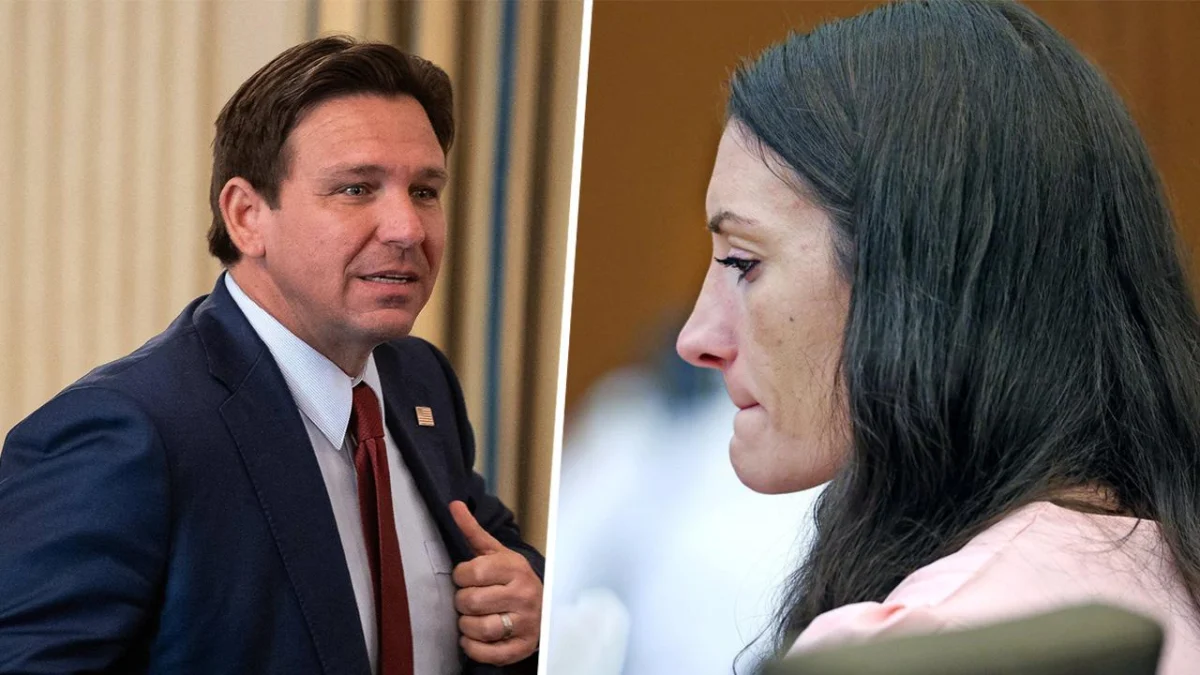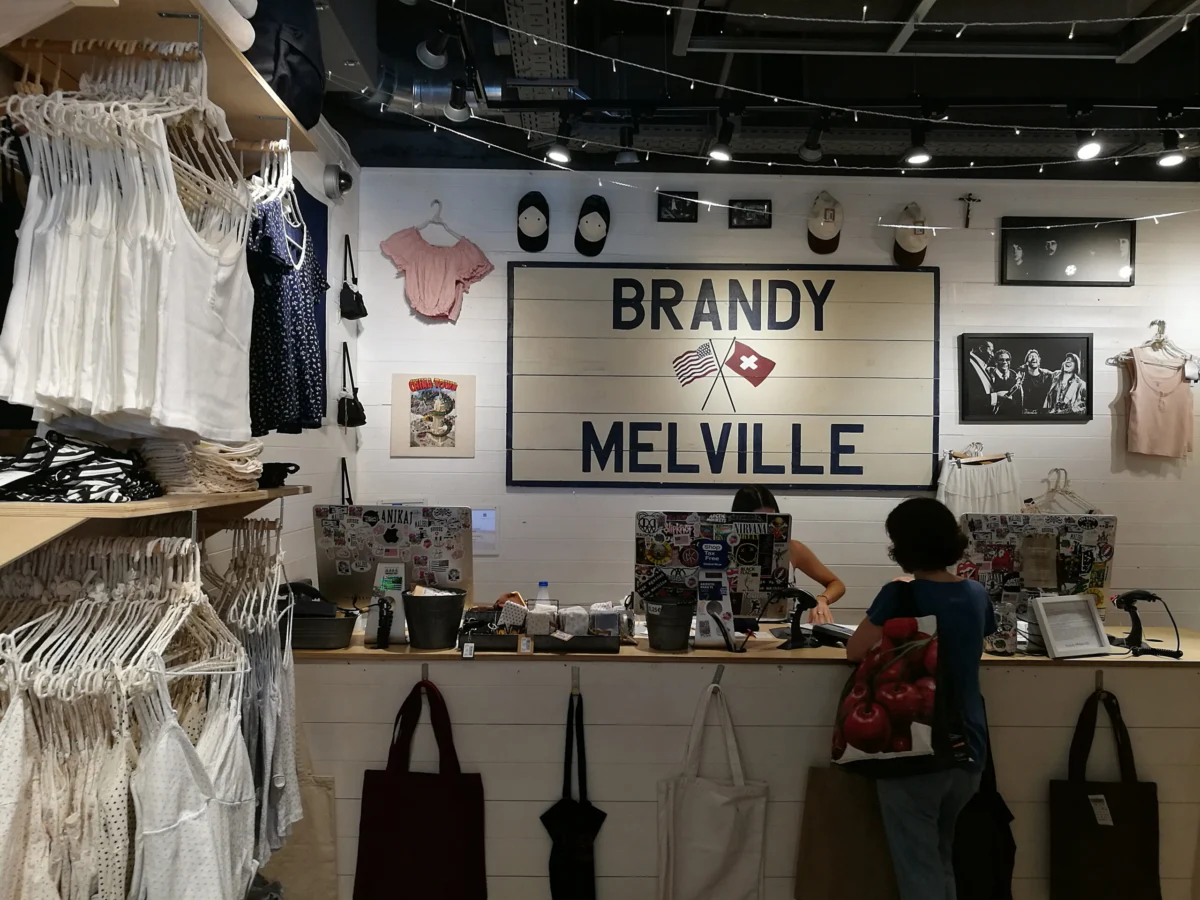
Allegra Pinkowitz, a prominent TikTok influencer and employee at Brandy Melville’s flagship SoHo store, was recently terminated from her position, highlighting the intensifying affordability squeeze impacting retail and the burgeoning creator economy. The unexpected layoff of Pinkowitz, known for attracting crowds of fans to the controversial fast-fashion retailer, has ignited discussions among Gen Z, exposing the precarity of youth employment even for those with significant social media influence.
The Rise of a Retail Influencer
Pinkowitz, a high school junior, had cultivated a unique online persona that seamlessly blended her everyday retail job with her burgeoning TikTok career. With a following exceeding 162,000, she became a recognizable figure within the Gen Z fashion landscape. Her fame grew to such an extent that a New York magazine article last year dubbed her "The Most Popular Girl in SoHo is a Brandy Melville Employee," detailing how throngs of young admirers would gather at the lower Broadway store during her weekend or after-school shifts, hoping to catch a glimpse of her folding clothes or interacting with customers. This phenomenon underscored a new intersection of the creator economy and traditional part-time employment, where an individual’s personal brand could directly drive foot traffic and buzz for their employer. For nearly two and a half years, Pinkowitz served as an unofficial, yet highly effective, brand ambassador for Brandy Melville, consistently portraying the retailer in a positive light to her substantial audience.
An Abrupt End to Employment
The news of Pinkowitz’s termination arrived abruptly via a phone call from a male manager on a Thursday. According to Pinkowitz, she was preparing to shower when a text message prompted her to call. During the conversation, she was informed that the company was instituting layoffs due to lower-than-expected summer sales. The manager reportedly stated, "We didn’t make as much money as we were hoping to this summer, so we’re laying off a bunch of people." He offered a slim possibility of future re-employment, noting, "I’ll hold on to your contact, and if anything comes up in the fall, maybe you can come back." Pinkowitz characterized the dismissal as "extremely unexpected," particularly given her tenure and dedicated service to the brand.
Almost immediately following the call, Pinkowitz took to TikTok to share the news with her followers. After an initial announcement clip set to rapper ASN JAYBOOG’s "Stanley Earl," she returned hours later to elaborate on the circumstances. During a series of video cuts filmed while she performed her beauty ritual, Pinkowitz expressed her profound disappointment. "This was so unexpected. You guys don’t understand — I’ve been working there for almost two and a half years," she explained, holding back tears. She emphasized that her firing was not attributed to her work ethic, but rather to broader economic pressures cited by the company. The sting, she noted, was particularly sharp because she had consistently promoted the brand positively online, stating, "It stings more because I’ve always talked really positively about this brand online." Despite her distress, she reassured her audience that she harbored no ill will towards Brandy Melville, but admitted, "I’m so sad. I expected a little bit more loyalty, but now I’m in the market for a new job."
The Paradox of Sales and Layoffs Amidst the Affordability Squeeze
The stated reason for Pinkowitz’s layoff—lagging summer sales—has raised questions among observers familiar with the bustling scenes at the SoHo location. It is difficult to reconcile the image of a "mobbed SoHo location with lines out the door," often attributed to Pinkowitz’s presence, with a narrative of financial underperformance. Many found it challenging to imagine that the scores of young customers drawn to the store by her TikTok fame would leave without making purchases. This apparent contradiction underscores a potential disconnect between brand visibility, foot traffic, and actual sales conversion, or perhaps points to a more complex financial strategy at play within the company.
Despite the recent layoffs, Brandy Melville has historically reported robust financial health. In 2025, the brand’s annual sales were projected to reach $283 million, with consistent year-over-year growth ranging from 10 to 15 percent. Retail analysts have frequently highlighted Brandy Melville’s business model as unusually profitable, largely owing to its "one-size-fits-most" apparel strategy and its highly effective, social-media-driven marketing. This financial strength suggests that while an affordability squeeze might be impacting consumer spending more broadly, the company’s decision to lay off staff could also reflect strategic cost-cutting measures, a shift in labor allocation, or a proactive response to anticipated market shifts, rather than an immediate crisis.
The economic climate, often dubbed a "vibecession" due to a pervasive sense of financial unease despite some positive economic indicators, undoubtedly contributes to retail volatility. Consumers, particularly younger demographics, are navigating inflation, rising costs of living, and an uncertain job market. While fast fashion typically offers lower price points, even these segments can experience reduced discretionary spending as consumers prioritize essential goods and services. Pinkowitz’s experience serves as a stark reminder that even a celebrated public persona cannot fully insulate individuals from corporate economic decisions driven by the prevailing affordability squeeze.
Brandy Melville’s Controversial Legacy and Public Image
Brandy Melville’s reputation has long been shadowed by controversy, which Pinkowitz’s departure now brings back into sharper focus. The brand, founded in Italy and now primarily based in the U.S., is known for its distinct aesthetic of bleached wood, muted tones, and simple graphic T-shirts. However, its "one-size-fits-all" approach, which effectively meant "one-size-fits-small," has been a consistent point of criticism, fostering body dysmorphia among its young target demographic. The company eventually altered this to the somewhat tone-deaf "one-size-fits-most."
Beyond sizing, the brand has faced accusations of discriminatory hiring practices, reportedly favoring conventionally attractive, mostly blonde, and thin staff members. These allegations gained significant traction following an investigative Business Insider story, which was later adapted into the 2024 HBO Max documentary, Brandy Hellville & the Cult of Fast Fashion. Pinkowitz herself appeared in the film, which featured former staffers discussing the pressures and body image issues they experienced while working for Brandy Melville and attempting to conform to its specific aesthetic. The timing of Pinkowitz’s layoff, particularly given her public association with the brand and her appearance in a critical documentary, adds another layer of scrutiny to Brandy Melville’s corporate practices and its relationship with its workforce, particularly its young, often impressionable, employees.
The Broader Implications for Youth Employment and the Creator Economy
Pinkowitz’s story resonates deeply with Gen Z, a demographic increasingly fluent in both digital content creation and the realities of precarious employment. Her experience underscores the inherent vulnerability of part-time retail jobs, even when an employee’s personal brand significantly benefits the employer. For many young people aspiring to careers in the creator economy, Pinkowitz’s journey highlights the double-edged sword of blending personal influence with traditional work. While her TikTok fame brought unique opportunities and attention, it ultimately did not guarantee job security or a greater degree of corporate loyalty when economic pressures, or other strategic considerations, came into play.
The incident sparks broader conversations about the evolving landscape of work for young individuals. Many Gen Z workers find themselves in hybrid roles, leveraging social media skills in traditional jobs, yet often without the protections or benefits afforded to full-time employees. The expectation of "loyalty" expressed by Pinkowitz reflects a common sentiment among young workers who invest personal time and effort into their roles, only to confront the stark realities of corporate decisions driven by market forces or financial targets. This event serves as a potent case study on the shifting power dynamics between large corporations and their youthful workforce, especially those who also function as influencers.
Navigating the Future: Reactions and Next Steps
For Allegra Pinkowitz, the immediate consequence is the need to find a new job. Her public announcement on TikTok, while emotional, was also a practical declaration of her job search, potentially opening doors to new opportunities with brands eager to capitalize on her established online presence and loyal following. Her story may encourage other companies to rethink how they engage with and value employees who also act as influential brand advocates.
For Brandy Melville, the incident, alongside its existing controversies and the Brandy Hellville documentary, contributes to an ongoing narrative of a brand struggling to reconcile its commercial success with its ethical image. While the company has not publicly commented on Pinkowitz’s termination, the widespread discussion among her followers and beyond will undoubtedly add to the scrutiny of fast fashion’s labor practices and corporate responsibility.
The departure of a central figure like Pinkowitz from the SoHo scene marks a symbolic shift. It underscores how the affordability squeeze and evolving economic realities continue to reshape not only consumer behavior but also the very nature of employment for a generation that fluidly navigates between online fame and traditional work. As Pinkowitz seeks her next opportunity, her experience remains a poignant illustration of the complex interplay between personal brand, corporate interests, and the challenging economic environment facing young workers today.