Journalist Michael Wolff has unveiled a series of deeply personal and fawning letters written by White House aide Natalie Harp to President Donald Trump, exposing an intense level of devotion that has reportedly raised alarms among West Wing staff and the Secret Service. The correspondence, characterized by Wolff as "heartsick" and "wholly inappropriate," details an unusual dynamic within Trump’s inner circle.
These handwritten notes, penned in Sharpie, were reportedly discovered by staff members in Trump’s private spaces and later compiled by Wolff for his 2024 book, All or Nothing. Wolff subsequently published the complete collection of these missives on his "Howl" Substack, bringing them to broader public attention. The content of these letters paints a picture of unwavering loyalty and personal attachment, challenging conventional professional boundaries within a government setting.
The Unveiling of Intimate Correspondence
The leaked documents reveal Harp referring to Trump as her "guardian" and "protector," phrases that signify a profound personal bond rather than a typical professional relationship. Wolff described the letters as "truly, madly, deeply intimate," highlighting the emotional intensity embedded in the communications. This intimate tone, coupled with their discovery in private areas, quickly fueled concerns about the nature of Harp’s role and influence.
One particularly revealing excerpt from the letters captures Harp’s profound commitment: "You are all that matters to me. I don’t want to ever let you down. Thank you for being my Guardian and Protector in this life." Such declarations transcend the expected decorum of a presidential aide, pointing to a relationship rooted in personal fealty.

Aides’ Alarming Devotion and Apologies
The communications also contained apologies from Harp, notably after a transportation incident during a trip to Trump’s golf course in Scotland. In one letter, she expressed remorse for "embarrassing" behavior, admitting to being "distracted all week, forgetting to eat throughout the days and even forgetting to sleep." This level of personal disclosure and self-reproach suggests a significant emotional investment in her standing with the former president.
Further illustrating the depth of her sentiment, Harp confessed in writing to envying other women "whose only job seems to be to talk with you and look pretty. I want that job!!" This statement, openly expressing a desire for a more intimate or preferential role, underscores the unique nature of her aspirations within Trump’s orbit. The letters also contained acknowledgements of Trump’s perceived authority over her, with Harp noting he had the "absolute right to cuss me out, if need be, when I deserve it, because no one knows or cares about me more."
Natalie Harp’s Path to Presidential Service
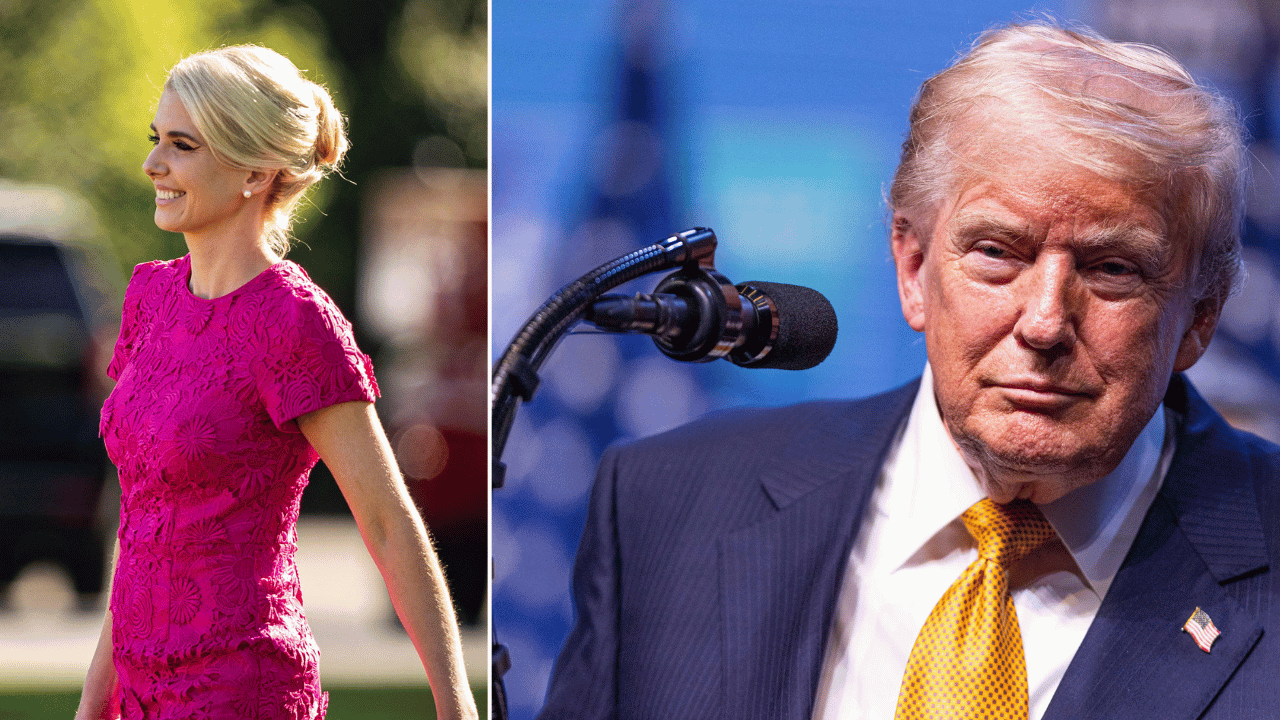
Harp, a 35-year-old former anchor for One America News (OAN), first forged a connection with Donald Trump in 2019 under highly personal circumstances. She publicly credited his "Right to Try" legislation with saving her life during her battle with stage 2 bone cancer, a testament she shared directly with the then-president. This personal advocacy appears to have been a pivotal factor in her subsequent employment.
Following this initial connection, Harp joined Trump’s staff, assuming the roles of special assistant and executive assistant. Her positions came with a taxpayer-funded salary of $150,000, reflecting a significant role within the presidential apparatus. Her journey from OAN personality and healthcare advocate to a key White House aide highlights an unconventional path to political influence.

The "Human Printer" and Unwavering Loyalty
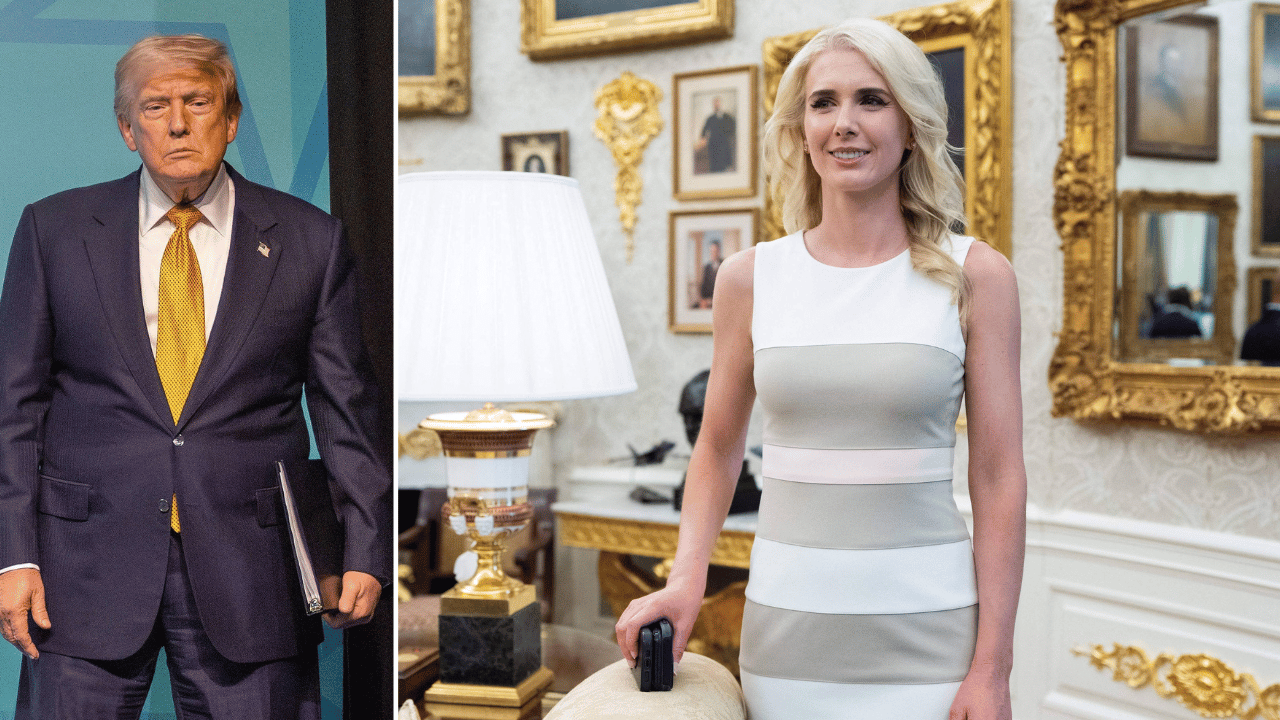
Within the confines of Trump’s operations, Harp earned the distinctive nickname "human printer." This moniker arose from her consistent practice of shadowing Trump, often equipped with a portable printer and battery pack. Her task was to provide him with a steady stream of positive right-wing news headlines and printouts of his social media feeds, ensuring he remained immersed in favorable narratives. This role cemented her image as an indispensable source of validation and information.
Reports indicate that Trump highly valued Harp’s absolute devotion, particularly amidst perceptions of increasing isolation during his post-presidency. He reportedly once told staff that Harp was the only person who loved him as much as his own wife and children. This anecdote underscores the profound trust and reliance Trump placed in her, elevating her status beyond that of a typical administrative aide.
Concerns Over Influence and Access
The emergence of these heartsick love letters coincides with heightened scrutiny over Harp’s immense gatekeeping power within Trump’s sphere. She is reportedly a primary conduit to the former president, managing his social media accounts and even relaying messages from foreign leaders. Such responsibilities grant her significant influence over who gains access to Trump and what information reaches him, raising questions about accountability and transparency.
Her control over these critical communication channels and her proximity to the former president have fueled concerns among observers and former colleagues. The ability to filter information and manage access to a high-profile political figure like Trump carries substantial implications for political strategy, public messaging, and even international relations.
Security Clearance Breach Raises Red Flags
Further compounding the concerns, revelations surfaced that Harp worked inside the White House for over a year without a formal security clearance. This serious lapse in administrative protocol occurred because she repeatedly declined to complete the required background paperwork, a standard procedure for individuals holding sensitive positions within the government.
The absence of a security clearance for an aide with such close access and gatekeeping responsibilities poses significant national security risks. Without proper vetting, individuals could potentially be vulnerable to foreign influence or inadvertently compromise classified information, undermining the integrity of government operations. This issue has been a recurring point of contention and concern in various administrations.
Official Responses and Public Discourse
In response to the leaks and mounting scrutiny, the White House fiercely defended Natalie Harp. Spokesperson Davis Ingle dismissed the letters as a "Fake News" distraction, asserting that Harp is "one of the most loyal and hardest-working aides on President Trump’s team." This defense sought to downplay the significance of the revelations and reinforce the narrative of Harp’s dedication to Trump.
The heartsick love letters also quickly became a topic of discussion in media circles. On Friday, August 21, Morning Joe co-host Willie Geist notably commented on the unusual nature of the correspondence, stating, "The letters written to the married president would make Jane Austen blush." This remark highlighted the perceived romantic undertones and the departure from conventional professional conduct.
Broader Implications for Presidential Staffing and Ethics
The episode surrounding Natalie Harp’s letters and her role underscores broader implications for presidential staffing and ethical conduct within high-level government positions. The blurring of professional boundaries with intense personal devotion can raise questions about objectivity, undue influence, and the potential for staff members to prioritize personal allegiance over institutional responsibilities.
Standard administrative protocols, such as security clearances, are designed to safeguard national interests and ensure that individuals in positions of power are properly vetted and accountable. When these protocols are bypassed or disregarded, it can erode public trust and create vulnerabilities within the governmental structure, impacting governance and decision-making.
The Landscape of Political Loyalty in Modern Politics
The dynamics revealed by these heartsick love letters also offer a glimpse into the landscape of political loyalty, particularly within the orbit of Donald Trump. Trump has historically favored aides who demonstrate absolute fealty, often valuing personal devotion over traditional political experience or independent counsel. This preference can foster an environment where intense personal loyalty becomes a key currency for access and influence.
This incident reignites discussions about the psychological and political dimensions of power relationships in Washington, where ambition, loyalty, and personal connection can intertwine in complex and often controversial ways. It also prompts reflection on the evolving expectations of professionalism and transparency in an era of heightened media scrutiny and political polarization.
Ongoing Scrutiny and Future Outlook
The revelations are likely to ensure continued scrutiny of Natalie Harp’s role and her unique relationship with Donald Trump. As political campaigns and post-presidency operations remain under intense public and media observation, the boundaries of professional conduct for political aides will undoubtedly remain a focal point. The incident serves as a stark reminder of the often-unseen dynamics that shape the inner workings of political power and the ongoing challenges of maintaining strict ethical and professional standards in high-stakes environments.