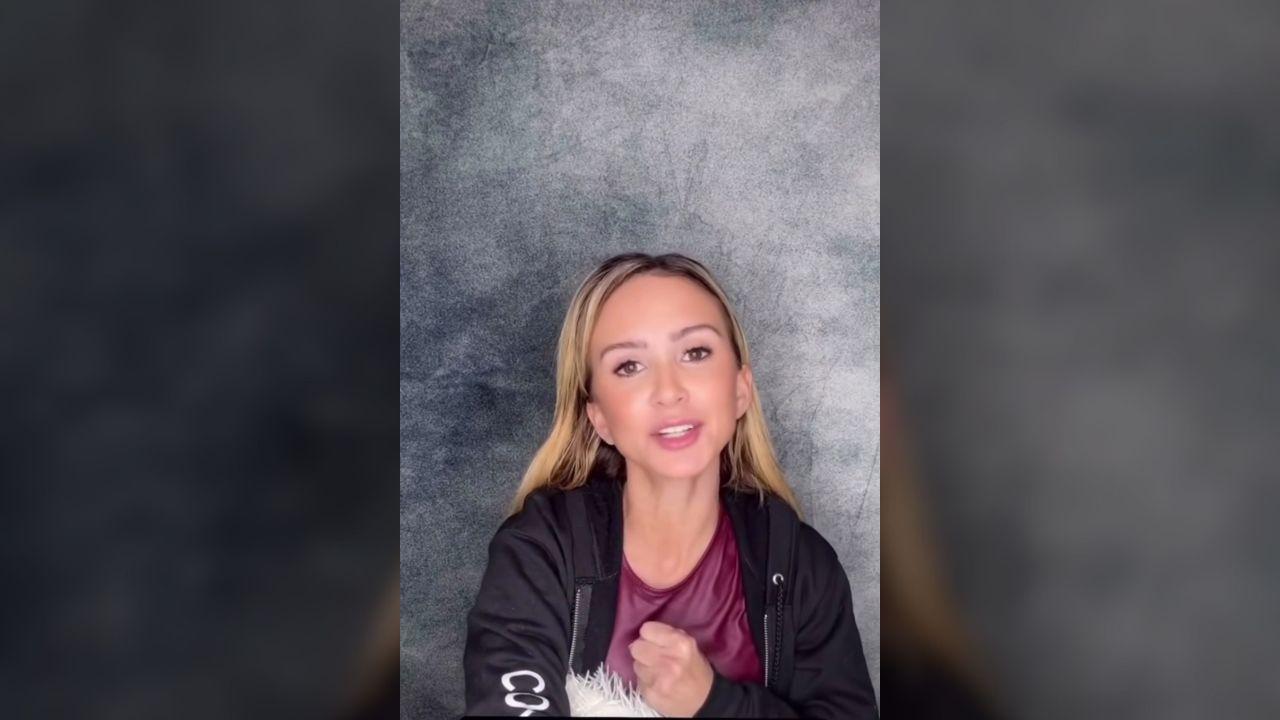
Actress Shira Scott Astrof, known for her role in ‘The Office’, has voiced profound terror and outrage over the potential early release of her alleged Tinder attacker, Matthew Werner, a convicted serial sexual offender who could walk free as early as October after serving less than a year of his four-year prison sentence. Astrof’s vehement criticism highlights what she perceives as a fundamental failure of the judicial system, telling the New York Post in a recent interview, "It’s like a never-ending battle, and it shouldn’t be this hard. There’s no justice system here. We have to be our own advocate." Her remarks underscore a growing frustration among victims who feel abandoned by the very institutions meant to protect them.
The Shadow of Online Deception: Astrof’s Ordeal
The harrowing encounter that has led Astrof to become a vocal advocate for victims’ rights began in 2015, rooted in the seemingly innocuous world of online dating. Astrof connected with Matthew Werner through Tinder, a platform he allegedly exploited to "catfish" and lure multiple unsuspecting women. Werner reportedly presented himself under the false identity of "Sebastian Larsson," claiming to be a Swedish footballer – a deceptive tactic designed to build trust and disarm his targets.

Astrof recounted how, on the day they were scheduled to meet, she informed Werner she was feeling unwell. In a seemingly considerate gesture, Werner offered to bring soup to her apartment, an offer she accepted. However, the initial facade of kindness quickly dissolved. Astrof described Werner’s behavior becoming erratic shortly after his arrival. He brazenly produced cocaine, snorting a line directly in front of her, signaling a rapid and alarming shift in the situation. What followed was a brutal assault: Werner attacked Astrof from behind, choking her and dislocating her shoulder before callously leaving her injured on the floor and exiting her apartment. The actress promptly reported the incident to authorities and sought medical attention at a hospital for her injuries. Recalling the traumatic event, Astrof labeled Werner a "coward" for his method of attack and chillingly asserted that "He has no soul."
A Protracted Battle for Justice and the Search for Other Victims
In the immediate aftermath of her assault, Astrof faced significant hurdles within the criminal justice system. She was reportedly informed by authorities that her individual case, while deeply disturbing, might not be robust enough to secure a conviction on its own. Prosecutors allegedly suggested that a stronger case would require additional victims to come forward and share their stories. This demand placed an immense burden on Astrof, forcing her into a role typically reserved for law enforcement: actively seeking out and encouraging other survivors of the same perpetrator.
Undeterred by these initial setbacks, Astrof embarked on a relentless quest for justice, effectively becoming "the detective on [her] own case." Her persistence proved crucial. Over the subsequent years, investigators managed to connect Matthew Werner to at least half a dozen sexual assault crimes spanning across Los Angeles County. This pattern of behavior confirmed Werner as a serial sexual offender, his predatory actions extending far beyond Astrof’s individual experience. The culmination of these efforts led to his arrest in 2023 in Las Vegas, bringing a temporary sense of relief and hope that Werner would finally be held accountable for his extensive trail of alleged crimes.

The Plea Bargain and Probation’s Troubling Failure
Despite the accumulation of evidence and the identification of multiple victims, Werner’s case never proceeded to a full trial. Instead, in 2023, he was offered and accepted a plea deal. Under the terms of this agreement, Werner admitted guilt to one count of felony assault and one misdemeanor count of sexual battery. A mandatory component of his plea was the requirement to register as a sex offender, a measure designed to monitor individuals convicted of sexual offenses and protect communities.
Initially, the Los Angeles District Attorney’s Office opted for a sentence of probation for Werner’s offenses. This decision, in retrospect, has drawn sharp criticism, particularly given the severity and serial nature of his alleged crimes. The rationale behind granting probation to a confessed serial sexual offender remains a point of contention for victims and public safety advocates. The leniency of this initial sentencing decision soon proved to be tragically misplaced. Werner repeatedly violated the terms of his probation, demonstrating a clear disregard for legal mandates and a continued propensity for dangerous behavior. Notably, these violations included his continued use of fake aliases to communicate with women online, mirroring the "catfishing" tactics he employed in his previous drug-fueled crimes. These persistent breaches of trust and safety compelled authorities to revoke his probation. Consequently, in February of the current year (2026), Matthew Werner was finally sentenced to four years behind bars.
The Alarming Prospect of Early Release for the Tinder Attacker
The recent discovery of Matthew Werner’s eligibility for early parole has reignited Astrof’s fears and intensified her criticism of the judicial system. During one of her routine online checks of his prison status, Astrof learned the shocking news: Werner could be released as early as October, meaning he would serve a mere nine months of his four-year sentence. This exceptionally short period of incarceration for a convicted serial sexual offender has sent shockwaves through the victim community and raised serious questions about the efficacy of sentencing and rehabilitation programs.

Adding to the alarm, Astrof reported that even the two primary detectives assigned to her case were unaware of Werner’s imminent parole eligibility. This disconnect suggests potential systemic issues within the correctional and judicial information-sharing mechanisms, leaving victims and even law enforcement in the dark about critical developments. For Astrof, the prospect of Werner’s release is not merely a legal abstract; it is a direct threat to her personal safety. "I’m a sitting target," she stated, expressing her deep-seated fear. "He knows everything about me; he knows where I live. He won’t stop; we already know that. He’s already violated every single part of his probation." Her profound vulnerability underscores the lasting trauma experienced by victims and the critical importance of ensuring that dangerous individuals remain off the streets.
Broader Implications: A Flawed System and the Burden on Victims
Astrof’s searing indictment, "There’s no justice system here. We have to be our own advocate," resonates deeply with many survivors of sexual assault and other violent crimes. Her experience highlights the significant challenges victims often face when navigating the complexities of the criminal justice system. From the initial struggle to have their cases taken seriously to the protracted legal battles and the emotional toll of constant vigilance, the burden frequently falls disproportionately on the victims themselves. This sentiment fuels a broader public discourse about the effectiveness of current judicial processes in delivering justice and ensuring public safety, especially in cases involving serial offenders and probation violations.
The case of Matthew Werner also brings into sharp focus the ongoing debate surrounding sentencing guidelines, early release mechanisms, and the balance between prisoner rehabilitation and community protection. Critics argue that short prison terms for violent, recidivist offenders undermine the principles of justice and public trust. When individuals like Werner, who demonstrate a clear pattern of non-compliance and continued predatory behavior, are released prematurely, it raises fundamental questions about the system’s ability to protect vulnerable populations and deter future crimes. This situation further underscores the critical role of victim advocacy groups and individuals like Shira Scott Astrof in shining a light on these systemic flaws and pushing for meaningful reforms.
Public Safety and the Lingering Threat of the Tinder Attacker
The potential early release of Matthew Werner carries significant implications for public safety, particularly given his documented history of deception, violence, and repeated probation violations. His continued attempts to contact women online using fake identities, even while under judicial supervision, illustrate a clear and present danger. This pattern suggests a lack of remorse and a high likelihood of re-offending, casting a long shadow over the safety of online dating platforms and the general community.
The case serves as a stark reminder of the vulnerabilities inherent in digital interactions and the need for heightened awareness and vigilance. It also prompts a critical examination of how effectively law enforcement and correctional facilities communicate and manage high-risk individuals. The fact that detectives involved in the case were unaware of Werner’s parole eligibility highlights potential systemic gaps that could inadvertently jeopardize public safety. The media’s attention to cases like Astrof’s is crucial in elevating these concerns, fostering public discourse, and potentially influencing policy changes to better protect citizens from predatory individuals who exploit online platforms.
A Desperate Plea for Other Victims to Emerge
With legal avenues seemingly exhausted and the specter of Matthew Werner’s early release looming, Shira Scott Astrof has pivoted her advocacy to a desperate, urgent plea directed at other alleged victims of Werner. She believes that additional testimony from other survivors could be the decisive factor in preventing his early release or ensuring stricter, more permanent incarceration. Astrof’s message to these potential victims is clear and compelling: "He’s already been convicted of raping someone. I’ve already done the legwork. You just have to come forward."

Her words are an impassioned call to action, emphasizing that the most challenging groundwork — the investigation, the identification of the perpetrator, and his initial conviction — has already been laid. What is needed now, she argues, is the collective strength of additional voices to reinforce the danger Werner poses. "I just need one of them," she pleaded, "just one to come forward and keep him there." Astrof’s courageous stand, despite her own terror, underscores the profound responsibility she feels towards other potential victims and her unwavering commitment to achieving a measure of justice and safety that the current system, in her view, has failed to deliver. The coming months will be critical, as the fate of Matthew Werner and the peace of mind for Shira Scott Astrof, and potentially many other women, hang in the balance.