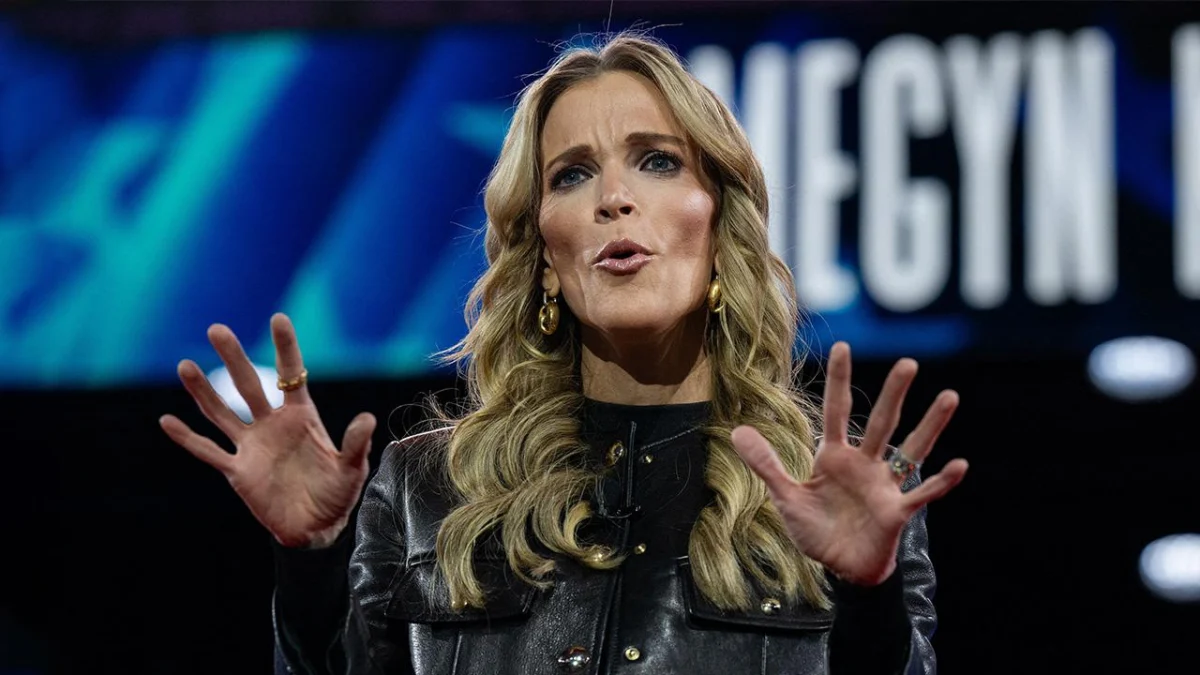
Podcaster Megyn Kelly recently ignited a debate on her show, asserting that female Democratic politicians often exhibit "anger issues" and speculating on the underlying causes for such temperament, specifically referencing a new investigative report on Alaska Democratic Senate candidate Mary Peltola. Kelly’s commentary, made during a discussion with journalist Glenn Greenwald, suggested a controversial personal theory for what she perceived as a recurring pattern among liberal women in politics. Her remarks quickly drew attention, further solidifying her pivot to a more partisan and provocative style of political commentary.
Megyn Kelly’s Provocative Commentary on Political Temperament
During a recent episode of "The Megyn Kelly Show," the conservative media personality engaged in a pointed analysis of the temperament of certain female figures within the Democratic Party. Kelly’s central argument posited that an observable pattern of "anger management problems" exists among these politicians. She explicitly stated her theory, suggesting that they "need to get some" to achieve a happier disposition, a remark that quickly became a focal point of online discussion and criticism. This broad generalization was immediately linked to a specific instance: a New York Times report detailing alleged misconduct by Mary Peltola, the incumbent Democratic U.S. Representative for Alaska’s at-large congressional district. Kelly also cited former California Representative Katie Porter as another example fitting her theory, recalling past controversies surrounding Porter’s treatment of staff.
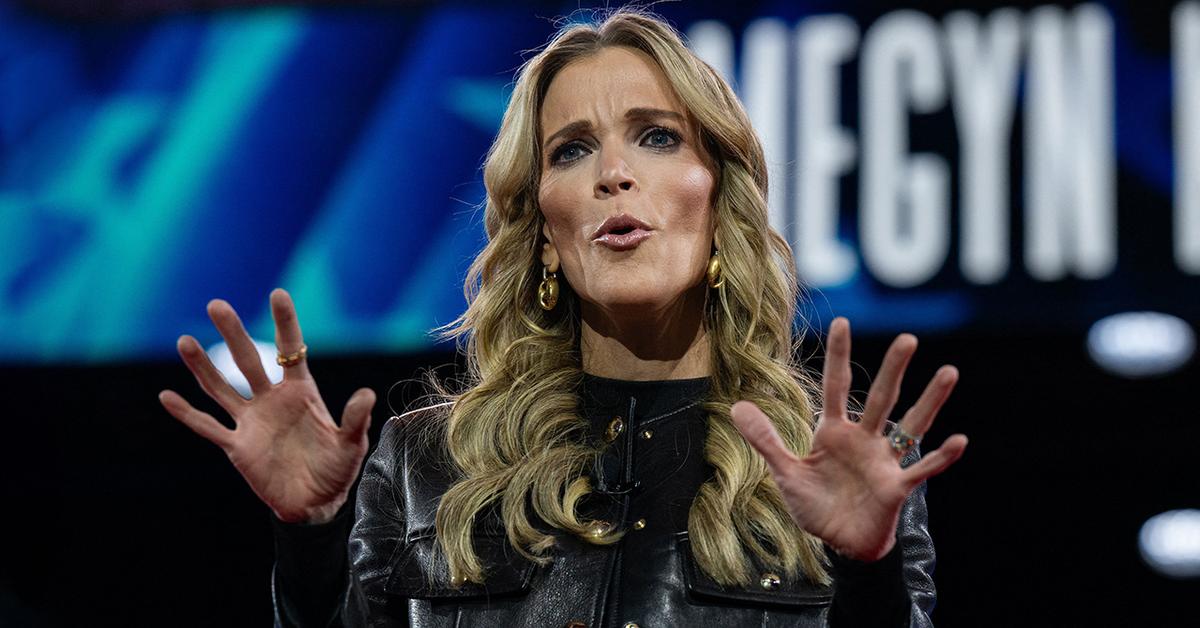
Kelly’s commentary is part of a broader shift in her public persona and journalistic approach since her departure from mainstream news networks. Once a prominent anchor known for her sharp interviewing style, she has increasingly embraced a role as a firebrand conservative pundit. This evolution has not gone unnoticed by media critics. Journalist Kara Swisher, for instance, has characterized Kelly’s podcast content as "terrible and angry, really angry, at especially women." Similarly, Nicolle Wallace, an MSNBC host and self-described "non-practicing Republican," has publicly described Kelly’s media pivot toward highly partisan commentary as a "confounding choice," particularly when contrasted with her earlier career as a respected network news journalist. This context frames Kelly’s recent remarks as consistent with her current trajectory in the polarized media landscape.
Allegations Against Mary Peltola: A Deeper Dive into Staff Misconduct
The catalyst for Kelly’s commentary was a New York Times exposé published on September 23, 2026, which cast a shadow over Mary Peltola’s bid for re-election to the U.S. Senate. The comprehensive report, based on interviews with former campaign and congressional aides who spoke anonymously, detailed a series of allegations painting a picture of a demanding and at times volatile work environment. These former staffers claimed Peltola exhibited a history of sudden, angry outbursts, creating a tense atmosphere for those working under her.
Among the most serious accusations were claims that Peltola used offensive language in private messages, including derogatory slurs aimed at gay individuals and people with intellectual disabilities. Such language, if proven, would represent a significant breach of expected conduct for a public official and could severely damage her standing with key voter demographics. Furthermore, one former aide specifically accused Peltola of physically pushing a male employee in the chest during an outburst, allegedly triggered by her inability to locate a meeting memorandum. Beyond these direct confrontations, the report also detailed unusual demands, such as requiring staff to feed live crickets to her family’s pet chameleon, affectionately named "Meatball." These details collectively contributed to a narrative of a leader with significant temperament issues and questionable staff management practices.

Peltola’s Campaign Responds Amidst Tight Senate Race
In the wake of the New York Times article, Mary Peltola’s campaign quickly moved to address the damaging allegations. A campaign spokesperson issued a statement pushing back against the report’s characterizations, asserting that the accounts from former aides exaggerated incidents from a particularly stressful period three years prior. According to the campaign, Peltola was coping with significant family deaths during that time, implying that her alleged behavior was an anomaly driven by personal grief rather than an inherent temperament issue. This defense sought to contextualize the accusations and mitigate their potential impact on her public image.
Adding another layer of complexity to the unfolding narrative, Republican Senator Lisa Murkowski publicly came to Peltola’s defense after the article’s publication. Murkowski’s unexpected support for her Democratic colleague, despite their differing party affiliations, offered a measure of bipartisan validation for Peltola, potentially softening the blow of the allegations. The timing of this exposé is particularly critical for Peltola, as she is currently locked in a highly competitive Senate race against incumbent Republican Senator Dan Sullivan. Polls suggest Peltola maintains only a slight lead or a narrow edge, making any negative publicity, especially concerning personal conduct, a significant threat to her electoral prospects. The campaign’s efforts to manage the fallout and Murkowski’s intervention highlight the high stakes involved in the Alaskan political contest.
The Broader Implications of "Anger Issues" for Female Politicians
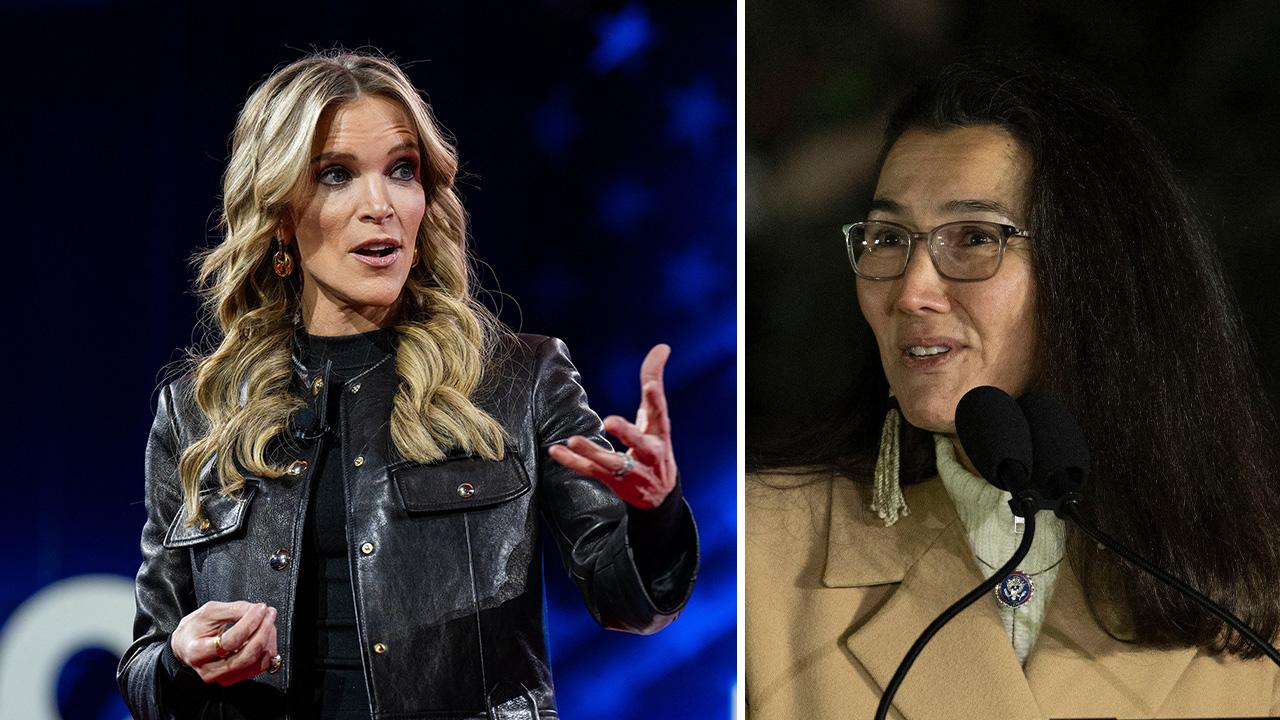
Megyn Kelly’s theory, and the New York Times report it amplified, touch upon a long-standing and often contentious issue in American politics: the scrutiny of female politicians’ temperaments, particularly concerning "anger issues." Historically, women in positions of power have faced disproportionate criticism for displaying emotions, with expressions of anger often being pathologized or deemed unprofessional, while similar displays from male counterparts might be interpreted as assertiveness or passion. This double standard can create a challenging environment for female leaders, who must navigate public expectations regarding demeanor alongside their policy agendas.
The allegations against Mary Peltola, regardless of their veracity, fit into this broader pattern of scrutiny. If such claims gain traction, they could significantly impact public perception, potentially reinforcing negative stereotypes about female leadership. In a tightly contested election, voter perceptions of a candidate’s temperament can be as influential as their policy positions. For Peltola, these accusations could undermine her image as a relatable and effective leader, especially in a state like Alaska where pragmatism and a steady hand are often valued. The focus on her alleged "anger problems" and unusual staff demands, such as feeding crickets to a pet, could distract from her policy platform and political achievements.
Planned Parenthood Stance and Political Alignments
Beyond the allegations of temperament issues, the New York Times report also highlighted Mary Peltola’s alleged criticism of Planned Parenthood. The article suggested that Peltola expressed frustration over the organization’s scrutiny of her deliberations on how to vote on a defense bill that included anti-abortion policies. This revelation created an interesting point of alignment, albeit unexpected, between Peltola and Megyn Kelly. Kelly seized on this detail, stating on her podcast, "She disparaged Planned Parenthood. This is where she and I are aligned."

This particular aspect of the report underscores the complex and often fluid nature of political alliances and disagreements, especially concerning deeply divisive issues like abortion. Planned Parenthood’s political arm, which had previously endorsed Peltola’s campaigns, notably withheld its endorsement this year. This decision, following her alleged internal criticisms and deliberations on abortion-related legislation, suggests a crack in what was once a consistent progressive alliance. For Kelly, a vocal conservative, finding common ground with a Democratic politician on any issue, particularly one as central as Planned Parenthood, allowed her to frame her critique of Peltola’s temperament while also highlighting a shared point of view on a specific policy matter. This dynamic illustrates how personal conduct allegations can intertwine with policy positions, influencing endorsements and public perception in significant ways.
Impact on Political Discourse and Future Consequences
The controversy surrounding Megyn Kelly’s comments and the New York Times report on Mary Peltola contributes to an increasingly volatile political discourse, particularly regarding gender and leadership. Such narratives, often amplified by partisan media, can create a climate where personal conduct becomes a primary battleground in political campaigns. For politicians like Peltola, navigating these accusations requires a delicate balance of defense, transparency, and a renewed focus on policy and constituent service. The long-term impact could extend beyond her individual campaign, potentially influencing how female candidates are perceived and scrutinized in future elections.
The incident also highlights the ongoing debate about the ethics of anonymous sourcing in political journalism and the challenges campaigns face in countering narratives built on unverified claims from former employees. While anonymous sources are crucial for uncovering sensitive information, they also present opportunities for exaggeration or politically motivated leaks, as Peltola’s campaign has suggested. As the 2026 election cycle progresses, the discussion around Mary Peltola’s alleged "anger issues" and Megyn Kelly’s provocative commentary will likely remain a relevant talking point, shaping public perception and influencing the broader conversation about leadership, temperament, and gender in American politics. The enduring question remains how voters will weigh these personal conduct allegations against a candidate’s legislative record and policy stances.