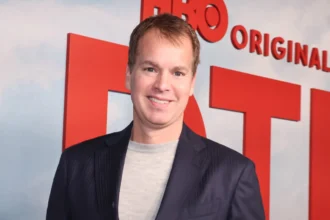
Matt Ball, the acclaimed cinematographer behind National Geographic’s hit series Tucci in Italy, recently earned an Emmy nomination for Outstanding Cinematography for a Nonfiction Program, a testament to his distinctive approach to capturing the vibrant landscapes and mouthwatering culinary traditions of Italy. Ball’s work on the popular food and travel show, hosted by Stanley Tucci, prioritizes raw authenticity over pristine perfection, aiming to reveal the genuine heart of Italian culture through its food and people. This philosophy has defined the show’s visual identity, distinguishing it in the crowded landscape of travel documentaries.
The Genesis of a Culinary Journey
Tucci in Italy is the latest iteration of Stanley Tucci’s critically celebrated culinary exploration, which began as Stanley Tucci: Searching for Italy on CNN. The original series garnered widespread acclaim for its intimate portrayal of Italian regional cuisines, Tucci’s engaging persona, and its ability to transport viewers directly into the kitchens and dining rooms of Italy. After a successful two-season run, the program found a new home at National Geographic, rebranded as Tucci in Italy, and continued its mission to uncover the country’s diverse gastronomic heritage. The show’s appeal lies not only in its delicious subject matter but also in its deep dive into the cultural narratives woven into each dish and region.
Ball’s involvement with Tucci’s Italian ventures began during the CNN era, where he served as a camera operator. His keen eye and understanding of the show’s vision made him a natural choice for the Director of Photography role when the series transitioned to National Geographic. His promotion underscored a commitment to maintaining the visual integrity and narrative intimacy that had become a hallmark of Tucci’s travels. This year, in addition to Ball’s cinematography nod, Tucci in Italy received two other Emmy nominations: one for sound mixing and another for outstanding hosted nonfiction series or special, highlighting its overall production excellence.
Authenticity Above All: Ball’s Cinematographic Vision for Tucci in Italy
Ball’s guiding principle for Tucci in Italy is clear: "It’s not necessarily a show about how beautiful everything looks. The primary goal is to get authenticity. And then we shoot around it and try to make it look as nice as we can." This statement encapsulates a deliberate artistic choice to move beyond superficial gloss, instead seeking out the genuine moments, the unscripted interactions, and the inherent character of both the food and the people preparing it. For Ball, the visual splendor of Italy is a given; his challenge and triumph lie in capturing that beauty in a way that feels organic and true to life.
This commitment to authenticity manifests in several key aspects of his cinematography. Ball and his team—comprising two camera operators and two assistants—design their shots to be as unobtrusive as possible. This approach is crucial when filming in small, often intimate settings, such as family kitchens or local trattorias, where the comfort of the contributors is paramount. By minimizing the visible footprint of the production, Ball ensures that the individuals featured on the show can relax and interact naturally with Tucci, fostering genuine conversations about their culinary traditions and cultural insights. This allows the camera to witness, rather than intrude upon, the daily lives and rituals that define Italian cuisine.
Capturing the Delicious Details of Tucci in Italy
The visual storytelling in Tucci in Italy is a masterclass in making food not just look appetizing, but also deeply evocative. A prime example is the mouthwatering shot of spaghetti and clams, inspired by a Neapolitan chef’s 94-year-old mother. Ball’s lens captures the glistening sauce, the perfectly cooked pasta, and the fresh clams, transforming a simple dish into an art form. He focuses on the textures, the steam rising from a hot plate, the vibrant colors of fresh ingredients, and the hands that lovingly prepare them. These details connect the food directly to its origins and the generations of tradition it represents.
Beyond the culinary close-ups, Ball seamlessly integrates the majestic Renaissance-era palaces and quaint villages that serve as backdrops to Tucci’s adventures. He understands that the visual appeal of Italy is multifaceted, encompassing both its gastronomic delights and its stunning architectural and natural landscapes. Whether it’s the sun-drenched coastlines of Sicily, the rolling hills of Tuscany, or the rugged beauty of Sardinia, Ball frames these vistas with an elegance that complements the narrative without overshadowing the human element. He humbly suggests that "The work of making it look beautiful has been done for me already," attributing much of the visual success to Italy’s inherent charm. Yet, it is his skill in framing, lighting, and composition that elevates these scenes from mere snapshots to compelling cinematic moments.
From Camera Operator to Culinary DP
Matt Ball’s trajectory into the specialized niche of food-oriented cinematography was, by his own admission, somewhat accidental. His career began with a significant role as a camera operator on the long-running PBS series Barefoot Contessa, hosted by Ina Garten. This early experience in a culinary environment proved formative, not only professionally but also personally, as it was there he met his wife. The skills honed on Barefoot Contessa laid the groundwork for a career that would increasingly gravitate towards food and lifestyle programming.
Following his initial success, Ball continued to expand his resume within the culinary television landscape. He shot Be My Guest With Ina Garten, further solidifying his expertise in capturing the nuances of home cooking and intimate hospitality. His portfolio also includes collaborations with other celebrity chefs, such as the dynamic Jamie Oliver and the elegant Lorraine Pascale. These experiences provided him with a comprehensive understanding of how to translate the sensory experience of food preparation and enjoyment onto the screen, making him an ideal candidate to helm the visual direction of a show as ambitious as Tucci in Italy. His evolution from a camera operator to a Director of Photography underscores a journey marked by continuous learning and a growing mastery of visual storytelling in a very specific genre.
The Production Behind the Palate
The production of Tucci in Italy is a meticulously planned endeavor, requiring extensive research and coordination before Ball’s cameras even begin to roll. Each season, Stanley Tucci, producer Lottie Birmingham, and their dedicated research team embark on a rigorous pre-production phase. This involves mapping out roughly seven-to-ten-day stints in each city or region slated for a particular season. The goal is to identify and engage local cooks, farmers, food producers, and culinary experts who can authentically showcase the region’s unique cuisine and landscapes. This groundwork ensures that when the crew arrives, they are met with a rich tapestry of stories and flavors waiting to be captured.
Ball’s role as DP then involves translating this research into compelling visual sequences. His collaborative work with two camera operators and two assistants is crucial in executing his vision. Together, they design shots that not only highlight the food but also emphasize the human connections and cultural context. This includes everything from the bustling energy of a local market to the quiet intensity of a chef at work, or the shared joy of a meal among friends. The careful planning and execution ensure that each episode of Tucci in Italy feels both spontaneous and artfully constructed, drawing viewers deeper into the heart of Italian gastronomy.
Discovering Italy’s Hidden Culinary Gems
While Stanley Tucci: Searching for Italy often focused on major metropolitan centers like Rome and Milan, Tucci in Italy consciously sought out less touristy locales, aiming to present a more nuanced and perhaps more authentic side of the country. This shift allowed the series to explore regions often overlooked by mainstream tourism, revealing hidden culinary treasures. For Matt Ball, one of his personal favorite stops was Le Marche, a region known for its pristine beaches, rugged mountains, and rich gastronomic traditions.
It was in Le Marche, at the seaside restaurant Da Emilia, that Tucci experienced a particularly memorable dish: spaghetti and mussels. The recipe, passed down from the chef’s eponymous grandmother, embodied the kind of personal, generational culinary heritage that the show strives to highlight. Ball vividly recalls the scene: Tucci dining with the chef at a long outdoor table, the Adriatic Sea stretching out before them. "It looked fantastic," Ball recounts, "The light was coming off the water, and it was a beautiful day. It was really lovely." This moment perfectly encapsulated the charisma that Tucci encountered everywhere, a blend of warm hospitality, genuine passion for food, and the breathtaking natural beauty of Italy, all expertly framed by Ball’s lens.
The Public’s Fascination with Tucci in Italy
The show’s success, and Ball’s contribution to it, extends beyond critical acclaim and Emmy nominations; it has had a tangible impact on the public. Tucci in Italy has not only inspired countless viewers to try their hand at Italian cooking but has also sparked interest in culinary tourism, encouraging people to explore the lesser-known regions of Italy. The show acts as a powerful cultural ambassador, fostering a deeper appreciation for the country’s regional diversity and the stories behind its food.
Stanley Tucci’s inherent charm is a significant draw. Ball notes the ubiquitous whispers of, "That’s Stanley Tucci!" wherever they film, indicating the actor’s widespread recognition and beloved status. This celebrity status allows Tucci to connect with locals on a unique level, often unlocking insights and experiences that might be inaccessible to others. Ball’s cinematography captures these interactions, allowing viewers to feel as though they are part of the intimate gatherings, shared meals, and heartfelt conversations.
Looking Ahead: Continued Savory Travels
Matt Ball’s professional journey remains intrinsically linked to Tucci’s culinary explorations. He expresses a clear intention to continue as the Director of Photography for Tucci’s "savory travels" for as long as the host wishes to continue them. This commitment speaks to a strong collaborative relationship and a shared vision for storytelling through food and travel. The partnership is already extending beyond Italy, with the team currently in production on another spinoff series, this time set in Great Britain. This new venture presents a fresh challenge for Ball, requiring him to adapt his keen eye for authenticity and deliciousness to a different culinary landscape and cultural context.
As food travel documentaries continue to captivate audiences, the role of cinematography, as exemplified by Matt Ball’s work on Tucci in Italy, becomes increasingly critical. It is the visual artistry that transforms a mere travelogue into an immersive cultural experience, inviting viewers to taste, see, and feel the essence of a place. Ball’s ability to blend technical skill with a deep respect for genuine human experience has solidified his reputation as a master of culinary filmmaking, ensuring that Tucci’s adventures will continue to look as delicious as they taste.