Duane "Keffe D" Davis, a former Compton gang leader, has been found guilty of first-degree murder in connection with the 1996 killing of iconic rapper Tupac Shakur in Las Vegas. The landmark verdict, delivered on Monday, August 31, arrived after less than three hours of jury deliberation, marking a pivotal moment in one of hip-hop’s most enduring cold cases, nearly three decades after Shakur’s untimely death. Prosecutors successfully argued that Davis, 63, orchestrated the drive-by shooting that claimed the life of the 25-year-old music legend.
The Enduring Mystery of Tupac Shakur’s Murder
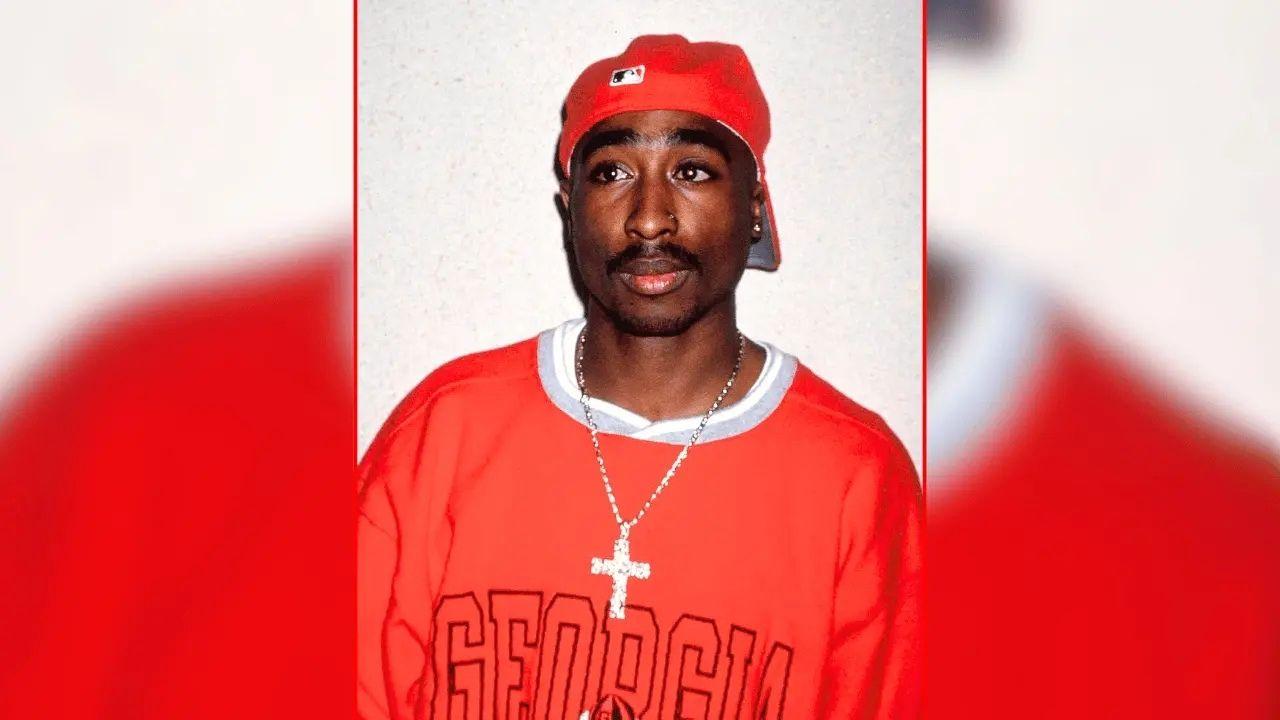
Tupac Shakur remains one of the most influential and celebrated figures in hip-hop history, his music and persona transcending generations. His fatal shooting on September 7, 1996, sent shockwaves through the music world and ignited a torrent of theories and speculation that persisted for decades. The incident occurred on the Las Vegas Strip, leaving a void in the industry and an enduring question mark over who was responsible for his death.
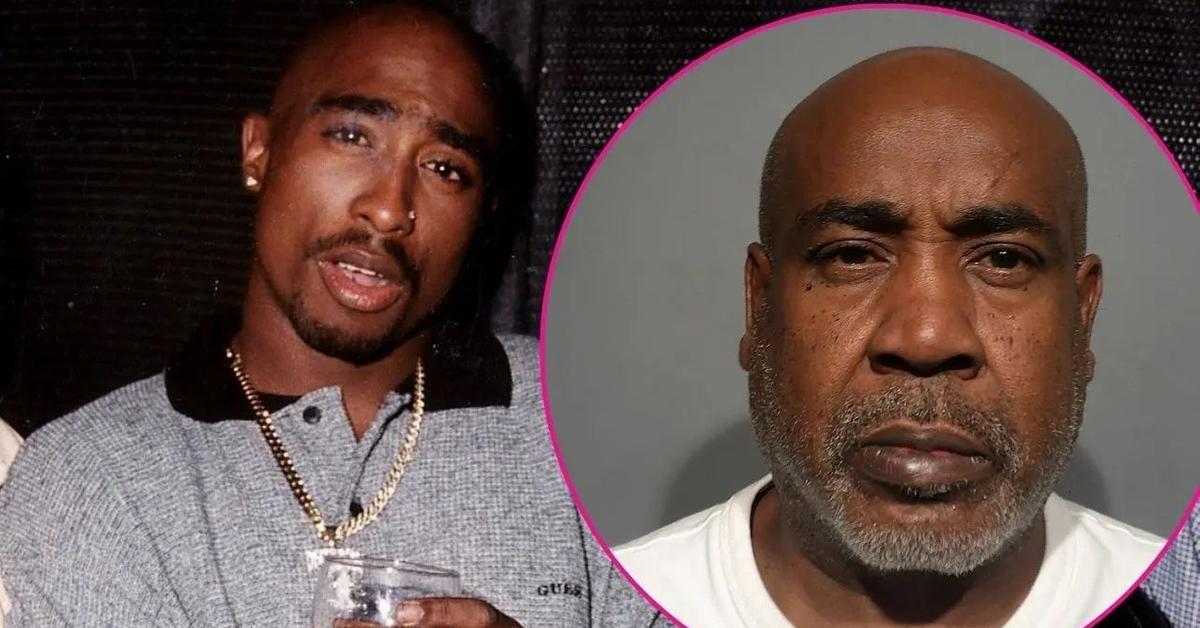
For years, the case remained officially unsolved, fueling documentaries, books, and countless online discussions. Despite numerous individuals being linked to the crime through various rumors and informal accusations, no arrests were made until recently. The lack of closure deeply affected fans and Shakur’s family, transforming his murder into one of the most infamous unsolved mysteries in modern American culture.
Decades of Speculation Culminate in Davis’s Arrest
The path to Duane "Keffe D" Davis’s conviction was long and circuitous, largely paved by his own public admissions. Davis, a self-proclaimed former leader of the Southside Crips street gang, had spoken extensively about his involvement in the events surrounding Shakur’s murder over the years. These statements, initially made in informal settings and later in more formal contexts, ultimately became crucial evidence.
In a 2008 interview with the Los Angeles Police Department, conducted as part of a "proffer" agreement where information is exchanged for potential immunity, Davis detailed his presence in the vehicle from which the shots were fired. He reportedly claimed he passed the firearm to his nephew, Orlando Anderson, who he alleged pulled the trigger. While the proffer agreement typically protects individuals from having their words used against them, the context and subsequent developments rendered these statements admissible.

Davis further elaborated on the shooting in his 2019 memoir, Compton Street Legend. In the book, he provided a vivid account of the night, including his role in obtaining the weapon and being an eyewitness to the events. At trial, his defense team attempted to discredit the memoir, arguing it was primarily for entertainment purposes and not a factual account. However, prosecutors successfully used these detailed narratives to build their case.
The culmination of these public and private confessions led to a significant breakthrough in the cold case. In September 2023, nearly 27 years after Shakur’s death, Davis was arrested at his home in Henderson, Nevada. This arrest marked the first time anyone had been formally charged with murder in connection with the rapper’s killing, reigniting hope for justice and providing a tangible lead in a long-dormant investigation.
The Prosecution’s Case Against Duane ‘Keffe D’ Davis
During the trial, prosecutors presented a compelling case, painting Duane "Keffe D" Davis as the central figure behind the murder plot. They alleged that Davis was not merely present but was the "mastermind" who orchestrated the retaliatory shooting. The prosecution’s narrative centered on an altercation that occurred earlier on the fateful night of September 7, 1996.

That evening, Tupac Shakur and his entourage, including Death Row Records CEO Suge Knight, were involved in a physical altercation with Orlando Anderson, Davis’s nephew, at the MGM Grand casino. Prosecutors contended that this fight served as the motive for the subsequent drive-by shooting. Under Nevada law, an individual can be charged with murder if they aid, abet, or conspire in the commission of the crime, even if they did not personally fire the fatal shots.
The prosecution utilized Davis’s own words as key evidence. Recordings of his 2008 LAPD interview were played in court, where he described being in the car with Anderson and two other alleged Southside Crips gang members, Terrence Brown and Deandrae "Big Dre" Smith. In these recordings, Davis stated, "If it had been on my side, I was going to blast," and further claimed he handed the gun to Anderson. He also recounted seeing "a bullet go into Suge’s head," initially believing Knight was dead.
The defense’s argument largely revolved around discrediting Davis’s previous statements. His lawyers maintained that his memoir was not meant to be taken as fact and that his proffer statements were made under specific conditions. Davis himself did not testify during the trial, leaving his recorded and written accounts to stand as primary testimony against him. The prosecution, however, successfully convinced the jury that Davis’s extensive admissions, both to law enforcement and in his book, accurately reflected his role in the murder.
Guilty Verdict Delivered in Tupac Shakur Murder Trial
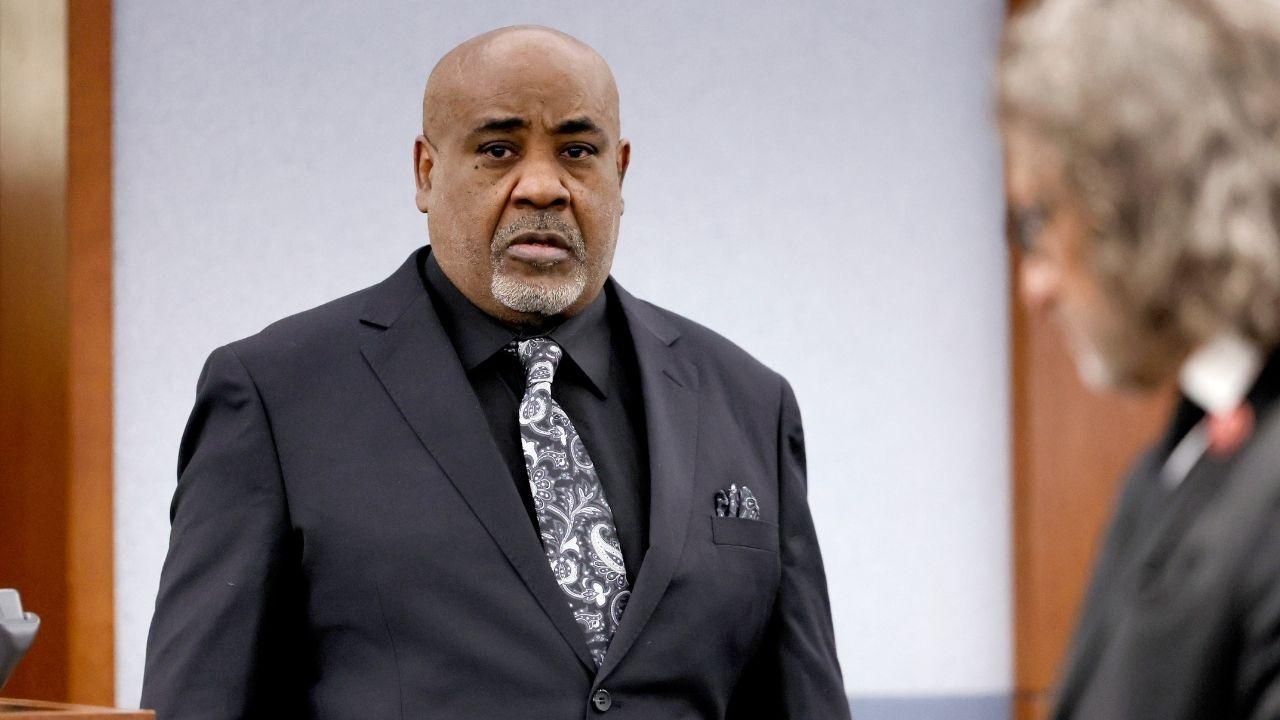
The jury’s decision to convict Duane "Keffe D" Davis of first-degree murder on Monday, August 31, brought a sense of closure to a case that has haunted the music world for nearly 30 years. The swiftness of the verdict, reached in less than three hours, suggested that the prosecution’s evidence, particularly Davis’s own admissions, was overwhelmingly persuasive to the twelve jurors.
Tupac Shakur was fatally shot while riding in a BMW driven by Suge Knight on the Las Vegas Strip. Knight survived the shooting, but Shakur succumbed to his injuries six days later, on September 13, 1996. He was 25 years old. The conviction of Davis now pins the responsibility for that tragic night on the former gang leader, marking a significant legal resolution in a case that many believed would never be solved.
Davis now faces the prospect of life in prison. While his sentencing date has not yet been set, the first-degree murder conviction carries severe penalties under Nevada law. Immediately following the verdict, Davis’s legal team indicated their intent to challenge the conviction, signaling that the legal battle may continue through the appeals process. This outcome, though decisive, may not be the final chapter in this long-running saga.
A Legacy of Violence and the Quest for Justice
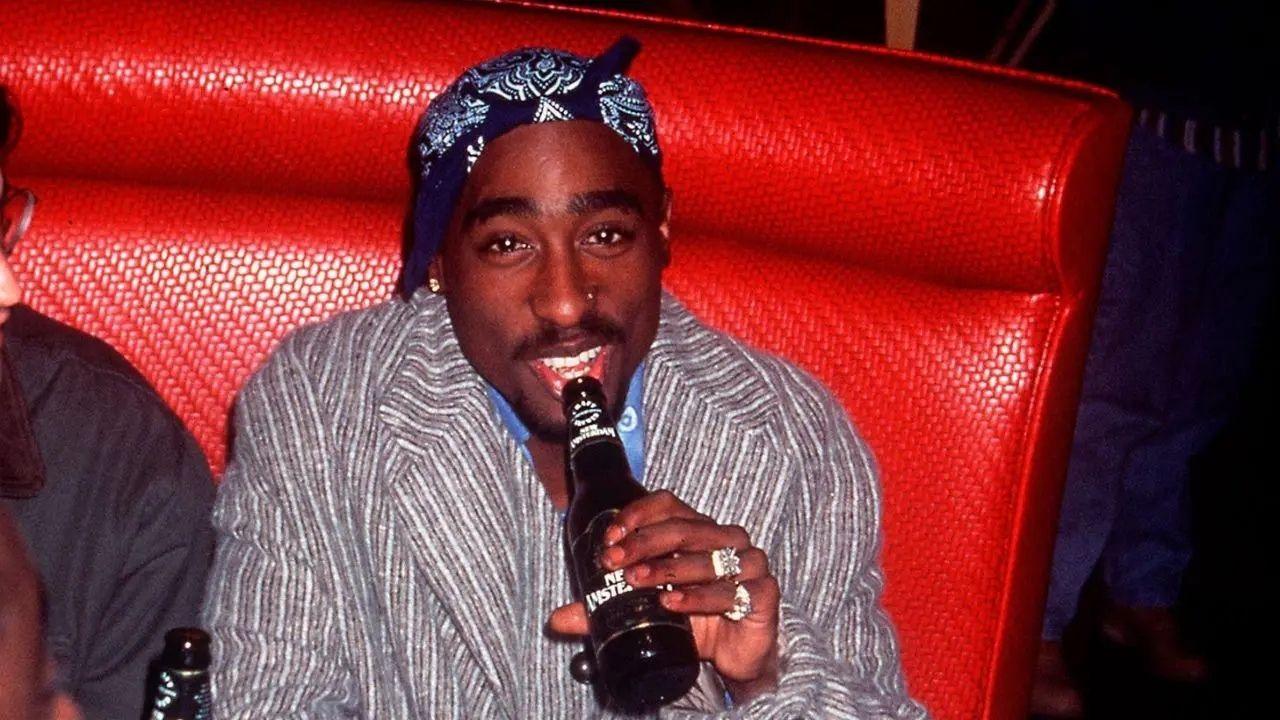
The conviction of Duane "Keffe D" Davis resonates far beyond the confines of a Las Vegas courtroom. It offers a belated sense of justice for the family and countless fans of Tupac Shakur, a cultural icon whose premature death left an indelible mark on music and society. Shakur’s artistic output explored themes of racial injustice, poverty, and street life, making his violent end a poignant symbol of the very issues he addressed in his work.
The case also highlights the enduring efforts of law enforcement to solve cold cases, even after decades have passed. It underscores the importance of persistent investigation and how modern legal strategies can leverage past admissions to bring perpetrators to justice. For the hip-hop community, the verdict brings a measure of solace, finally providing an answer to a question that has loomed large since 1996.
This conviction could also have broader implications for other long-unsolved cases, demonstrating that time does not necessarily diminish the pursuit of truth. It reinforces the idea that accountability can eventually be sought, even when witnesses are reluctant or evidence is scarce, especially when individuals choose to document their involvement publicly.
Looking Ahead: Sentencing and Appeals
With the guilty verdict rendered, the legal process will now move to the sentencing phase for Duane "Keffe D" Davis. During this stage, the court will consider various factors, including the nature of the crime, Davis’s background, and arguments from both the prosecution and defense regarding appropriate punishment. Given the first-degree murder conviction, a life sentence is a strong possibility, reflecting the gravity of the offense and the lasting impact of Tupac Shakur’s death.
However, the legal proceedings are not entirely concluded. Davis’s defense attorneys have already signaled their intention to appeal the conviction. The appeals process could involve challenging the admissibility of certain evidence, such as Davis’s proffer statements or the use of his memoir, or arguing procedural errors during the trial. Such appeals can be lengthy and complex, potentially extending the legal battle for years.
Regardless of future appeals, the August 31 verdict represents a momentous turning point. It establishes legal responsibility for the murder of one of the 20th century’s most celebrated musical artists, bringing a long-awaited resolution to a mystery that has captivated the world for nearly three decades. The conviction of Duane "Keffe D" Davis closes one of the most significant chapters in the enduring legacy of Tupac Shakur.