Renowned R&B superstar Usher recently addressed and emphatically debunked a burgeoning online conspiracy theory suggesting he employed a body double or "clone" during a high-profile concert in New Jersey. The Grammy-winning artist directly confronted the speculative claims, humorously dismissing the notion that advanced artificial intelligence could replicate his unique stage presence, stating, "AI ain’t that advanced."
The Genesis of the "Usher Clone" Theory

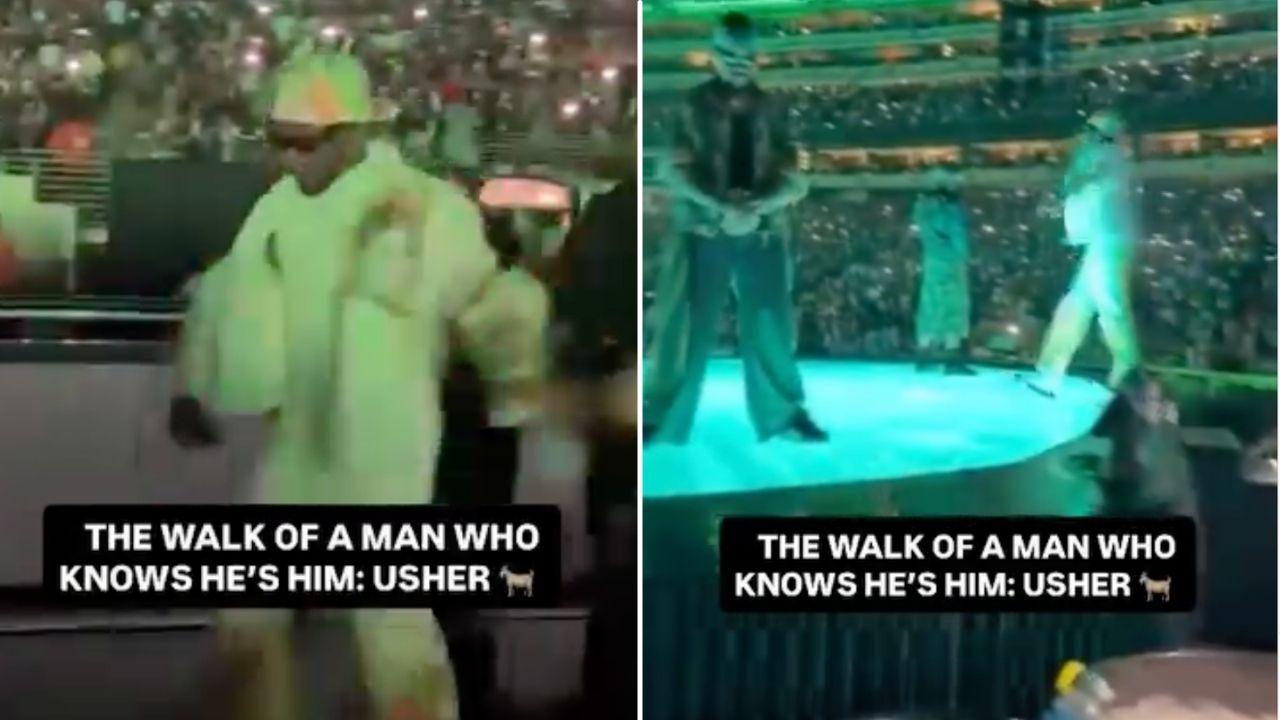
The peculiar theory gained significant traction across social media platforms following the circulation of a video clip from Usher’s recent New Jersey performance. The concert, part of a larger tour, also featured a guest appearance by fellow R&B artist Chris Brown, adding to its star power. In the widely shared footage, Usher, identifiable by his distinctive graffiti-printed white pants, matching jacket, green hat, and dark sunglasses, appeared momentarily disoriented on stage. Eyewitnesses and online commentators noted a brief pause where the singer seemed to look bewildered, seemingly searching for the correct stage entrance before launching into his iconic 2004 hit single, "Yeah!"
This brief moment of perceived hesitation, coupled with what some fans described as an uncharacteristic walking and dancing style, quickly ignited a wave of speculation. Social media users, particularly on Instagram where the clip was first widely shared by outlets like New York radio station Power 105.1, began questioning the authenticity of the performer on stage. The visual cues were enough to fuel an outlandish yet widely discussed narrative: that the Usher seen at the beginning of the show was not, in fact, the real Usher Raymond IV, but rather a stand-in or, more dramatically, a "clone."
Fan Reactions Fueling the Online Firestorm

The online response to the New Jersey concert footage was swift and often laced with humorous disbelief, yet it underscored a deeper fascination with celebrity authenticity. Comments poured in, reflecting a mix of amusement and genuine bewilderment. One Instagram user, convinced by the perceived discrepancies, commented, "That was not the real Usher that opened for us. I was a 20% refund bcuz I ain’t pay to see his stunt double." This sentiment echoed across various platforms, with fans dissecting the performer’s movements.
Another observant fan elaborated on the perceived differences, stating, "First off, the real Usher wouldn’t have had to be guided to the right side of the stage. Usher also doesn’t walk with urgency, nor dance as fast as this impersonator did. Usher is smoother with his moves and walk." These detailed observations highlight the intense scrutiny celebrities face, where even minor deviations from expected behavior can trigger widespread speculation. The idea of a "backup Usher" or a doppelgänger replacing the true artist became a running joke, but also a serious point of discussion for many.
Usher’s Direct and Humorous Rebuttal

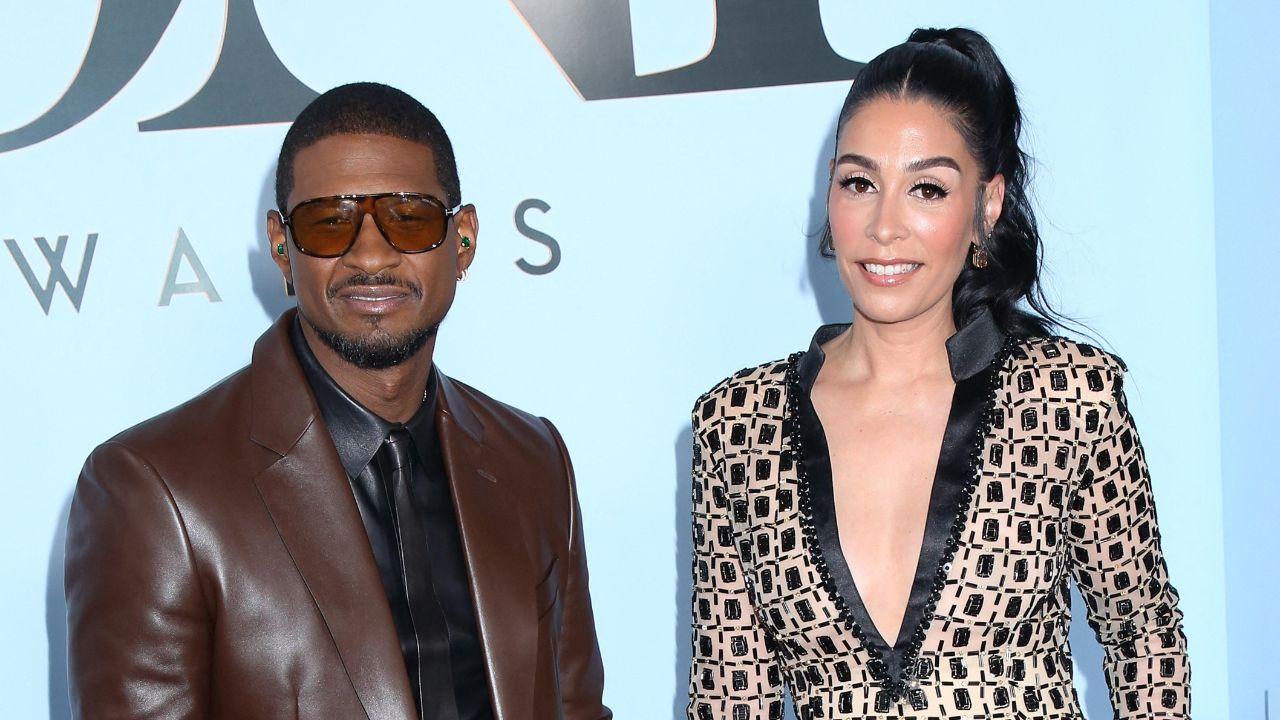
The burgeoning "Usher clone" theory did not escape the attention of the man himself. Taking to the comments section of the very video shared by Power 105.1, Usher directly addressed the swirling rumors with characteristic candor and humor. "Ya’ll are funny…clone? They can’t clone this??" he wrote, adding a laughing emoji to underscore the absurdity he perceived in the claims. He then followed up with a rhetorical question that also served as a definitive denial: "How ya’ll come up with this? AI ain’t that advanced."
His response effectively shut down the more serious interpretations of the conspiracy while acknowledging the internet’s capacity for imaginative storytelling. By invoking "AI," Usher tapped into a contemporary fear and fascination with artificial intelligence’s ability to create convincing fakes, yet simultaneously assured fans that such technology had not yet reached a point where it could perfectly replicate his live performance prowess. His direct engagement demonstrated an understanding of online culture and a willingness to playfully interact with even the wildest fan theories.
The Broader Landscape of Celebrity Conspiracy Theories
The "Usher clone" incident is not an isolated event but rather a modern manifestation of a long-standing cultural phenomenon: celebrity conspiracy theories. From the persistent "Paul is dead" rumors surrounding Paul McCartney in the 1960s to more contemporary claims of artists being part of secret societies or using body doubles for various engagements, the public has long been captivated by narratives that challenge official stories or offer alternative explanations for public figures’ actions.
In the digital age, the proliferation of social media has significantly amplified the reach and speed at which these theories spread. A single video clip, taken out of context or misinterpreted, can quickly go viral, fostering an echo chamber where speculative comments are reinforced by others. The perceived visual inconsistencies in Usher’s New Jersey performance provided fertile ground for internet users to weave an imaginative narrative, highlighting the ongoing tension between public perception and the reality of live performance. The rapid dissemination of content means that artists must often quickly address such claims to prevent them from taking on a life of their own.
The Role of AI and Authenticity in the Digital Era
Usher’s specific reference to AI in his denial is particularly pertinent in today’s technological landscape. With advancements in deepfake technology, voice synthesis, and generative AI, the lines between authentic and fabricated digital content are increasingly blurred. While the "Usher clone" theory was likely born more out of observational humor and internet mischief than a serious belief in advanced robotics, the artist’s comment underscores a growing public awareness and concern about the potential for AI to create convincing simulations of human beings.
This incident, therefore, serves as a lighthearted counterpoint to more serious discussions about digital authenticity. It highlights how the public’s understanding of what is technologically possible shapes the nature of the conspiracy theories that emerge. For an artist known for his dynamic and authentic stage presence, the idea of being replaced by an artificial construct or a mere stand-in strikes at the heart of what makes live music so compelling for fans. Usher’s career, spanning decades, has been built on genuine connection and electrifying performances, making the notion of a clone particularly antithetical to his brand.
Recent Public Interactions and Fan Engagement
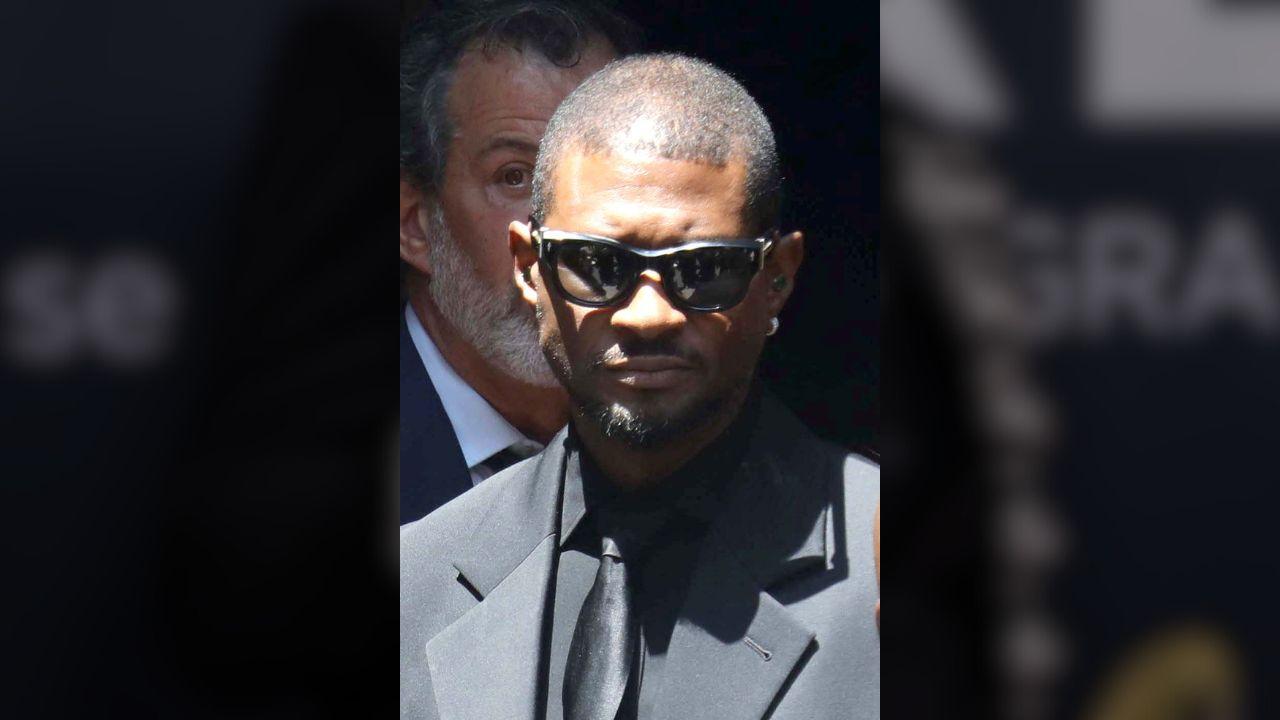
This viral moment follows another high-profile interaction involving Usher from the previous month. In a separate incident during a July 25 show in Nashville, part of "The R&B Tour" where Chris Brown also performed, Usher made headlines when he escorted a female fan off the stage. The woman, later identified as Gabrielle Cheyenne, appeared visibly uncomfortable as a shirtless Usher serenaded her in front of the audience, leading to an awkward moment that also quickly circulated online.
Usher addressed the situation directly during the concert, asking the crowd, "I don’t think she wanted to be on the stage, huh?" Cheyenne later took to Facebook to clarify her perspective, emphasizing that she had not declined to go on stage and expressing frustration over the online narrative. She defended her presence and implied that her perceived discomfort was misinterpreted, stating, "Y’all wanted me to get up there and f*** him atp ?? FOLKS AREN’T USED TO ANYTHING."
These back-to-back incidents underscore the intense scrutiny celebrity performances and interactions face in the age of instant social media sharing. Every move, every reaction, whether from the artist or an audience member, is subject to immediate capture, interpretation, and viral dissemination. For a performer like Usher, who thrives on audience engagement, navigating these moments while maintaining an authentic connection with his fanbase has become an increasingly complex aspect of his career. Despite the occasional viral misstep or outlandish theory, Usher continues to engage with his audience, reminding them that his unparalleled talent remains firmly in human hands.