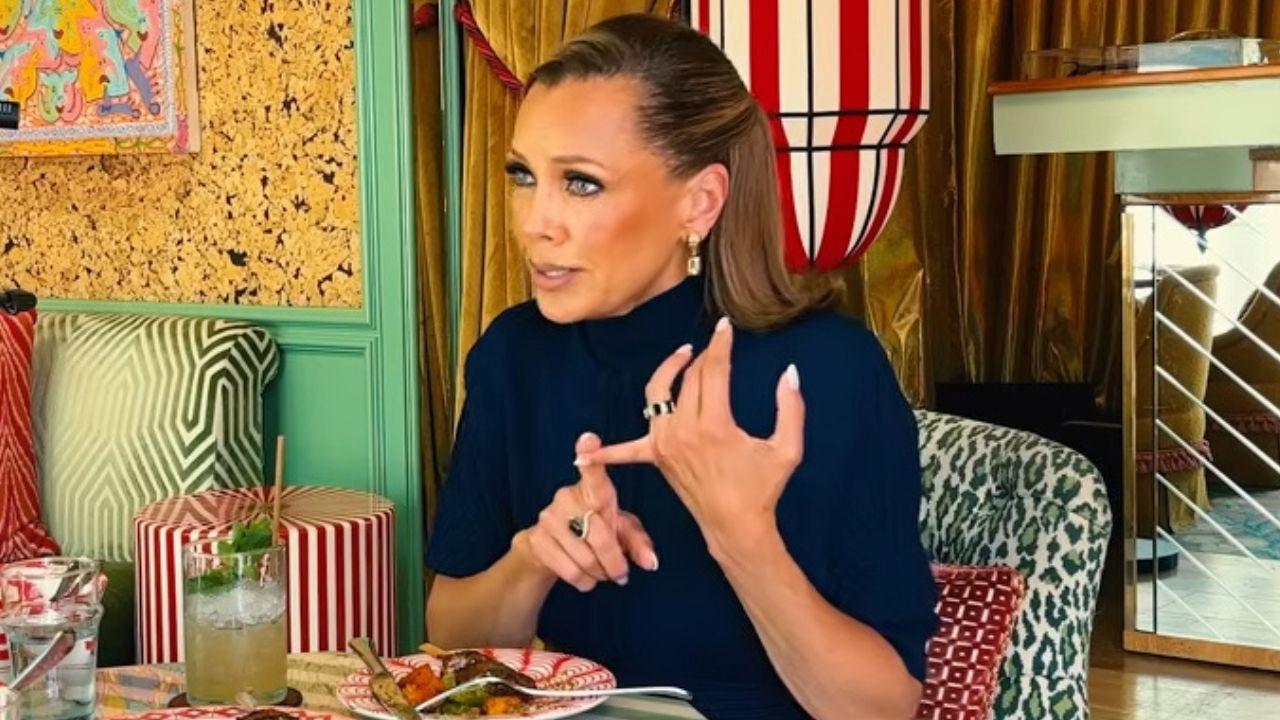
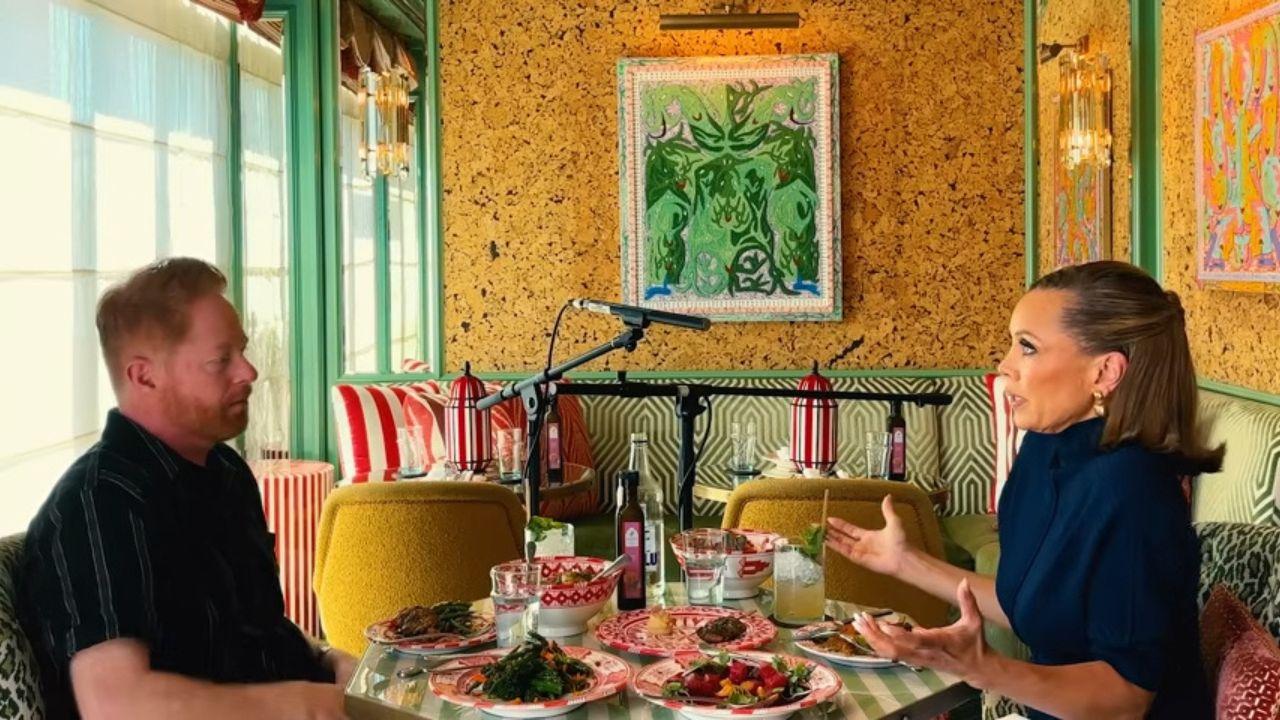
Three decades after the infamous Miss America nude photo scandal forced her to relinquish her crown, acclaimed actress and singer Vanessa Williams has revealed the profound professional repercussions, including being blacklisted from a pivotal Broadway role due to the controversy. Williams, 63, recounted the intense backlash and the personal cost of the unauthorized publication during a recent appearance on the "Dinner’s on Me With Jesse Tyler Ferguson" podcast, shedding new light on the long-lasting impact of the incident on her nascent career.
The Historic Miss America Win and Its Aftermath
Vanessa Williams made history in September 1983 when she became the first African American woman to be crowned Miss America. Her victory was widely celebrated as a groundbreaking moment, breaking racial barriers in an iconic American institution and symbolizing progress in national representation. Williams captivated audiences with her talent and poise, embarking on a reign that promised to redefine the role of a beauty queen. However, her triumph was short-lived and soon overshadowed by an unprecedented media firestorm.
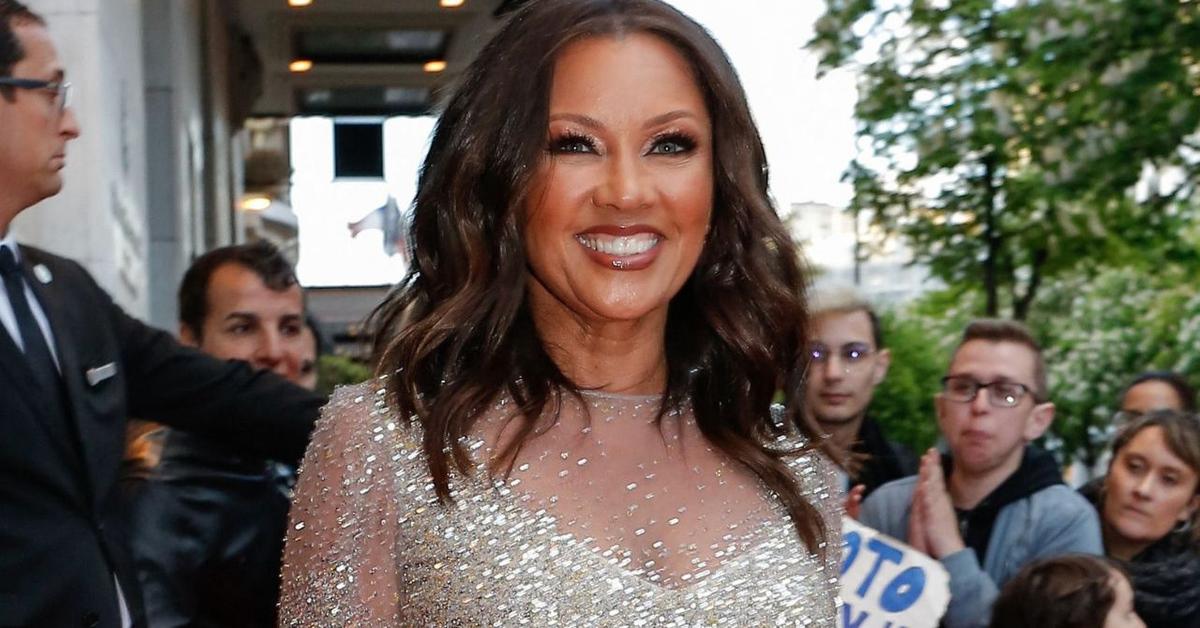
The controversy erupted in July 1984, less than two months before she was to crown her successor, when Penthouse magazine announced its intention to publish unauthorized nude photographs of Williams. The photos, taken several years prior when Williams was a young college student working for a photographer, were published without her consent and under circumstances she has consistently described as a betrayal of trust. The immediate public and organizational reaction was swift and overwhelmingly negative, plunging Williams into a national scandal.
The Forced Resignation and Public Scrutiny
The Miss America Organization, an institution built on an image of wholesome American femininity, found itself in an unprecedented crisis. Faced with immense pressure and moral outrage from sponsors and the public, the organization issued an ultimatum to Williams: resign her title or be stripped of it. Under duress, Williams chose to resign, becoming the first Miss America in the pageant’s history to do so. The incident sparked a nationwide debate about privacy, exploitation, and the intense scrutiny faced by public figures, particularly women.
The media coverage was relentless, transforming Williams from a national symbol of aspiration into a figure of public shame. Her personal story, including her claims of betrayal by the photographer and the lack of consent for publication, was often drowned out by sensational headlines and moralistic condemnations. This period marked a significant turning point, not only for Williams but also for the Miss America pageant, which faced questions about its responsibilities to its titleholders and the nature of public judgment.

Broadway Dreams Derailed by the Miss America Nude Photo Scandal
In the wake of her forced resignation, Williams found herself grappling with a severely tarnished public image and a professional landscape that suddenly seemed unwelcoming. She recently revealed how this Miss America nude photo scandal directly impacted her early theatrical ambitions. Her first significant Broadway audition was for the lead role in the acclaimed musical My One and Only, which ran from 1983 to 1985. The opportunity was substantial, as she was being considered to replace the legendary Twiggy.
Williams recalled the audition process, detailing her meeting with celebrated director Mike Nichols and her performance. "Met with Mike [Nichols], came in, did the audition… I finished my audition. I walk back and say ‘Hi’ to Mike," Williams explained on the podcast. The audition appeared to go well, with Nichols reportedly expressing his approval to Lee Gershwin, the formidable widow of composer Ira Gershwin, whose work was central to the musical. However, the subsequent phone call brought a crushing blow.
The "W—-" Remark and the Unseen Judgment
Williams recounted the immediate aftermath of the audition: "He goes to Lee Gershwin, who’s Ira Gershwin’s widow, [and says] ‘Wasn’t she terrific?’ [Lee] goes backstage, goes downstairs, the phone rings and it’s her saying, ‘Over my dead body will that w—- be in my show.’" The raw, derogatory language used by Gershwin underscored the deep-seated prejudice Williams faced. At the time, Williams understood she didn’t get the role but admitted, "I had no idea the severity of the judgment." This revelation highlights how deeply the scandal had permeated public perception and how powerful figures could wield their influence to blacklist individuals based on moral condemnation.

Lee Gershwin held significant sway in the theatrical world, particularly concerning the legacy of her late husband’s work. Her outright rejection, based explicitly on Williams’ public image following the Miss America nude photo scandal, effectively closed a major door for Williams in the prestigious Broadway community. This incident serves as a stark reminder of the personal cost of public shaming and how reputation, once tarnished, can create formidable barriers to professional advancement.
Broader Implications: Public Shaming and Industry Gatekeepers
The experience of Vanessa Williams with the Miss America nude photo scandal and its professional fallout reflects broader societal issues concerning public shaming, victim-blaming, and the power dynamics within industries like entertainment. Her story illustrates how quickly public opinion can turn against a prominent figure, especially a woman, and how difficult it can be to reclaim one’s narrative in the face of widespread condemnation. The scandal also highlighted the hypocrisy often present in moral judgments, where the exploitation of a young woman was less condemned than her perceived transgression against a "pristine image."
Furthermore, the incident with Lee Gershwin reveals the unchecked power of industry gatekeepers. Gershwin’s ability to veto a talented performer based on personal moral judgment, rather than artistic merit, underscores the challenges artists can face when their public image becomes entangled with controversies outside their professional realm. This dynamic disproportionately affects those already navigating systemic barriers, such as Williams, who had just achieved a historic first as Miss America.
Resilience and a Triumphant Comeback
Despite the formidable obstacles, Vanessa Williams embarked on a remarkable journey of resilience and professional resurgence. Instead of succumbing to the blacklisting and public judgment, she meticulously rebuilt her career, demonstrating extraordinary talent and determination. Her comeback began in music, where she achieved multi-platinum success with hits like "Save the Best for Last" and "Colors of the Wind," earning multiple Grammy nominations. She seamlessly transitioned into acting, starring in acclaimed films and television shows such as Soul Food, Eraser, Desperate Housewives, and Ugly Betty, earning Emmy and Tony Award nominations for her work.
Williams eventually found her way back to Broadway, conquering the very stage that had initially rejected her. She starred in successful productions like Kiss of the Spider Woman, Into the Woods, and Sondheim on Sondheim, proving her undeniable theatrical prowess and ultimately achieving the recognition she deserved. Her sustained success across multiple entertainment platforms solidified her status as a versatile and enduring icon.
Acknowledgment and Redemption
A significant moment of vindication arrived in 2015 when the Miss America Organization formally apologized to Williams for the way she was treated. During the Miss America 2016 pageant, Sam Haskell, then CEO of the organization, publicly acknowledged the injustice she had suffered, stating, "You have lived your life with grace and dignity, and never was it more evident than during the events of 1984 when you resigned. Though you were not able to make a personal appearance, on behalf of today’s organization, I want to apologize to you and to your mother, Helen Williams. I want to apologize for anything that was said or done that made you feel less than the Miss America you are and the Miss America you always will be."
This long-overdue apology represented a symbolic closure to a painful chapter, affirming Williams’ dignity and her rightful place in the pageant’s history. Williams herself has often spoken about how the initial scandal, though devastating, ultimately fueled her determination to "prove" herself outside the confines of a beauty queen "box." Her ability to navigate intense public scrutiny, overcome professional blacklisting, and achieve sustained success stands as a testament to her strength, talent, and unwavering spirit. Her story continues to resonate as a powerful example of resilience in the face of judgment and adversity.