Jonathan Epstein, the son of a prominent geneticist gravely injured by the notorious domestic terrorist Ted Kaczynski, has vehemently criticized Netflix’s upcoming film Unabomber, alleging that the production fabricates details and dangerously humanizes the convicted murderer. Epstein voiced serious concerns that the movie’s dramatized narrative could offer rationales for Kaczynski’s heinous acts, potentially normalizing terrorism in a volatile societal climate.
The criticism emerged following the release of a trailer for the Netflix project, which Epstein contends deviates significantly from established facts to heighten dramatic tension. He highlighted that such artistic liberties undermine the gravity of Kaczynski’s crimes and disrespect the victims and their families. The streaming giant’s use of an "inspired by true events" disclaimer, according to Epstein, does not absolve it from the responsibility of factual accuracy when dealing with such a sensitive and impactful case of domestic terrorism.

The Unabomber’s Reign of Terror: A Historical Overview
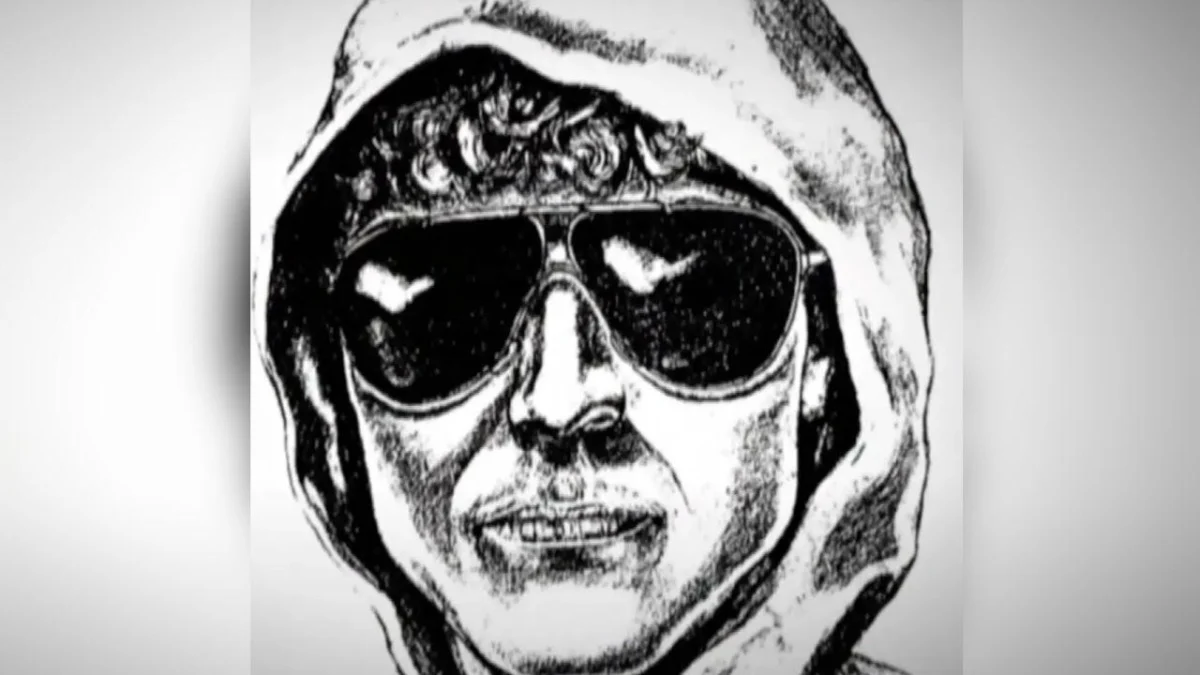
Ted Kaczynski, famously known as the Unabomber, waged a nearly two-decade-long bombing campaign that terrorized the United States from 1978 to 1995. A brilliant mathematician and former professor, Kaczynski abandoned his academic career to live a reclusive life, developing a radical anti-technology and anti-industrialization ideology. His campaign involved sending sophisticated homemade mail bombs to various targets, including universities, airlines, and figures associated with modern technology.
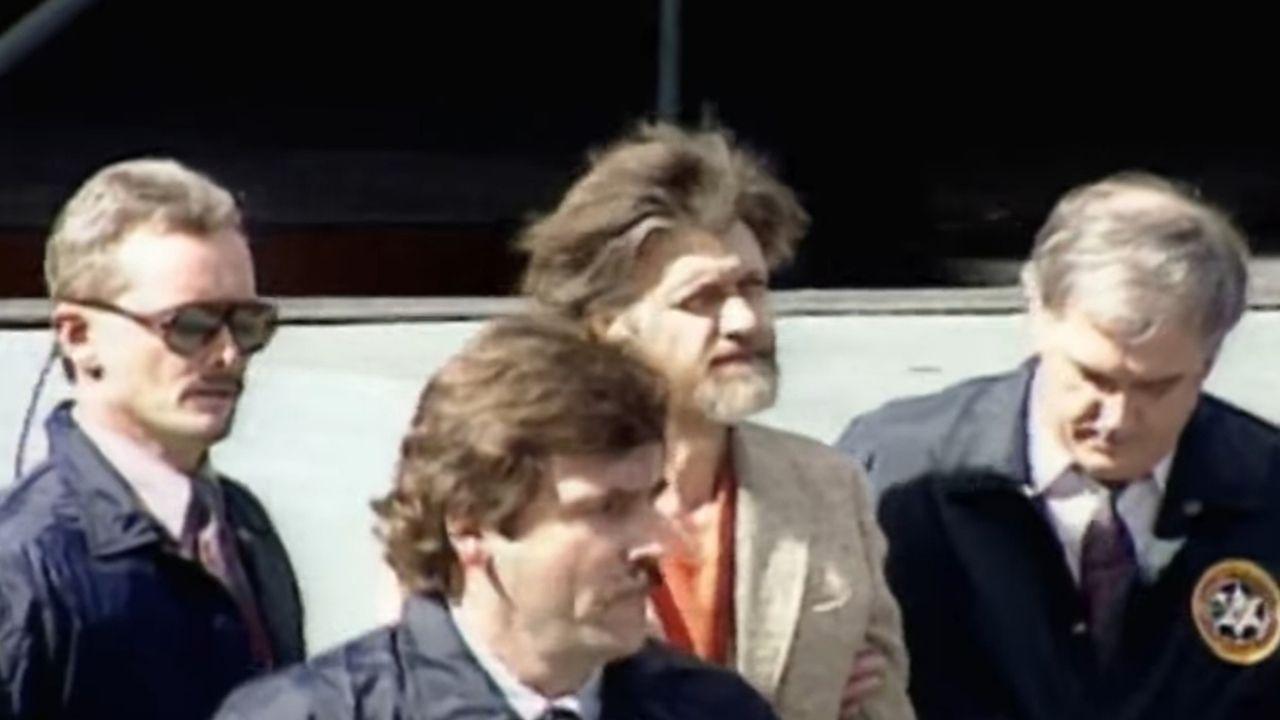
Over the course of his terror spree, Kaczynski was responsible for three deaths and injuries to 23 others. The FBI’s extensive investigation, dubbed "UNABOM," spanned years and became one of the longest and most expensive manhunts in American history. Kaczynski’s demand for his 35,000-word essay, Industrial Society and Its Future—often referred to as the "Unabomber Manifesto"—to be published led to his eventual capture in 1996, after his brother recognized the writing style and alerted authorities.
A Victim’s Ordeal: Dr. Charles Epstein and the 1993 Attack
Among Kaczynski’s numerous victims was Dr. Charles Epstein, a distinguished geneticist renowned for his pioneering research into Down Syndrome. In June 1993, Dr. Epstein received a package at his home in Tiburon, California, which detonated upon opening. The blast inflicted severe injuries, including the loss of three fingers and extensive damage to his hand and arm. The attack was a stark reminder of the indiscriminate nature of Kaczynski’s violence, as he targeted individuals he believed were associated with technological advancement, often with little to no actual understanding of their work.

Dr. Epstein’s son, Jonathan, emphasized that his father was not involved in genetic engineering, the specific field Kaczynski ostensibly opposed in that particular attack, but rather dedicated his life to understanding and improving the lives of individuals with genetic disorders. Dr. Charles Epstein bravely navigated his recovery and continued his vital research until his passing in 2011 due to pancreatic cancer. Jonathan Epstein’s current criticisms stem from a deeply personal connection to the traumatic events and a commitment to preserving his father’s memory and the truth of what transpired.
Netflix’s ‘Unabomber’ and the Controversy Over Dramatization
Netflix’s decision to produce a new Unabomber film has reignited discussions about the responsibilities of true crime entertainment. Jonathan Epstein specifically took issue with elements he observed in the movie’s promotional material, suggesting that Kaczynski’s character is presented in a way that might elicit sympathy or offer "justifications" for his violent state of mind and actions. He argued that the desire for "dramatic tension" should not supersede the imperative to accurately portray a domestic terrorist whose actions caused profound suffering and loss.
The "inspired by true events" label, a common disclaimer in many dramatized productions, has often been a point of contention for victims’ families. Epstein asserted that when a narrative significantly embellishes or invents key aspects of a real-life tragedy, it crosses a line from inspiration to misrepresentation. This, he believes, is particularly egregious in cases involving terrorism, where factual integrity is paramount to understanding the motivations and consequences of such acts.

The Ethical Dilemma of True Crime Storytelling
The true crime genre has experienced an explosion in popularity across various media, from podcasts and documentaries to dramatic series. While these productions can shed light on complex investigations and bring justice to cold cases, they also frequently face ethical scrutiny. The central tension often lies between the entertainment value derived from real-life horrors and the moral obligation to the victims and their surviving families.
Critics of highly dramatized true crime often point to the potential for productions to sensationalize violence, exploit grief, or even inadvertently glorify perpetrators. The Unabomber case presents a unique challenge, given Kaczynski’s intellectual background and the philosophical underpinnings of his manifesto. Portraying him solely as a disturbed genius, without adequately emphasizing the brutality and senselessness of his crimes, risks a dangerous misinterpretation of history. Jonathan Epstein’s concerns echo those of other victims’ families who have spoken out against true crime adaptations that they feel misrepresent or trivialize their experiences for commercial gain.
Kaczynski’s Legal Standpoint and Mental Health Profile
During his legal proceedings, Ted Kaczynski pleaded guilty to all charges to avoid the death penalty, a decision that underscored his understanding of the legal consequences of his actions. Notably, he resisted an insanity plea, despite a court-appointed forensic psychiatrist diagnosing him with paranoid schizophrenia and paranoid personality disorder in 1998. Kaczynski himself maintained that he was sane and acted out of a rational philosophical conviction, not mental illness.
Jonathan Epstein underscored this point, arguing that Kaczynski’s mental health diagnoses, while part of his history, should not be leveraged by dramatizations to cultivate sympathy or offer an excuse for his violence. He emphasized that Kaczynski consciously chose a path of terror, deliberately targeting individuals with the intent to kill or maim, often "without any understanding of the work they did." Epstein also dismissed the notion that Kaczynski’s Unabomber Manifesto should be given undue weight in understanding the killer, asserting that no philosophical treatise can justify or mitigate the brutal reality of his bomb attacks.
Normalizing Terrorism: A Grave Societal Concern
Epstein’s most profound concern revolves around the potential for Netflix’s Unabomber movie to inadvertently normalize terrorism. In a contemporary society grappling with various forms of extremism and social unrest, he warned that a narrative that rationalizes or humanizes a domestic terrorist could have catastrophic consequences. He articulated that such portrayals risk validating the grievances of individuals who feel disenfranchised, potentially inspiring future acts of violence.
"The danger of this made-for-TV drama is that, in a troubled time in our society, it popularizes and risks normalizing terrorism by those that feel disenfranchised," Epstein stated. He unequivocally asserted that Kaczynski’s actions achieved nothing but "death and injury," and that there is "no excuse for the penchant for violence Ted showed." His plea is for a finality to the narrative of Kaczynski as anything other than a destructive force, urging society to "put this story to bed" rather than re-examining it through a lens that might inadvertently glorify or legitimize his methods.
The Unabomber’s End and Lasting Legacy
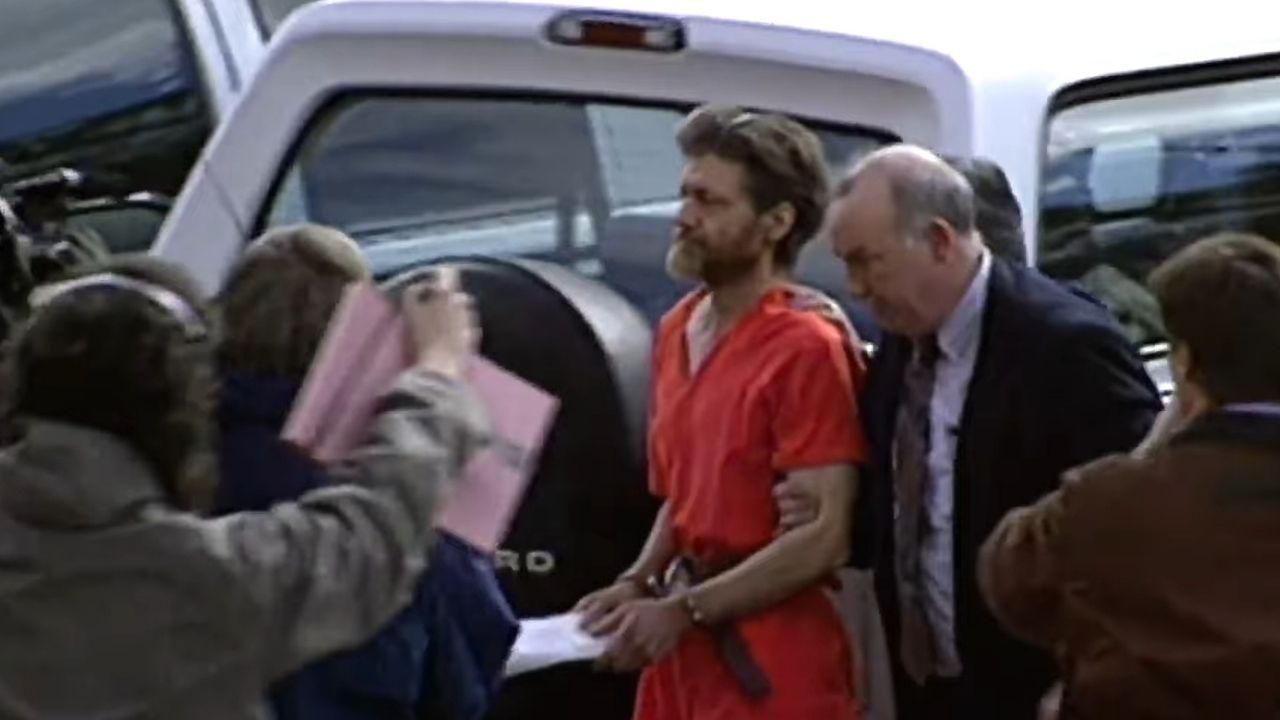
Ted Kaczynski died in prison in June 2023 at the age of 81, bringing a definitive end to the life of one of America’s most infamous domestic terrorists. His death closed a chapter on a criminal career that spanned nearly two decades and left an indelible mark on the nation’s psyche. Yet, the debate surrounding his legacy, the validity of his anti-technology screeds, and how society remembers and portrays him continues.
Jonathan Epstein’s impassioned critique of the Netflix Unabomber movie serves as a crucial reminder of the human cost of Kaczynski’s campaign and the enduring pain inflicted upon his victims and their families. As the film prepares for its premiere on September 25 on Netflix, the controversy highlights the ongoing tension between creative interpretation and the ethical imperative to portray historical events, particularly those involving acts of terror, with sensitivity, accuracy, and respect for those most deeply affected.