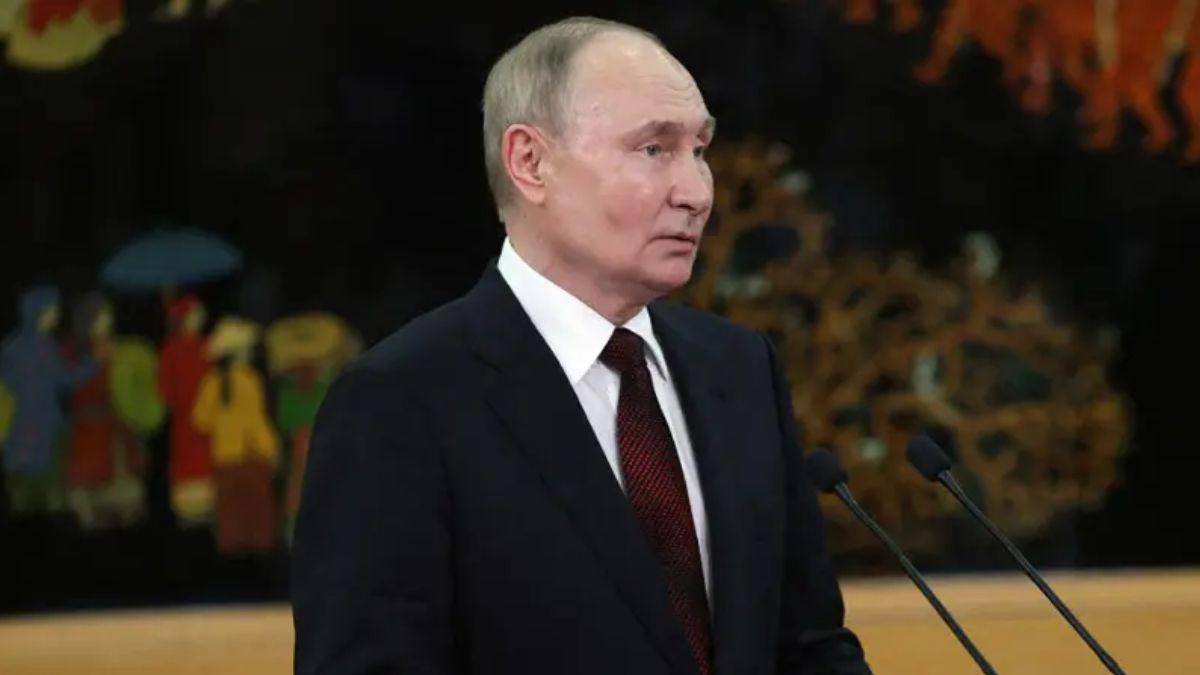
A recently circulated unedited video showing Russian President Vladimir Putin coughing and appearing to struggle for breath has reignited persistent Vladimir Putin health cover-up speculation. The footage, briefly published by the Kremlin before its swift deletion, features the 73-year-old leader attempting to clear his throat and remarking on its "scratchy" condition, intensifying long-standing well-being rumors surrounding his physical state.
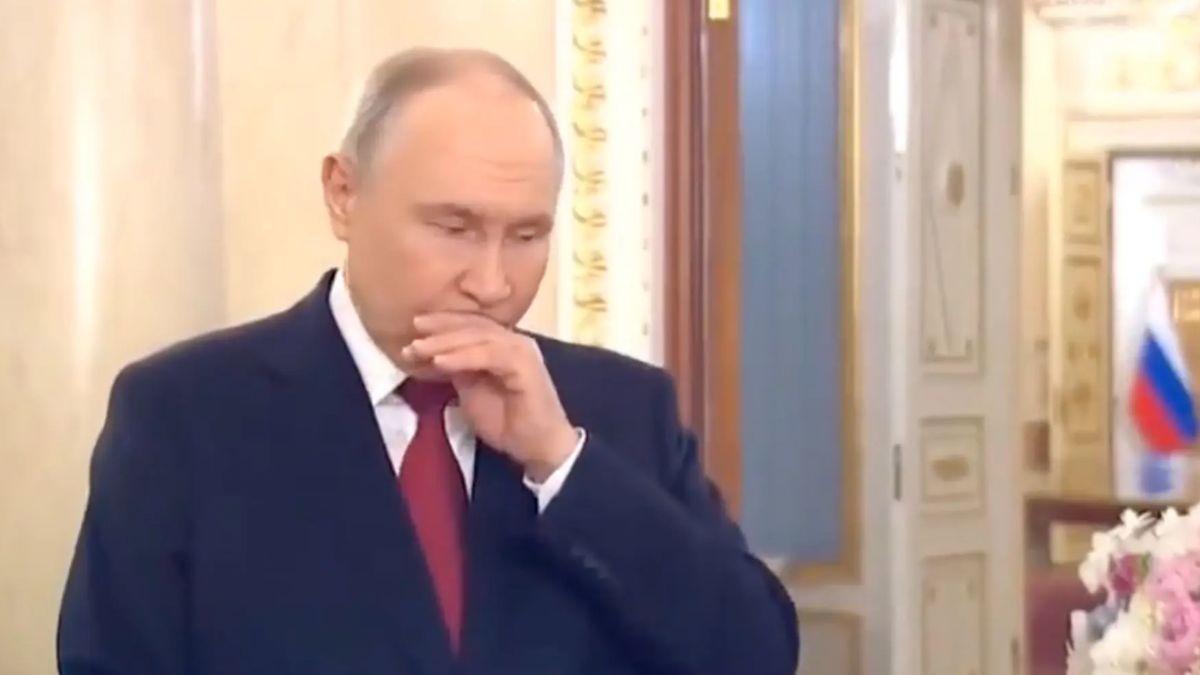
On Saturday, March 7, 2026, the official Kremlin website inadvertently uploaded an unedited version of President Putin’s address commemorating International Women’s Day. This rare lapse in media control captured the Russian leader in a moment of vulnerability, repeatedly pausing to clear his throat and comment on his physical discomfort. He was heard saying, "My throat’s a bit scratchy… I almost started coughing. I’ve been talking a lot today," before requesting another take.
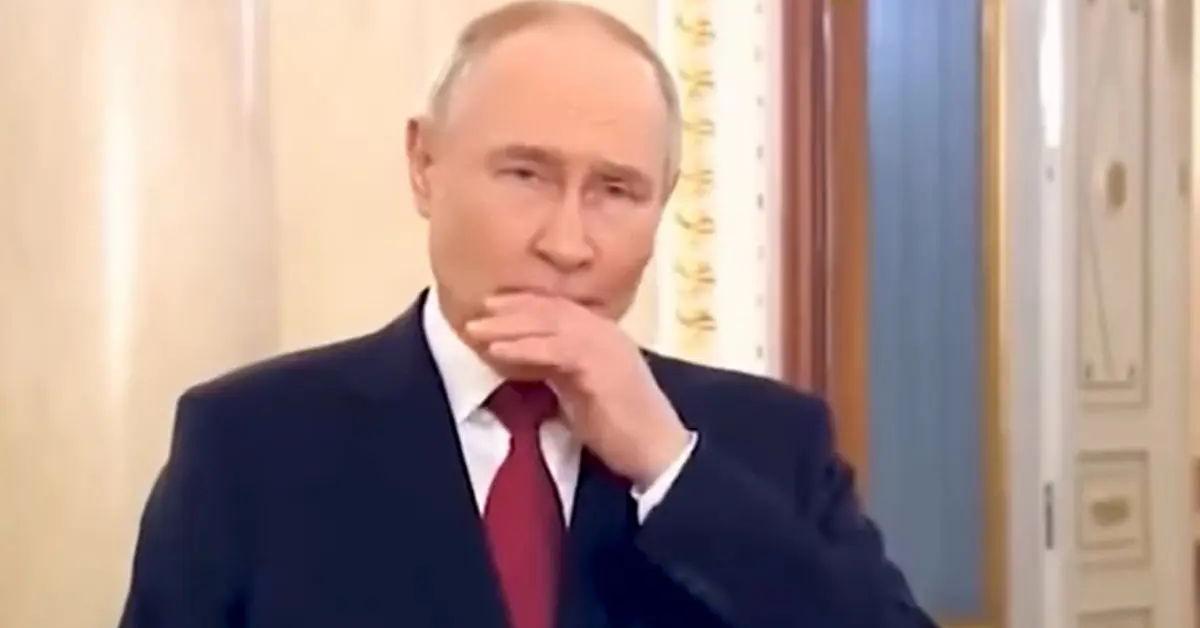
The unedited clip, which circulated for only a few minutes across various platforms, was quickly removed from official channels and replaced with a polished version. This swift action by the Kremlin underscored the meticulous control the Russian state exercises over its leader’s public image, particularly in an era where any sign of vulnerability is closely scrutinized. The incident provided a fleeting, unvarnished glimpse into the president’s condition, prompting renewed discussions among international observers.
A History of Persistent Health Speculation
This latest incident is merely the most recent chapter in a long-running narrative of health concerns about the Russian president. For years, international observers, critics, and intelligence analysts have pointed to various physical manifestations and behavioral patterns, speculating on potential serious ailments. Rumors have ranged from theories of Parkinson’s Disease to various forms of cancer or the lingering effects of a stroke. The Kremlin has consistently dismissed these claims as baseless propaganda and Western disinformation campaigns.
The tight-lipped approach to Putin’s health aligns with a broader pattern of state secrecy in Russia, where the private lives of leaders are rarely disclosed. However, the advanced age of the president, coupled with Russia’s pivotal role in global affairs, means that any perceived physical frailty quickly becomes a subject of intense geopolitical interest.

Specific Instances Fueling Rumors
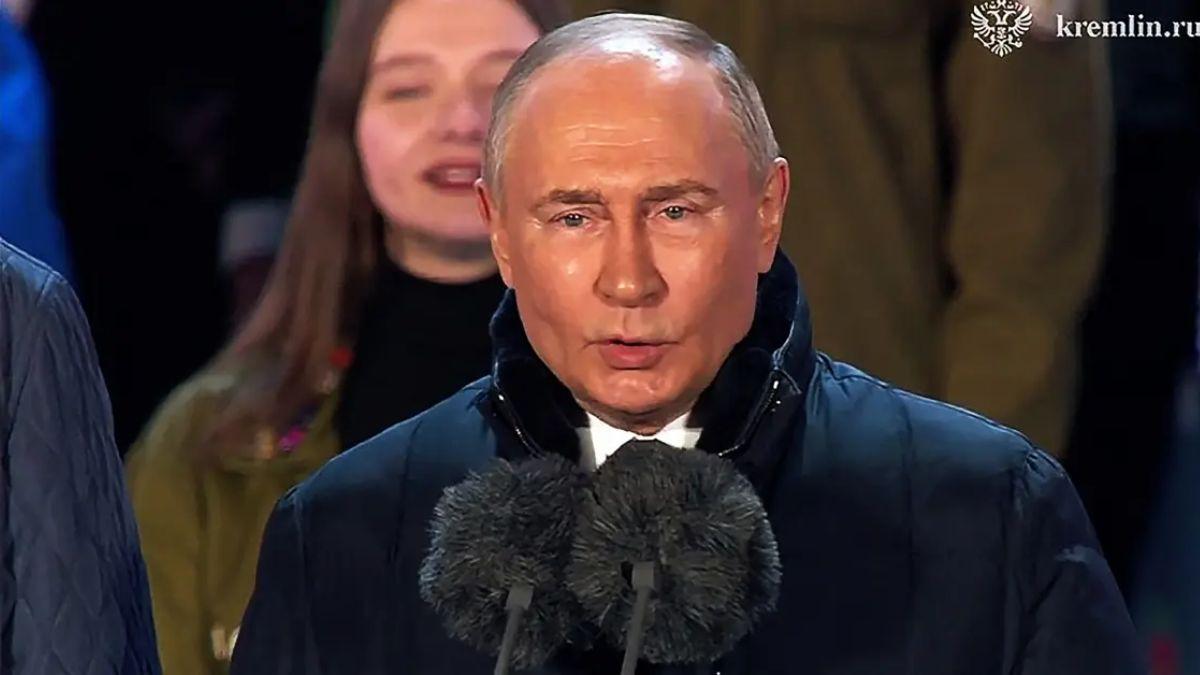
In November 2025, for example, social media and news outlets highlighted footage from a conference where President Putin’s legs appeared notably unsteady, and prominent veins were observed on his hands. These visual cues led to renewed public discussion about his physical stability and overall well-being. Such observations often become viral, feeding into existing narratives about his declining health.
Prior to that, in 2023, a report by The New York Times, citing leaked intelligence documents, suggested that President Putin might have been undergoing chemotherapy treatment. While unconfirmed by official Russian sources, such disclosures from intelligence circles contribute significantly to an ongoing narrative of a leader whose health is not only a closely guarded state secret but potentially a factor influencing state policy.
The Rise of ‘Body Double’ and AI Conspiracy Theories
The intense secrecy surrounding Putin’s health has also given rise to more extreme conspiracy theories, notably the persistent claim of "body doubles." Some theorists contend that the authentic Vladimir Putin passed away as early as 2023, possibly due to cardiac arrest. These individuals allege that the Kremlin has since employed multiple stand-ins to maintain the illusion of his continued leadership, with different "doubles" exhibiting varying physical characteristics or mannerisms.
Furthermore, the increasing sophistication of artificial intelligence has led to claims that pre-recorded footage and AI-generated content are being used to create a facade of presidential activity, further obscuring the true state of his well-being. These theories, while lacking concrete evidence, thrive in an environment of limited transparency and highlight the public’s struggle to discern truth from carefully constructed narratives. The deleted unedited video, however brief, ironically provided a rare moment that these conspiracy theories often suggest is actively suppressed.
Geopolitical Implications of a Leader’s Health
For a nation like Russia, where political power is highly centralized around a single figure, the health of its leader, particularly one as dominant and long-serving as President Putin, carries immense geopolitical weight. Any perceived physical frailty or cognitive decline can invite instability, both domestically and on the international stage. A weakened leader could embolden internal challengers or create a power vacuum, while adversaries might interpret signs of weakness as opportunities to press their agendas.
Internationally, the Russian president’s health is a constant subject of analysis by intelligence agencies and foreign governments. The stability of Russia’s leadership directly impacts global security, energy markets, and the trajectory of ongoing conflicts, such as the war in Ukraine. Therefore, any public display of vulnerability, however brief, becomes a matter of intense scrutiny for its potential broader implications.
Reactions from Critics and Information Control
Ukrainian President Volodymyr Zelensky has been among the most outspoken critics regarding Putin’s health, publicly stating last year that Putin "will die soon." This remark, while politically charged and reflecting the deep animosity of the ongoing conflict, also underscores a broader sentiment among some international figures who view any sign of Putin’s declining health as potentially significant for the future of regional and global stability.
Despite the persistent Vladimir Putin health cover-up rumors and occasional photographic or video anomalies, the Kremlin maintains a firm position: President Putin is in robust health. Russian state media consistently portrays him as vigorous, active, and fully in command. The rapid deletion of the unedited International Women’s Day video serves as a stark reminder of the rigorous information control exercised by the Russian state, particularly concerning the image and perceived strength of its leader. This incident highlights the profound challenges faced by international media and analysts in obtaining transparent information from Moscow.
Parallel Scrutiny: The Health of Other World Leaders
The intense examination of President Putin’s physical condition is not unique in global politics. Other prominent world leaders, particularly those of advanced age, frequently face similar public and media scrutiny regarding their health concerns. The physical and cognitive fitness of leaders is often seen as a crucial barometer of their ability to govern effectively, make sound decisions, and handle the immense pressures of their office. Public confidence can be significantly affected by perceptions of a leader’s health.
The Case of Donald Trump and Dementia Speculation
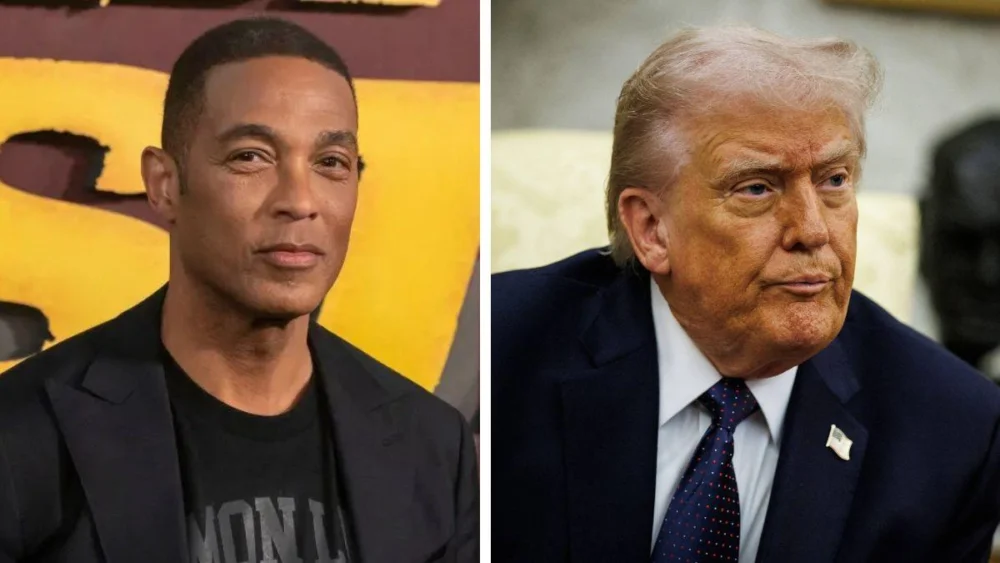
Former U.S. President Donald Trump has also been the subject of widespread health rumors during his political career, especially since taking the Oval Office for a second time last January. Turning 80 in June, Trump’s public appearances have prompted numerous questions about his physical and mental acuity. Observers have noted instances such as his frequent use of makeup to conceal bruised hands and reports of him appearing to nod off during Cabinet meetings. These incidents, widely circulated on social media, quickly become points of public debate.
More recently, an angry-looking rash on his neck drew significant media attention, adding to the ongoing speculation about his physical condition. Critics have also theorized about his cognitive function, with some suggesting he might be experiencing symptoms akin to dementia, a condition that affected his late father. Prominent media figures have openly addressed these concerns, such as former CNN journalist Don Lemon, who commented last fall on Trump’s perceived decline. "You ever look at someone and see that they ain’t all there, right?" Lemon reportedly asked on his show. "They ain’t all there anymore. But everybody around them is too scared to say it out loud. That’s where we are with Donald Trump." Such public discourse underscores the intense pressure on leaders to project an image of unwavering capability and highlights the media’s role in scrutinizing those in power.
The Enduring Challenge of Transparency
The incidents involving both President Putin and former President Trump highlight a persistent challenge in high-stakes global politics: the tension between a leader’s right to privacy and the public’s right to know about the health of those who wield immense power. In an era of pervasive media, instant communication, and global interconnectivity, any deviation from a carefully curated image can quickly become a global headline, fueling speculation and potentially impacting international dynamics. The pursuit of transparency regarding the well-being of world leaders remains a critical, yet often elusive, aspect of modern political reporting, continually shaped by official denials, leaked information, and public interpretation.