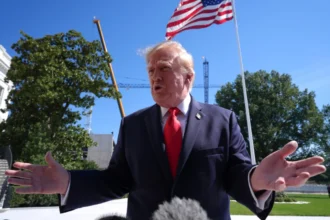
The United States and Venezuela have reportedly finalized a landmark oil agreement, described by President Donald Trump as the "biggest oil deal in world history," granting American entities significant control over an estimated 65 billion barrels of Venezuelan crude, a development met with both cautious optimism and sharp criticism regarding its potential predatory nature. This monumental accord, if fully realized, could fundamentally reshape global energy markets and recalibrate geopolitical alliances, while simultaneously igniting fierce debate over its ethical implications and long-term sustainability.
The Magnitude of the US-Venezuela Oil Deal
President Trump’s pronouncements have positioned this agreement as a strategic triumph for American energy independence and economic leverage. The sheer volume of oil involved – 65 billion barrels – represents a colossal addition to the U.S. strategic petroleum reserve and a significant shift in global oil supply dynamics. This figure dwarfs many existing international energy contracts, underscoring the potential transformative impact of this US-Venezuela oil deal.
The agreement’s specifics, though still under wraps in many respects, are understood to involve substantial investment from U.S. energy companies in rehabilitating Venezuela’s dilapidated oil infrastructure. In return, these companies would secure long-term access to a vast reservoir of crude, potentially stabilizing American energy prices and reducing reliance on volatile international markets. The prospect of such a large-scale US-Venezuela oil transaction has sent ripples through the global energy sector.
Historical Context and Preceding Negotiations
The path to this historic agreement has been long and fraught with political complexities. Venezuela, once a dominant force in the Organization of the Petroleum Exporting Countries (OPEC), has seen its oil industry crippled by years of mismanagement, corruption, and international sanctions. The nation’s crude output has plummeted from its peak, leaving its economy in dire straits and its infrastructure in disrepair.
Previous U.S. administrations had imposed stringent sanctions on Venezuela’s state-owned oil company, Petróleos de Venezuela, S.A. (PDVSA), aiming to pressure the Maduro regime. These sanctions, coupled with internal economic crises, exacerbated Venezuela’s production decline. The current administration’s pivot towards a collaborative energy pact represents a significant departure from prior policies, signaling a pragmatic approach to securing energy resources.
The negotiations leading to the US-Venezuela oil agreement were reportedly conducted in secret, away from the public eye, to avoid political interference and market speculation. Sources familiar with the talks suggest that a consensus was reached on the terms of operational control, revenue sharing, and the lifting of certain sanctions specifically related to this oil venture. The secrecy surrounding the deal has fueled speculation about its full scope and potential ramifications.
Key Provisions and Operational Framework
While official details remain scarce, initial reports indicate that the US-Venezuela oil deal will involve a phased approach to revitalizing Venezuela’s oil fields. U.S. energy corporations, leveraging their technological expertise and capital, are expected to invest heavily in upgrading aging refineries and extraction equipment. This investment is crucial for Venezuela to regain its former production capacity.
The agreement likely includes provisions for the direct management of specific oil blocks by U.S. companies, giving them significant operational autonomy. This control would extend to exploration, extraction, refining, and transportation of Venezuelan crude. The 65 billion barrels represent proven reserves, but unlocking this potential requires substantial investment and a stable operating environment, which the U.S. involvement is intended to provide.
Furthermore, the deal is presumed to outline a framework for the repatriation of profits and the establishment of joint ventures. This structure aims to ensure that both the U.S. and Venezuela benefit from the revived oil sector, though the exact distribution of benefits is a key point of contention among critics. The success of this US-Venezuela oil accord hinges on the effective implementation of these operational and financial mechanisms.
Analysis: Strategic Implications for the U.S.
For the United States, securing such a vast oil reserve offers unparalleled strategic advantages. It could significantly bolster the nation’s energy security, reducing its vulnerability to price shocks and geopolitical instability in other oil-producing regions. The ability to tap into a reliable and massive source of crude oil would provide a substantial buffer against future supply disruptions.
The economic implications are equally profound. A steady influx of Venezuelan oil could help stabilize domestic energy prices, benefiting consumers and businesses alike. It could also spur job creation within the U.S. energy sector, from exploration and production to refining and logistics. This makes the US-Venezuela oil deal a potential catalyst for renewed economic growth.
Moreover, the deal represents a significant geopolitical play. By deepening its energy ties with Venezuela, the U.S. could exert greater influence in Latin America and potentially counter the growing economic presence of other global powers in the region. It shifts the dynamics of energy trade away from traditional suppliers and towards a more diversified portfolio for the United States.
Criticisms and Concerns: A Predatory Accord?
Despite the administration’s optimistic framing, the US-Venezuela oil deal has drawn sharp criticism from various quarters. Human rights organizations and political opponents have decried the agreement as potentially predatory, arguing that it exploits Venezuela’s economic desperation. Critics contend that the terms may unfairly benefit U.S. corporations at the expense of the Venezuelan people, who have endured decades of economic hardship and political turmoil.
Concerns have also been raised about the ethical implications of engaging with the Maduro regime, which has been accused of widespread human rights abuses and undemocratic practices. Critics argue that by entering into such a lucrative deal, the U.S. is effectively legitimizing and financially supporting a government that lacks democratic legitimacy. This aspect of the US-Venezuela oil agreement is a significant point of ethical debate.
Furthermore, questions persist about the environmental impact of vastly increasing oil extraction from Venezuela. Critics warn of potential ecological damage in a region already vulnerable to environmental degradation, especially given the historical challenges in maintaining safe and sustainable oil operations in Venezuela. The long-term sustainability and environmental stewardship of this massive US-Venezuela oil venture are subjects of intense scrutiny.
The Venezuelan Perspective and Internal Impact
Within Venezuela, the reception to the US-Venezuela oil deal is likely to be mixed. For proponents, it represents a lifeline for a nation teetering on the brink of collapse. The prospect of renewed oil revenue could fund essential public services, create much-needed employment, and begin to rebuild a shattered economy. The potential for increased oil production is seen as a path to recovery.
However, many Venezuelans remain deeply skeptical, given the country’s history of resource exploitation and political corruption. There are fears that the benefits of the oil deal will not trickle down to the general population, but rather enrich a select few, further exacerbating social inequalities. The legacy of previous oil booms, which failed to translate into widespread prosperity, fuels this apprehension.
The agreement also raises questions about Venezuela’s sovereignty. While the government may tout it as a national triumph, critics argue that granting foreign entities significant control over its most valuable natural resource could undermine the country’s independence and long-term economic self-determination. The terms of the US-Venezuela oil accord will be closely scrutinized by those concerned with national interests.
Global Ramifications and Market Adjustments
The implications of this colossal US-Venezuela oil deal extend far beyond the borders of the two nations. The sheer volume of Venezuelan crude entering the market, even if phased in, could put downward pressure on global oil prices. This would have a ripple effect on oil-exporting nations worldwide, potentially impacting their economies and geopolitical standing.
OPEC members, in particular, may find their market share and pricing power challenged. A significant increase in non-OPEC supply, originating from Venezuela under U.S. influence, could disrupt the delicate balance of the global oil market. The strategic realignment of a major oil producer like Venezuela, away from its traditional alliances and towards a U.S.-centric model, is a significant geopolitical event.
Energy analysts are closely monitoring the situation, predicting potential shifts in global trade flows and investment patterns within the energy sector. The long-term stability of the Venezuelan oil industry, even with U.S. backing, remains a crucial factor in assessing the overall impact of this landmark US-Venezuela oil agreement.
Next Steps and Future Uncertainty
The realization of the "biggest oil deal in world history" is contingent on numerous factors. The successful rehabilitation of Venezuela’s oil infrastructure will require sustained investment, stable governance, and a conducive geopolitical environment. Any resurgence of political instability or renewed international sanctions could derail the entire operation.
Furthermore, the legal and regulatory frameworks governing the deal will need to be robust and transparent to ensure fair practice and prevent future disputes. The specifics of how the U.S. government will oversee and facilitate this massive energy undertaking remain to be fully elucidated. The ongoing scrutiny of the US-Venezuela oil accord by international bodies and advocacy groups will also play a significant role.
As this unprecedented energy pact begins to unfold, its true impact will be measured not only in barrels of oil or financial gains but also in its broader consequences for regional stability, economic equity, and environmental stewardship. The coming months and years will reveal whether this ambitious US-Venezuela oil deal lives up to its monumental claims or becomes another chapter in the complex and often fraught history of international resource management.