Convicted murderer Chris Watts, currently serving multiple life sentences for the brutal killing of his pregnant wife and two young daughters, has reportedly submitted an application to marry Lizzie Henderson. The development comes as Watts continues his incarceration at Dodge Correctional Institution in Wisconsin, drawing renewed public attention to a case that has horrified the nation and sparked widespread fascination with the darker aspects of human behavior. Henderson’s reported intentions to wed one of America’s most infamous family annihilators have raised questions about her background and the unusual nature of their relationship.
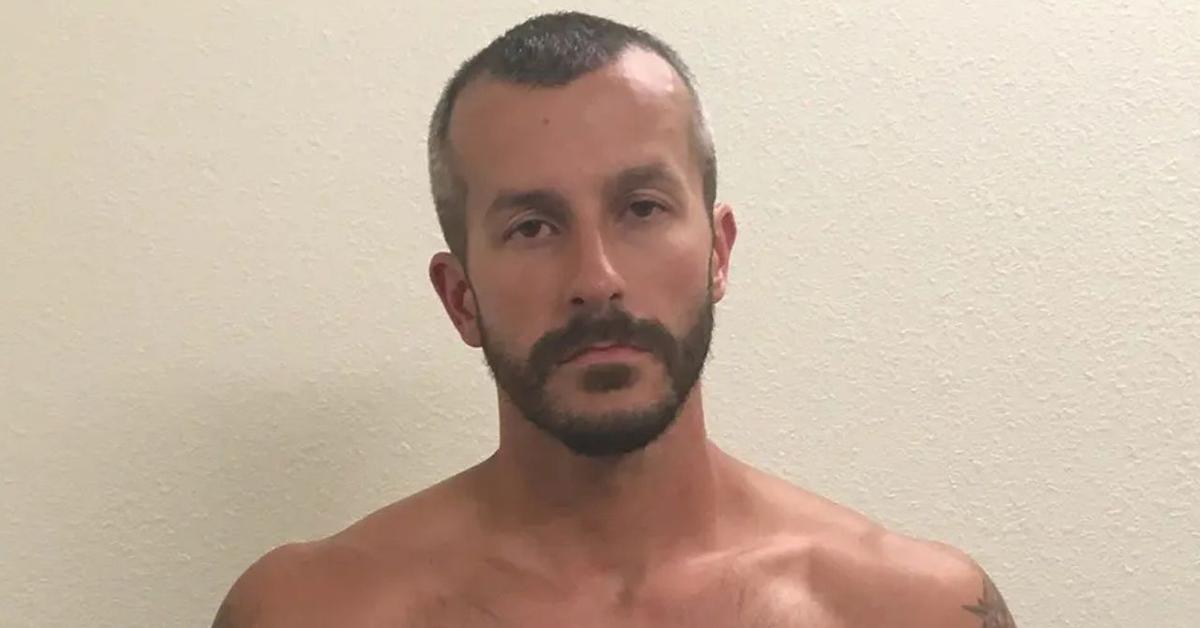
The case of Chris Watts first garnered national headlines in August 2018 when he reported his pregnant wife, Shanann Watts, and their two daughters, four-year-old Bella and three-year-old Celeste, missing from their Frederick, Colorado home. Initially appealing for their safe return, Watts’ composure quickly unraveled under police questioning. He eventually confessed to strangling Shanann and then smothering his daughters after disposing of their bodies in oil tanks at the Anadarko Petroleum site where he worked. The horrific details of the murders, including his initial attempts to frame Shanann for the children’s deaths, shocked the public and were widely documented across various media platforms.
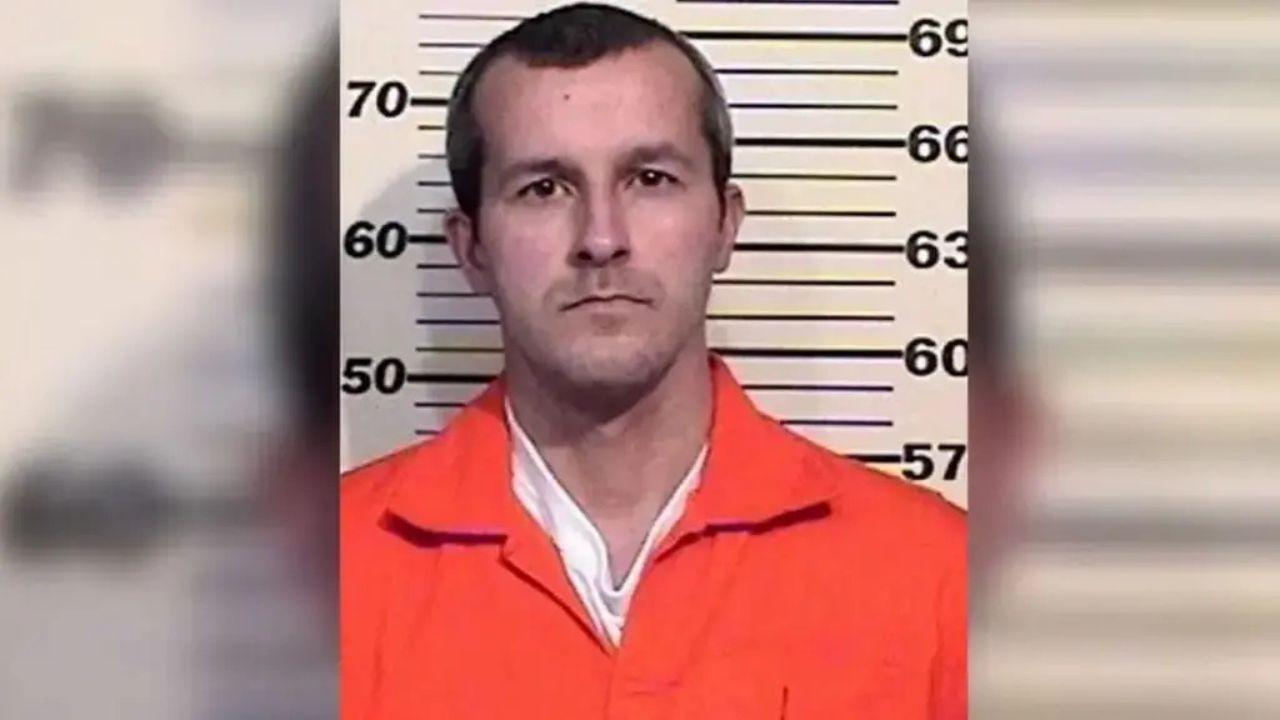
In November 2018, Watts pleaded guilty to five counts of first-degree murder, among other charges, avoiding the death penalty in exchange for his plea. He received five life sentences without the possibility of parole, serving his time in a maximum-security prison in Wisconsin. His transfer from Colorado was due to security concerns following the intense public scrutiny and the nature of his crimes. The Watts family murders continue to be a subject of numerous true crime documentaries, books, and podcasts, cementing Chris Watts’ place in the annals of notorious American criminals.

Since his incarceration, reports have frequently emerged detailing Chris Watts’ correspondence with various women. These interactions often take the form of "pen pal" relationships, with some women reportedly sending him "racy letters" and professing their belief in his innocence or misunderstanding. Sources close to the prison environment have indicated that Watts engages in these exchanges as a means to "feed his ego," as he reportedly holds little standing among fellow inmates and is housed in protective custody. This pattern of seeking external validation appears to have evolved into a more serious relationship with Lizzie Henderson, culminating in the recent reports of their intent to marry.
Lizzie Henderson, identified as a 39-year-old realtor originally from Cleveland, Ohio, has become the focal point of Watts’ prison romance. While details about how the two initially connected remain private, Henderson has publicly acknowledged the existence of their relationship. Beyond her real estate profession, which includes a license to practice in Wisconsin, Henderson was reportedly employed at a supermarket when her connection to Watts first came to light. Her decision to pursue a relationship with a high-profile, convicted murderer has inevitably drawn intense public scrutiny and speculation.

In a significant move to foster their connection, Lizzie Henderson, accompanied by her mother, relocated from Ohio to Wisconsin. This relocation places her geographically closer to Dodge Correctional Institution, where Chris Watts is serving his life sentences. Prison visitation logs confirm the extent of their relationship, showing that Henderson spent Christmas Day with Watts in 2024 and made more than 20 visits to him throughout 2025. This consistent contact underscores the seriousness of their bond, despite the extraordinary circumstances of Watts’ imprisonment. Henderson herself has acknowledged that some observers might find her relationship with Watts "weird," yet she maintains that the specifics of their courtship are a private matter between "me, him and God."
The most recent and compelling development in their relationship is the reported submission of a marriage request through the prison system at Dodge Correctional Institution. Henderson’s relatives have reportedly confirmed these marriage plans, with her former stepfather, George Wilson Jr., stating his awareness of both the relationship and the application to marry. Further evidence suggesting the pair’s commitment includes reports that Lizzie Henderson has begun using the name "Lizzie Watts" within her family circles. Moreover, she has reportedly applied for a confidential name change, and photographs have emerged depicting her wearing wedding rings on her left hand during visits to the correctional facility. These actions strongly indicate a firm intention to formalize their union.
When questioned about Chris Watts’ heinous crimes, Lizzie Henderson has maintained a notably reserved stance. She stated, "How I feel about it? He knows. He knows how I feel," adding that she wishes to "respect them" – presumably referring to the victims and their surviving family. Henderson also described the murders as "something harsh for anyone to experience." Her carefully worded responses reflect the immense sensitivity surrounding Watts’ past actions while simultaneously navigating her public identity as his partner. This delicate balance highlights the unique challenges and moral complexities inherent in forming a relationship with an individual convicted of such egregious offenses.
The news of Chris Watts’ reported marriage plans with Lizzie Henderson has ignited considerable public debate and analysis regarding the broader implications of such relationships. Psychologists and sociologists have long studied phenomena like hybristophilia, an attraction to individuals who have committed horrific crimes. While it is not appropriate to diagnose Henderson, her situation resonates with documented cases where individuals, often women, form deep emotional or romantic attachments to notorious criminals. These relationships frequently spark controversy, raising ethical questions about the rights of incarcerated individuals, the concept of rehabilitation, and the potential emotional impact on the victims’ families, who are forced to relive the trauma of the crimes through renewed media attention.
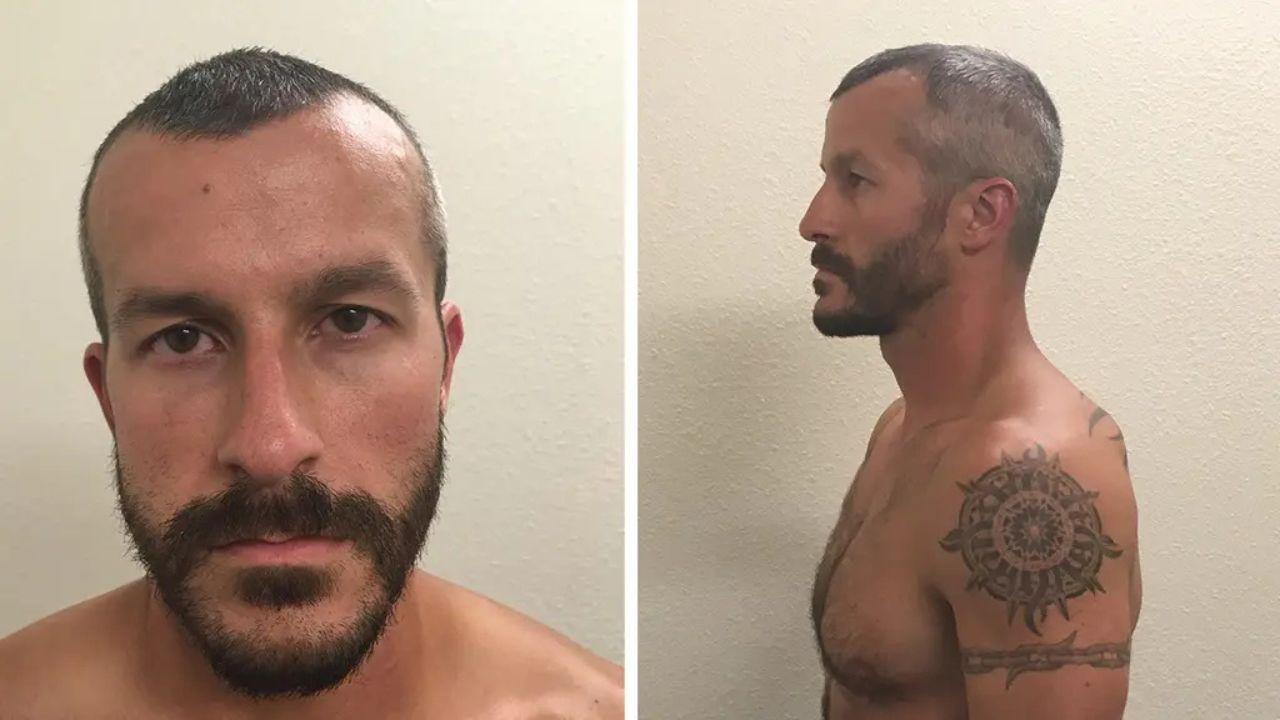
Within the U.S. prison system, inmates generally retain the right to marry, though specific regulations vary by state and correctional facility. In Wisconsin, like many states, marriage for incarcerated individuals is typically permitted, but it involves an administrative approval process that considers security concerns and the individual’s conduct. It is important to note that marriage to an incarcerated person serving multiple life sentences, particularly for crimes as severe as Watts’s, does not typically grant conjugal visits, nor does it alter the terms of their imprisonment. For Chris Watts, this marriage, if approved, would be largely symbolic, marking a personal commitment within the confines of his permanent incarceration.
The reported marriage plans of Chris Watts and Lizzie Henderson serve as a stark reminder of the enduring public fascination with high-profile criminal cases and the unexpected turns the lives of those involved can take. While the legal and practical consequences for Watts remain unchanged – he will continue to serve his life sentences without parole – the social and ethical dimensions of this relationship continue to spark debate. For the families of Shanann, Bella, and Celeste Watts, such developments can reopen old wounds, forcing them to confront the ongoing public spectacle surrounding their tragic loss. As the process unfolds, the story of Lizzie Henderson and Chris Watts will undoubtedly remain a subject of intense public discussion, illustrating the complex intersection of crime, punishment, and personal choice in the modern age.