
Jonathan Taylor Thomas, the former child star of the hit sitcom Home Improvement, was recently detained in Westlake Village, California, following a traffic stop where he was a passenger in a vehicle under investigation for driving under the influence (DUI). Authorities allege that Thomas, 45, was arrested on September 21, 2026, not for impairment behind the wheel, but for his conduct during the roadside inquiry, specifically for alleged obstruction of justice and public intoxication after reportedly exiting the vehicle against police orders.
The incident has drawn attention to the lesser-understood legal responsibilities of passengers during police encounters and the fine line between lawful detention and arrest. Thomas’s unexpected brush with the law marks a rare public appearance for the actor, who largely receded from the Hollywood spotlight decades ago, making the circumstances of his arrest a subject of significant public and legal interest.
The Evening’s Events: A DUI Stop Escalates
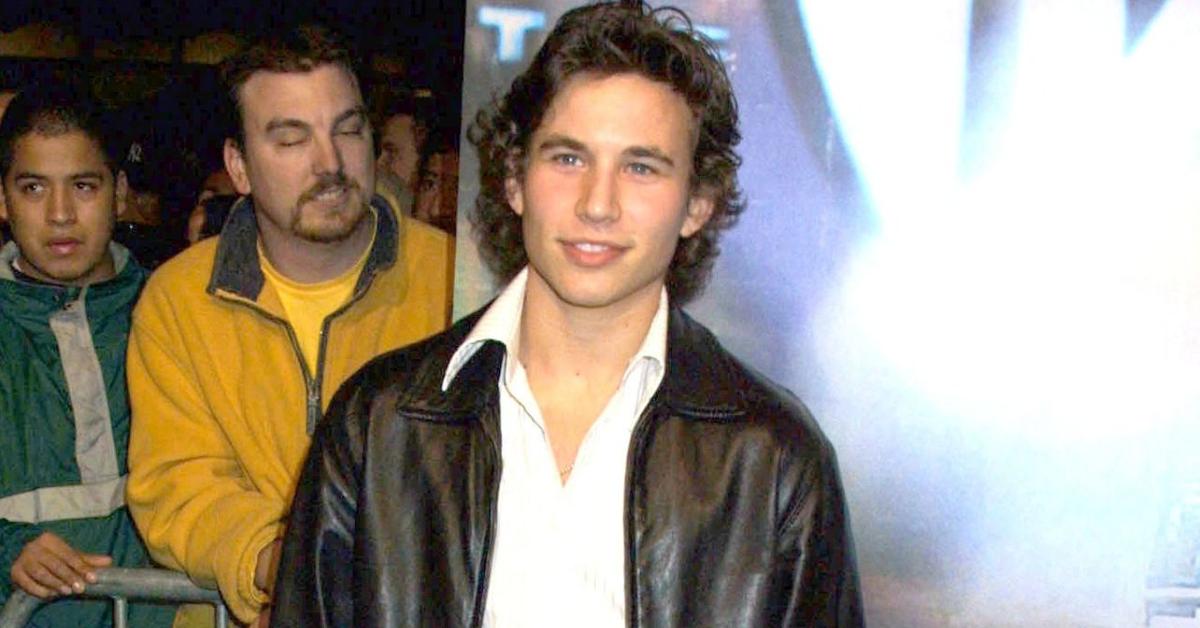
The events unfolded in the early hours of September 21 in Westlake Village, a city known for its tranquil suburban environment in Los Angeles County. Law enforcement initiated a traffic stop on a vehicle due to suspicions of a DUI. Jonathan Taylor Thomas was present in the vehicle as a passenger.
According to a law enforcement source, the driver of the vehicle was undergoing a standard DUI investigation when Thomas allegedly decided to exit the car. Deputies on the scene reportedly instructed the actor to remain seated and inside the vehicle, but these instructions were purportedly ignored. This alleged refusal to comply led to a more serious confrontation.
Charges of Obstruction and Public Intoxication
Following his alleged non-compliance, Thomas was arrested for obstruction and public intoxication. He was booked into custody at approximately 1:50 a.m. and subsequently released over 34 hours later, a duration that suggests a significant period of processing and holding. The details of the driver’s DUI investigation or any potential charges against the driver have not yet been made public.

The charges against Thomas highlight a critical aspect of traffic stops: while the initial focus may be on the driver, passengers are also subject to police authority and must comply with lawful commands. His arrest underscores that even a passenger’s actions can quickly escalate a routine stop into a more serious legal predicament.
Understanding Passenger Rights and Obligations During a DUI Stop
Legal experts emphasize that passengers, like drivers, have specific rights and responsibilities when law enforcement conducts a traffic stop. Geoffrey S. Corn, director of the Center for Military Law and Policy at Texas Tech University School of Law, provided insight into these legal parameters, noting that the Fourth Amendment requires any seizure of a person to be reasonable under the law. This foundational principle dictates the boundaries of police action.
Corn explained that police may briefly detain individuals when they possess "reasonable suspicion" of wrongdoing, a threshold lower than the "probable cause" required for an arrest. During such an investigatory stop, officers are generally empowered to issue instructions to both drivers and passengers to ensure officer safety and maintain control of the scene.

The Nuance of Police Directives for Passengers
A common misconception is that passengers are free to act as they please during a traffic stop since they are not the target of the initial investigation. However, this is not the case. Corn clarified that "police may automatically require both driver and passengers to exit a vehicle during a lawful stop." Conversely, they can also require individuals to remain inside.
In Thomas’s situation, the allegations suggest he did the opposite of what was commanded, reportedly exiting the vehicle when instructed to remain seated. Whether these actions legally constitute obstruction would depend on the specific circumstances and the legality of the deputies’ instructions. Obstruction of justice typically involves interfering with a police officer’s duties or hindering an investigation.
From Temporary Detention to Formal Arrest

The distinction between a temporary detention and a full arrest can often be blurred at the scene of a traffic stop, particularly in high-stress situations. Corn reiterated that for an arrest to be considered reasonable and lawful, law enforcement must always establish probable cause. This higher standard means officers must have sufficient evidence to believe that a crime has been committed.
In many scenarios, an initial reasonable suspicion can "blossom" into probable cause as an investigation unfolds, justifying an arrest. If probable cause is not established, however, the detention must conclude. Thomas’s lengthy detention—over 34 hours—suggests that probable cause for his alleged offenses was determined by the arresting officers.
Jonathan Taylor Thomas: A Career Defined by Retreat
Jonathan Taylor Thomas rose to prominence in the 1990s as Randy Taylor on the immensely popular ABC sitcom Home Improvement, charming audiences with his quick wit and mischievous grin. His role made him one of the most recognizable child stars of his era. However, at the height of his fame, Thomas made the unconventional decision to largely step away from acting in the early 2000s, opting instead to pursue higher education and a more private life.
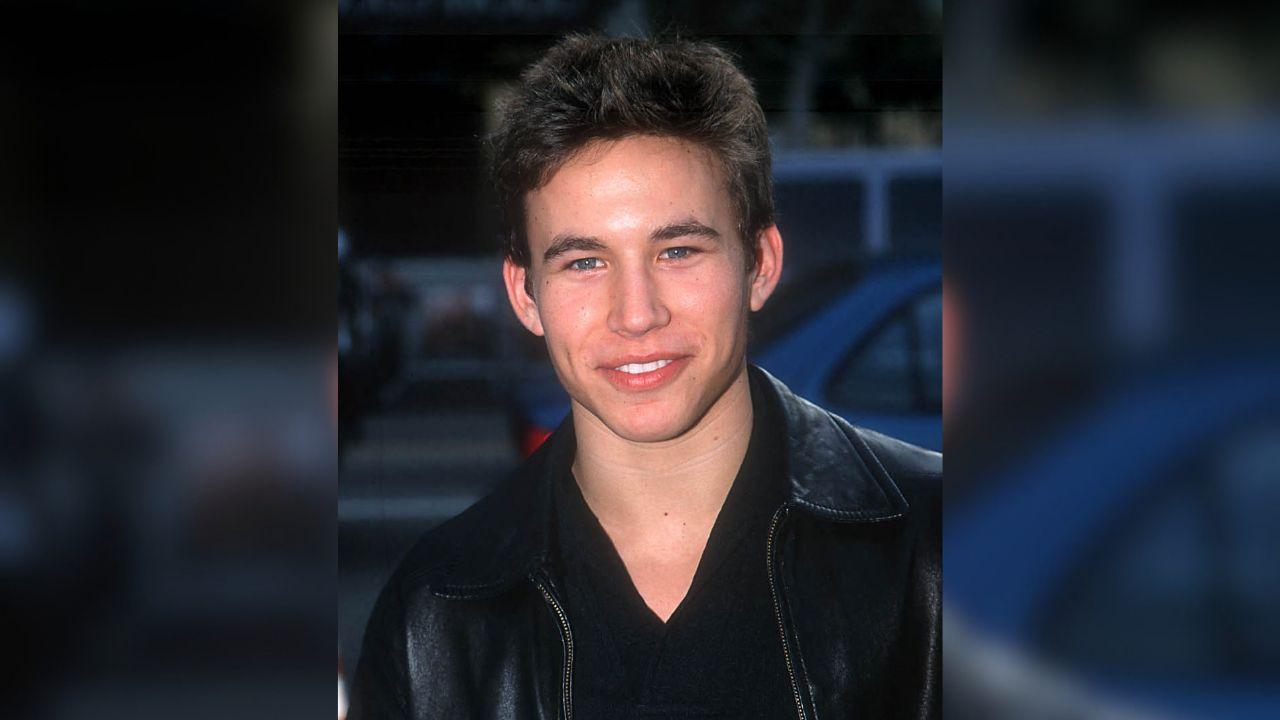
His withdrawal from the public eye was a stark contrast to many of his peers, fostering an enduring curiosity about his whereabouts among fans. He made a few notable guest appearances on Tim Allen’s subsequent sitcom, Last Man Standing, between 2013 and 2015, which briefly brought him back into the public consciousness. Since then, he has maintained an exceptionally low public profile, making this recent arrest a significant, and unexpected, return to the headlines.
Broader Implications: Celebrity, Law, and Public Conduct
The arrest of a celebrity, particularly one who has been out of the public eye for so long, inevitably sparks widespread public interest. This incident also serves as a potent reminder for the general public about the serious legal ramifications of interfering with law enforcement, even as a passenger during a routine traffic stop. The expectation of compliance with police directives applies to everyone, regardless of their celebrity status.
Beyond the immediate legal context, the situation may reignite conversations about the pressures faced by former child stars and the challenges of navigating adult life after early fame. While Thomas’s personal choices have largely remained private, this incident places him back under public scrutiny, even if temporarily.

The Road Ahead: Unfiled Charges and Legal Review
As of the current reporting, the district attorney’s office has not yet filed formal charges against Jonathan Taylor Thomas. This means that while he was arrested and detained, prosecutors are still reviewing the case. They have the discretion to decide whether to pursue charges, decline to file them, or request further investigation. The applicable statute of limitations for the alleged offenses will dictate the timeframe within which charges can be brought.
The ultimate legal outcome for Thomas remains uncertain, dependent on the ongoing review by the district attorney and any potential legal defense he may mount. For the driver involved in the initial DUI investigation, the legal process will also continue independently. This event underscores the complexities inherent in roadside encounters and the legal system’s methodical, often lengthy, process in addressing alleged infractions.