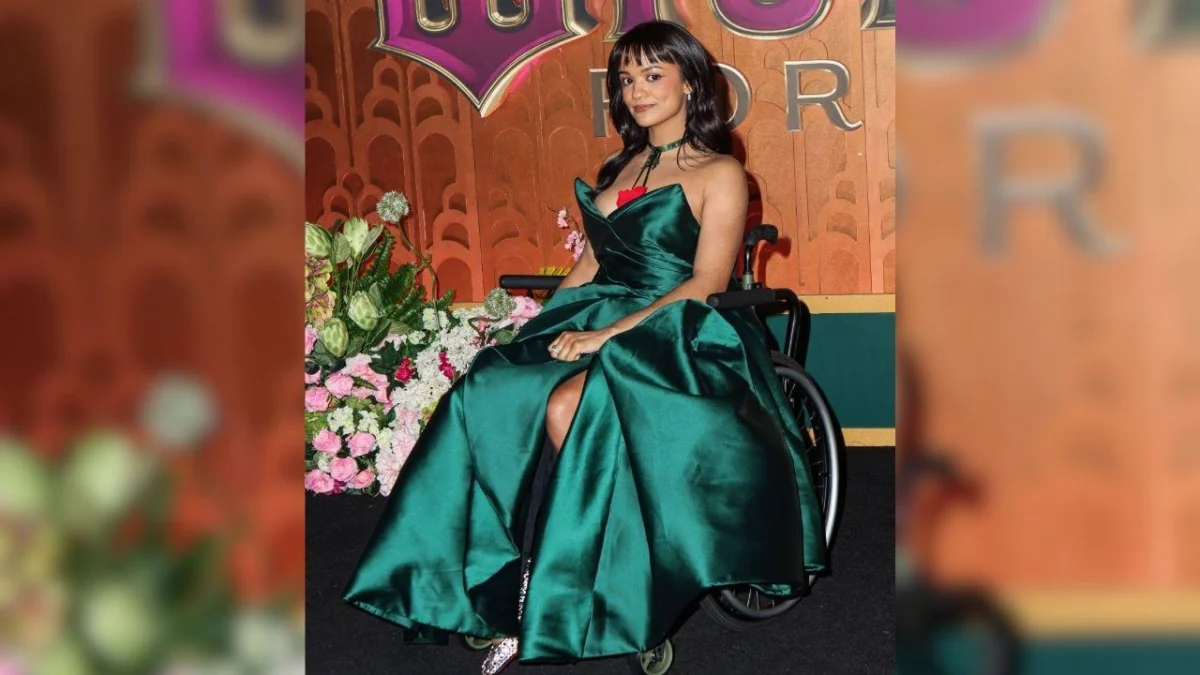
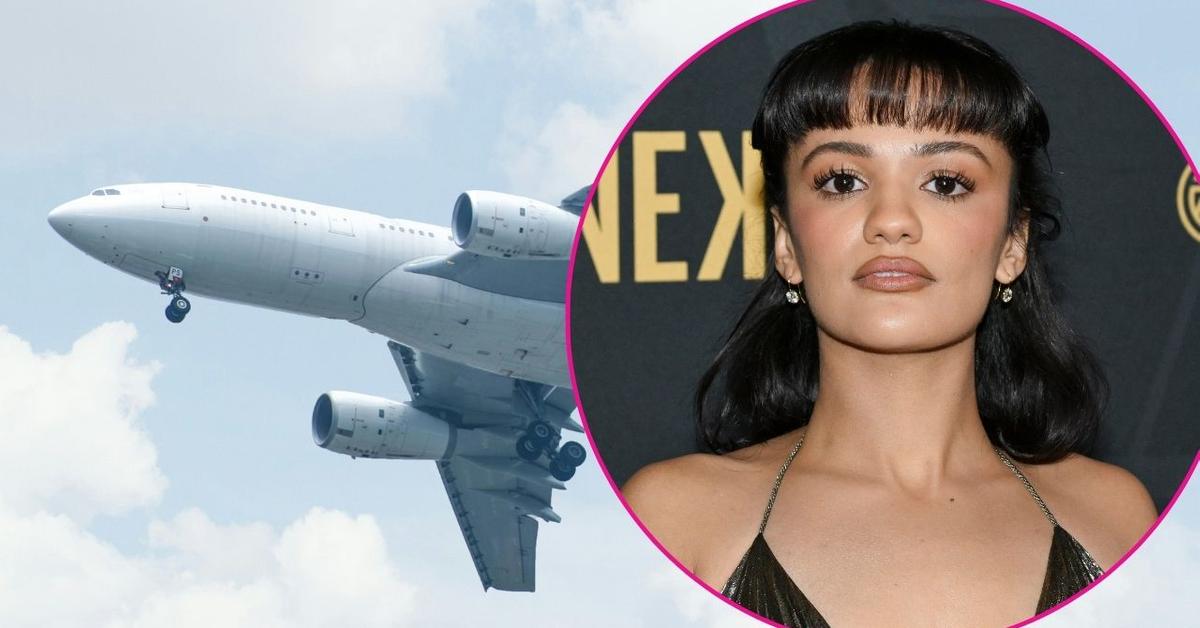
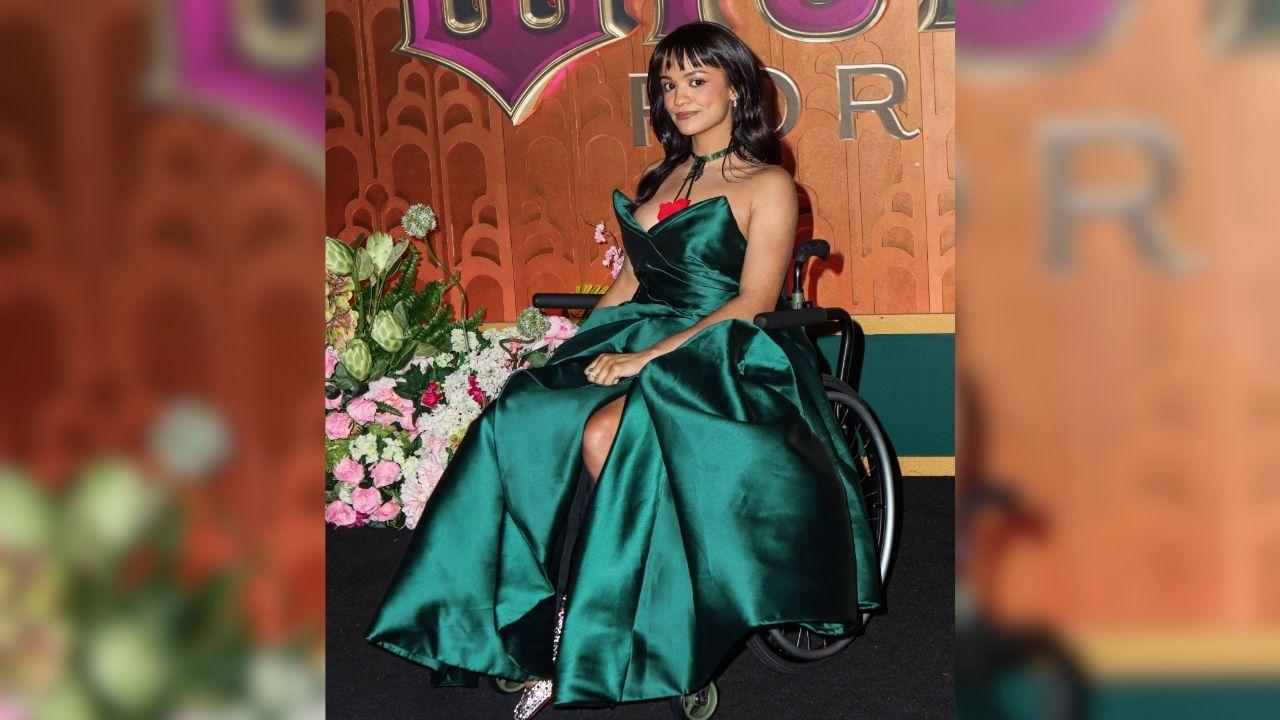
Marissa Bode, known for her role as Nessarose in the upcoming film adaptation of "Wicked," publicly accused Southern Airways of denying her boarding on a flight due to her disability. The actress, who uses a wheelchair, detailed the distressing encounter in an April 23 TikTok video, sparking a broader conversation about accessibility challenges faced by disabled travelers in the aviation industry. Bode’s account highlights persistent systemic issues and a perceived lack of accommodation, particularly within smaller regional carriers.
A Star’s Journey Interrupted: The Incident Details
The incident unfolded as Bode was en route to a speaking engagement in a small Pennsylvania town. Her itinerary necessitated a transfer from a United Airlines flight to a connecting service operated by Southern Airways. While her initial leg with United Airlines proceeded without incident, the transition to the smaller regional carrier proved to be the point of contention.
Upon arriving at the gate for her Southern Airways flight, Bode encountered two gate agents. She recounted that they directly questioned her ability to stand independently. When she truthfully replied that she could not, she was immediately informed that she would be denied boarding. The agents cited two primary reasons for their decision: her wheelchair was deemed too heavy for the aircraft, and all planes within the Southern Airways fleet reportedly featured stairs for boarding, making independent access impossible for someone unable to stand.
The Airline’s Rationale: Weight and Accessibility Concerns
Bode expressed profound disbelief and frustration at the airline’s explanation. She challenged the notion that a commercial airline would operate without any prior accommodation for disabled passengers, questioning whether Southern Airways had never before transported individuals with mobility impairments. The actress described the airline as "extremely, extremely small," suggesting that its operational model might be based on a flawed assumption that disabled passengers do not typically utilize their services.
The issue of wheelchair weight and aircraft design are common, yet often unresolved, challenges for disabled travelers, especially on regional routes. Smaller aircraft, frequently used by commuter airlines like Southern Airways, often have cargo holds with limited space and weight capacities compared to larger commercial jets. Furthermore, many regional planes are designed without jet bridges in mind, requiring passengers to board via mobile stairs, which presents a significant barrier for wheelchair users. However, federal regulations mandate that airlines must make reasonable accommodations.
"Blatant Segregation": Bode’s Outcry and Public Awareness
Bode did not mince words in her TikTok address, labeling the experience "blatant segregation." She issued a direct warning to her "disabled peers" to avoid flying with Southern Airways, emphasizing her conviction that "disabled people are not an afterthought." Her powerful statement resonated widely, leveraging her growing public platform as an actress in a highly anticipated film to shed light on a critical issue.
The use of social media platforms like TikTok has become an increasingly vital tool for individuals to share personal experiences of discrimination and advocate for change. Bode’s video quickly gained traction, drawing attention to the often-overlooked struggles faced by disabled individuals navigating public transportation. Her candid account serves as a testament to the ongoing need for greater awareness and accountability within industries that serve the public.
Connecting Personal Experience to Broader Issues
Marissa Bode’s role as Nessarose in "Wicked" adds another layer of significance to her advocacy. Nessarose, a prominent character in the story, is also a wheelchair user, a portrayal that has been praised for its representation of disability on screen. Bode’s real-life experience underscores the stark contrast between fictional representation and the often-harsh realities faced by disabled individuals in their daily lives.
Her public stance extends beyond a personal grievance, becoming a rallying cry for improved accessibility across the travel sector. It highlights the discrepancy between legal protections and practical implementation, prompting discussions on how airlines can better train their staff, update their infrastructure, and revise policies to ensure equitable access for all passengers. The incident also reignites conversations about the responsibility of public figures to use their visibility to champion important social causes.
Legal and Ethical Landscape of Air Travel Accessibility

In the United States, the Air Carrier Access Act (ACAA) of 1986 prohibits discrimination against individuals with disabilities in air travel. This federal law mandates that airlines provide a range of accommodations, including assistance with boarding and deplaning, stowing and returning wheelchairs, and providing accessible lavatories on certain aircraft. Airlines are generally prohibited from refusing transportation to passengers based solely on their disability, provided they do not pose a direct threat to the health or safety of others.
However, the application of ACAA can become complex with smaller regional carriers and older aircraft designs. While airlines are required to make "reasonable modifications" to their policies and practices, there can be operational limitations related to aircraft size, weight capacity, and structural configurations. The Department of Transportation (DOT) oversees these regulations and investigates complaints, but enforcement can be slow, and the burden often falls on the individual to report violations.
Challenges for Regional Airlines and Smaller Aircraft
The operational realities of "extremely, extremely small" airlines, as Bode described Southern Airways, often present unique challenges for accessibility. Many regional fleets consist of turboprop aircraft or smaller regional jets that were not initially designed with modern accessibility standards in mind. These planes frequently lack built-in accessible boarding ramps or the robust cargo hold capacities found on larger mainline aircraft.
Weight restrictions for both passengers and cargo are often more stringent on smaller planes, and the process of manually loading heavy or oversized mobility devices can be logistically difficult and time-consuming for ground crews. This does not, however, absolve airlines of their responsibility to provide service. Instead, it highlights the need for airlines to transparently communicate their capabilities and limitations before booking, and to invest in appropriate equipment and staff training to handle diverse passenger needs.
Industry Standards and Best Practices for Disabled Travelers
Best practices within the airline industry for accommodating disabled travelers include comprehensive staff training on disability awareness and assistance protocols. Airlines are encouraged to provide clear information about aircraft capabilities and any potential limitations regarding mobility aids at the time of booking. Advance notice from passengers about their specific needs, while helpful, is not legally required for basic accommodations.
When a wheelchair is deemed too large or heavy, airlines are expected to explore all possible alternatives, such as providing an airline-specific wheelchair or offering assistance to transfer to a seat. Outright denial of boarding based solely on a disability, without exploring alternatives or citing a legitimate safety concern that cannot be mitigated, is generally a violation of federal law. This incident serves as a stark reminder that despite regulations, consistent and empathetic implementation remains a significant hurdle.
Broader Implications and the Call for Change
Marissa Bode’s experience underscores a pervasive issue where disabled individuals frequently encounter barriers to full participation in society, particularly in travel. The denial of boarding is not merely an inconvenience; it represents a significant impediment to personal autonomy, professional opportunities, and the fundamental right to travel freely. Such incidents contribute to the systemic marginalization of the disability community, reinforcing the idea that accessibility is an "afterthought" rather than a foundational principle.
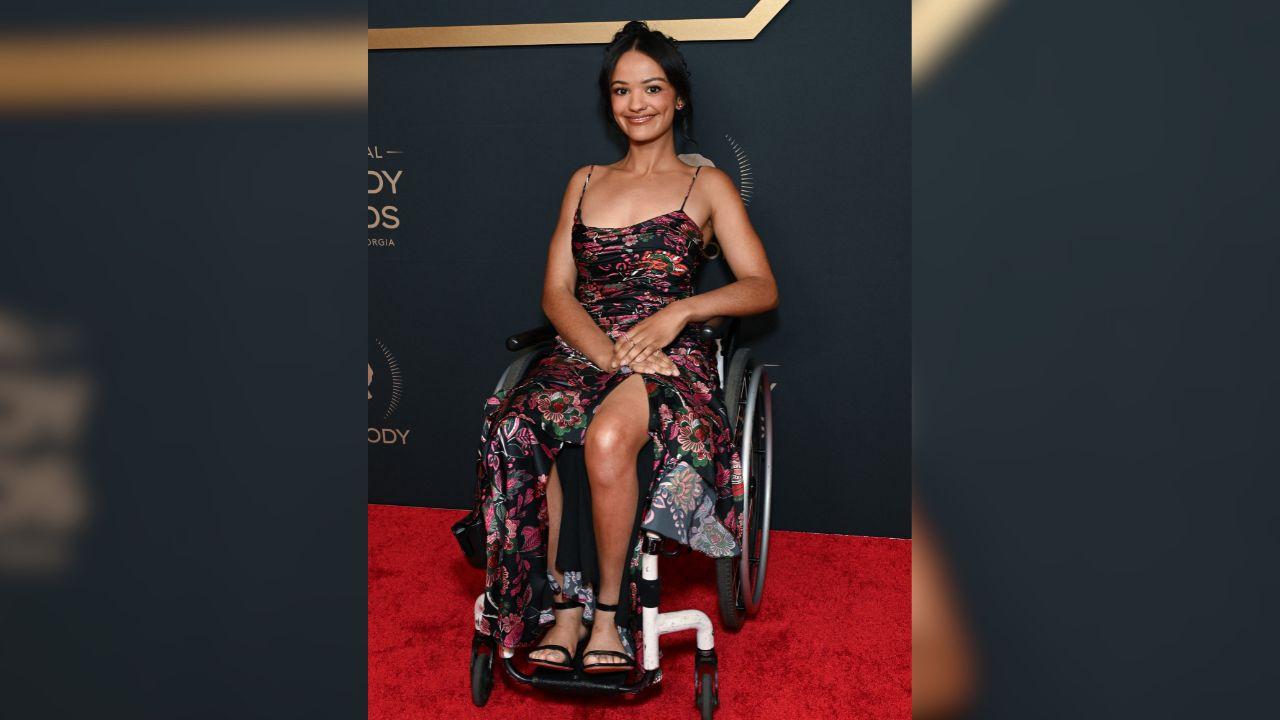
The power of celebrity advocacy in this context cannot be overstated. By sharing her story, Bode amplifies the voices of countless others who have faced similar discrimination but may lack the platform to bring it to national attention. Her public outcry can pressure airlines, industry regulators, and policymakers to re-evaluate existing protocols, invest in infrastructure improvements, and foster a more inclusive travel environment. This incident could catalyze a renewed focus on ensuring that air travel truly is accessible to everyone, regardless of physical ability.
Moving Forward: Reactions and Next Steps
Following Bode’s viral TikTok, Southern Airways is likely to face increased scrutiny from the public, disability advocacy groups, and potentially the Department of Transportation. Industry standards dictate that airlines conduct thorough internal investigations into such claims, often leading to reviews of staff training, operational policies, and equipment capabilities. A public statement or apology from the airline, along with a commitment to corrective action, would be a typical next step in managing such a high-profile controversy.
For Bode and the disability community, the immediate goal is to prevent similar incidents from occurring in the future. This requires not only holding individual airlines accountable but also pushing for broader policy reforms and consistent enforcement of existing laws. The ongoing fight for equitable access in air travel is a testament to the perseverance of disabled individuals and their allies, who continue to advocate for a world where travel is a right, not a privilege, for all. The outcome of this particular incident could set an important precedent for future interactions between airlines and disabled passengers.