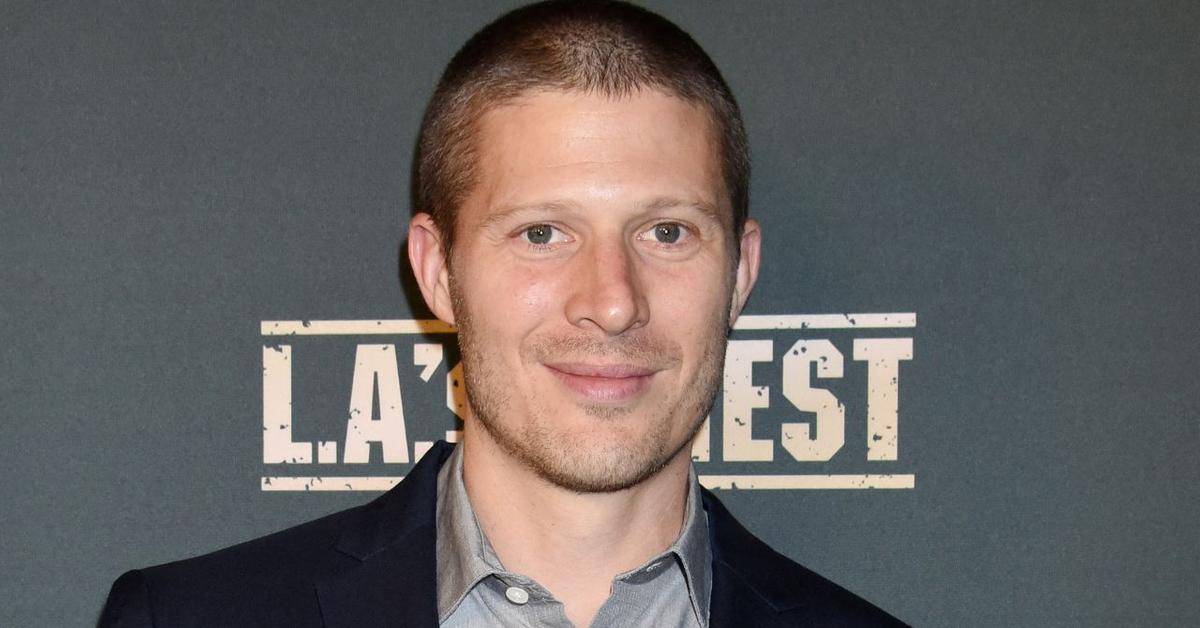
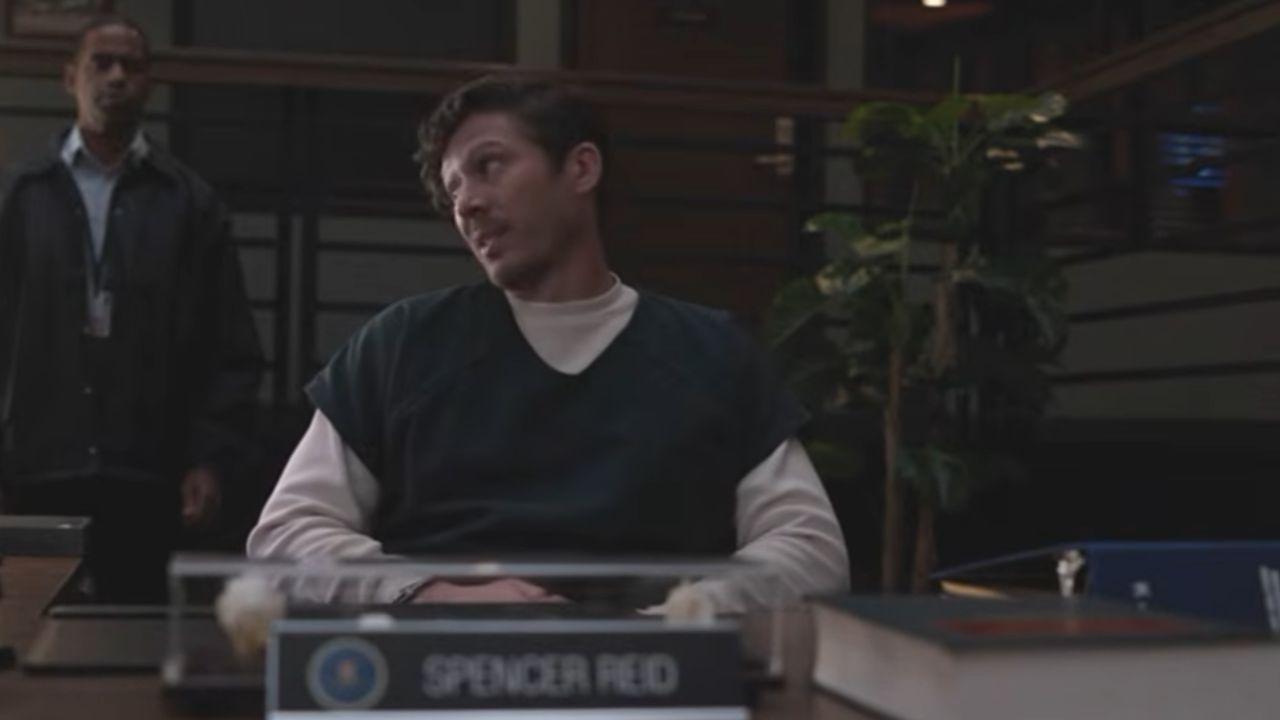
Actor Zach Gilford, through his character Elias Voit in the latest season of Criminal Minds: Evolution, has initiated a stark critique of the widespread cultural phenomenon of serial killer romanticization. A recently released clip from the series depicts Voit, the season’s primary antagonist, confronting a true crime podcaster about the irresponsible portrayal and sensationalization of violent criminals, directly challenging the narratives that often distort public perception of such figures.
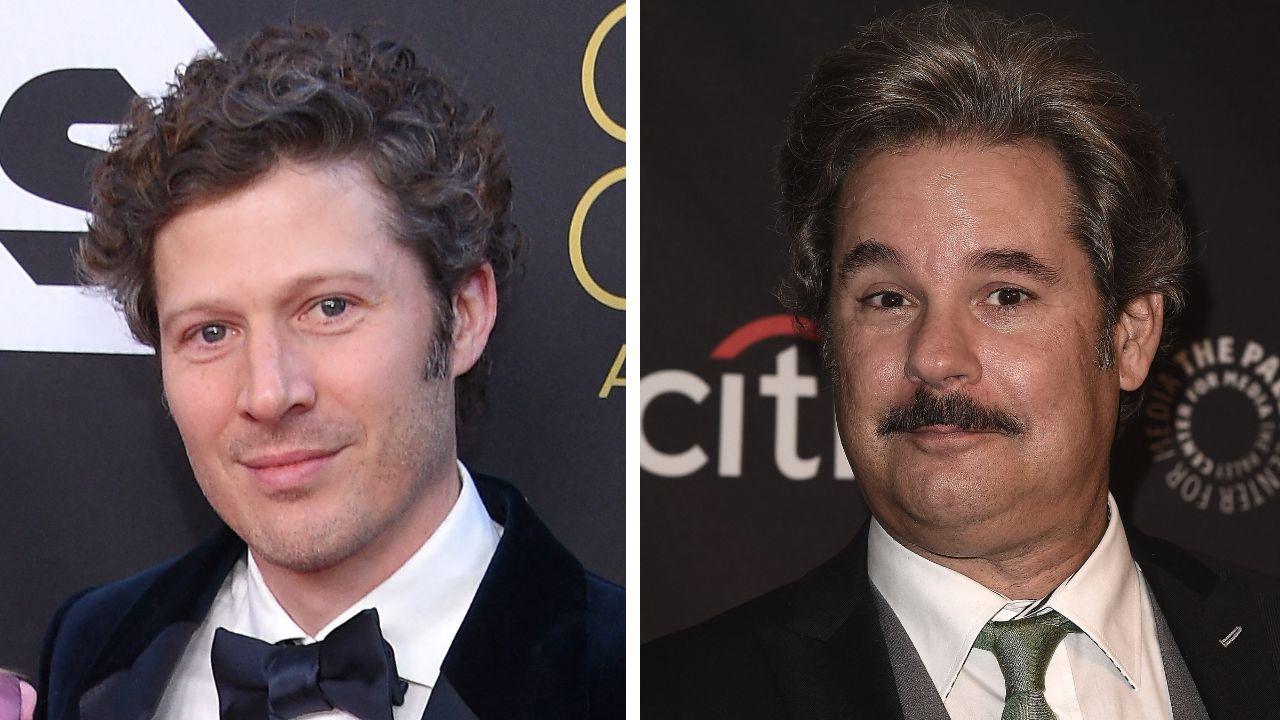
The pivotal scene features Voit engaged in a podcast interview with Brian Garrity, played by Paul F. Tompkins. During the exchange, Voit expresses profound frustration as Garrity prioritizes technical audio issues over addressing the rampant misinformation being disseminated about Voit’s crimes and motives. Voit’s pointed query, "What is this? Oh, your levels are in the red? I’m sorry, you’re spreading lies about me and you’re worried about your f—— levels?" underscores his anger and the series’ intent to highlight the ethical lapses often present in true crime media.
Voit’s Incisive Critique of Media Portrayal
The confrontation deepens as Voit directly questions Garrity’s motivations for fabricating elaborate backstories. He challenges the podcaster’s claim that he was "trained by the government," asserting, "It’s because it gives you an explanation for me. It makes me seem smaller. Do I seem small right now?" This exchange serves as a meta-commentary on how media narratives often seek to rationalize or simplify complex, horrifying acts, sometimes inadvertently bestowing a sense of mystique or even admiration upon perpetrators. Voit’s insistence on rejecting such explanations highlights the dangerous allure of sensationalized storytelling.
As the interview progresses, Garrity concedes that the conspiracy theories he propagated are "none" of them true. Voit seizes on this admission, pushing for accountability by asking, "Your podcast, how much of it is actually true?" This moment forces a critical examination of journalistic integrity within the true crime genre, particularly concerning the accuracy and responsibility of reporting on real-world violence. Voit’s subsequent self-assessment is perhaps the most chilling and significant aspect of the scene, as he dismantles any romanticized notions about himself. "There’s nothing romantic about me. I’m not brilliant. I am not special. I’m an anti-social psychopath who can only get his heart rate up by killing people," he states, stripping away any pretense of grandeur or misunderstood genius often ascribed to fictional and even real serial killers.
The Ethical Quandary of True Crime Narratives
The thematic exploration in Criminal Minds: Evolution arrives at a time of unprecedented public fascination with true crime. Podcasts, documentaries, and streaming series dedicated to real-life criminal cases have surged in popularity, captivating millions of listeners and viewers. This widespread engagement has sparked an ongoing debate about the ethical responsibilities of creators and the potential for inadvertently glorifying violent individuals.
The Rise of True Crime Narratives
The true crime genre has evolved from niche interests to a mainstream cultural phenomenon. Audiences are drawn to the psychological puzzle, the investigative process, and the human drama inherent in these stories. However, this appeal also brings with it the risk of elevating perpetrators to anti-hero status or focusing disproportionately on their alleged "brilliance" rather than the devastating impact on victims and their families. The market’s demand for compelling narratives can sometimes lead to speculative storytelling or the blurring of facts with sensationalized theories, as depicted in the scene with Voit and Garrity.
Glorification vs. Understanding
The core challenge for true crime creators lies in navigating the delicate balance between exploring the psychology of criminals and inadvertently contributing to their glorification. When narratives emphasize the cunning or intelligence of a serial killer, they risk turning heinous acts into thrilling entertainment, potentially diminishing the true horror and trauma associated with such crimes. Voit’s character, by forcefully rejecting any notion of his own brilliance or specialness, directly confronts this tendency, emphasizing the cold, brutal reality of his psychopathy. This approach from Criminal Minds: Evolution serves as a powerful meta-commentary, reminding audiences and creators alike of the distinction between analytical understanding and dangerous romanticization.

Media’s Role in Shaping Perception
Both fictional and non-fictional media play a significant role in shaping public understanding of crime and criminals. When portrayals lean into sensationalism, they can create distorted perceptions, sometimes fostering a macabre curiosity that overshadows empathy for victims. The show’s decision to have a serial killer articulate this critique adds an ironic layer, forcing viewers to confront their own potential biases and the narratives they consume. It pushes back against the idea that an explanation for evil somehow makes it less evil, or that a complex backstory excuses horrific actions.
‘Criminal Minds: Evolution’ and Narrative Evolution
Criminal Minds: Evolution represents a continuation of the long-running Criminal Minds series, known for its focus on behavioral analysis and profiling serial offenders. The revival, however, appears to be delving deeper into the meta-narrative of crime storytelling itself, using its villain as a vehicle for cultural commentary.
Series History and Character Development
For years, Criminal Minds has explored the darkest corners of the human psyche, often portraying highly intelligent and cunning serial killers. This new season, with Elias Voit, seems to be intentionally subverting some of those established tropes. Voit, initially presented as a formidable and mysterious antagonist, is now being developed with a more nuanced, albeit disturbing, internal landscape. This evolution allows the show to not only present a criminal but also to examine the societal lens through which such criminals are often viewed.
Gilford’s Portrayal of Elias Voit
Zach Gilford’s performance as Elias Voit has been central to this narrative shift. Gilford has navigated the complexities of portraying a character who is undeniably monstrous yet, in moments, capable of eliciting a disturbing form of twisted empathy. His depiction of Voit’s raw anger and self-awareness in the podcast scene is crucial to the show’s message. It grounds the character in a horrifying reality, stripping away any veneer of glamour that might otherwise be applied.

Showrunner’s Vision: Complicating Empathy
Showrunner Erica Messer confirmed this deliberate narrative strategy, revealing her intention to challenge audience perceptions. Gilford shared, "Erica [Messer] talked to me about the vision for this season. She was like, ‘We really want to mess with the viewers’ heads and make them feel bad for you.’" This approach is a bold move for a procedural crime drama, aiming to complicate the audience’s understanding of morality, culpability, and the very nature of evil. By attempting to generate a degree of discomforting empathy for a character who is undeniably a violent psychopath, the series forces viewers to confront their own reactions and the ways in which they process villainous figures.
The Psychological Impact of Villain Portrayal
The way villains are portrayed in media has a tangible psychological impact on audiences. While fictional narratives provide a safe space to explore dark themes, the line between fiction and reality can become blurred, especially when narratives intersect with the true crime genre.
Audience Engagement with Darkness
There is a fundamental human fascination with the macabre and the mysterious. Serial killers, in particular, represent an extreme deviation from societal norms, prompting questions about human nature, pathology, and the origins of evil. This fascination draws audiences to stories like Criminal Minds, seeking to understand the "why" behind horrific acts. However, this engagement can sometimes lead to an uncritical consumption of content, where the thrill of the chase or the cleverness of the criminal overshadows the real-world suffering they cause.
The Danger of Misinformation
As Voit highlights in his confrontation with Garrity, misinformation can have serious consequences. Fabricated details or sensationalized theories not only distort the public record but can also trivialize the experiences of victims and their families. When true crime media prioritizes entertainment over factual accuracy, it risks undermining public trust and perpetuating harmful stereotypes about crime and justice. The show’s direct engagement with this issue underscores a growing concern within the entertainment industry about ethical storytelling.
Distinguishing Fiction from Reality
For viewers, distinguishing between fictionalized accounts and real-world events is crucial. While shows like Criminal Minds are fictional, they often draw inspiration from real criminal psychology. When a character like Voit explicitly debunks romanticized myths about himself, it serves as a powerful reminder to audiences to critically evaluate the information they consume, whether it’s from a fictional series or a non-fiction podcast. The series challenges viewers to look beyond superficial explanations and confront the unvarnished reality of violent pathology.
Broader Cultural Implications
The scene in Criminal Minds: Evolution resonates beyond the confines of the show, touching upon broader cultural implications regarding media ethics and the portrayal of evil in popular culture.
Accountability in Storytelling
The dialogue initiated by Gilford’s character prompts a wider conversation about accountability in storytelling. Media creators, journalists, and podcasters hold a significant responsibility in how they present complex and sensitive topics like serial murder. The show suggests that this responsibility extends to actively counteracting the tendency to glamorize or mythologize criminals, instead focusing on the brutal truth of their actions and the profound impact on society. This self-reflexive critique within the show itself is a significant step in that direction.
The "Fan" Archetype
Season 19 is set to introduce a new antagonist known as "The Fan," a character whose very name suggests a meta-narrative about audience obsession with serial killers. This new villain poses a significant threat to the BAU, and their presence will likely amplify the show’s exploration of the dangers inherent in serial killer romanticization and the communities that sometimes form around these figures. "The Fan" could represent the extreme end of true crime fascination, where admiration for a perpetrator crosses into dangerous emulation or enablement.
Shifting Tides in Pop Culture
The explicit critique within Criminal Minds: Evolution might signal a broader shift in pop culture’s approach to true crime and villainous characters. As awareness grows about the ethical pitfalls of sensationalism, other productions may follow suit, adopting more responsible and nuanced storytelling practices. This move by a major franchise like Criminal Minds could set a precedent for how future crime dramas and true crime narratives tackle these sensitive subjects, prioritizing impact on victims and societal understanding over mere entertainment value.
Looking Ahead: Season 19 and Beyond
As Elias Voit grapples with fragmented memories of his past actions, the narrative promises a deep dive into themes of regret and potential, albeit unlikely, redemption. Gilford explained, "A lot of it is this guy who remembers nothing finding out — or realizing — everything he’s done." This complex portrayal invites viewers to engage with a character who is both a perpetrator of immense evil and potentially a victim of his own fractured psyche.
The stakes are set to escalate dramatically with the introduction of "The Fan." This new antagonist will likely force Voit into an even more morally ambiguous position as he potentially seeks to atone for his past while confronting a new threat that may embody the very romanticization he decried. The official description hints at an intense exploration of morality, the consequences of obsession, and the enduring challenge of confronting pure evil. Criminal Minds: Evolution continues to push boundaries, not only in its portrayal of criminal psychology but also in its critical examination of how society consumes and interprets such dark narratives.