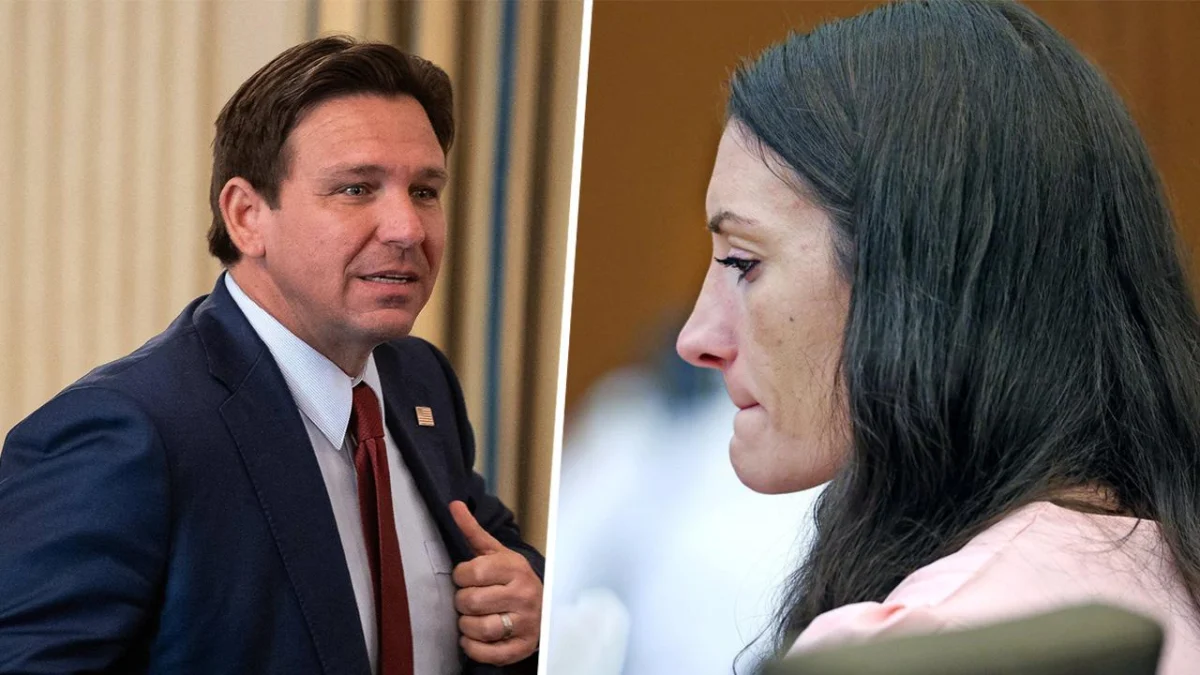
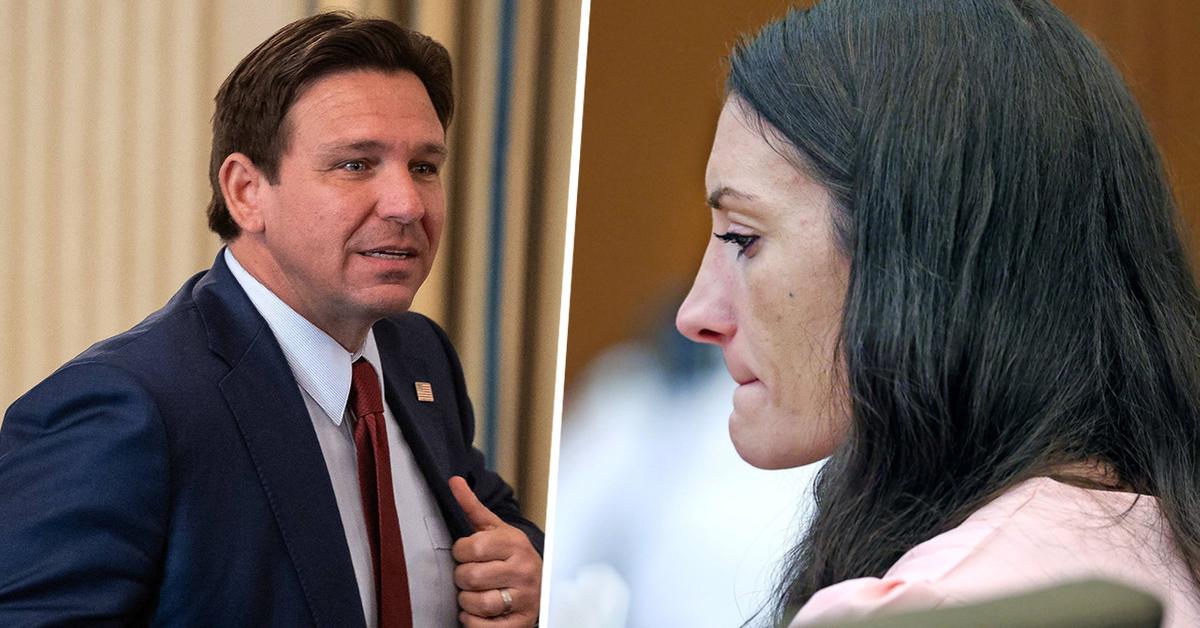
Florida Governor Ron DeSantis ignited a national firestorm last week by publicly extending an offer of "asylum" to the lone holdout juror who prevented an acquittal in the high-profile Lindsay Clancy murder trial, an unprecedented intervention that drew immediate condemnation and sparked widespread debate over judicial independence and political opportunism. The Republican governor’s declaration, made via social media, positioned him as a defender of the unidentified juror against what he characterized as a "smear campaign" by the media, even as critics decried his actions as a blatant attempt to politicize a sensitive state criminal proceeding.
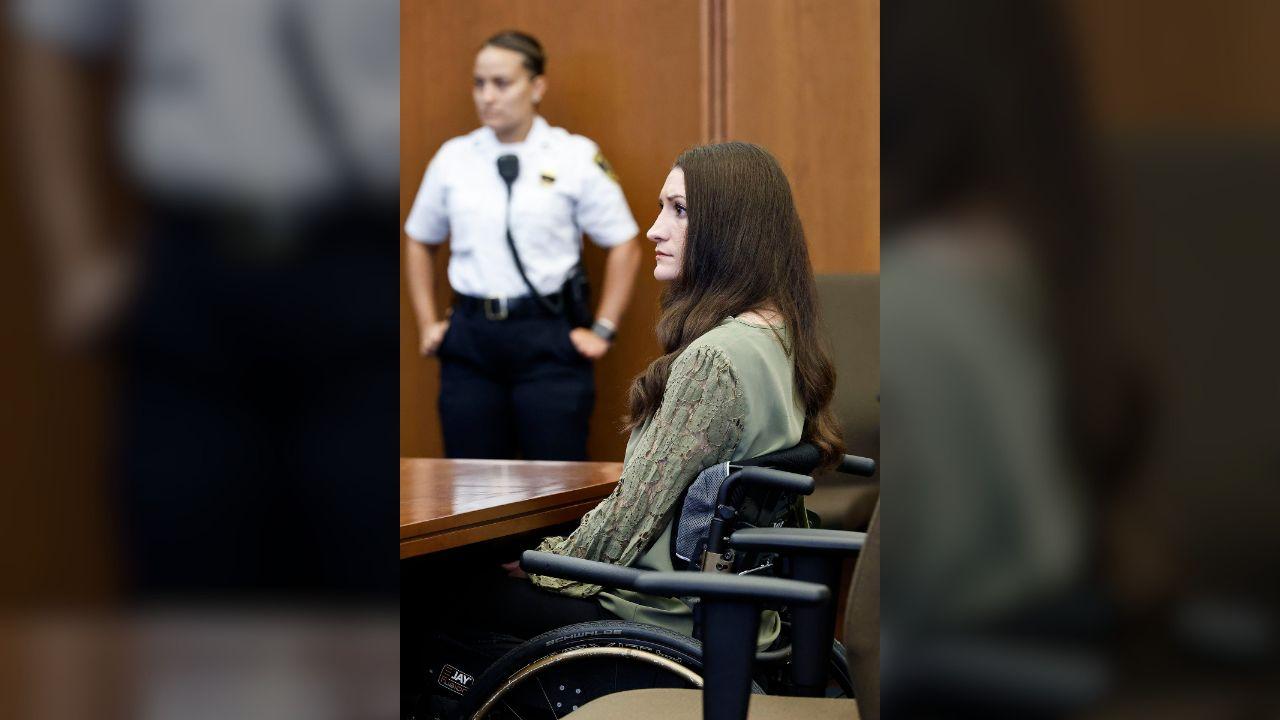
The controversy erupted following the September 4 mistrial in Massachusetts, where a jury deliberated the fate of Lindsay Clancy, a mother accused of murdering her three young children. The case captivated the nation due to its tragic circumstances and Clancy’s defense of not being criminally responsible due to severe postpartum psychosis. After extensive deliberations, the jury announced it was deadlocked, unable to reach a unanimous verdict. Eleven jurors reportedly voted to acquit Clancy, acknowledging her severe mental health condition as a factor in her actions, while a single juror steadfastly refused to concur, leading to the mistrial.
The Horrific Charges and the Defense of Postpartum Psychosis
The Lindsay Clancy case itself is a harrowing account of familial tragedy. Clancy, a former labor and delivery nurse from Duxbury, Massachusetts, faced charges of murder in the deaths of her three children: 5-year-old Cora, 3-year-old Dawson, and 8-month-old Callan. Authorities alleged that Clancy strangled her children in their home before attempting to take her own life by jumping from a second-story window in January 2023. The defense argued that Clancy was in the throes of a severe mental health crisis, specifically postpartum psychosis, at the time of the killings. This condition, characterized by delusions, hallucinations, and extreme paranoia, severely impairs a mother’s ability to perceive reality and make rational decisions.
The trial brought to the forefront complex legal and medical discussions surrounding criminal responsibility when mental illness is a significant factor. Prosecutors contended that Clancy’s actions were premeditated, emphasizing her awareness of her children’s deaths and her attempts to cover up her involvement. They painted a picture of a calculated act, despite acknowledging her struggles with mental health. Conversely, the defense presented expert testimony detailing Clancy’s rapidly deteriorating mental state, arguing that she was not capable of forming criminal intent and therefore should not be held criminally responsible. The emotional toll of the trial on all parties, including the jury, was palpable, highlighting the profound difficulty in reconciling the horrific outcome with the complexities of mental illness.
An 11-1 Split and Allegations of Juror Obstruction
The jury’s inability to reach a unanimous decision, resulting in an 11-1 split, underscored the profound divisions within the panel regarding the application of legal definitions to the tragic facts. Reports from dismissed jurors, who spoke anonymously to various media outlets including NBC10 Boston, painted a picture of a deeply fractured deliberation room. These jurors described the lone holdout as "arrogant" and resistant to engaging in meaningful deliberation. They alleged that the juror openly refused to apply the judge’s legal instructions regarding "reasonable doubt" and criminal responsibility, instead relying on personal interpretations and moral convictions rather than the evidence presented and the law as explained by the court.
Such accounts, while unofficial, raised significant concerns about the integrity of the jury process and the potential for a single juror to derail justice through obstinacy rather than principled dissent based on legal arguments. A hung jury in a murder trial typically leads to a mistrial, leaving the prosecution with the decision of whether to pursue a retrial. For the Clancy family and the public following the case, the mistrial meant a continuation of uncertainty and a prolonged legal battle, postponing any sense of closure.
Media Scrutiny and Domestic Violence Allegations
The spotlight intensified on the holdout juror after an investigative report by NBC10 Boston revealed troubling details about his personal history. The report, published days after the mistrial, disclosed that the unidentified juror had a history of domestic violence allegations, including a 2021 charge, and was subject to an active restraining order valid until 2025. This revelation immediately raised questions about the efficacy of the jury selection, or voir dire, process in Massachusetts. Standard juror questionnaires in the state explicitly ask about past arrests, criminal charges, and active court orders, suggesting that the juror would have had to provide affirmative answers to these critical questions.
The disclosure sparked intense debate among legal experts regarding how such a juror could have been empaneled. Many questioned whether the prosecution and defense teams adequately vetted potential jurors, or if there were procedural missteps that allowed an individual with a potentially problematic background to serve in such a high-stakes trial. The ethical implications of media reporting on jurors, especially after a trial concludes, also became a point of contention. While public interest in high-profile cases is undeniable, the balance between transparency and protecting the privacy and safety of citizens performing their civic duty is a delicate one, often leading to concerns about potential chilling effects on future jury service.
Florida Governor Ron DeSantis Offers ‘Asylum’
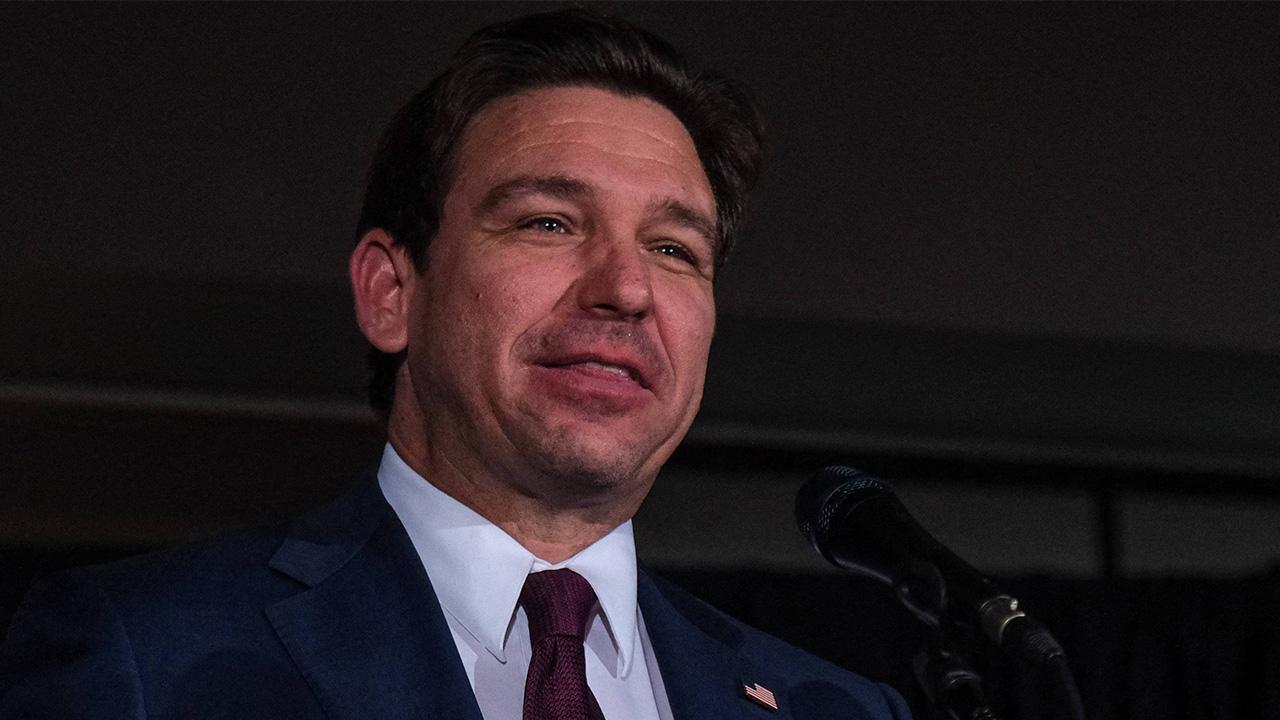
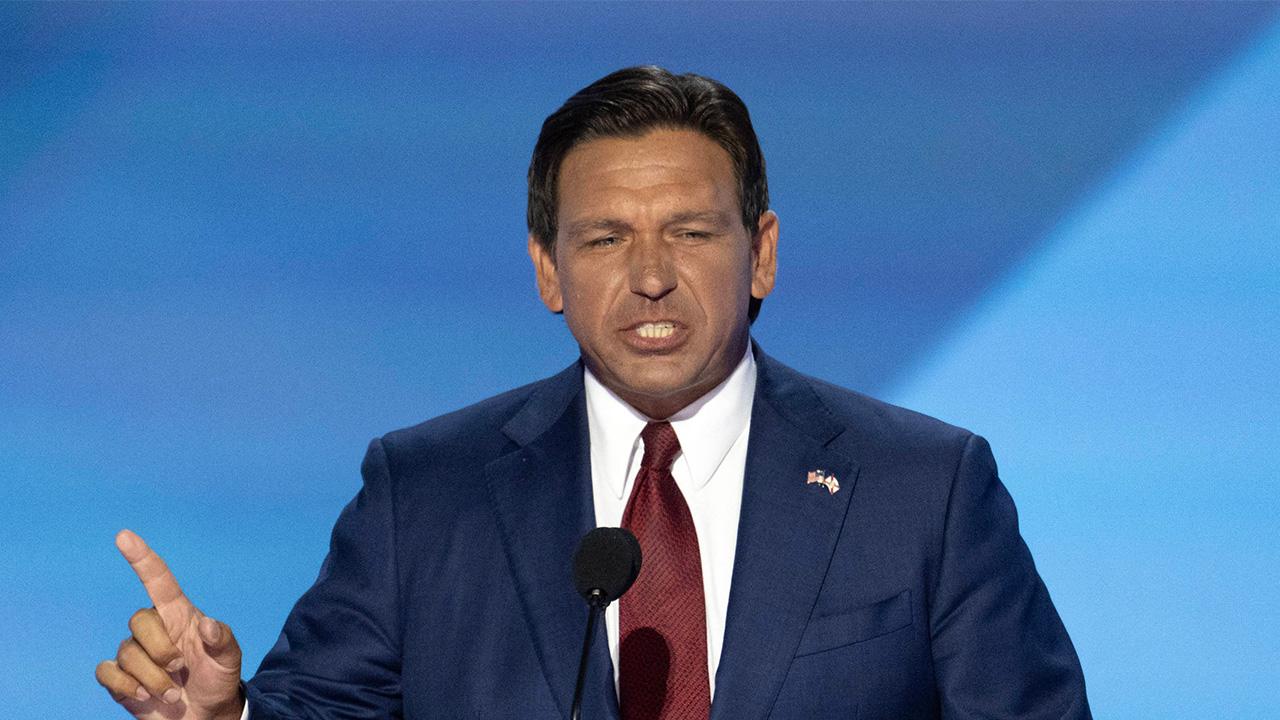
It was against this backdrop of legal uncertainty and media scrutiny that Florida Governor Ron DeSantis launched his extraordinary intervention. On Friday, September 11, DeSantis took to X (formerly Twitter) to declare his support for the holdout juror. In a series of combative posts, the governor lambasted the media, particularly NBC10 Boston, for what he called a "smear campaign" against the man. He accused legacy media outlets of reaching "another low" by attempting to damage the reputation of a juror who, in DeSantis’s view, simply "objected to allowing a woman to kill her three young kids and get away with it."
The most striking aspect of DeSantis’s pronouncement was his offer of "asylum." "If the juror is being harassed, Florida will provide asylum," DeSantis declared, adding, "I’m sure he’d be welcomed and appreciated." This use of the term "asylum," typically reserved for individuals seeking refuge from persecution in foreign countries, was widely seen as a deliberate and provocative rhetorical choice. It framed the juror as a victim of political and media persecution, aligning with DeSantis’s broader narrative of fighting against a perceived liberal establishment and mainstream media bias. The offer, coming from a sitting governor regarding a private citizen involved in another state’s criminal justice system, was unprecedented and immediately drew national attention.
Backlash and Accusations of Judicial Interference
The governor’s offer of "asylum" and his accompanying rhetoric were met with a torrent of criticism from across the political spectrum, particularly from legal scholars, judicial ethics experts, and Democratic lawmakers. Critics swiftly condemned DeSantis for what they viewed as a gross overreach of gubernatorial power and an overt attempt to interfere with the judicial process of another state. Legal experts emphasized the sanctity of the jury system, which relies on impartial deliberation free from external political pressure. DeSantis’s comments, they argued, could undermine public trust in the courts and set a dangerous precedent for politicizing judicial outcomes.
Many commentators drew parallels between DeSantis’s latest move and his previous controversial actions, such as his 2022 decision to fly asylum seekers from Texas to Martha’s Vineyard, Massachusetts. That incident, widely criticized as a political stunt, was similarly characterized by figures like late-night political commentator Seth Meyers as a desperate ploy for media coverage. Detractors argued that offering "asylum" to a private citizen over a domestic news report was a clear misuse of gubernatorial rhetoric and a transparent effort to generate headlines and rally his conservative base, particularly as he navigates his post-presidential primary political future.
Conservative Voices Rally Behind the Holdout
While DeSantis faced widespread condemnation, his stance resonated with certain high-profile conservative figures and segments of his base. Former President Donald Trump and Representative Nancy Mace were among those who had previously commented broadly on the Lindsay Clancy trial’s outcome, emphasizing the principle that "murder is murder" and expressing skepticism about mental health defenses in such severe cases. They framed the holdout juror as a necessary check against what they might perceive as a "kangaroo court" verdict that could have excused the horrific deaths of three young children under the guise of mental health.
This alignment highlighted a growing cultural and political divide on issues of criminal justice, mental health, and personal accountability. For many conservatives, the juror’s refusal to acquit Clancy, regardless of the mental health defense, was seen as an affirmation of justice for the victims and a stand against what they might view as overly lenient interpretations of the law. DeSantis’s intervention tapped into this sentiment, portraying himself as a champion for those who believe in strict accountability, even when facing a powerful media narrative or a differing judicial interpretation.
Scandal and Scrutiny Surround the Governor
The timing of Governor DeSantis’s controversial intervention also raised suspicions, with many critics suggesting it was a calculated distraction from his own burgeoning political troubles in Florida. The governor and his wife, Casey DeSantis, are currently embroiled in a significant political scandal surrounding their "Hope Florida" initiative. In August, a leaked Florida grand jury report delivered a scathing indictment, revealing that the DeSantis administration had "misappropriated" $10 million in public funds. These funds, originally sourced from a state Medicaid settlement intended for healthcare services for vulnerable populations, were allegedly funneled into what critics claim was essentially a political campaign to promote the "Hope Florida" program and the First Lady’s public profile.
The grand jury’s findings, which detailed a pattern of questionable financial transfers and a blurring of lines between state resources and political branding, put the DeSantis administration under intense scrutiny. Critics argued that the governor’s dramatic offer of "asylum" to the Massachusetts juror was a cynical maneuver designed to deflect attention from these serious allegations of fiscal mismanagement and potential corruption within his own state government. This perspective fueled the narrative that DeSantis’s actions were less about justice for a juror and more about strategic political damage control.
Erosion of Trust and the Politicization of the Judiciary
DeSantis’s intervention carries significant broader implications for the American justice system and the delicate balance of power between the executive and judicial branches. Such highly publicized gubernatorial comments on ongoing or recently concluded state criminal trials, especially those involving sensitive jury deliberations, risk eroding public trust in the impartiality and independence of the courts. When political leaders weigh in so forcefully, they can be perceived as exerting undue influence, potentially intimidating future jurors or biasing public opinion in subsequent legal proceedings.
The concept of juror anonymity is a cornerstone of the American legal system, designed to protect jurors from external pressures and allow them to deliberate freely. DeSantis’s public championing of a specific juror, particularly one whose identity had been revealed due to controversial circumstances, challenged this principle. It raised concerns about the potential for jurors in future high-profile cases to be targeted, either for praise or criticism, based on their verdicts, thereby undermining their ability to serve without fear or favor. The politicization of judicial outcomes, if allowed to become a norm, threatens the fundamental integrity of justice and the rule of law.
Uncertain Future for Lindsay Clancy
As the political and media firestorm surrounding Governor DeSantis’s comments continues, the actual legal fate of Lindsay Clancy remains uncertain. The mistrial means that the prosecution now faces a critical decision: whether to retry Clancy on the murder charges. A retrial would involve a fresh jury selection process and a complete re-presentation of evidence, a costly and emotionally draining endeavor for all parties involved. The outcome of a second trial would be far from guaranteed, especially given the complex mental health defense that resonated with 11 of the previous 12 jurors.
The ongoing legal process will continue to unfold within the Massachusetts judicial system, insulated, hopefully, from the political rhetoric emanating from Florida. For Lindsay Clancy, her family, and the community, the path forward remains fraught with legal complexities and emotional anguish, a stark reminder of the profound human cost at the heart of this multifaceted controversy. The political spectacle orchestrated by Florida Governor Ron DeSantis has merely added another layer of complexity and contention to an already deeply tragic and challenging case.