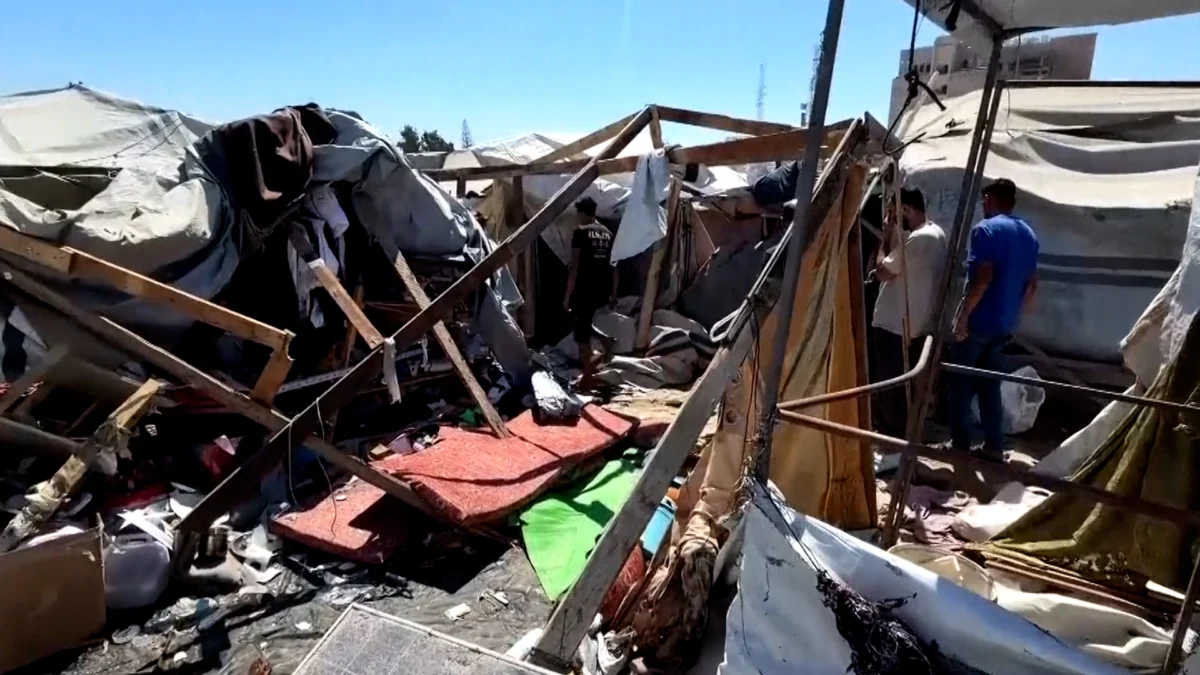
At least one person was killed and several others injured in a series of Israeli strikes that hit tents in a displacement camp in Gaza City, according to residents. The attacks, which occurred on September 14, 2026, have intensified concerns over the escalating violence and the humanitarian crisis gripping the region. The specific location of the strikes, within a camp designated for displaced individuals, underscores the precarious situation faced by civilians seeking refuge amid ongoing conflict.
Escalation in Gaza: A Deadly Strike on a Displacement Camp
The incident in Gaza City has sent shockwaves through the already strained population, highlighting the indiscriminate nature of the recent military actions. Residents recounted harrowing scenes, describing the immediate aftermath of the explosions and the desperate efforts to aid the wounded. The targeted nature of the strikes, occurring outside makeshift shelters, has drawn sharp criticism from international observers and humanitarian organizations, who have repeatedly called for the protection of civilian infrastructure and populations.
The strikes come at a time of heightened tensions between Israeli forces and Palestinian militant groups operating in Gaza. This latest event adds to a growing tally of casualties and further exacerbates the dire humanitarian conditions within the densely populated strip. The Israeli military has not yet released a detailed statement regarding the specific targets or the rationale behind the strikes in the displacement camp.
Background: The Long Shadow of Conflict in Gaza
Gaza, a territory governed by Hamas, has been under an Israeli-Egyptian blockade since 2007, following the militant group’s takeover. This blockade has severely restricted the movement of people and goods, leading to widespread poverty and a fragile infrastructure. The territory has been the site of multiple large-scale conflicts between Israel and Hamas, each leaving a devastating toll on the civilian population and infrastructure.
Displacement is a chronic issue in Gaza, with thousands of families forced to flee their homes due to military operations, damage to housing, and the lack of basic services. These displaced populations often seek refuge in makeshift camps or overcrowded UN-run shelters, where they are highly vulnerable to further violence and the elements. The current strike underscores the persistent danger faced by these individuals, who are often caught in the crossfire.
The Events of September 14, 2026: A Chronology of Violence
Details emerging from Gaza City on September 14, 2026, paint a grim picture. Early morning hours saw Israeli aircraft conduct strikes across various locations in the territory. However, the focus of this report is on the specific attack that impacted a displacement camp on the outskirts of Gaza City. Eyewitness accounts suggest that the explosions occurred in an area where tents had been erected to house families who had previously been displaced by earlier rounds of fighting.
The immediate aftermath was characterized by chaos and a desperate search for survivors. Local medical teams, already stretched thin by ongoing emergencies, responded to the scene. Initial reports indicated that at least one person had succumbed to their injuries, with several others sustaining moderate to severe wounds. The precise number of casualties and the extent of the damage to the camp’s temporary structures are still being assessed.
International Reactions and Calls for Accountability
The international community has reacted with grave concern to the news of the attack on the Gaza displacement camp. United Nations officials and various human rights organizations have issued statements condemning the strike and reiterating the imperative to protect civilians in conflict zones. These calls for accountability are not new, as similar incidents have been investigated and debated in international forums.
The International Criminal Court (ICC) has previously opened investigations into alleged war crimes committed by both Israeli forces and Palestinian militant groups. However, the pace of these investigations and the challenges in gathering evidence in a conflict zone often lead to frustration among those seeking justice. The latest incident is likely to reignite demands for a thorough and impartial investigation.
Wider Implications: The Humanitarian Crisis Deepens
This attack has profound implications for the already dire humanitarian situation in Gaza. The destruction of shelters, even temporary ones, further displaces vulnerable populations and exacerbates the scarcity of basic necessities like food, water, and medical supplies. The psychological toll on civilians, particularly children who have grown up amidst constant conflict, is immense and long-lasting.
The incident also risks further escalating the conflict. Such attacks can provoke retaliatory actions from militant groups, leading to a cycle of violence that further endangers civilians on both sides. Regional stability is also a concern, as any significant escalation in Gaza can have ripple effects across the Middle East.
Public Impact and the Cycle of Trauma
For the residents of Gaza, particularly those living in displacement camps, such attacks reinforce a pervasive sense of insecurity and trauma. Each explosion, each casualty, adds another layer to the collective suffering. The constant threat of violence erodes any semblance of normalcy and makes rebuilding lives and communities an almost insurmountable challenge.
The international public’s perception of the conflict is also shaped by such events. Images and reports of civilian casualties, especially in areas designated for those seeking refuge, often galvanize humanitarian aid efforts but also highlight the complexities and frustrations surrounding the conflict’s resolution. The long-term impact on a generation growing up in such an environment is a significant concern for child psychologists and humanitarian experts.
The Path Forward: Calls for De-escalation and Protection
The immediate priority following such an incident is de-escalation. International diplomatic efforts are crucial to preventing further bloodshed and encouraging both sides to return to a path of dialogue. Humanitarian organizations are working to provide immediate assistance to those affected by the strike, including medical aid and temporary shelter.
Longer-term solutions remain elusive, entangled in the broader political realities of the Israeli-Palestinian conflict. However, there is a persistent international consensus on the need to uphold international humanitarian law, which mandates the protection of civilians and civilian infrastructure, even in areas of conflict. The ongoing violence serves as a stark reminder of the urgent need for a sustainable peace.
The continued targeting of areas housing displaced civilians in Gaza is a grave violation of humanitarian principles and underscores the urgent need for international intervention. The cycle of violence has inflicted immeasurable suffering, and without concerted efforts towards de-escalation and accountability, the prospects for a peaceful resolution remain distant. The resilience of the Palestinian people in Gaza continues to be tested, as they navigate the daily realities of displacement and the ever-present threat of further attacks.