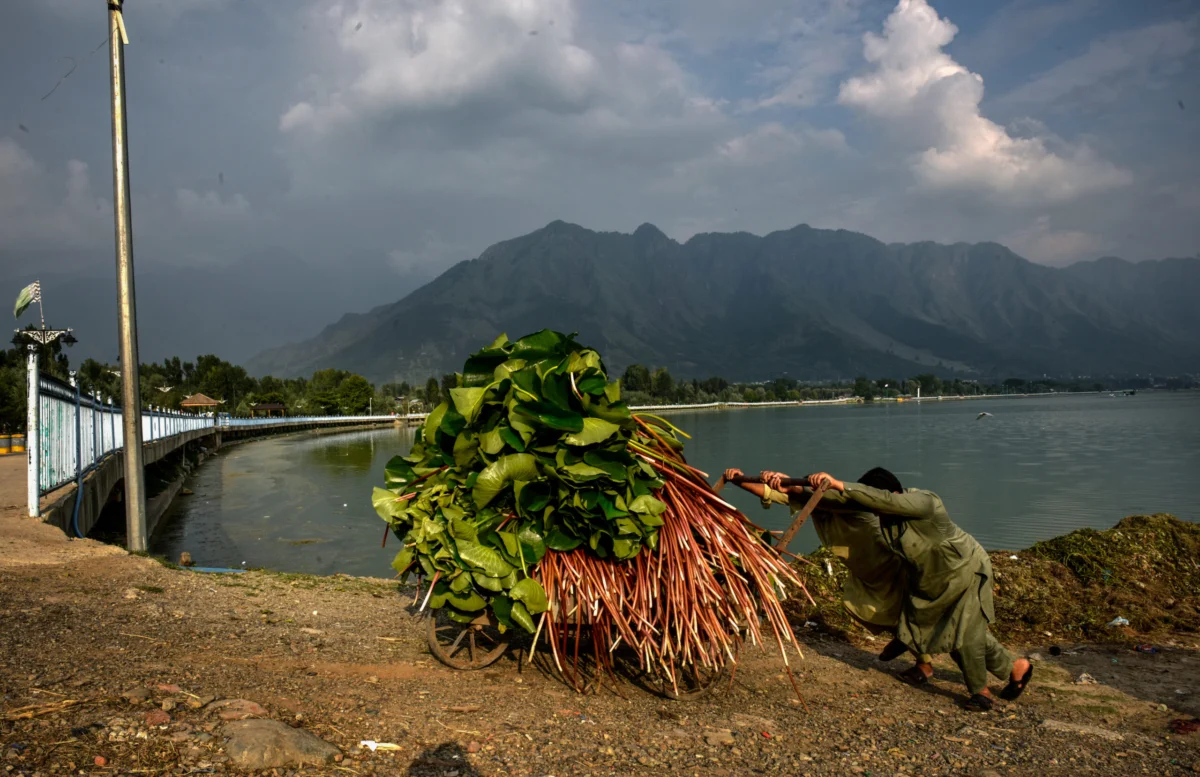
Srinagar, India – Dal Lake, the shimmering jewel of Srinagar and a centuries-old heart of tourism and cultural identity in Indian-administered Kashmir, is succumbing to a relentless barrage of human-induced pressures and the accelerating impacts of climate change. Once celebrated for its pristine waters, vibrant floating gardens, and iconic houseboats, the lake now contends with a grim reality of untreated sewage, pervasive plastic pollution, and unchecked weed growth, jeopardizing the livelihoods of thousands who depend on its waters.
A Once-Pristine Ecosystem Under Siege
For generations, Dal Lake has been more than just a body of water; it has been a living, breathing entity intrinsically woven into the fabric of Kashmiri life. Its expansive surface, once a mirror reflecting the majestic Pir Panjal mountain range, has dramatically shrunk. Unregulated construction projects have encroached upon its shores, steadily reducing its habitable area and disrupting the delicate balance of its fragile ecosystem.
The expansion of densely populated neighborhoods surrounding the lake has exacerbated the problem. As urban sprawls grow, so does the volume of waste, much of which finds its way into the lake’s already strained waters. This unchecked development, coupled with a burgeoning population, has placed an unsustainable burden on the lake’s natural capacity to sustain itself.
The Scourge of Pollution and Encroachment
The most visible and devastating symptom of Dal Lake’s decline is its pervasive pollution. Untreated sewage from households and commercial establishments flows directly into the lake, transforming once-clear waters into murky, stagnant pools. This influx of organic waste fuels rampant weed growth, suffocating aquatic life and diminishing the aesthetic appeal that once drew millions.
Plastic waste, a ubiquitous byproduct of modern consumption, has become another significant pollutant. Discarded bottles, bags, and other debris litter the lakebed and float on its surface, creating an unsightly and toxic environment. This persistent contamination poses a severe threat to the diverse aquatic species that inhabit the lake, many of which are crucial to the local food chain.
The Accelerating Threat of Climate Change
Compounding the existing environmental stresses, the escalating impacts of climate change are proving to be a formidable accelerant of Dal Lake’s degradation. Erratic rainfall patterns, characterized by intense downpours followed by prolonged dry spells, disrupt the lake’s natural water cycles. Rising global temperatures further contribute to the problem by increasing water evaporation rates and fostering conditions conducive to the proliferation of invasive weed species.
Scientists and environmentalists have noted a significant increase in the frequency and intensity of extreme weather events in the region. These shifts in climate directly impact the water levels and overall health of Dal Lake, making conservation efforts even more challenging and urgent. The once predictable seasonal flows have become unpredictable, further stressing an already vulnerable ecosystem.
Historical Context: A Legacy of Neglect and Conservation Efforts
The story of Dal Lake’s environmental struggle is not a new one. Concerns about its deteriorating condition have been voiced for decades, prompting various government-led conservation initiatives and clean-up campaigns. However, these efforts, while well-intentioned, have often been sporadic and insufficient to address the systemic issues at play.
Early attempts at conservation often focused on immediate, visible problems, such as removing floating weeds. While these actions provided temporary relief, they failed to tackle the root causes: inadequate sewage treatment infrastructure, unchecked urban expansion, and a lack of sustained public awareness and participation. The cyclical nature of these interventions has led to a sense of fatigue and skepticism among those who witness the lake’s continued decline.
The Economic Lifeline Under Threat
The economic implications of Dal Lake’s environmental crisis are profound and far-reaching. Thousands of families in Srinagar derive their livelihoods directly from the lake. Shikara boatmen, who ferry tourists and locals, houseboats owners, and vendors selling goods from floating markets all depend on a healthy and vibrant Dal Lake.
The degradation of the lake directly impacts the tourism industry, a cornerstone of Kashmir’s economy. As the lake becomes less appealing due to pollution and weed infestation, tourist numbers dwindle, leading to reduced income for countless individuals and businesses. The charm and allure of Dal Lake, a primary draw for visitors, are being systematically eroded, threatening an entire sector of the regional economy.
Floating gardens, known locally as "Rad" or "Nungar," which traditionally supplied fresh produce to Srinagar, are also struggling. The contaminated water and altered environmental conditions make cultivation increasingly difficult, impacting food security and traditional agricultural practices.
Social and Cultural Ramifications
Beyond the economic impact, the decline of Dal Lake carries significant social and cultural weight. The lake is a repository of Kashmiri heritage, a backdrop to countless stories, poems, and artistic expressions. Its visual splendor has long been a source of pride and identity for the Kashmiri people.
The loss of its pristine beauty and the struggle of its dependent communities represent a cultural loss. The traditional way of life, intricately linked to the lake’s rhythm, is being disrupted. The social fabric of communities living along its shores is strained as they grapple with the environmental and economic consequences.
Public Impact and Growing Concerns
Residents of Srinagar and the wider Kashmir Valley are increasingly vocal about their concerns regarding the state of Dal Lake. Many express frustration with the perceived inaction or ineffectiveness of government conservation programs. There is a growing realization that the lake’s fate is inextricably linked to the region’s future.
Environmental activists and local community groups have been instrumental in raising awareness and advocating for more sustainable solutions. They point to the need for comprehensive waste management systems, robust sewage treatment plants, and stricter regulations on construction and land use along the lake’s periphery.
The Search for Sustainable Solutions
Addressing the multifaceted challenges facing Dal Lake requires a holistic and long-term approach. Experts advocate for a multi-pronged strategy that includes significant investments in wastewater treatment infrastructure. Building and upgrading sewage treatment plants to handle the volume and composition of waste generated by the surrounding population is paramount.
Furthermore, stringent enforcement of environmental regulations is crucial. This includes halting illegal construction, preventing further encroachment, and implementing sustainable waste management practices throughout the city. Public awareness campaigns and community involvement are also vital to foster a sense of collective responsibility for the lake’s preservation.
A Wider Environmental Crisis in the Valley
The plight of Dal Lake is not an isolated incident but a microcosm of a broader environmental crisis gripping the entire Kashmir Valley. Other water bodies in the region are also facing similar threats from pollution, deforestation, and unsustainable development. The interconnectedness of the region’s ecosystems means that the degradation of one significant water body like Dal Lake can have cascading effects.
The valley’s reliance on its natural resources for tourism, agriculture, and its very identity makes these environmental challenges particularly acute. The long-term sustainability of Kashmir’s natural beauty and its economic future hinges on effective environmental stewardship.
The Uncertain Future of Dal Lake
Despite the ongoing clean-up operations and various official conservation schemes, the future of Dal Lake remains precariously balanced. The sheer scale of the environmental damage, coupled with the relentless pressure of human activity and the undeniable influence of climate change, presents a formidable challenge.
The continued degradation of Dal Lake serves as a stark warning, not only for Kashmir but for similar ecologically sensitive regions worldwide. The urgent need for decisive action, integrated conservation strategies, and a fundamental shift towards sustainable living practices is undeniable if this iconic lake is to be preserved for future generations. The coming years will be critical in determining whether Dal Lake can be revived from its current environmental crisis or if it will become a symbol of lost natural heritage.