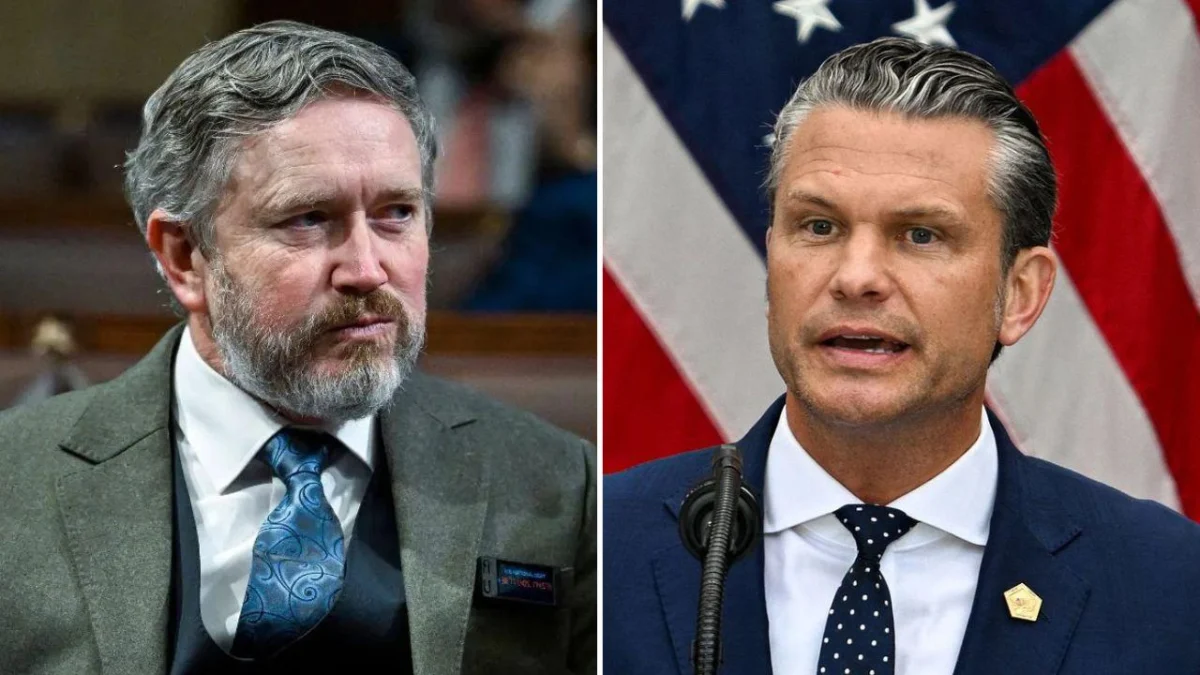
In a significant political maneuver, outgoing Kentucky Republican Representative Thomas Massie has formally filed articles of impeachment against Secretary of Defense Pete Hegseth, vowing to force a vote in the House of Representatives. Massie asserts that Secretary Hegseth has repeatedly violated the War Powers Resolution of 1973 and engaged in a pattern of executive overreach, particularly concerning the ongoing military engagement in Iran. This bold action thrusts the contentious issue of executive authority in military affairs into the national spotlight, prompting a fierce debate over constitutional checks and balances within the U.S. government.
Background to the Impeachment Bid
Secretary Pete Hegseth, appointed by former President Donald Trump in January 2025, has overseen a period marked by an assertive foreign policy stance, particularly in the Middle East. His tenure has been characterized by robust military operations and a perceived expansion of presidential power in matters of war and national security. Representative Massie, a known libertarian-leaning Republican frequently at odds with his own party’s leadership on issues of executive authority and fiscal restraint, has emerged as a vocal critic of the administration’s foreign policy and the Pentagon’s operations. His decision to initiate impeachment proceedings reflects a deep-seated concern about the erosion of congressional power in authorizing military force.
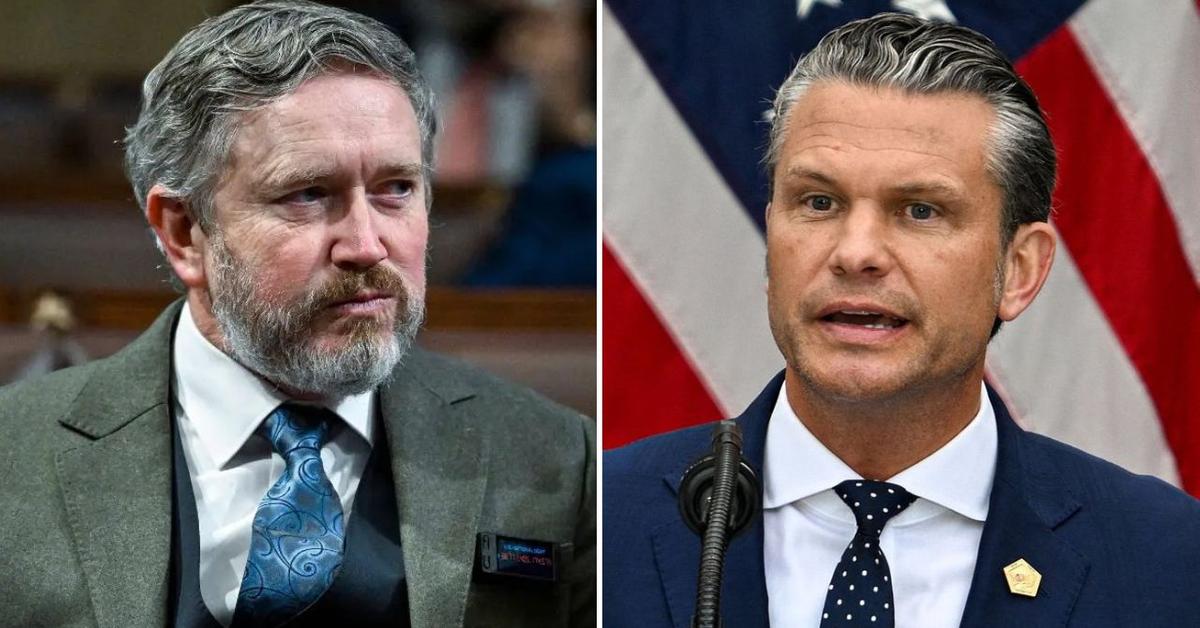
The War Powers Resolution of 1973, a federal law intended to check the U.S. president’s power to commit the United States to an armed conflict without the consent of Congress, lies at the heart of Massie’s accusations. Enacted in the aftermath of the Vietnam War, the resolution requires the President to notify Congress within 48 hours of committing armed forces to military action and forbids armed forces from remaining for more than 60 days, with a further 30-day withdrawal period, without a congressional authorization of force or a declaration of war. Massie’s filing contends that Hegseth, as the chief implementer of defense policy, has flagrantly disregarded these statutory limits, acting beyond his constitutional and legal mandate.
The Iran Conflict: A Contested and Costly War
Central to Representative Massie’s impeachment articles is the ongoing military conflict in Iran. Massie explicitly states that Secretary Hegseth has engaged in hostilities in Iran for "more than 90 days without congressional authorization," directly contravening a core provision of the War Powers Resolution. This assertion suggests a prolonged military involvement that, according to Massie, lacks the necessary legislative guidance and approval. Details surrounding the initial deployment and the nature of U.S. involvement in Iran remain contentious, with critics arguing that the administration has bypassed proper congressional deliberation.
The financial and strategic toll of this undeclared war has become a focal point of concern. Recent reports, including one cited by The Daily Beast, indicate that the conflict has already incurred an estimated cost of $33.4 billion between February 28 and June 30 alone. This staggering figure highlights the immense financial drain on U.S. taxpayer dollars for a military action that many argue was initiated without adequate congressional consent or public debate. Such costs raise critical questions about fiscal responsibility and the prioritization of national resources, especially when domestic needs compete for funding.
Beyond the financial burden, the report also warned of severe strategic consequences, noting that the conflict was causing the U.S. to "rapidly deplete its munitions." This depletion, coupled with "strategic inventory shortfalls and revealed industrial base bottlenecks for munitions resupply," points to a potentially unsustainable military posture. Concerns have been raised across defense circles about the long-term readiness of the U.S. military to respond to other global contingencies if its stockpiles are being consumed in an unapproved and protracted conflict. Secretary Hegseth has consistently dismissed these accusations, maintaining that U.S. military readiness and munitions supplies remain robust. However, Massie’s impeachment articles underscore the growing alarm over the true state of U.S. strategic reserves.
Broader Allegations of Executive Overreach
Massie’s impeachment articles extend beyond the Iran conflict, painting a picture of systemic abuse of power by Secretary Hegseth. The Kentucky lawmaker outlined a "long list of accusations," including several highly controversial actions that he claims demonstrate a disregard for both domestic law and international norms.
Unsanctioned Military Strikes and International Law

One specific charge involves Hegseth’s alleged overstepping of authority concerning military strikes on ships the U.S. believed were involved in drug trafficking. While counter-narcotics operations are a legitimate function of national security, Massie’s claim suggests these strikes may have been conducted outside established legal frameworks or international agreements, potentially infringing on the sovereignty of other nations or exceeding the lawful scope of military engagement. Such actions, if proven, could invite international condemnation and legal challenges, complicating diplomatic relations and setting dangerous precedents for future interventions.
Targeting Critics: The Mark Kelly Investigation
Another grave accusation centers on the Pentagon’s alleged investigation into Mark Kelly, coupled with claims of retaliating against critics of the Trump administration for exercising their free speech rights. This charge suggests a potential weaponization of government resources to silence dissent, a practice deeply antithetical to democratic principles and the First Amendment of the U.S. Constitution. If the Pentagon, under Hegseth’s leadership, used its investigatory powers to intimidate individuals expressing critical views, it would represent a severe breach of public trust and an abuse of official authority. The specifics of the alleged investigation into Kelly, and the nature of the retaliation, would be crucial in any formal inquiry, but the mere allegation raises serious concerns about political interference within military and intelligence apparatuses.
Diplomatic Crisis: The Maduro Kidnapping Claim
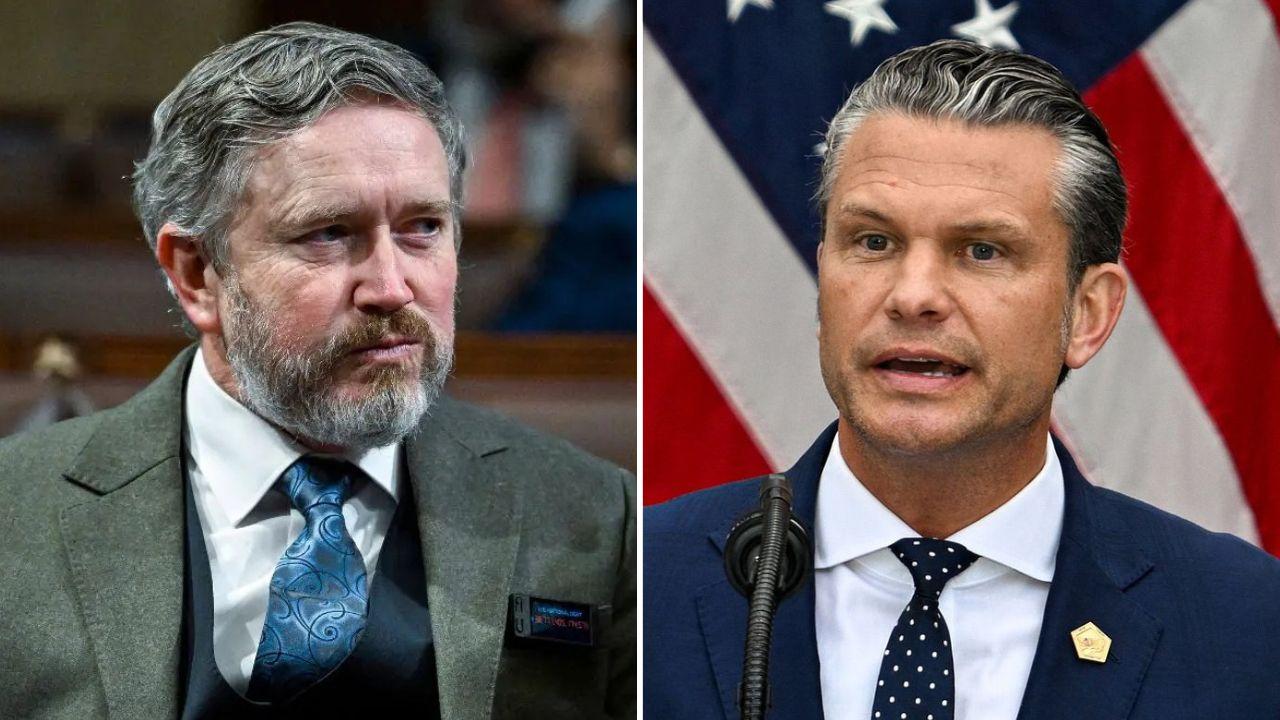
Perhaps the most startling allegation in Massie’s impeachment articles is the claim regarding the "capture of Venezuelan President Nicolás Maduro." While the U.S. has maintained a strong stance against the Maduro regime and has even offered rewards for his capture on drug trafficking charges, any direct U.S. military involvement in an attempt to "kidnap" a sitting head of state would be an extraordinary and explosive violation of international law. Such an action would constitute an act of aggression, provoke severe diplomatic crises, and could potentially lead to armed conflict. Massie’s inclusion of this charge underscores his view of Hegseth’s alleged readiness to bypass established legal and diplomatic protocols in pursuit of the administration’s foreign policy objectives, regardless of the profound international repercussions.
The Impeachment Process and Political Realities
Representative Massie’s move to introduce articles of impeachment carries significant procedural weight. Under House rules, a privileged resolution for impeachment, such as the one Massie has filed, can force a full House vote within two legislative days. This means that even if House leadership is reluctant, they may be compelled to bring the matter to the floor, forcing every member to take a public stand on the allegations against Secretary Hegseth.
Should the House vote to impeach, the process would then move to the Senate for a trial. However, the political landscape suggests that conviction and removal from office remain a distant prospect. Given the current composition of the Senate, particularly with a likely Republican majority, it is widely anticipated that enough votes would not be garnered to convict Secretary Hegseth. Impeachment trials in the Senate require a two-thirds majority for conviction, a threshold rarely met in politically charged proceedings. Historically, impeachment has often served as a powerful form of political censure and a mechanism for Congress to assert its constitutional authority, even if removal from office is unlikely.
Public and Political Ramifications
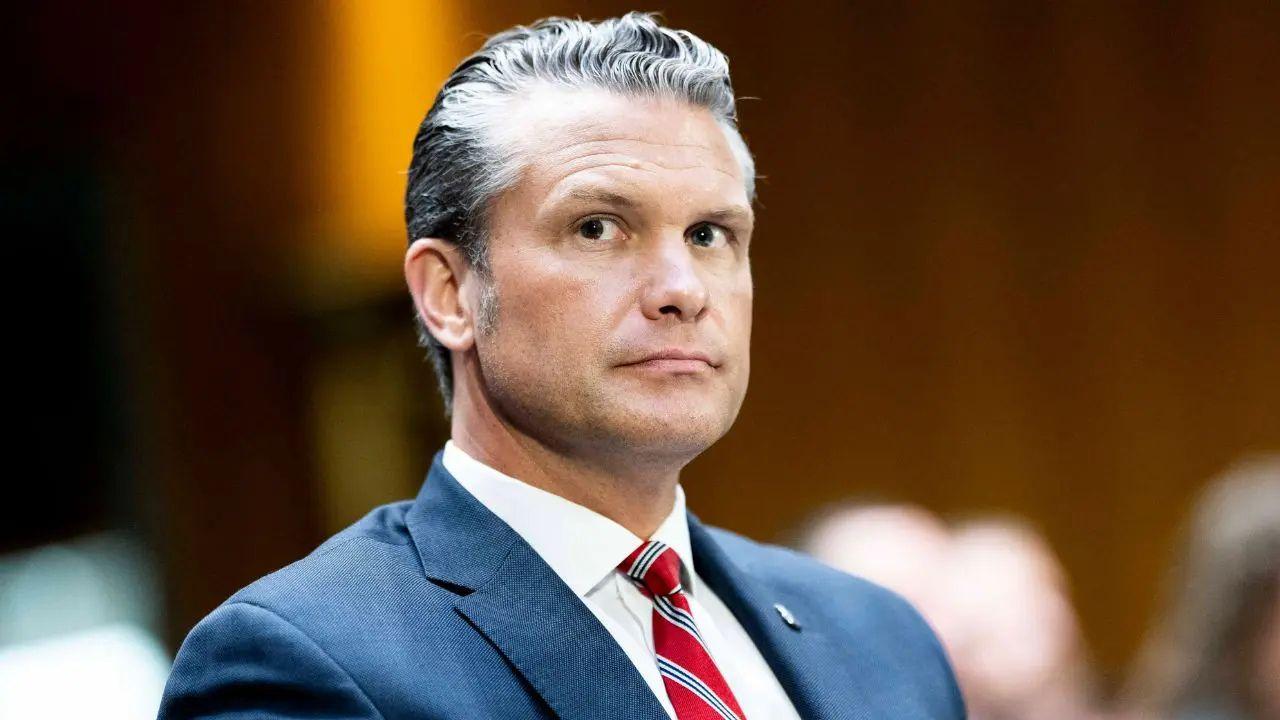
Massie’s impeachment bid arrives at a critical juncture, with the Iran war nearing its seventh month and public opinion increasingly turning against the protracted conflict. The revelations of the war’s escalating costs and the depletion of military resources are likely to fuel public discontent and intensify scrutiny of the administration’s foreign policy. For the Trump administration, the impeachment articles against one of its key cabinet members represent a significant challenge to its legacy and a potential distraction from other policy priorities.
The debate surrounding these impeachment articles will inevitably reignite discussions about the proper balance of power between the executive and legislative branches, particularly concerning the constitutional prerogative to declare war. Massie’s actions could embolden other members of Congress who seek greater oversight of military interventions and a return to more robust congressional deliberation on matters of war and peace. As an "outgoing" representative, Massie may feel less constrained by political pressures, enabling him to take a more principled stand against what he perceives as executive overreach.
Calls for Congressional Accountability
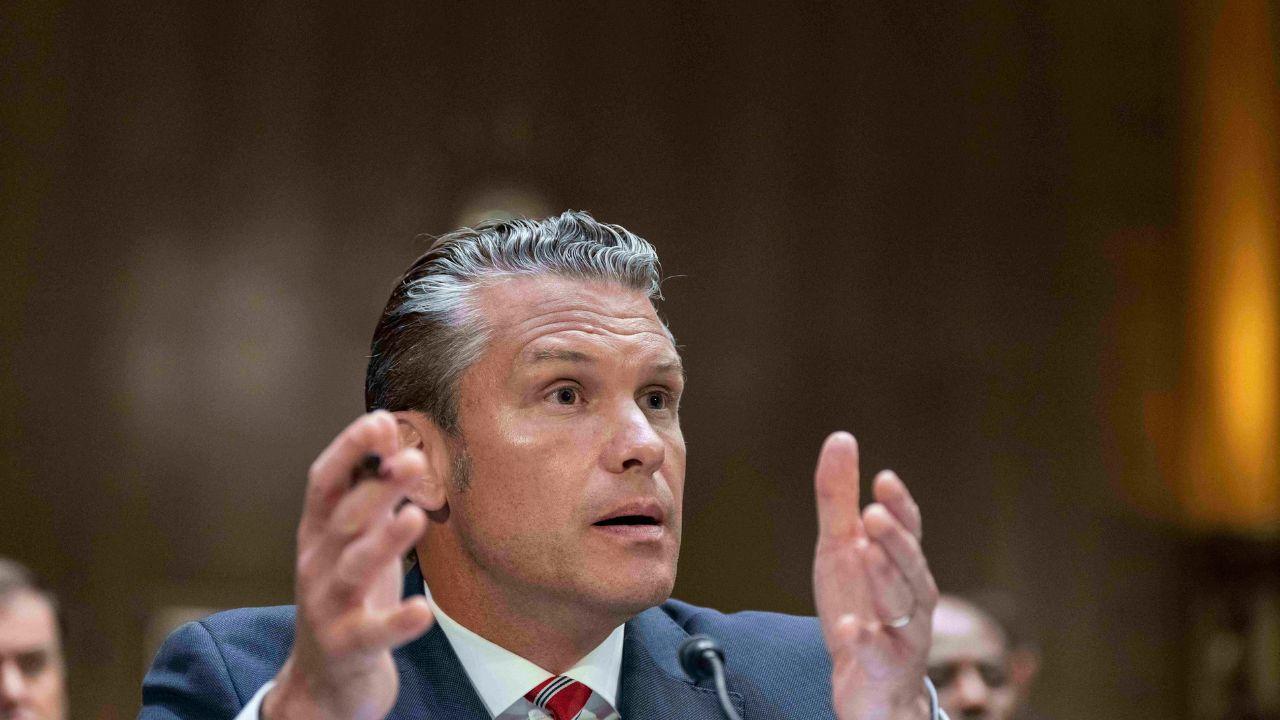
In his impassioned statement, Representative Massie called upon his colleagues to uphold their constitutional duties. "If we are to remain true to our oath to ‘support and defend the Constitution of the United States,’ Congress must not turn a blind eye to Secretary Hegseth’s unconstitutional and illegal actions," Massie declared. This appeal underscores the perceived urgency of congressional action, arguing that a failure to address these allegations would undermine the foundational principles of American governance.
The filing of these impeachment articles against Secretary Pete Hegseth marks a pivotal moment in the ongoing struggle for power between the U.S. Congress and the Executive Branch. While the ultimate outcome of the impeachment proceedings in a divided Congress remains uncertain, Massie’s resolute action ensures that the serious allegations of War Powers Resolution violations and executive abuse will be publicly debated, forcing lawmakers to confront the critical questions surrounding the legality and wisdom of the nation’s military engagements and the accountability of its highest officials. The coming days will reveal how Congress chooses to respond to this direct challenge to the authority of the Secretary of Defense.