Iranian Foreign Minister Hossein Amirabdollahian arrived in Beijing Tuesday for crucial diplomatic engagements, a visit underscoring the deepening regional instability and the international community’s efforts to navigate the escalating tensions in the Middle East. The trip, occurring against a backdrop of heightened conflict and strained diplomatic channels, highlights China’s growing role as a mediator and Iran’s strategic pivot to bolster international ties amidst mounting pressure.
Diplomatic Maneuvers Amidst Escalating Regional Conflict
The visit by Iran’s top diplomat to China comes at a critical juncture, with the ongoing conflict in the Middle East casting a long shadow over international relations and regional security. The recent drone attacks on Saudi Arabia’s oil infrastructure, leading to the suspension of operations at the vital port of Yanbu and the East-West pipeline, serve as a stark reminder of the precarious state of affairs. This incident has not only disrupted global energy markets but also amplified concerns about the potential for wider escalation.
Amirabdollahian’s discussions in Beijing are expected to encompass a range of critical issues, including bilateral relations, regional security dynamics, and Iran’s nuclear program. China, a permanent member of the UN Security Council and a significant economic partner for Iran, has consistently advocated for de-escalation and a diplomatic resolution to the ongoing crises. The two nations share a strategic interest in maintaining stability in the Persian Gulf, a vital artery for global energy supplies.
China’s Role in Middle East Diplomacy
China has been increasingly assertive in its diplomatic outreach concerning the Middle East. Beijing has positioned itself as a neutral arbiter, seeking to foster dialogue and understanding among regional players. This approach contrasts with the more interventionist stances of some Western powers, offering an alternative pathway for conflict resolution.
The timing of Amirabdollahian’s visit is particularly significant, as it follows recent diplomatic efforts that have yielded limited results in de-escalating the broader conflict. The international community has been grappling with how to effectively address the root causes of the instability, while also managing the immediate consequences of the violence. China’s willingness to engage directly with Iran on these sensitive matters signals its commitment to playing a more prominent role in shaping regional security architecture.
Iran’s Strategic Imperatives and International Relations
For Iran, strengthening ties with China serves multiple strategic objectives. Beijing’s economic support is crucial for Iran, particularly in the face of extensive international sanctions. Furthermore, closer political alignment with a global power like China can help Iran counter perceived isolation and bolster its negotiating position on the international stage.
The ongoing nuclear negotiations remain a central point of discussion in Iran’s foreign policy. While progress has been slow, maintaining open channels of communication with key international players, including China, is vital for Tehran as it seeks to navigate the complex landscape of sanctions relief and nuclear safeguards. The outcome of these discussions could have profound implications for regional security and global non-proliferation efforts.
The Impact of Regional Instability on Global Markets
The recent disruptions to Saudi Arabia’s oil loadings underscore the interconnectedness of regional security and global economic stability. The port of Yanbu is a critical hub for Saudi oil exports, and any prolonged disruption can lead to significant fluctuations in global oil prices, impacting economies worldwide. The East-West pipeline, which transports crude oil from the Eastern Province to the Red Sea coast, is equally vital for Saudi Arabia’s export capacity.
These attacks highlight the vulnerability of critical energy infrastructure in the region. The potential for further disruptions creates uncertainty in global energy markets, leading to increased volatility and posing challenges for both energy producers and consumers. The international community is closely watching the situation, recognizing the far-reaching economic consequences of any significant escalation.
Broader Implications for Middle East Security
The faltering of Middle East diplomacy is a cause for significant concern, creating a vacuum that can be exploited by extremist elements and leading to further cycles of violence. The current geopolitical climate is characterized by a complex web of alliances, rivalries, and proxy conflicts, making a comprehensive resolution exceedingly difficult.
Iran’s engagement with China, while focused on bilateral and regional issues, also reflects a broader shift in global power dynamics. As traditional diplomatic avenues struggle to achieve lasting peace, nations are increasingly seeking out alternative partnerships and platforms for dialogue. This evolving landscape presents both opportunities and challenges for achieving a stable and secure Middle East.
The Human Cost of Conflict
Beyond the geopolitical and economic ramifications, the ongoing conflict in the Middle East has a devastating human cost. Civilian populations bear the brunt of the violence, facing displacement, loss of life, and the destruction of their communities. The protracted nature of these conflicts exacerbates humanitarian crises, requiring sustained international efforts to provide aid and support.
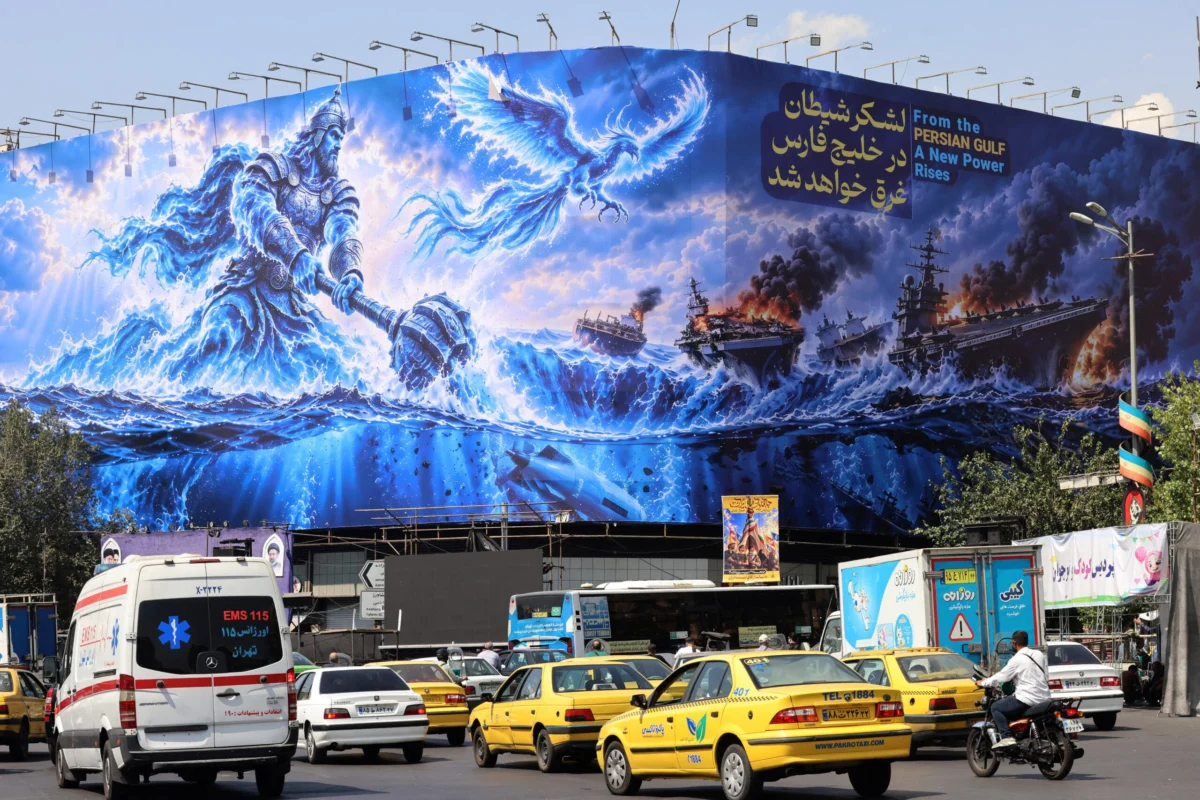
The images emerging from conflict zones – such as the anti-US billboard displayed in Tehran, a potent symbol of geopolitical tensions – serve as a stark reminder of the deep-seated animosities and the enduring impact of these conflicts on the lives of ordinary people. The pursuit of peace and stability in the region is not merely a political or economic imperative, but a fundamental humanitarian necessity.
Navigating the Complexities of International Relations
The visit of Iran’s foreign minister to China is a testament to the intricate and often challenging nature of international diplomacy in the 21st century. As the world grapples with multifaceted crises, the ability of nations to engage in constructive dialogue, even with adversaries, becomes paramount. The success of these diplomatic endeavors will hinge on the willingness of all parties to prioritize de-escalation, seek common ground, and work towards sustainable solutions that address the underlying causes of conflict.
The international community will be closely observing the outcomes of Amirabdollahian’s discussions in Beijing. The results could offer insights into the future trajectory of Iran’s foreign policy, the evolving role of China in global affairs, and the prospects for peace and stability in a region that remains central to global security and economic well-being. The path forward remains fraught with challenges, but the ongoing diplomatic engagement, however complex, represents a crucial step in the arduous journey towards resolving the deep-seated issues plaguing the Middle East.