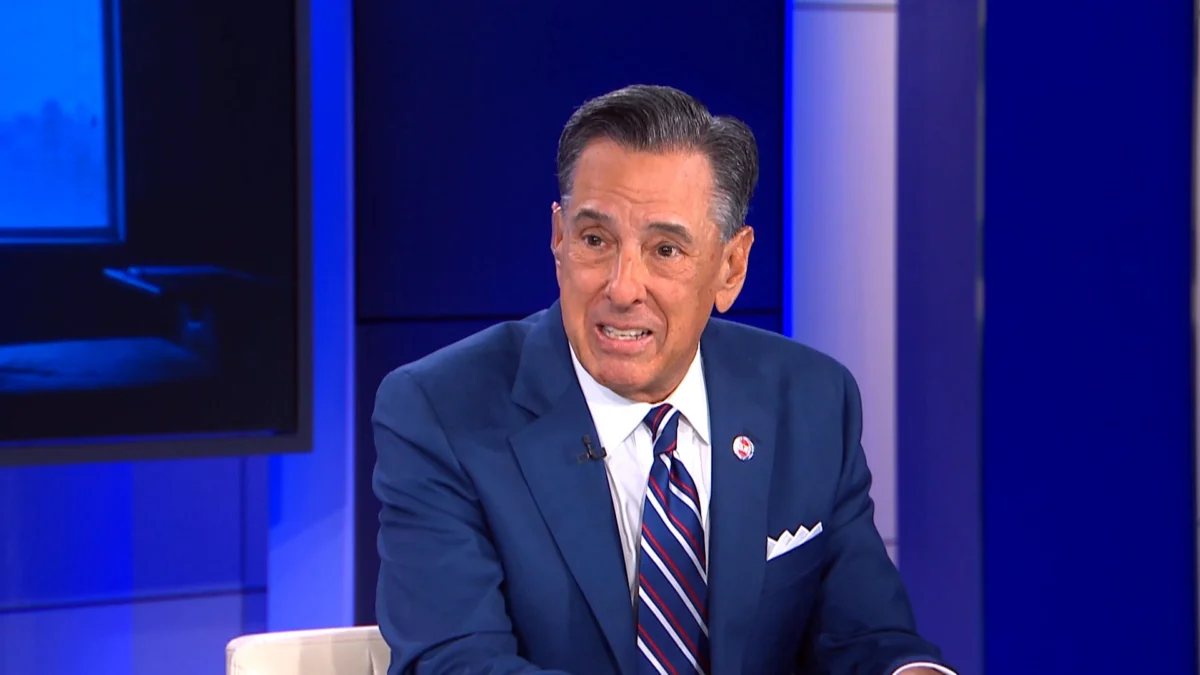
Despite decades of substantial investment and groundbreaking discoveries, the United States faces a stark reality: its healthcare system may be fundamentally incapable of delivering a universal cure for cancer, even if one were to be found. This sobering assessment comes from Ted Okon, executive director of the Community Oncology Alliance, who voiced his concerns on Al Jazeera’s “This is America.” His assertion challenges the prevailing narrative of American medical progress, suggesting that systemic issues, rather than scientific limitations, pose the most significant barrier to widespread cancer treatment and eradication.
The sheer magnitude of the cancer burden in the U.S. cannot be overstated. It remains one of the nation’s leading causes of death, a persistent specter despite the billions of dollars funneled into research and development. This paradox – immense financial commitment yielding insufficient public health gains – fuels Okon’s critical examination of the healthcare infrastructure. The focus, he implies, has been on the laboratory bench rather than the patient’s bedside, overlooking the logistical and economic hurdles that prevent even proven treatments from reaching all those in need.
The Cost of Innovation and Access
The history of cancer research in the United States is a testament to American ingenuity and a deep-seated desire to conquer this devastating disease. Since the National Cancer Act of 1971, which significantly ramped up federal funding, the country has been at the forefront of unraveling the complexities of cancer biology. This has led to remarkable advancements, from the development of targeted therapies and immunotherapies to sophisticated diagnostic tools and early detection methods. These innovations have undoubtedly saved countless lives and improved the quality of life for many patients.
However, the translation of these scientific triumphs into equitable access for all Americans is where the system falters. The exorbitant cost of cutting-edge cancer treatments is a primary culprit. New drugs, often hailed as miracle cures, can carry price tags in the hundreds of thousands, if not millions, of dollars per patient. This financial barrier creates a two-tiered system where access is often dictated by insurance coverage and socioeconomic status, rather than medical necessity.
Systemic Flaws Undermining Progress
Okon’s critique centers on the fragmented nature of the U.S. healthcare system. Unlike many developed nations with single-payer or universal healthcare models, the American approach is a complex tapestry of private insurance, government programs like Medicare and Medicaid, and out-of-pocket expenses. This fragmentation leads to administrative inefficiencies, wide disparities in coverage, and a constant struggle for patients to navigate the labyrinthine system.
The economics of cancer care are particularly acute. For community oncology practices, the backbone of cancer treatment for many Americans, reimbursement rates often fail to keep pace with the escalating costs of drugs and supportive care. This financial strain can force practices to close, consolidate, or limit the services they offer, thereby reducing access for patients in their communities, especially in rural or underserved areas. The reliance on fee-for-service models can also incentivize the delivery of more services, regardless of their ultimate value or necessity, contributing to overall cost inflation.
The Unfulfilled Promise of a Cure
The scenario Okon paints is grim: even if scientists were to achieve a definitive cure for a specific type of cancer, the existing healthcare infrastructure would struggle to implement it broadly. The challenges would not be scientific, but logistical and financial. Would insurance companies cover the cost of a universally administered cure? How would it be distributed and administered to millions of people simultaneously? These are questions that highlight the disconnect between medical possibility and practical reality in the U.S.
The focus on treating advanced cancers, often with expensive and toxic therapies, also overshadows the crucial importance of prevention and early detection. While research into novel treatments receives significant attention and funding, public health initiatives aimed at promoting healthy lifestyles, screening programs, and addressing environmental carcinogens often receive comparatively less support. This imbalance contributes to the persistent high incidence and mortality rates.
The Economic Realities of Cancer Care
The financial burden of cancer extends far beyond treatment costs. Patients often face significant indirect costs, including lost wages due to inability to work, travel expenses for appointments, and the need for home care or support services. For many families, a cancer diagnosis can trigger a financial crisis, leading to bankruptcy and devastating economic hardship, even for those with insurance.
The pharmaceutical industry’s pricing strategies are a frequent point of contention. While innovation is costly, critics argue that the profit margins on life-saving drugs are excessive, driven by market exclusivity and a lack of robust price negotiation mechanisms. This allows companies to set prices that are often significantly higher in the U.S. than in other developed countries. The debate over drug pricing is a central element in the broader discussion about healthcare affordability and accessibility.
Disparities in Access and Outcomes
The impact of systemic flaws is not felt equally across the population. Racial and ethnic minorities, individuals from low-income backgrounds, and those living in rural areas consistently experience worse cancer outcomes. These disparities are rooted in a complex interplay of factors, including unequal access to quality care, implicit bias within the healthcare system, and social determinants of health such as housing, education, and food security.
For example, screening rates for certain cancers are lower in underserved communities, meaning cancers are often detected at later, more difficult-to-treat stages. Even when treatment is available, transportation issues, lack of culturally competent care, and language barriers can impede a patient’s ability to adhere to their treatment plan. These inequities underscore the urgent need for systemic reform that prioritizes equitable access to care.
The Political and Public Debate
The issue of healthcare reform in the United States is a perennial political battleground. Debates rage over the role of government, the balance between market forces and regulation, and how to control rising healthcare costs while ensuring quality and access. Proposals range from expanding existing government programs to advocating for a complete overhaul of the system towards a single-payer model.
Public opinion on healthcare is deeply divided, reflecting a complex mix of personal experiences, political ideologies, and economic anxieties. While many Americans express dissatisfaction with the current system, there is no broad consensus on the best path forward. The powerful lobbying efforts of various healthcare industry stakeholders, including insurance companies, pharmaceutical manufacturers, and hospital systems, further complicate legislative efforts to enact meaningful change.
Looking Towards Solutions and Reform
Addressing the fundamental issues plaguing U.S. healthcare in its ability to combat cancer requires a multi-pronged approach. Experts like Ted Okon emphasize the need to shift focus from solely advanced treatment to robust prevention and early detection strategies. This involves increased investment in public health initiatives, accessible screening programs, and efforts to address the social determinants of health that contribute to disparities.
Furthermore, reforms aimed at controlling healthcare costs are essential. This could include measures to increase transparency in pricing, empower government agencies to negotiate drug prices, and explore alternative payment models that reward value and patient outcomes rather than the volume of services. Streamlining administrative processes and reducing the complexity of insurance coverage could also free up resources and improve patient navigation of the system.
The conversation around cancer in America must evolve beyond scientific breakthroughs to confront the structural barriers that prevent these advancements from benefiting all citizens. The question is no longer just whether science can cure cancer, but whether the U.S. healthcare system is equipped to deliver that cure, equitably and affordably, to everyone who needs it. Without significant systemic reform, the promise of a cancer-free future remains a distant, perhaps unattainable, goal for a substantial portion of the American population.