
Patrick Clancy, the Duxbury, Massachusetts father whose three young children were tragically killed by their mother in January 2023, has opened up about his past marriage to ex-wife Lindsay Clancy and the profound grief he continues to navigate. In a deeply personal interview with "60 Minutes" correspondent Ross Douthat, which aired on September 20, Clancy reflected on his efforts during their marriage, stating, "I think I did the best I could with what I had at the time, and I live with the outcome. I live with it every day, but I think I did the best I could." His remarks offer a rare glimpse into the private anguish following a case that has gripped national attention and sparked widespread debate on maternal mental health and the legal system.
The Duxbury Tragedy: A Nation Mourns
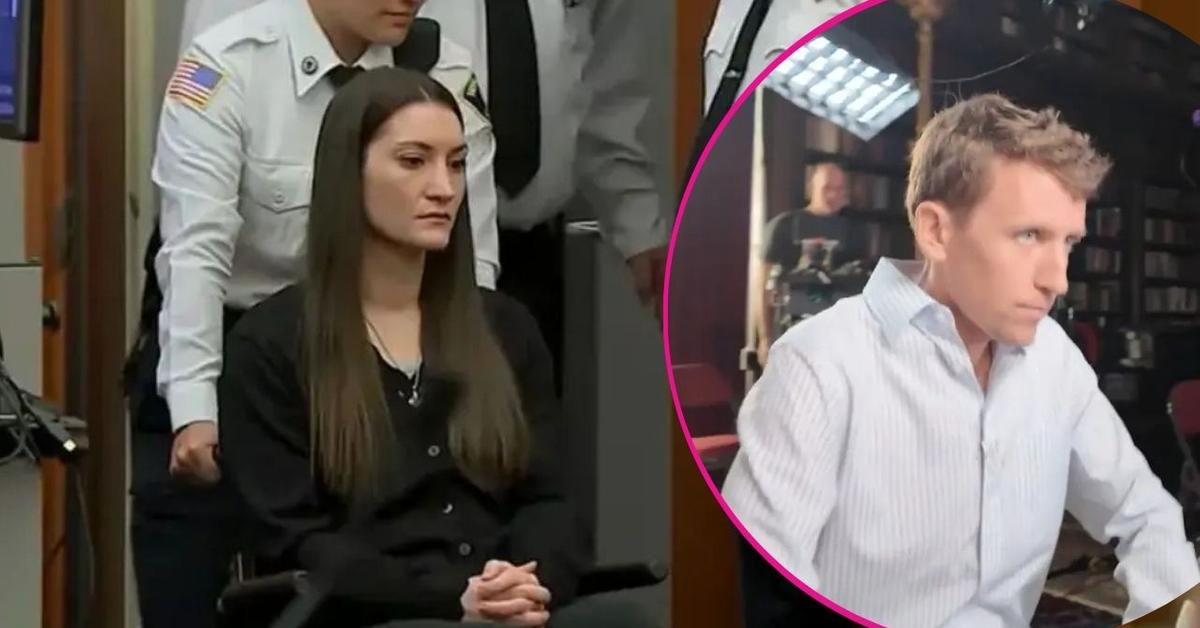
The horrific events of January 24, 2023, sent shockwaves across the United States. Lindsay Clancy, then 36, a labor and delivery nurse, is accused of strangling her three children—5-year-old daughter Cora, 3-year-old son Dawson, and 8-month-old son Callan—in their Duxbury home. Following the alleged murders, she reportedly attempted suicide by jumping from a second-story window and slitting her wrists, resulting in severe injuries that left her paralyzed from the waist down. The tragedy unfolded after Patrick Clancy, 38, had left the house to run an errand, at Lindsay’s request. Upon his return, he discovered his wife in the backyard and immediately dialed 911, unknowingly stepping into a nightmare that would forever alter his life.
The Duxbury community, and indeed the entire nation, reeled from the sheer brutality of the crime. Public sentiment initially swung between outrage and profound sorrow, quickly giving way to complex discussions surrounding mental health, particularly the devastating impact of peripartum mood and anxiety disorders. The Clancy family, once a picture of suburban normalcy, became the epicenter of a case that forced difficult questions about parental responsibility, medical oversight, and the often-invisible struggles of new mothers.
Postpartum Psychosis Defense and Legal Quagmire
Lindsay Clancy’s defense team quickly argued that she was suffering from severe postpartum psychosis at the time of the killings. This grave mental illness, distinct from the more common postpartum depression, is characterized by a rapid onset of psychotic symptoms, including hallucinations, delusions, paranoia, and extreme confusion, often beginning within weeks of childbirth. It is considered a medical emergency requiring immediate psychiatric intervention, as it can lead to devastating consequences, including infanticide or suicide. The defense contended that Lindsay’s actions were not those of a rational mind but were compelled by a severe break from reality, exacerbated by a cocktail of prescription medications she was taking for anxiety and depression.
The legal proceedings have been arduous and emotionally charged. Prosecutors sought to hold Lindsay Clancy accountable for premeditated murder, pointing to her alleged planning and the deliberate nature of the children’s deaths. However, the defense presented a compelling case detailing her rapid descent into mental illness, highlighting her family’s desperate attempts to seek help and the healthcare system’s perceived failures in adequately addressing her deteriorating condition. The trial culminated in a mistrial declaration on September 4, 2026, after the jury remained deadlocked, unable to reach a unanimous verdict. This outcome left both sides in a precarious position, with the possibility of a retrial looming and the legal fate of Lindsay Clancy uncertain.
Patrick Clancy’s Journey: From Grief to A New Chapter

Patrick and Lindsay Clancy’s relationship began in 2013, leading to their marriage three years later. They built a family, welcoming Cora, Dawson, and Callan, and appeared to be living a fulfilling life before the unimaginable occurred. In the wake of the tragedy, Patrick’s resilience and his raw, public expressions of grief have resonated deeply with many. He has consistently sought to honor the memory of his children, often sharing poignant messages about their lives and the immense void their absence has created.
His recent "60 Minutes" interview marks a significant public return for Patrick Clancy, who has since embarked on a new chapter in his personal life. He is now married to Dr. Rachel Danis, an infertility specialist. The couple exchanged vows in April 2026, a development that has drawn both support and scrutiny. Dr. Danis also participated in the interview, offering her perspective on their relationship and defending their decision to marry amidst the ongoing public discourse surrounding the Duxbury case.
Dr. Rachel Danis Defends Her Marriage to Patrick Clancy

During the "60 Minutes" segment, Dr. Rachel Danis addressed the public’s reaction to her marriage to Patrick Clancy, emphasizing the organic nature of their connection. "I was just a girl who met a guy running in Central Park on a really cold Saturday," Rachel recounted, describing their initial encounter in 2024. "And I don’t think there’s anything wrong with that." Her statement aimed to normalize their relationship, asserting that love and companionship can emerge even in the shadow of immense tragedy.
Danis spoke passionately about Patrick’s character, portraying him as a devoted parent and a supportive partner. "He is the most selfless father and supportive partner," she stated, challenging prevailing narratives that have circulated online. Her remarks directly confronted the viral conspiracy theories that have plagued Patrick since the Duxbury murders. These baseless theories, amplified across social media platforms, suggested that Patrick had been unfaithful to Lindsay or, more disturbingly, that he played a role in his children’s deaths. "I don’t understand how the story has been so twisted," Danis expressed, highlighting the profound impact of misinformation on individuals grappling with unimaginable loss.
Navigating Public Scrutiny and Personal Healing
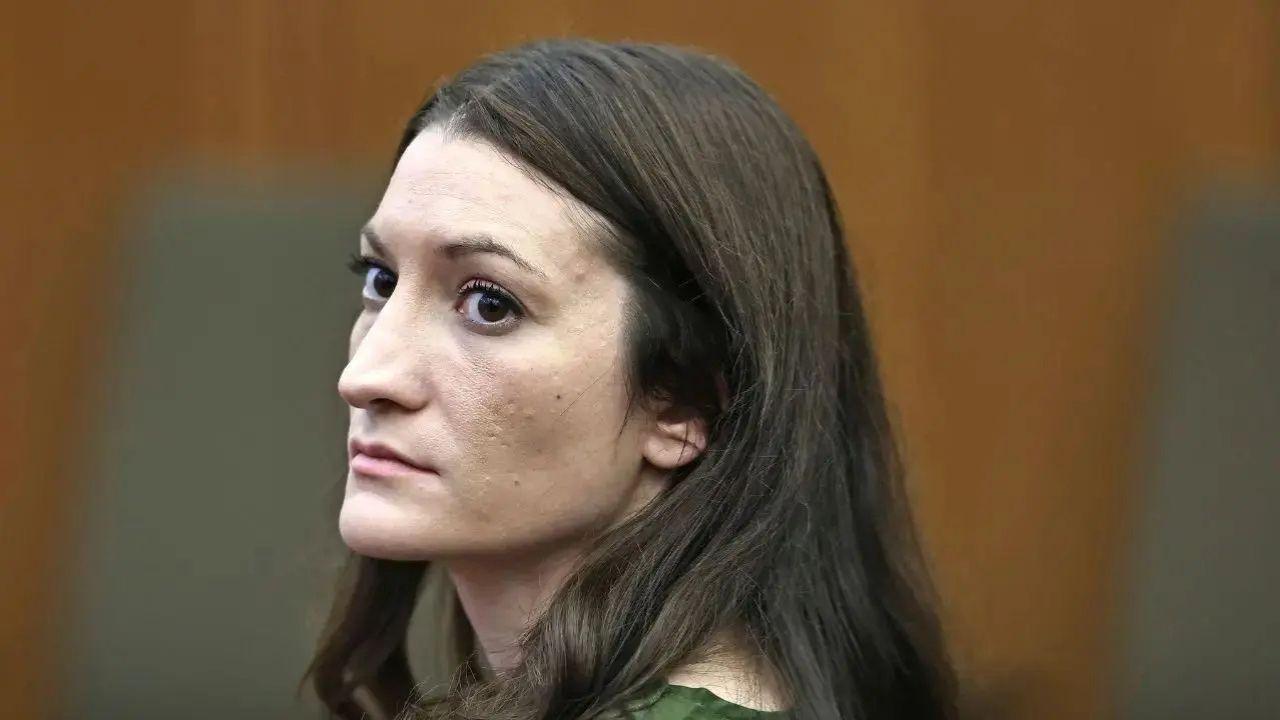
The Duxbury tragedy, compounded by the mistrial and Patrick Clancy’s subsequent remarriage, has kept the story in the public consciousness, fueling intense discussions about grief, healing, and the right to privacy in the digital age. Patrick Clancy’s decision to share his story on "60 Minutes" underscores his continued efforts to process his trauma and live authentically, despite the relentless public gaze. His candid admission about communicating with his deceased children resonated with many who have experienced profound loss. "I talk to them," he confessed during the interview. When asked what he says, he revealed, "’Help me.’ All the time." This raw plea for solace and strength encapsulates the ongoing, deeply personal battle with grief that transcends the public narrative.
The case of Lindsay Clancy and the Duxbury murders has become a touchstone for advocates pushing for greater awareness and improved resources for maternal mental health. Organizations and healthcare professionals continue to highlight the critical need for early screening, effective treatment, and compassionate support for mothers experiencing peripartum mental illnesses. The legal complexities of cases involving severe mental health conditions also remain a point of contention, prompting calls for legal reforms that better balance accountability with an understanding of diminished capacity due to illness.
As the legal future of Lindsay Clancy remains uncertain and Patrick Clancy continues to forge a new life, the Duxbury tragedy serves as a poignant reminder of the fragility of life, the complexities of mental illness, and the enduring human capacity for both profound sorrow and the arduous journey toward healing. The echoes of "Help me" from a grieving father reverberate, underscoring the universal need for understanding, support, and compassion in the face of unimaginable loss.