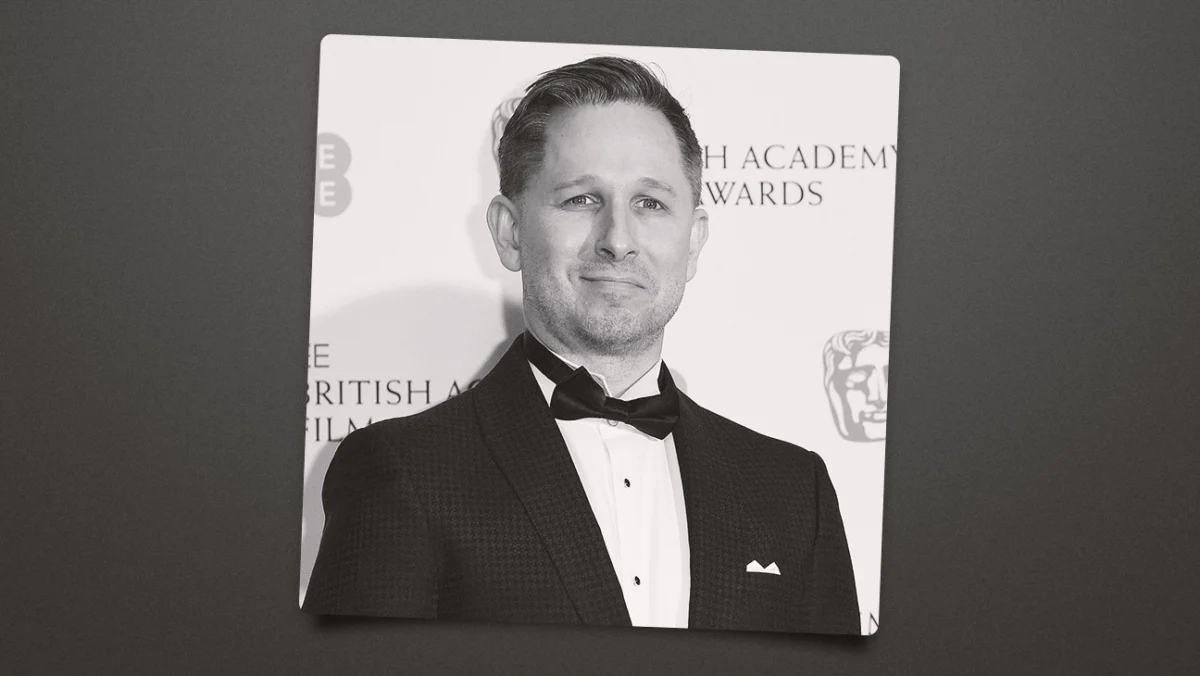
Elliot Graham, the acclaimed film editor whose precise and evocative work earned him an Academy Award nomination for the powerful 2008 biopic Milk, has died at the age of 50. Graham, a highly sought-after talent in Hollywood, was also instrumental in shaping the narratives of blockbusters and critically acclaimed dramas alike, including Steve Jobs, Captain Marvel, and the final James Bond installment, No Time to Die.
The County of Los Angeles Medical Examiner confirmed that Graham died by suicide on Saturday in Los Angeles. His sudden passing has sent ripples of shock and grief through the film community, mourning the loss of a gifted artist known for his meticulous eye and profound understanding of cinematic rhythm.
The Craft of Elliot Graham: Shaping Cinematic Narratives
Film editing is often described as the invisible art, where the editor meticulously pieces together raw footage to construct a cohesive story, dictate pacing, and evoke emotional responses from the audience. Elliot Graham excelled in this demanding craft, demonstrating a remarkable versatility across genres. His work was characterized by a keen sense of narrative flow, whether he was cutting the intense dramatic beats of a biopic or the exhilarating action sequences of a superhero epic.
His most widely recognized achievement, the 2008 film Milk, directed by Gus Van Sant, brought Graham significant industry acclaim. The biographical drama chronicled the life of Harvey Milk, played by Sean Penn, who made history as the first openly gay man elected to public office in California. Graham’s editing was pivotal in conveying the urgency and emotional weight of Milk’s activism, seamlessly blending archival footage with dramatic reconstructions to create a compelling and historically resonant narrative. The film garnered eight Academy Award nominations, winning two for Best Actor (Sean Penn) and Best Original Screenplay (Dustin Lance Black), a testament to the collective artistic achievement that Graham was central to.
A Legacy of Collaborations and Critical Acclaim
Graham’s professional journey began with his first editing credit on the 2001 thriller The Last Minute, directed by Stephen Norrington. His early career saw him contribute additional editing to high-profile projects such as X2: X-Men United in 2003, showcasing his developing expertise in large-scale productions. This led to a significant collaboration with director Bryan Singer, serving as the primary film editor for Superman Returns in 2006, where he helped define the visual language and pacing of the iconic superhero’s return to the big screen.
Following his Oscar nomination for Milk, Elliot Graham continued to collaborate with Gus Van Sant, lending his editing prowess to the romantic drama Restless in 2011, starring Mia Wasikowska. This reunion underscored the strong working relationships Graham cultivated throughout his career, a hallmark of his professional approach.
His filmography is a testament to his breadth of talent and the trust placed in him by leading directors and studios. He edited Bill Paxton’s inspiring golf drama The Greatest Game Ever Played (2005) and Robert Luketic’s heist drama 21 (2008). Later, he tackled the fast-paced, dialogue-heavy world of Danny Boyle’s Steve Jobs (2015), starring Michael Fassbender, where his precise cuts were essential to the film’s dynamic rhythm and intellectual intensity. He also edited Stephen Daldry’s Brazilian-set adventure Trash (2014) and Aaron Sorkin’s directorial debut, Molly’s Game (2017), known for its intricate storytelling and rapid-fire dialogue.
Elliot Graham’s Impact on Blockbusters and Beyond
Graham’s versatility extended to some of Hollywood’s biggest franchises. He was the editor for Anna Boden and Ryan Fleck’s Captain Marvel (2019), a cornerstone of the Marvel Cinematic Universe starring Brie Larson. Here, he balanced the demands of superhero action with character development and world-building, contributing significantly to the film’s commercial success and critical reception.
His final credited work solidified his reputation as an editor capable of handling projects of immense scale and expectation: the James Bond film No Time to Die (2021). Directed by Cary Joji Fukunaga, this installment marked Daniel Craig’s swansong as Agent 007. Graham, sharing the credit with Tom Cross, earned a prestigious BAFTA Award for his exceptional work on the film, a fitting capstone to a career defined by excellence. The editing in No Time to Die was praised for its masterful blend of high-octane action, poignant dramatic moments, and seamless narrative progression, contributing to the film’s emotional impact and critical success.
Beyond feature films, Elliot Graham also made his mark in television. He served as both a producer and film editor for the 2018 FX series Trust, which delved into the dramatic 1973 kidnapping of John Paul Getty III. This role highlighted his capabilities beyond the cutting room, demonstrating his broader understanding of storytelling and production.
His additional editing contributions further illustrate his extensive involvement in the industry, including work on films like The Amazing Spider-Man 2 (2014), I Am Michael (2015), and Cary Joji Fukunaga’s acclaimed Beasts of No Nation (2015), a testament to his collaborative spirit and technical expertise.
Tributes and Industry Reflection
News of Elliot Graham’s passing elicited immediate reactions from those who worked closely with him. Oscar-nominated Milk producer Dan Jinks took to Facebook to share his grief and appreciation. Jinks wrote movingly that the film “wouldn’t have come together in the way it did without [Graham’s] amazing work.” This sentiment reflects the profound impact an editor has on the final shape and resonance of a film, often working behind the scenes but being absolutely vital to its success. An editor like Graham is not just assembling footage; they are crafting emotions, building tension, and defining the very soul of a movie.
Born on June 8, 1976, in Claremont, California, Elliot Graham’s career spanned over two decades, leaving an indelible mark on contemporary cinema. His ability to elevate a story through precise cuts, thoughtful pacing, and an intuitive grasp of cinematic language earned him the respect and admiration of his peers. His untimely death represents a significant loss to the filmmaking community, depriving the industry of a master craftsman whose contributions shaped some of the most memorable films of the new millennium. The legacy of his work, from the intimate drama of Milk to the global spectacle of No Time to Die, will continue to be studied and appreciated by filmmakers and audiences alike for generations to come.