The impending acquisition of Warner Bros. Discovery by Paramount Skydance is set to culminate in the formation of the world’s largest television news organization, uniting the formidable forces of CNN and CBS News. This colossal media merger, however, comes with a critical stipulation: the establishment of an "Editorial Independence Board" (EIB), a unique oversight body designed to safeguard journalistic integrity and impartiality within the newly combined entity. This board’s creation is a direct result of a settlement reached between Paramount and a coalition of state attorneys general, underscoring regulatory concerns about the scale and potential influence of such a dominant news conglomerate.
The Evolving Media Landscape and Regulatory Scrutiny
The media industry has been in a state of flux for decades, characterized by waves of consolidation driven by technological shifts, the rise of digital platforms, and the intense competition for audience attention and advertising revenue. Major players like NBC News, MSNBC, and CNBC, once unified, have seen their ownership structures diversify across different corporate entities. The Paramount Skydance-Warner Bros. Discovery deal represents a new pinnacle in this consolidation, creating an unrivaled media behemoth, particularly within the U.S. news market. This scale immediately raised red flags for regulators and public interest groups concerned about market dominance and the potential for a concentrated news voice.
State attorneys general, representing public interest and consumer protection, often play a crucial role in scrutinizing large mergers. Their involvement in this particular acquisition highlights a growing focus not just on economic monopolies, but also on the societal impact of media concentration. The settlement that mandated the creation of the Editorial Independence Board signals a recognition that public trust in media is paramount, and that mechanisms are needed to insulate news operations from undue corporate or partisan influence, especially when an entity achieves such unprecedented scale. The decision reflects a broader societal anxiety regarding media bias and the erosion of journalistic standards in an increasingly polarized information environment.
Mandate and Mission: The Editorial Independence Board’s Core Functions
At the heart of the EIB’s mission is the development and enforcement of robust "News Editorial Principles." These principles will draw upon the established standards and practices of both CBS News and CNN, focusing on fundamental journalistic tenets such as integrity, fairness, independence, and accuracy. The board will be tasked with codifying these standards into a comprehensive framework that guides all news and editorial content produced by the combined entity for U.S. distribution.
Beyond setting guidelines, the EIB is designed to act as an arbiter. It will be responsible for resolving disputes that may arise between CBS News employees, CNN employees, and the management of the combined organization. These disputes could range from alleged violations of the newly established News Editorial Principles to claims of reporting bias or failures to meet agreed-upon fairness standards. This dispute resolution mechanism is intended to provide an internal, independent avenue for addressing concerns about journalistic practices, potentially mitigating internal conflicts and reinforcing ethical conduct.
Furthermore, a key function of the board will be ongoing monitoring. The EIB will actively oversee adherence to ethical journalism, as defined by industry best practices, and ensure genuine editorial independence. This oversight specifically extends to shielding news operations from the influence of the combined entity’s ownership and shareholders. While CNN maintains a significant international operation, the board’s purview will be specifically limited to news and editorial content intended for distribution within the United States, which encompasses virtually all of CBS News’s output and a substantial portion of CNN’s domestic programming. The EIB will ultimately report to the corporate board of the combined entity through a designated chief compliance officer, establishing a direct line of communication with the highest levels of corporate governance.
Composition and Appointment: Who Will Serve on the Board?
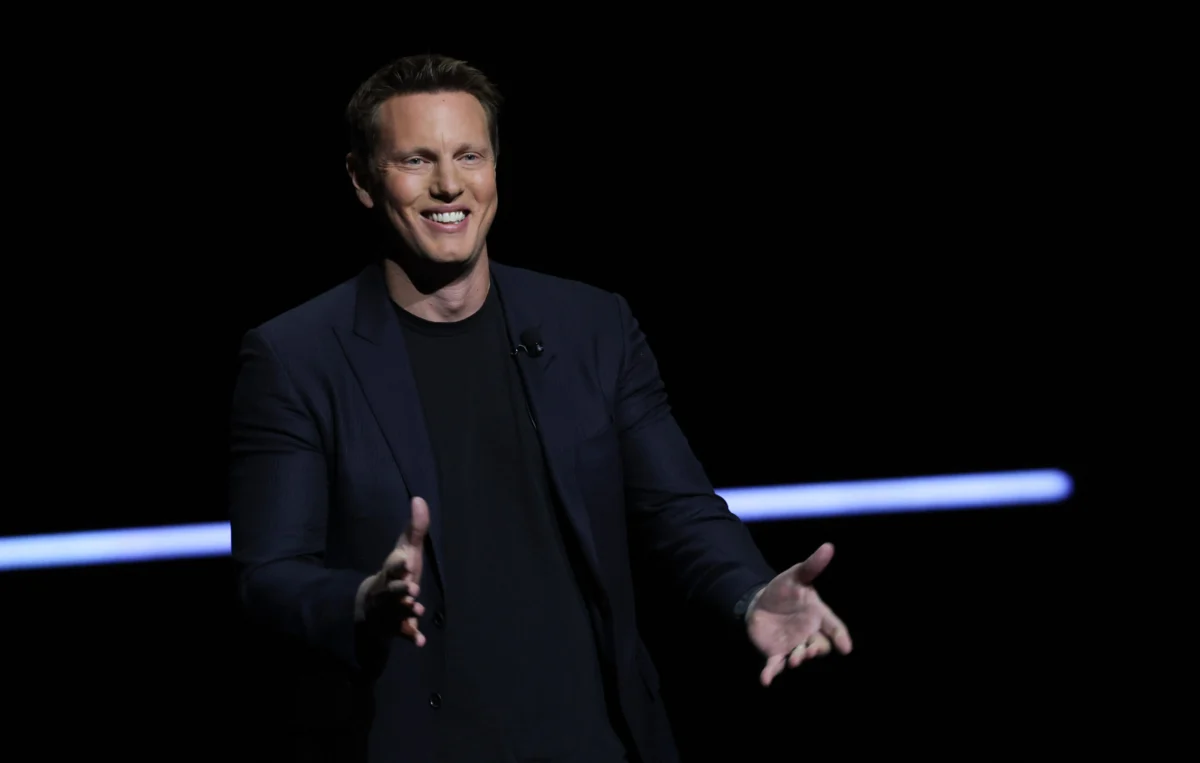
The establishment of the Editorial Independence Board is not an immediate undertaking but a process with a defined timeline. Within 180 days of the merger’s final closing, the board of directors for the combined company, effectively led by CEO David Ellison of Skydance Media, will be responsible for appointing the five members of the EIB. These appointments will carry significant weight, as the board members will serve three-year terms and can only be removed for "good cause," a provision designed to protect their independence from arbitrary dismissal.
Candidates for the EIB must possess a minimum of ten years of experience practicing journalism, encompassing both active and retired professionals. A crucial stipulation addresses concerns about partisan influence: "No more than two (2) Editorial Independence Board Members may be affiliated with the same political party." This clause acknowledges the reality that journalists may hold personal political leanings but attempts to prevent the board from being dominated by a single ideological perspective. Furthermore, strict prohibitions are in place to ensure external independence. No current member of any government or governmental entity can be appointed, nor can any government body exert approval rights over the appointments.
The agreement also explicitly excludes officers, directors, shareholders, or non-journalist employees or contractors of the combined entity from serving on the EIB. However, a notable nuance exists: the door remains open for journalists currently working for the company to potentially join the board. This could lead to the appointment of high-profile, respected figures from within CNN or CBS News, such as Norah O’Donnell or Jake Tapper, lending internal credibility to the board. Additionally, RedBird Capital, David Ellison’s partner in the merger, employs several prominent former journalists, including Chris Wallace, Graydon Carter, and Matthew Garrahan, who could also be considered for roles. Regardless of who is chosen, the selection process, particularly concerning any appointees perceived as having overt partisan leanings, is anticipated to attract intense scrutiny from critics and press freedom organizations, setting the stage for significant public debate.
Historical Precedents and the Challenge of True Independence
The concept of an independent oversight body within a media organization is not entirely new, though its implementation and effectiveness have varied. News Corp., for instance, established its own board following Rupert Murdoch’s acquisition of the company, ostensibly to uphold journalistic standards. However, such boards often face inherent challenges in asserting genuine independence, particularly when their ultimate reporting line leads back to the corporate structure they are meant to oversee. Critics frequently question whether these bodies can truly act as watchdogs or if they become largely symbolic, serving more as a public relations gesture than a genuine check on power.
The EIB’s effectiveness will largely hinge on several factors. Its ability to define and consistently apply "News Editorial Principles" will be critical. The transparency of its operations, especially in how it handles disputes and communicates its findings, will be vital for building public trust. Moreover, the perceived strength and independence of its members, coupled with their willingness to challenge management or ownership when necessary, will determine whether the board can transcend a purely advisory role. The provision for removal only for "good cause" offers some protection, but the interpretation of "good cause" itself could become a point of contention.
Broader Implications for Media Accountability and Public Trust
The formation of the Editorial Independence Board represents a significant test case for media accountability in an era of unprecedented consolidation and declining public trust in news institutions. If successful, the EIB could serve as a model for other large media entities, demonstrating a viable path toward insulating news operations from commercial or political pressures. Its impact on the wider journalism industry could be profound, potentially setting new benchmarks for corporate governance in media.
Conversely, if the board is perceived as ineffective, lacking teeth, or merely a rubber stamp for corporate decisions, it could further erode public confidence in the ability of large news organizations to remain objective. In an environment already rife with accusations of "fake news" and media bias, the credibility of this board will be constantly under the microscope. Press freedom groups and journalism ethics organizations will undoubtedly monitor its appointments and actions closely, offering their own assessments of its independence and efficacy.
Ultimately, the stakes are exceptionally high. The combined CNN and CBS News entity will wield immense influence over public discourse, shaping narratives and informing millions of Americans. The success or failure of the Editorial Independence Board in upholding journalistic integrity and fostering genuine independence will not only define the future of this media giant but also potentially influence the trajectory of media accountability and public trust for years to come. The coming months, particularly the period dedicated to appointing its inaugural members, will offer the first true indications of whether this innovative governance structure can live up to its ambitious promise.