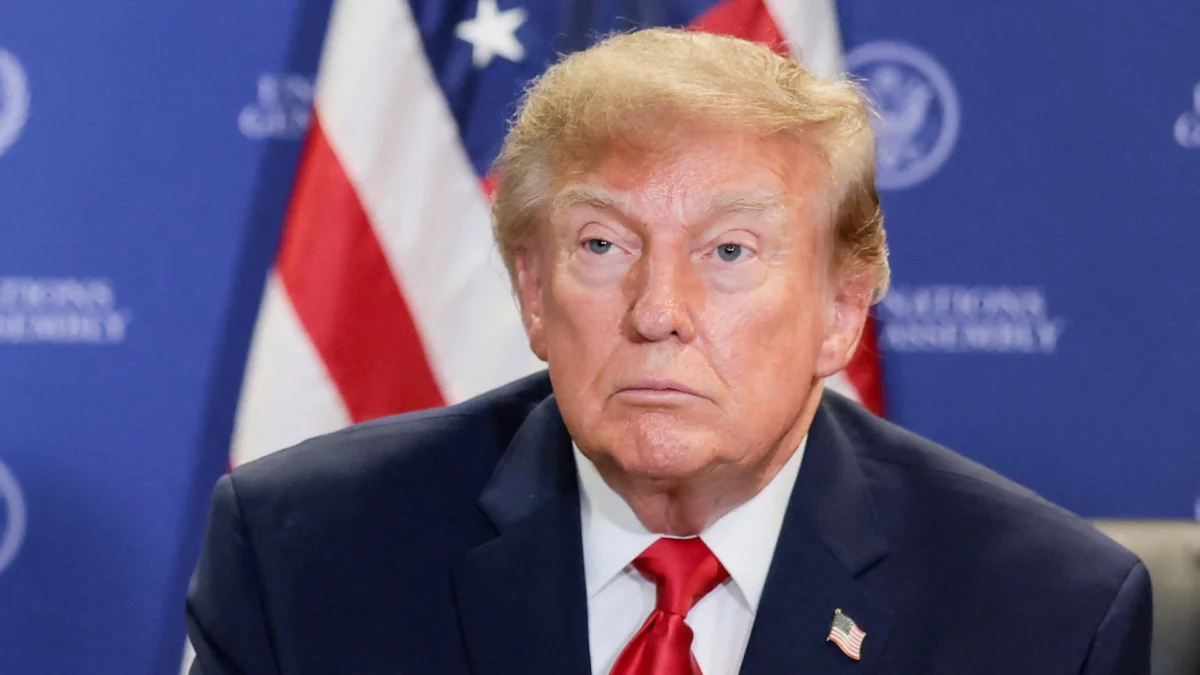
President Donald Trump declared a significant three-hour meeting with Iranian officials at the United Nations a "very good" development, as the White House and Tehran cautiously explore avenues for a potential agreement to de-escalate a protracted conflict. The President characterized Iran’s current juncture as a critical crossroads, presenting the nation with a stark choice between "potential greatness" and "obliteration," signaling a high-stakes diplomatic moment.
The highly anticipated encounter, which unfolded on the sidelines of the UN General Assembly, marked a potentially pivotal moment in the ongoing tensions between the United States and Iran. For months, the international community has watched with bated breath as a series of escalations, including alleged attacks on oil tankers and the downing of a U.S. drone, have brought the two nations to the brink. The meeting, shrouded in secrecy until its conclusion, suggests a tentative shift in diplomatic engagement, moving beyond the usual public pronouncements of animosity.
A Diplomatic Gambit at the United Nations
The summit occurred amidst a backdrop of intense diplomatic maneuvering and uncertainty regarding the future of U.S.-Iran relations. President Trump, known for his unconventional approach to foreign policy, has consistently signaled a willingness to engage directly with adversaries, a strategy that has yielded both significant breakthroughs and considerable controversy. This engagement with Iranian officials, however, represents a particularly bold step, given the history of animosity and the complex geopolitical landscape.
Sources close to the White House described the atmosphere of the meeting as businesslike, with both sides appearing to be testing the waters for common ground. While specific details of the discussions remain undisclosed, the President’s optimistic assessment suggests that some level of dialogue, however preliminary, has been established. The duration of the meeting, reportedly three hours, indicates a substantial investment of time and a commitment to exploring potential diplomatic pathways.
Navigating a Complex Geopolitical Terrain
The U.S.-Iran conflict has been a defining feature of Middle Eastern geopolitics for decades, characterized by proxy skirmishes, economic sanctions, and a deep-seated mistrust. The Trump administration’s "maximum pressure" campaign, aimed at curtailing Iran’s nuclear program and its regional influence, had significantly heightened tensions. This meeting, therefore, represents a potential departure from that strategy, or at least an exploration of alternative avenues for achieving U.S. objectives.
The Iranian delegation’s presence at the UN and their willingness to engage directly with President Trump underscore the internal pressures and strategic calculations within Tehran. Iran has been grappling with the severe impact of U.S. sanctions, which have strained its economy and led to widespread discontent. The prospect of sanctions relief, however conditional, could be a significant incentive for Iranian leadership to pursue dialogue.
The Shadow of Sanctions and Nuclear Ambitions
A central element of the U.S. strategy towards Iran has been the imposition of stringent economic sanctions, designed to cripple its oil exports and access to international finance. These measures have had a profound effect on the Iranian economy, contributing to inflation and unemployment. The Trump administration has consistently linked the lifting of these sanctions to Iran’s willingness to negotiate a new nuclear deal and alter its regional policies.
The original Joint Comprehensive Plan of Action (JCPOA), negotiated under the Obama administration, aimed to prevent Iran from developing nuclear weapons in exchange for sanctions relief. The Trump administration withdrew the U.S. from the JCPOA in 2018, reimposing sanctions and arguing that the deal did not go far enough. This withdrawal triggered a period of heightened tensions and Iranian efforts to advance its nuclear capabilities.
The Dilemma of Potential Greatness Versus Obliteration
President Trump’s stark dichotomy of "potential greatness" or "obliteration" encapsulates the high stakes involved in the current U.S.-Iran dynamic. For Iran, the path to "potential greatness" could involve reintegration into the global economy, a more stable political environment, and a stronger regional standing. Conversely, continued confrontation and defiance could lead to further isolation, economic collapse, and potentially, a direct military conflict.
This framing by the President suggests a desire to present Iran with a clear choice, one that emphasizes the severe consequences of continued hostility while offering a tangible, albeit challenging, path towards reconciliation and prosperity. It is a rhetorical strategy aimed at influencing both the Iranian leadership and its domestic audience, as well as signaling the administration’s firm resolve to its allies and adversaries.
Implications for Regional Stability and Global Diplomacy
The outcome of these diplomatic overtures, if they lead to substantive progress, could have far-reaching implications for regional stability in the Middle East. A de-escalation of tensions between the U.S. and Iran could reduce the risk of proxy conflicts in countries like Yemen, Syria, and Iraq, where both nations have significant interests and influence. It could also pave the way for renewed efforts to address other regional challenges, such as the Israeli-Palestinian conflict.
Globally, a thaw in U.S.-Iran relations could impact international energy markets, as well as efforts to combat terrorism and promote nuclear non-proliferation. The international community, including key European allies who remain committed to the JCPOA, will be closely observing these developments, hoping for a diplomatic resolution that averts further conflict. The success or failure of these nascent talks could reshape the geopolitical landscape for years to come.
The Public and International Reaction
News of the "very good" meeting has elicited a range of reactions from policymakers, analysts, and the public. Supporters of the President’s approach view this engagement as a sign of his willingness to break diplomatic logjams and pursue peace through direct dialogue. Critics, however, remain skeptical, pointing to the history of broken promises and the inherent difficulties in bridging the divide between Washington and Tehran.
International observers are adopting a cautious optimism. Many are hopeful that this engagement could lead to a reduction in regional tensions, but they are also mindful of the long and complex history of U.S.-Iran relations. The focus will now shift to whether this initial positive interaction can translate into concrete diplomatic steps and verifiable agreements that address the core issues of concern for both nations and the wider international community.
The Path Forward: From Dialogue to Détente?
The immediate next steps following this meeting remain uncertain. The White House has not provided a timeline for further discussions or outlined specific conditions for any potential deal. However, the President’s positive assessment suggests a willingness to continue the engagement, potentially opening a channel for ongoing communication.
The success of any future negotiations will likely depend on the ability of both sides to find common ground on critical issues, including Iran’s nuclear program, its ballistic missile development, and its regional activities. The willingness of Iran to make concessions on these fronts, and the U.S. to offer meaningful sanctions relief, will be crucial determinants of whether this diplomatic gambit can lead to a lasting de-escalation and a more stable future for the region. The world watches with anticipation as this delicate diplomatic dance unfolds.