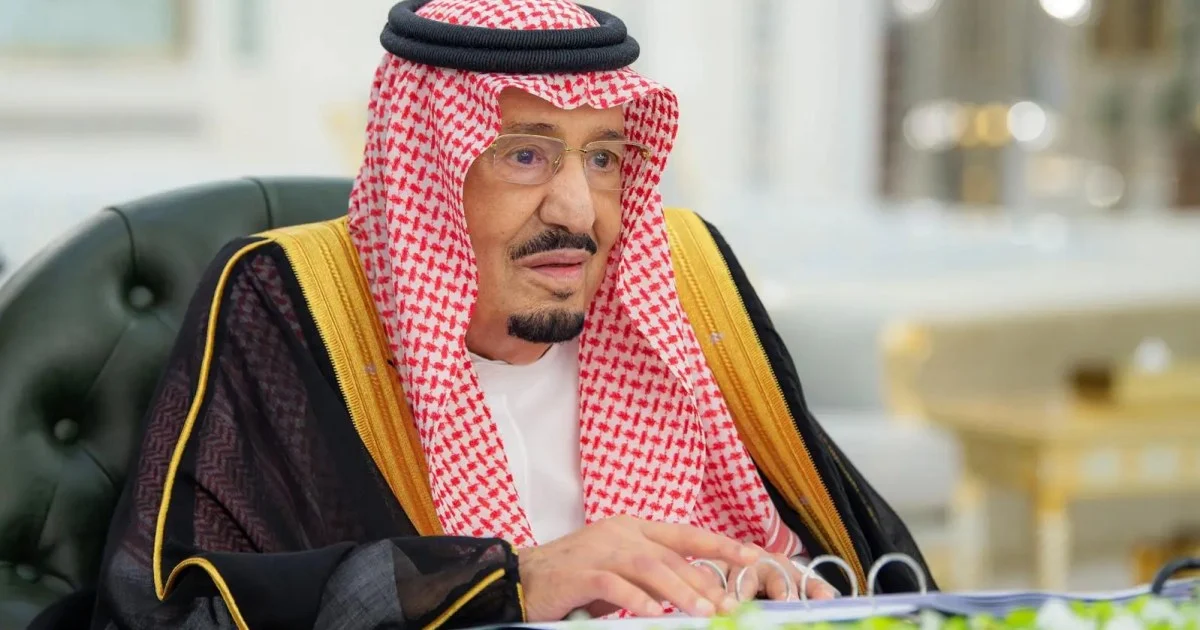
Saudi Arabia’s King Salman bin Abdulaziz Al Saud has issued a rare and forceful condemnation of Yemen’s Houthi movement, branding the Iran-aligned group a "terrorist militia" and accusing them of repeatedly targeting the holy city of Mecca. The monarch’s stern denunciation, delivered during a cabinet meeting, signals a heightened sense of urgency within the kingdom amid a significant escalation of attacks originating from Yemen.
The 90-year-old king’s intervention marks a significant moment, as day-to-day governance and current affairs are largely managed by his son, Crown Prince Mohammed bin Salman. The recent spate of Houthi attacks represents one of the most serious threats to Saudi Arabia’s national security in recent years, prompting a strong reaction from the highest levels of the Saudi monarchy.
King Salman described the alleged targeting of Mecca as a "heinous crime" and a profound provocation against the sentiments of Muslims worldwide. This statement comes in the wake of Saudi Arabia’s announcement last week that it had intercepted a drone launched by the Houthis with the apparent aim of striking Mecca. The accusation, however, was vehemently denied by Houthi leader Abdel-Malik al-Houthi, who dismissed the Saudi claims as a "heinous lie."
This incident was particularly significant as it marked the first time in nearly a decade that a security alert had been activated in Mecca, the revered city housing the Kaaba, Islam’s holiest site. The king went on to commend the Saudi military and security services for their diligence in "defending the homeland and resolutely confronting any aggression against the holy sites, pilgrims, citizens and residents of the Kingdom."
Escalating Houthi Attacks Threaten Regional Stability
The Houthi movement, which controls significant swathes of Yemen, has intensified its missile and drone attacks against Saudi Arabia. These assaults increasingly target major Saudi cities, critical energy infrastructure, and vital shipping lanes. This escalation has opened a new front in a broader regional conflict, which analysts suggest has been exacerbated by broader geopolitical tensions in the Middle East.
The latest round of attacks has raised serious concerns about the stability of global energy supplies. The Houthis have expanded their territorial control along Yemen’s entire Red Sea coast. This strategic position is crucial, as the Red Sea has become an alternative route for Saudi oil exports, particularly in light of the ongoing blockade of the Strait of Hormuz, a critical chokepoint for global maritime trade.
Last Saturday, forces operating under the Saudi-led coalition in Yemen reported intercepting a ballistic missile fired by the Houthis towards the Saudi capital, Riyadh. The intercepted missile reportedly sent a plume of dark smoke rising from a fuel storage area at King Khalid International Airport. This incident underscores the increasing range and sophistication of Houthi offensive capabilities.
Diplomatic Efforts Amidst Heightened Tensions
King Salman’s remarks also touched upon Saudi Arabia’s ongoing diplomatic engagements aimed at enhancing regional stability and ensuring the security of maritime navigation. He referenced a recent meeting between Crown Prince Mohammed bin Salman and Egyptian President Abdel Fattah el-Sisi in Cairo. Additionally, the king highlighted his conversations with French President Emmanuel Macron, which focused on collaborative efforts to foster regional security and guarantee the freedom of maritime passage.
These diplomatic overtures occur against a backdrop of growing regional unease. In response to the evolving security landscape, Saudi Arabia, alongside Turkiye and Pakistan, signed the Mecca Joint Defence Agreement last month. This pact establishes that an armed attack on any of the three member nations will be considered an attack on all, signifying a commitment to collective security.
Historical Context of the Yemen Conflict and Houthi Threat
The current crisis stems from the protracted civil war in Yemen, which began in late 2014. The Houthi movement, which receives support from Iran, seized control of the capital, Sanaa, and much of northern Yemen. In response, a Saudi-led coalition intervened in March 2015, aiming to restore the internationally recognized government.
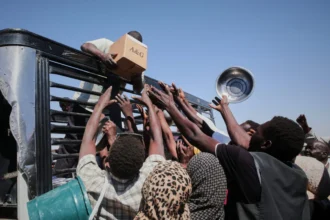
The conflict has resulted in one of the world’s worst humanitarian crises, with millions displaced and facing starvation. The Houthi movement has consistently denied receiving direct military support from Iran, although Western intelligence agencies and UN reports have documented evidence of Iranian weaponry and training. The group claims its actions are in defense of Yemen against foreign aggression.
The designation of the Houthis as a "terrorist militia" by King Salman carries significant weight. It is likely to lead to further international pressure and potential sanctions against the group and its perceived state sponsors. This categorization could also impact ongoing efforts to find a peaceful resolution to the conflict in Yemen.
Implications for Global Security and Oil Markets
The targeting of Mecca, a site of immense religious significance for Muslims worldwide, is seen as a particularly provocative act. It risks inflaming religious tensions and could draw condemnation from a broad spectrum of the international community. The Houthi movement’s alleged intent to strike such a sacred location is a serious escalation that moves beyond conventional military objectives.
The increased Houthi attacks on Saudi energy infrastructure and shipping routes also have direct implications for the global economy. Saudi Arabia is the world’s largest oil exporter, and any disruption to its production or export capabilities can lead to significant fluctuations in global oil prices. The Red Sea is a vital artery for international trade, and threats to its security can impact supply chains and economic stability worldwide.
The widening of the conflict to include attacks on major Saudi cities and critical infrastructure highlights the growing reach of the Houthi offensive. This expansion of their operational capabilities poses a direct threat to Saudi Arabia’s domestic security and its role as a key player in global energy markets.
Saudi Arabia’s Strategic Response
Saudi Arabia has invested heavily in its missile defense systems and has been actively working with international partners to counter the Houthi threat. The kingdom has also sought to bolster its alliances, as evidenced by the recent defense agreement with Turkiye and Pakistan. These diplomatic and military maneuvers are indicative of Saudi Arabia’s commitment to safeguarding its territory and interests in a volatile region.
The Crown Prince’s diplomatic engagements with leaders like President el-Sisi and President Macron underscore Saudi Arabia’s efforts to build a united front against regional destabilization. The emphasis on maritime security reflects the kingdom’s concern over the freedom of navigation in vital waterways like the Red Sea and the Strait of Hormuz.
The heightened rhetoric from King Salman signals a hardening of Saudi Arabia’s stance against the Houthi movement. This stern condemnation, coming directly from the monarch, suggests that the kingdom views the current threat as existential and is prepared to take a more assertive approach in response.
The Path Forward: Diplomacy and Deterrence
The escalating conflict in Yemen and the expanded reach of Houthi attacks present a complex challenge for regional and international policymakers. The designation of the Houthis as a terrorist militia by Saudi Arabia could lead to a more stringent international response, potentially involving increased sanctions and diplomatic isolation.
However, finding a lasting solution will likely require a multifaceted approach that combines diplomatic engagement with robust deterrence measures. The humanitarian cost of the Yemen conflict remains immense, and any escalation of hostilities could exacerbate the suffering of the Yemeni people.
The international community faces the difficult task of balancing the need to counter threats to regional security and global energy supplies with the imperative of seeking a peaceful resolution to the conflict in Yemen. The recent pronouncements from King Salman underscore the gravity of the situation and the determination of Saudi Arabia to confront what it perceives as a direct threat to its national security and its role as the custodian of Islam’s holiest sites. The coming weeks and months will likely reveal the full extent of Saudi Arabia’s response and its impact on the broader geopolitical landscape of the Middle East.