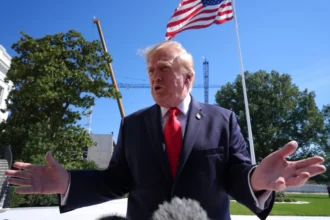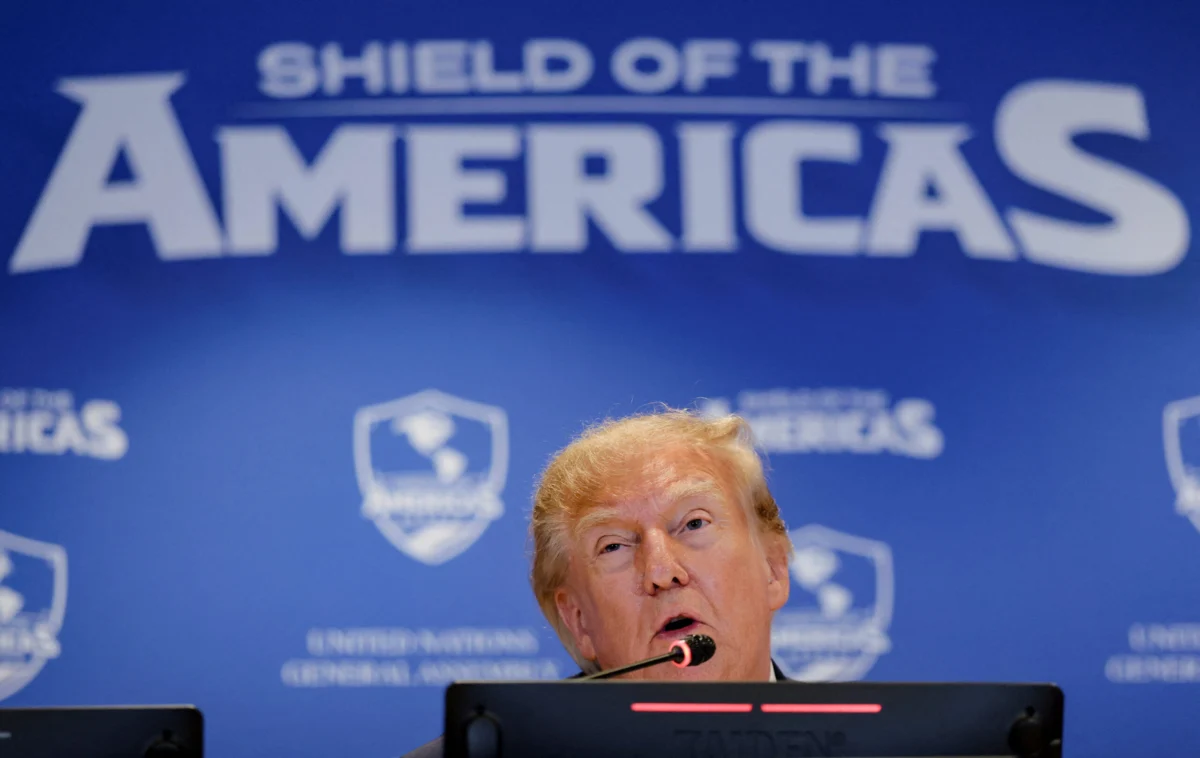
United States President Donald Trump has galvanized the Shield of the Americas coalition, an alliance of Western Hemisphere nations, to confront drug cartels with a united front, advocating for robust sanctions and intensified action against these criminal organizations. The push for a more aggressive stance against narco-terrorism was a central theme during a high-level meeting in New York City, held on the sidelines of the annual United Nations General Assembly. Trump’s administration has been actively seeking regional partners to bolster efforts against transnational criminal enterprises that threaten stability and security across the Americas.
The meeting brought together leaders and foreign ministers from the 15-nation coalition, underscoring a shared commitment to disrupting the operations of powerful crime groups. President Trump articulated a vision of leveraging "unmatched military might" to combat drug cartels, a sentiment that signals a potential escalation in the long-standing war on drugs. He specifically urged all member nations to formally designate narco-terrorist groups as common threats and to implement "crushing sanctions" against them. This call to action reflects a significant push by the U.S. to broaden the scope of anti-crime efforts beyond traditional law enforcement and intelligence sharing.
The Shield of the Americas coalition, a U.S.-led initiative, aims to foster greater cooperation among nations grappling with the pervasive influence of drug trafficking and organized crime. The alliance represents a strategic effort to present a unified front against a common enemy, one that President Trump has equated to the notorious ISIS terrorist organization in its destructive potential and reach. By framing these cartels as "the ISIS of the Western Hemisphere," Trump sought to elevate the perceived threat and underscore the urgency of a coordinated international response.
Following the presidential address, the 15 participating governments issued a joint statement outlining their collective intent to impose significant financial and travel restrictions on members and supporters of designated criminal organizations. This includes measures such as asset freezes and visa restrictions, alongside commitments to pursue criminal charges against those involved. Such measures are designed to cripple the financial networks of these groups and to impede their ability to operate freely across borders.
At the forefront of the coalition’s focus are two groups already designated as terrorist organizations by Washington: Mara Salvatrucha (MS-13) and Tren de Aragua. MS-13, a notorious gang with deep roots in Central America, has been a persistent concern for law enforcement agencies due to its extreme violence and extensive network. Tren de Aragua, a Venezuelan-origin gang, has expanded its reach significantly, establishing a presence in several South American countries, including Colombia, Peru, and Chile, posing a growing threat to regional security.
The list of targeted groups also encompasses major Mexican cartels, which have long been a primary concern for U.S. authorities due to their role in the illicit drug trade and associated violence. Additionally, the coalition’s attention extends to Colombian armed groups like the National Liberation Army (ELN), as well as powerful Brazilian factions such as Primeiro Comando da Capital (PCC) and Comando Vermelho. The inclusion of Peru’s Shining Path, a historical insurgent group that has also engaged in criminal activities, further highlights the broad spectrum of threats the alliance aims to address.
While the joint statement signals a strong political will, the practical implementation of these measures will vary by country, depending on their respective legal frameworks and judicial processes. Alessandro Rampietti, reporting from Bogotá, Colombia, noted that for countries like Colombia, enacting such sanctions would require legislative approval. The Colombian government has indicated its intention to work with Congress to draft the necessary legislation, suggesting that while the immediate impact may be symbolic, the alliance represents a crucial step towards institutionalizing a more robust anti-cartel strategy across Latin America.
The composition of the Shield of the Americas coalition includes nations with governments closely aligned with the Trump administration. Countries such as Argentina, Ecuador, and El Salvador, whose leaders have received praise or endorsements from Trump, are key members. Colombia and Peru have recently joined the alliance, particularly after the inauguration of presidents who have shown a willingness to align with U.S. security objectives in the region. This alignment underscores the strategic importance the U.S. places on these partnerships in its broader hemispheric security agenda.
Notably, major regional powers like Brazil and Mexico have not yet joined the Shield of the Americas coalition. This abstention reflects differing approaches to drug policy and potentially a reluctance to fully align with U.S.-led initiatives that could be perceived as infringing on national sovereignty. The absence of these key players highlights the complexities and nuances of forging a truly unified regional front against transnational crime.
U.S. Secretary of State Marco Rubio, who also participated in the meeting, lauded the "emergence of strong leaders who are committed to the challenge of taking on transnational terrorism." His remarks emphasized the administration’s view that a new generation of regional leaders is emerging, one that is more receptive to a robust and proactive approach to combating criminal organizations. This sentiment suggests a strategic effort to cultivate and support like-minded governments in the hemisphere.
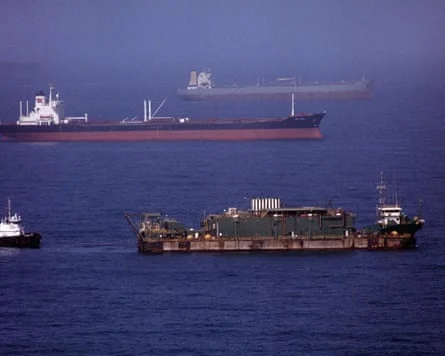
The gathering in New York represents the latest in a series of efforts by the Trump administration to consolidate regional support for a more aggressive stance against drug trafficking. Since returning to office, Trump has taken several significant actions, including designating cartels as foreign terrorist organizations and authorizing strikes against vessels suspected of transporting narcotics. These actions have been presented as part of a broader strategy to interdict drug flows destined for the United States and to dismantle the operational capacity of criminal syndicates.
However, these aggressive tactics have not been without controversy. Strikes conducted by U.S. forces in the Caribbean and eastern Pacific, targeting boats reportedly carrying illicit drugs, have resulted in civilian casualties. Reports indicate that over 223 people have been killed in such operations, and UN experts have raised concerns that these actions may violate international law and could potentially constitute crimes against humanity. This aspect of the U.S. approach has drawn criticism from human rights organizations and international bodies, highlighting the ethical and legal complexities of military intervention in the war on drugs.
The Trump administration’s National Security Strategy, released in late 2023, signaled a potential revival of the Monroe Doctrine, a 19th-century policy that asserted U.S. dominance in the Western Hemisphere. Critics of this approach argue that it echoes past U.S. interventions in the region and could foster resentment and instability. The focus on asserting U.S. primacy in the hemisphere, coupled with rhetoric about territorial ambitions such as annexing Greenland or taking control of the Panama Canal, has raised concerns across Latin America about a resurgence of imperialistic tendencies.
President Trump’s actions and statements on territorial expansion, while seemingly separate from the anti-cartel efforts, contribute to a broader perception of an assertive and interventionist U.S. foreign policy in the hemisphere. His recent agreement concerning Greenland, which stopped short of his earlier demands for territorial acquisition, illustrates the complex interplay between his policy objectives and diplomatic realities.
The emphasis on hemispheric security and the U.S.-led coalition have elicited strong reactions from some regional leaders. Brazilian President Luiz Inacio Lula da Silva, in his address at the UN, voiced concerns about "renewed hegemonic temptations" in Latin America and the Caribbean. His pointed statement, "Brazil is nobody’s backyard," underscores a desire for greater regional autonomy and a rejection of any perceived U.S. dominance. These sentiments highlight the delicate balance the U.S. must strike in seeking cooperation without alienating its neighbors.
The Shield of the Americas coalition’s commitment to imposing sanctions represents a significant step in the ongoing struggle against powerful transnational criminal organizations. The effectiveness of these measures will depend on sustained political will, robust legal frameworks, and genuine international cooperation. As the coalition moves forward, the challenge will be to translate diplomatic pronouncements into tangible actions that disrupt criminal enterprises and enhance security for all nations in the Western Hemisphere, while navigating complex geopolitical sensitivities and respecting national sovereignty. The alliance’s success will ultimately be measured by its ability to create a lasting impact on the drug trade and organized crime, rather than becoming another short-lived initiative in a long and often frustrating global campaign.