Grisham’s Stark Assessment of Presidential Conduct
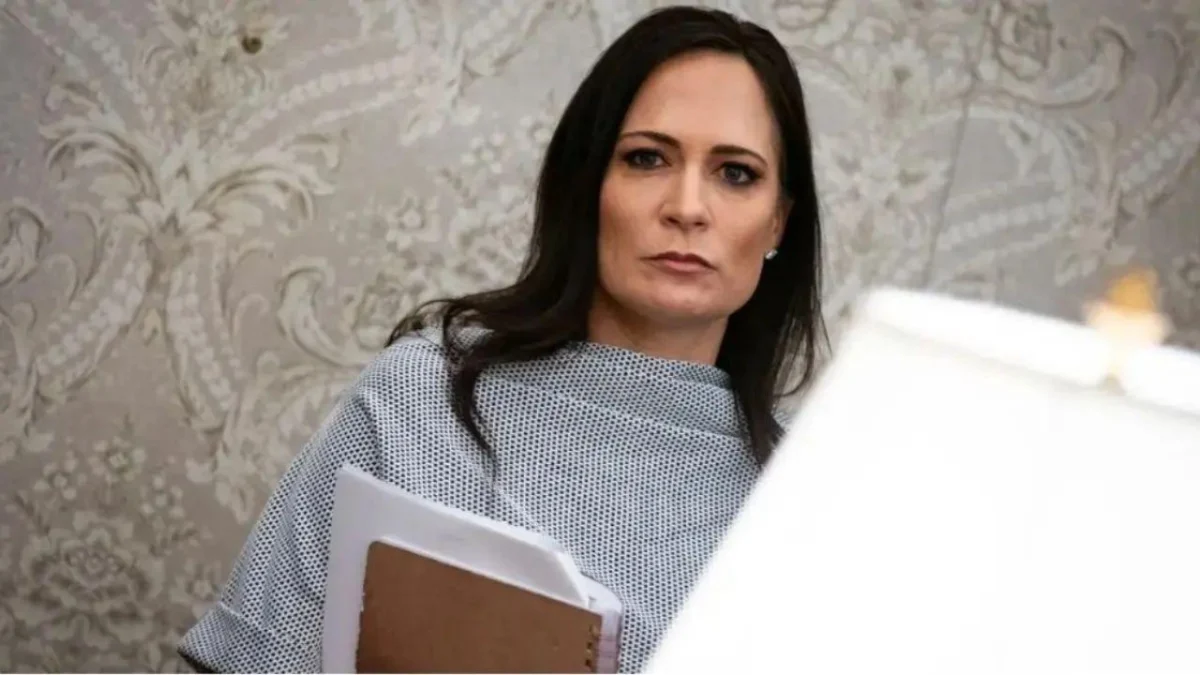
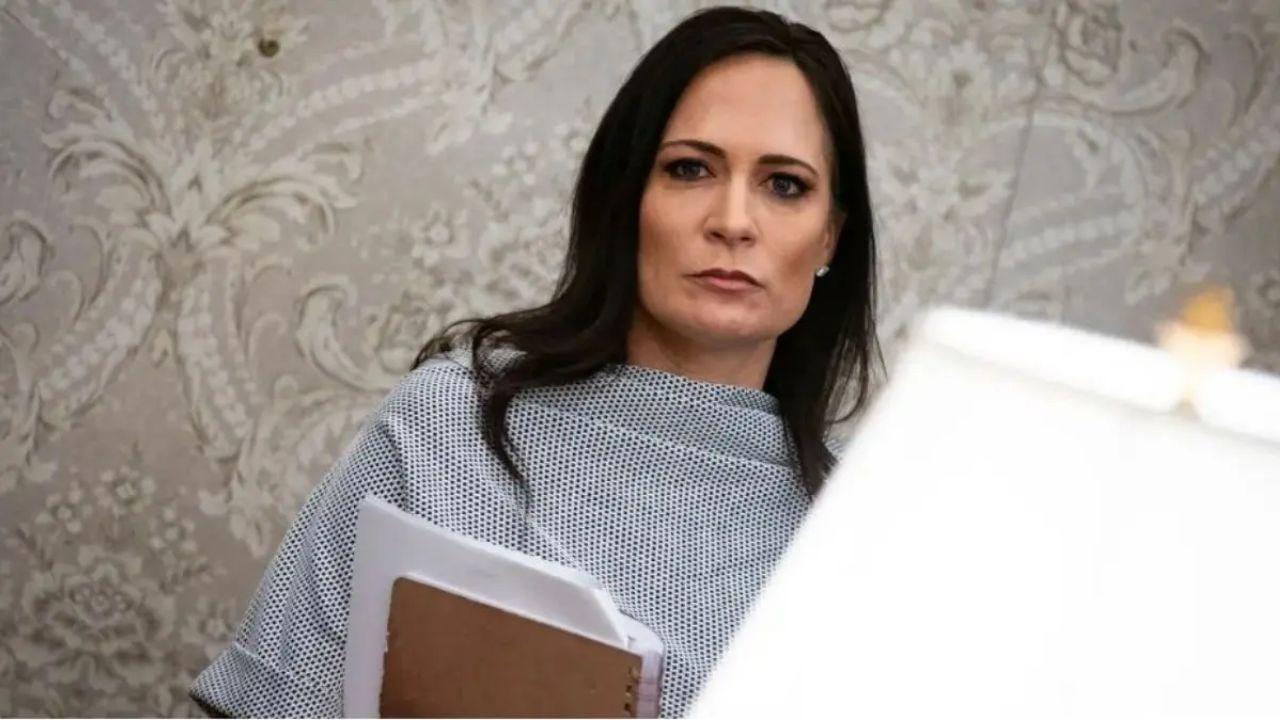
Speaking on CNN’s "The Source" with Brianna Keilar, Grisham articulated her belief that the former president’s ban on outlets like CNN, MSNBC, and Politico signals a deeper, concerning shift in his approach to governance and media relations. Her commentary underscored a perceived fragility in Trump’s current demeanor, contrasting it sharply with what she described as a more managed environment during his initial term. This move to restrict media access, she warned, is likely to escalate, echoing past directives she received during her tenure.
A History of Media Confrontation at the White House
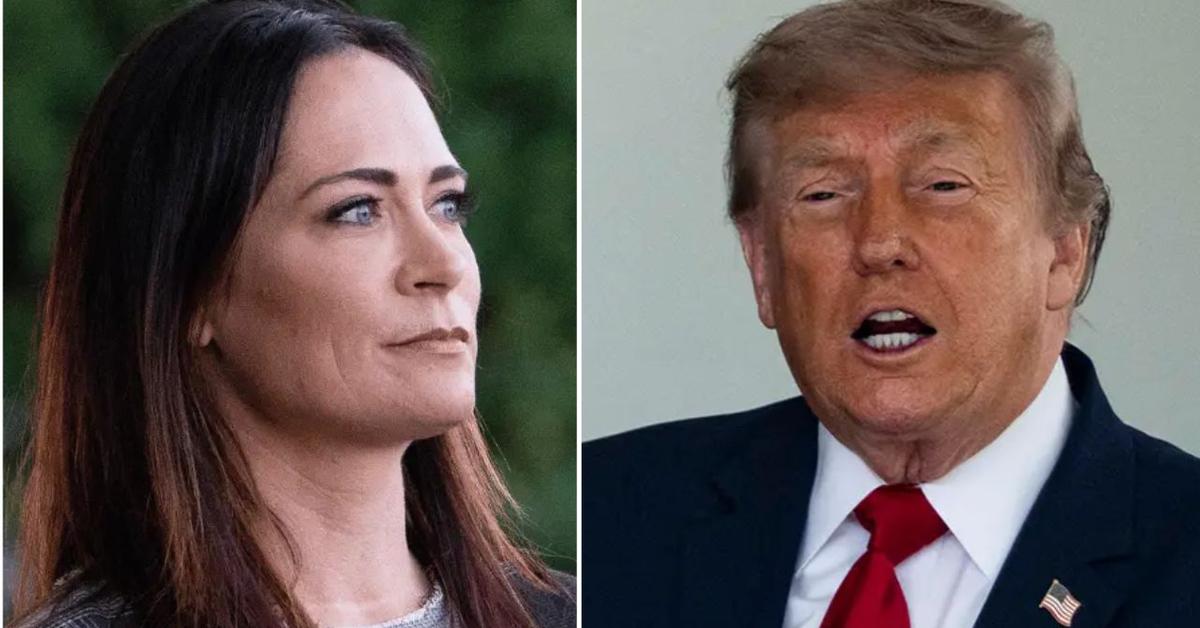
Grisham’s insights draw from her direct experience within the Trump administration. She revealed that, as press secretary, she was once directed to remove the entire press corps from the White House grounds – a directive she ultimately never implemented. This historical anecdote provides critical context for the current situation, suggesting that the recent bans are not an isolated incident but rather an intensification of a long-standing antagonistic relationship between Donald Trump and segments of the American press. The former president has consistently labeled critical media as "fake news" and "enemies of the people," fostering an environment of distrust that has fundamentally reshaped the dynamics of presidential communication.
The role of the White House press corps is foundational to American democratic principles, serving as a critical check on executive power and ensuring transparency. By physically present journalists, the public gains direct insight into the administration’s daily operations and policies. Restrictions on this access, especially targeting specific outlets based on their coverage, raise significant concerns about press freedom and the public’s right to an unfiltered flow of information.
Erosion of Internal Checks and Balances
A central tenet of Grisham’s criticism revolves around the perceived absence of internal "guardrails" within Trump’s current circle, a stark departure from the mechanisms she believes were present during his first term. She questioned who, if anyone, is currently challenging the president’s impulses, expressing a hope that senior aides like Susie Wiles or Dan Scavino might serve this function, though she voiced skepticism. Wiles, a veteran political strategist, and Scavino, a long-time Trump confidante, have played crucial roles in his political operations, often seen as loyalists.

The concept of "guardrails" refers to the network of advisors, cabinet members, and institutional norms that typically constrain a president’s actions, offering diverse perspectives and sometimes dissenting opinions. Grisham suggested that in "Trump 1.0," figures who occasionally pushed back or offered alternative viewpoints helped temper some of the president’s more controversial instincts. Her current assessment implies that this internal system of checks and balances has been significantly weakened, leaving the president surrounded primarily by individuals unwilling to challenge his directives, thereby fostering an environment conducive to impulsive decisions and a lack of accountability.
Donald Trump’s Shifting Priorities and Public Perception
Beyond the issue of media access, Grisham sharply criticized President Trump for what she views as a profound misjudgment of the public’s priorities. She argued that his administration is "missing the point" by engaging in highly visible battles with the press, which she termed "silly projects" and "vanity issues," while ordinary Americans grapple with significant economic hardships.
Grisham drew on examples from her own community in the Midwest, highlighting the struggles of working-class families facing escalating grocery bills and daily financial stress. For these citizens, she contended, the debate over White House press access is a distant concern compared to their immediate economic worries. This disconnect, she argued, makes Trump appear "out of touch" and exacerbates the impression that he is prioritizing personal grievances over the tangible problems affecting the electorate. Such a perceived misallocation of focus could have significant implications for public trust and electoral support, particularly among swing voters who prioritize economic stability.
The Implications of Restricted Media Access
The decision to ban specific news outlets from the White House represents a significant escalation in the ongoing tension between the former president and the media. Historically, the White House Correspondents’ Association (WHCA) and individual news organizations have fought vigorously to maintain open access, viewing it as essential for holding power accountable. Excluding outlets based on their perceived negative coverage bypasses the traditional role of a free press in a democratic society.
This move raises fundamental questions about transparency and the administration’s commitment to providing an unfiltered view of its operations. For the banned outlets, it means relying on second-hand information, pool reports, or public statements, diminishing their ability to directly question officials and report from the heart of government. This could lead to a less informed public, as citizens are deprived of diverse perspectives and direct reporting from credentialed journalists.
Analyzing the "Melting Down" Narrative
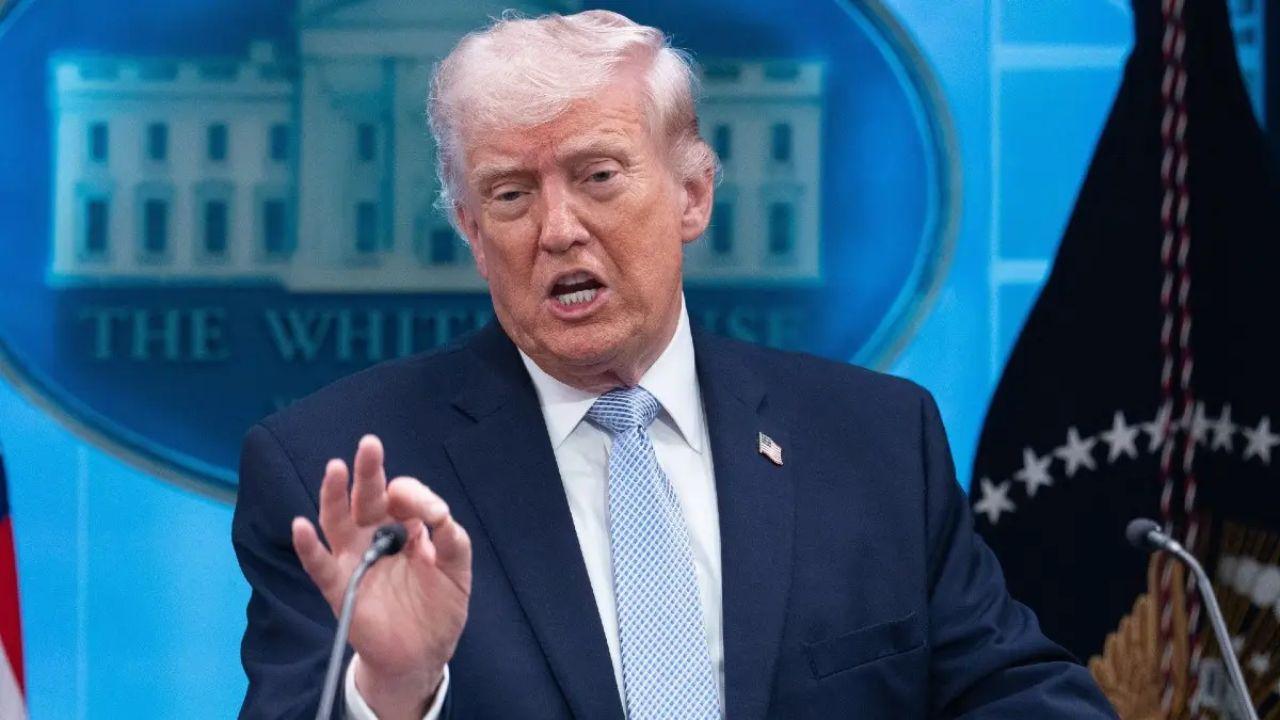
Grisham’s assertion that Donald Trump is "melting down" is a loaded term that suggests a level of emotional distress or instability impacting his decision-making. While such a characterization is subjective, it aligns with a pattern of behavior observed by many former aides and critics who describe Trump as highly reactive to criticism, particularly from the media. The banning of news outlets could be interpreted as a defensive mechanism, an attempt to control the narrative by silencing dissenting voices rather than engaging with their questions.
Whether this is a genuine emotional response or a calculated political strategy is open to interpretation. Some analysts might argue that restricting media access serves to energize his base, who often share his distrust of mainstream media. For his supporters, such actions might be seen as a strong stand against perceived bias. However, for a broader audience, it could reinforce concerns about authoritarian tendencies and a disregard for democratic norms. The phrase "out of touch" further suggests a president whose worldview has narrowed, isolated from broader public sentiment and critical feedback.
Grisham’s Journey from Loyalist to Critic
Stephanie Grisham’s credibility in offering these critiques stems from her deep immersion within the Trump administration. Her tenure as White House Press Secretary from July 2019 to April 2020 was notable for her unprecedented decision to forgo formal televised press briefings, a move that symbolized the administration’s fraught relationship with the press. Prior to this, she served as Communications Director for First Lady Melania Trump and later as her Chief of Staff, giving her a unique vantage point into the inner workings of the Trump orbit.
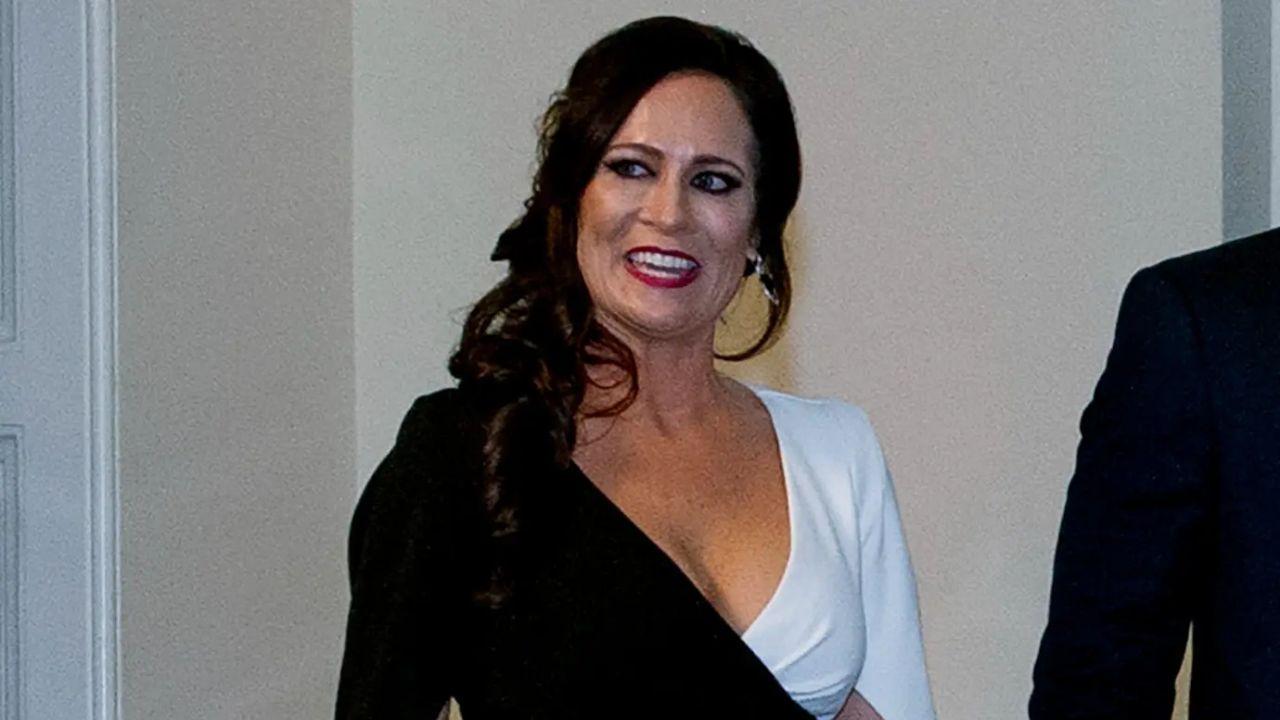
Her eventual departure and subsequent publication of a tell-all memoir, "I’ll Take Your Questions Now: What I Saw in the Trump White House," marked her transition from loyalist to prominent critic. Since then, she has consistently spoken out against Trump, particularly during his subsequent campaigns, making her a recurring figure in the political commentary landscape. While Trump and his allies have frequently dismissed her criticisms as those of a disgruntled former employee, her ongoing commentary continues to resonate with those seeking insider perspectives on the former president’s actions and motivations.
Reactions and the Path Forward
The White House has not yet officially responded to Grisham’s latest comments, maintaining a consistent pattern of ignoring or downplaying criticisms from former aides. However, the banned news organizations have voiced strong objections, emphasizing the importance of media access for democratic accountability. Press freedom advocacy groups have also condemned the move, warning of its potential to undermine fundamental constitutional protections.
The implications of such restrictions extend beyond the immediate media landscape. They contribute to an increasingly polarized information environment where trust in institutions, including the press, is at an all-time low. For the public, navigating this landscape becomes more challenging, requiring greater discernment to distinguish factual reporting from partisan narratives. As the political climate intensifies, the ongoing struggle between presidential power and the imperative of a free and accessible press will continue to shape the contours of American democracy.