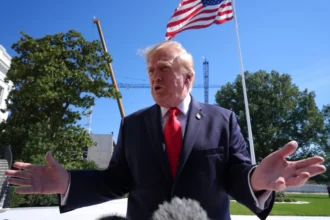
A proposal by U.S. President Donald Trump for an "energy ceasefire" between Russia and Ukraine is showing tentative signs of progress, with Ukrainian President Volodymyr Zelenskyy indicating Kyiv’s readiness to consider such an agreement. Trump has publicly linked the ongoing war in Ukraine to soaring diesel prices in the United States, a critical issue as the nation approaches crucial midterm elections in November.
The discussions gained momentum following a 40-minute meeting between Trump and Zelenskyy on the sidelines of the United Nations General Assembly in New York. The two leaders convened to discuss avenues for ending Russia’s full-scale invasion of Ukraine, which has now entered its fifth year.
During remarks to reporters at UN headquarters, Zelenskyy stated that Ukraine would cease attacks on Russian energy facilities if Moscow reciprocated by halting its assaults on Ukraine’s energy infrastructure. "If they don’t want us to attack their diesel and refineries, we are ready – if they will not attack our energy system, our electricity, heating system, water supplies," he said.
This potential energy truce emerges amidst a persistent barrage of attacks on energy installations by both Russia and Ukraine, raising significant questions about the feasibility and durability of any such agreement.
The Strategic Targeting of Energy Infrastructure
The conflict has seen both nations strategically target each other’s energy sectors. Ukraine has significantly escalated its drone strikes on Russia’s oil industry, employing long-range unmanned aerial vehicles to hit refineries and other critical energy infrastructure, sometimes striking targets located up to 3,000 kilometers (1,865 miles) from its border. The primary objective of these strikes is to disrupt Russia’s energy revenue, a vital source of funding for its war effort.
Recent attacks have had a tangible impact. A September 20 strike forced the Moscow oil refinery, a facility processing approximately 230,000 barrels of crude daily in 2024, to halt its operations, according to industry sources cited by Reuters. Earlier in September, Ukraine executed its deepest incursion into Russian territory to date, targeting two Arctic gas condensate facilities over 3,000 kilometers from its frontier.
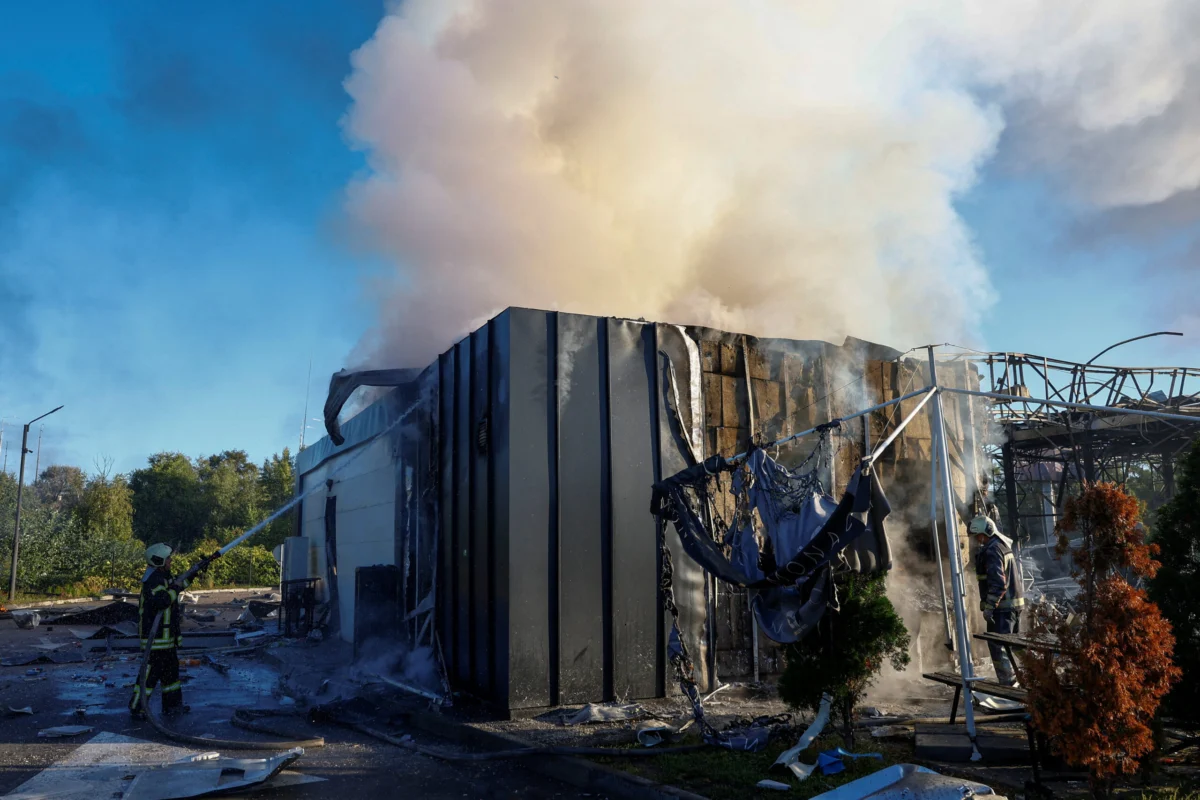
In retaliation, Russia has continued its own attacks on Ukrainian energy assets. On Wednesday, jet-powered drones struck two petrol stations and other sites in Kyiv, resulting in at least one fatality and seven injuries. Ukrainian oil company Ukrnafta reported that one of its petrol stations in the capital was hit, marking the sixth such facility targeted by Russia in recent weeks. President Zelenskyy also issued a warning on Telegram, alerting that Russia was planning "a new massive attack" against his country.

Defining the Terms of an Energy Ceasefire
An "energy ceasefire" between Ukraine and Russia would theoretically involve a mutual cessation of hostilities directed at energy-related infrastructure within each nation’s territory. However, the critical hurdle lies in establishing agreed-upon preconditions for such a truce.
The Kremlin has previously expressed openness to the U.S. proposal for an energy moratorium, contingent upon its extension to encompass Russian seaborne energy exports and existing sanctions. President Zelenskyy, while expressing a shared desire with the U.S. to see the war conclude before winter, firmly stated that discussions on easing sanctions against Russia are untenable as long as Ukrainian civilians face daily threats from missile and drone attacks.
Trump’s Motivations and the Political Landscape
President Trump’s involvement stems from his vocal concerns regarding the impact of Ukrainian strikes on Russia’s fuel-processing capabilities, which he asserts are contributing to elevated diesel prices and negatively affecting the global economy. He specifically urged Ukraine to cease its attacks on Russian diesel refineries.
This intervention appears to diverge from the broader U.S. policy under Trump’s administration towards Russian energy. Congress recently passed legislation granting Trump expanded authority to impose sanctions on Russian crude oil exports and levy substantial tariffs on buyers of Russian energy.
Analysts suggest that Trump’s renewed focus on energy prices is politically motivated, aiming to alleviate the burden on American consumers and bolster his standing ahead of the November midterm elections, where his approval ratings have reportedly reached historic lows.
Furthermore, as concerns mount over Russia’s potential to cripple Ukraine’s heating and power systems in the approaching winter – a tactic employed in the previous year – Zelenskyy has sought additional Patriot air defense missile systems from Trump. These advanced systems are crucial for intercepting Russia’s ballistic missiles. A de-escalation in attacks on energy facilities could potentially ease the strain on U.S. Patriot supplies, which are currently depleted due to the U.S.-Israel war in Iran.
However, while an energy ceasefire might lead to lower prices, it could also inadvertently bolster Russia’s war economy. Amanda Paul, a senior policy analyst at the European Policy Centre, emphasized that the continued sale of Russian fossil fuels directly finances Moscow’s war against Ukraine. She argued that Trump should instead exert greater pressure on Russia to cease its aggression, and also pointed to the repercussions of the U.S.-Israel war on Iran and the subsequent blocking of the Strait of Hormuz as contributing factors to high energy prices.
Marnie Howlett, an associate professor of international relations at the University of Oxford, echoed this sentiment, suggesting that Trump’s pressure on Kyiv places the onus on the wrong party. She asserted that Russia bears the responsibility for ending the attacks, and that Moscow has a history of violating ceasefire agreements, meaning the conflict will persist until it recognizes Ukraine’s territorial sovereignty.

The Potential for a Truce and Its Sustainability
Christopher Pool, a researcher at King’s College London’s Department of War Studies, noted that Trump possesses limited leverage over Ukraine’s deep-strike capabilities and has been notably reluctant to pressure Russia directly. Pool posited that a truce is more likely to emerge from the pressures exerted by the war itself on both Ukraine and Russia.
Ukraine is bracing for what is anticipated to be the harshest winter of the war, with memories of last year’s severe heating and electricity outages still fresh. Simultaneously, Russia faces its own energy challenges due to Ukraine’s persistent strikes. The Kremlin may be concerned about the impact of these disruptions on segments of the Russian population whose support or acquiescence is vital for its stability. Ukraine’s deep-strike campaign, therefore, not only degrades Russia’s war-fighting capacity but also brings the conflict directly to the populace the Kremlin seeks to shield.
The Question of Durability
Since Russia’s full-scale invasion in February 2022, no ceasefires between the warring parties have proven sustainable. Despite Trump’s past claims of being able to end the Ukraine war swiftly, such a resolution has not materialized. His recent assertion that both countries had agreed to halt attacks on energy facilities was quickly followed by renewed strikes.
Past attempts at ceasefires have also faltered. In May, a ceasefire proposed by Russia to coincide with Victory Day celebrations and an open-ended ceasefire proposed by Ukraine both collapsed due to mutual accusations of violations. Talks in Turkiye in May 2025, aimed at securing a comprehensive ceasefire, resulted only in a prisoner exchange agreement. Earlier talks in Istanbul in March 2022 also failed to de-escalate the conflict.
Analysts express skepticism regarding the longevity of a Trump-brokered energy ceasefire. Amanda Paul believes Russia is unlikely to adhere to such a plan, noting Moscow’s propensity to intensify attacks on energy infrastructure during winter. She warned that the Kremlin could exploit any ambiguities in an energy truce, claiming Ukrainian violations as justification for renewed assaults. Paul stressed that any agreement would require precise definitions of violations, clear rules, and independent verification – elements that are difficult to establish.
Christopher Pool suggested that Kyiv would likely abide by its commitments as long as Moscow does. However, Russia’s adherence would depend on the Kremlin’s assessment of the threat posed to the relative stability enjoyed by urban and middle-class Russians. The ongoing Ukrainian campaign of deep strikes, therefore, continues to challenge Russia’s ability to prosecute the war while simultaneously impacting its domestic stability.