Liberia, a nation that has consistently leveraged its history of protracted armed conflict to advocate for humanitarian causes on the global stage, is now facing intense scrutiny over its controversial agreement to host deportees expelled from the United States. As Liberia prepares to assume the rotating presidency of the UN Security Council in December, this move is being widely perceived as a significant contradiction, undermining its carefully cultivated image as a principled voice in international affairs. The agreement, struck with the Trump administration, raises serious questions about adherence to Liberia’s own constitution and international human rights conventions.
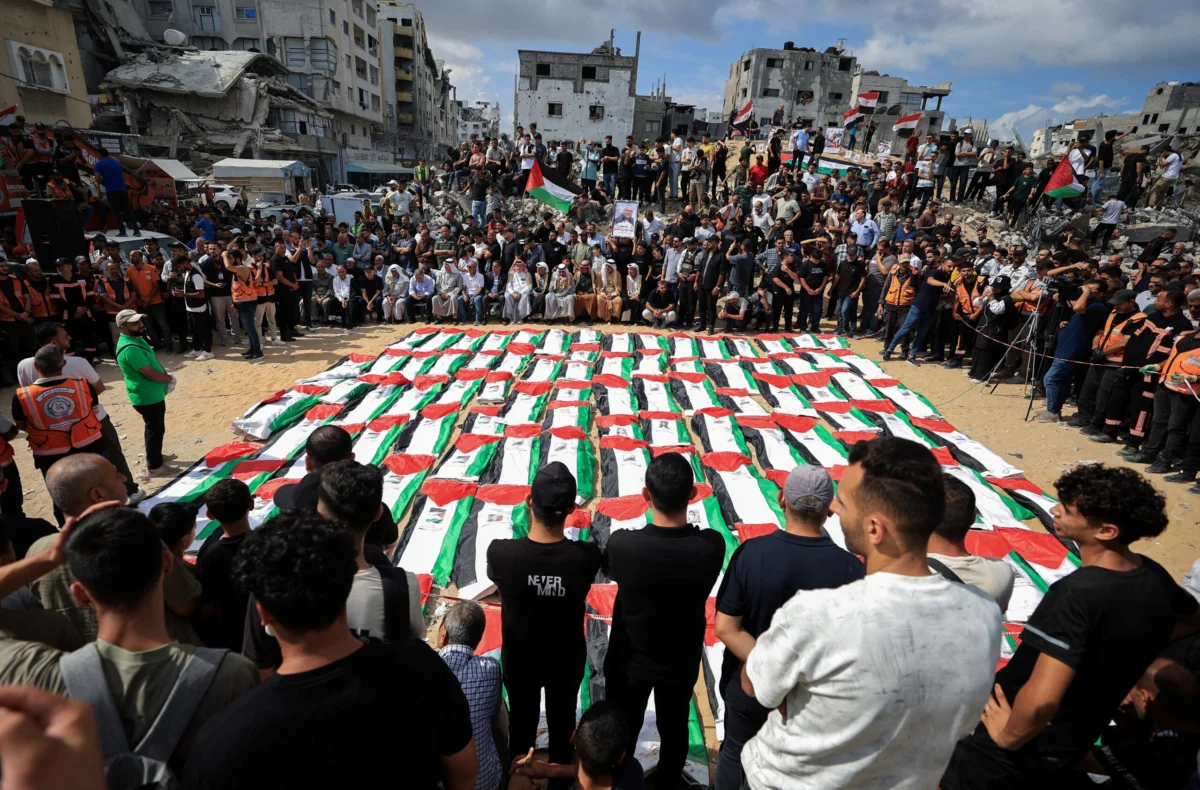
The nation’s diplomatic efforts over the past nine months have been marked by a prominent presence in United Nations debates concerning humanitarian crises in regions such as Gaza, Sudan, Ukraine, and Iran. A delegation, reportedly led by the Liberian president, has actively engaged with U.S. lawmakers in Washington and articulated its peace and security agenda at the UN General Assembly in New York, seeking to bolster its international standing. This proactive diplomatic push, however, stands in stark contrast to the clandestine nature of the deportation deal.
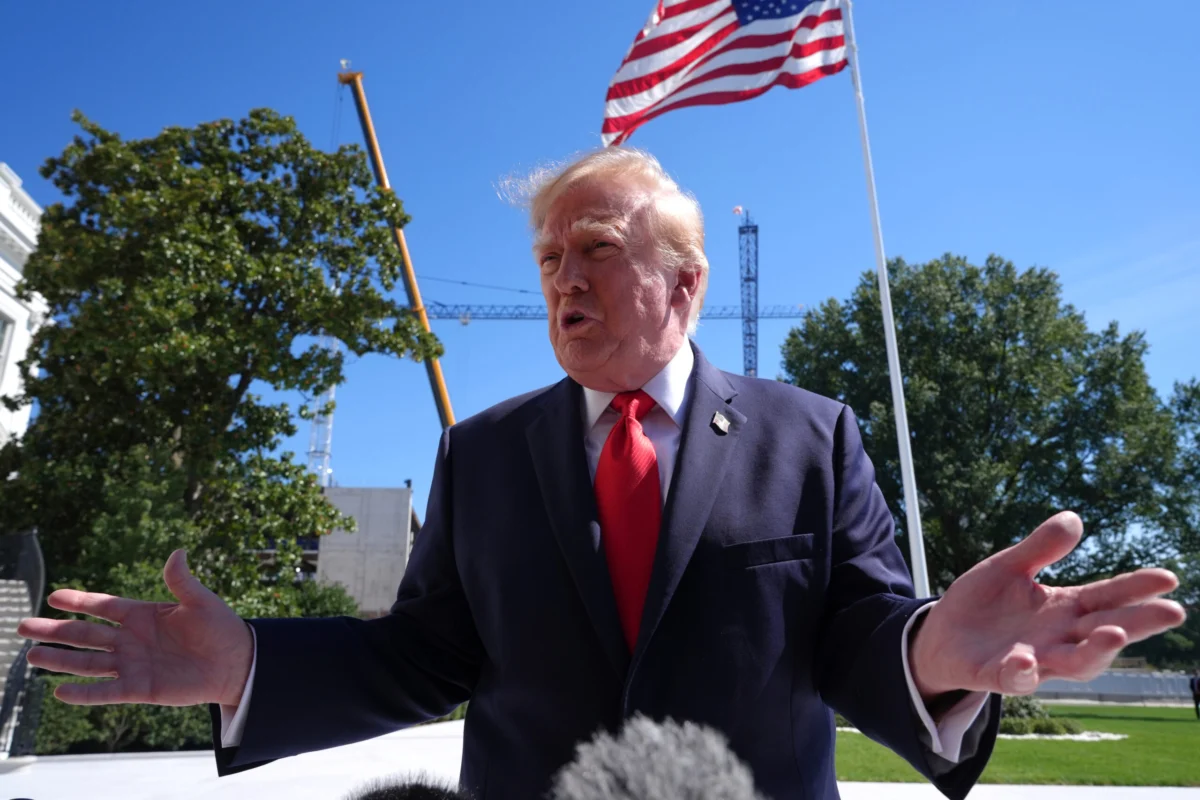
This pact, signed on September 10, 2025, with the Trump administration, commits Liberia to accepting an undisclosed number of third-country nationals deported from the U.S. This agreement follows a broader trend by the Trump administration, which has secured deportation deals with 35 countries, nearly a third of them in Africa, to resettle individuals whose U.S. immigration statuses range from legally recognized to those protected from removal. Liberia’s participation is particularly significant due to the large potential number of deportees involved and the controversy it has ignited.
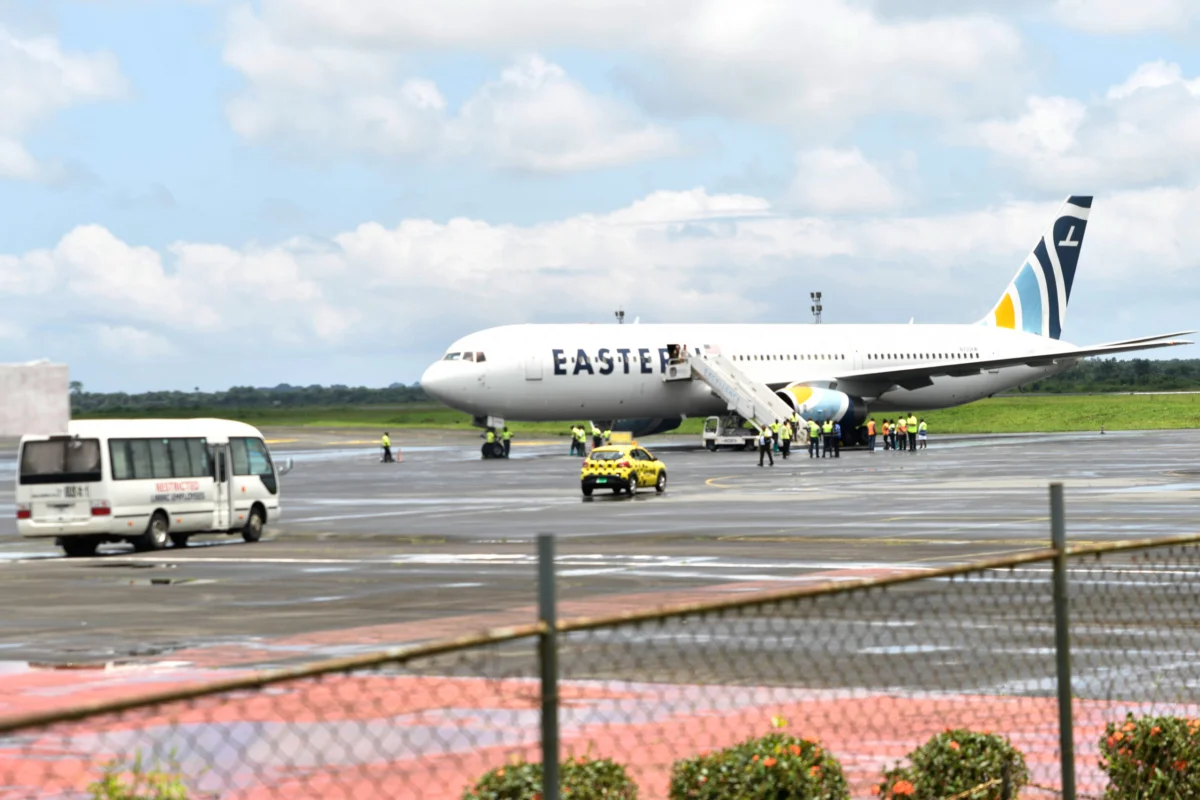
The initial wave of deportees, numbering 20 out of an expected 1,200, arrived at Roberts International Airport (RIA) late last month. This handover was widely reported and met with condemnation. Six individuals who refused to disembark were reportedly transferred to Equatorial Guinea under unclear circumstances. For those who did arrive in Liberia, critical information remains undisclosed, including their identities, the reasons for their deportation, their intended places of residence, their freedom of movement, and their legal standing within Liberia.
Unpacking the Deportation Agreement
The bilateral agreement between Monrovia and Washington is characterized by its lack of transparency and detail, yet it is fraught with political and ethical concerns. Critics argue that deportations conducted without due process and potentially involving inhumane treatment directly contravene the principles enshrined in the Universal Declaration of Human Rights. Furthermore, the agreement to host third-country nationals without the explicit approval of Liberia’s National Legislature appears to violate Article 34(f) of the Liberian Constitution, which mandates legislative ratification of international agreements.
Several deportees who arrived on August 20 reported being detained in the U.S. without due process, a claim that potentially violates Articles 8 and 10 of the Universal Declaration of Human Rights, which guarantee the right to an "effective remedy" and a "fair and public hearing" before an independent judicial body. Accounts from these individuals also suggest they were subjected to being chained during the flight to Liberia, treatment that could contravene Article 5 of the Universal Declaration of Human Rights, prohibiting torture or cruel, inhuman, or degrading treatment or punishment.
The agreement may also have implications for other international commitments to which both Liberia and the U.S. are signatories. These include the 1967 Protocol Relating to the Status of Refugees, the Convention against Torture and Other Cruel, Inhuman or Degrading Treatment or Punishment, and the International Covenant on Civil and Political Rights.
On the domestic front, Liberia’s Constitution clearly stipulates that all "treaties, conventions and such other international agreements negotiated or signed on behalf of the Republic" must be ratified by the National Legislature. The agreement to host third-country nationals was reportedly authorized unilaterally by the executive branch, bypassing the legislative process. This circumvention of constitutional procedure raises significant legal and governance concerns.
Historical Echoes and Ethical Dilemmas
By accepting primarily Black and brown deportees under such questionable arrangements, Liberia is seen by some as becoming complicit in expulsions that echo a "make America white again" sentiment. This is particularly poignant given Liberia’s historical founding by freed slaves and formerly enslaved people fleeing 19th-century chattel slavery and racial discrimination in the United States. The nation, once a beacon of post-war stability and a model for post-conflict recovery, risks significantly eroding its credibility in future UN Security Council deliberations. This raises the critical question of what Liberian policymakers in the executive branch hope to achieve through this controversial deal.
What’s in it for Liberia? The Pursuit of Transparency
As a scholar specializing in migration dynamics related to Liberia, the terms and implications of the bilateral agreement with the U.S. have been a subject of keen interest. An official press release issued shortly before the arrival of the first deportees described the pact as a "humanitarian" arrangement for the "dignified, safe and orderly transfer" of non-criminals removed from the U.S. While the release stated that Liberia had "not demanded or received any compensation or promise of reward," it also mentioned that "support" would be available for managing the program and strengthening migration management.
The ambiguity surrounding the term "support" has fueled suspicion. This is especially true given that the Trump administration has previously paid foreign governments substantial sums, exceeding $32 million collectively, to accept significantly smaller numbers of deportees. The lack of clear financial incentives for a low-income country to host up to 1,200 individuals without apparent benefit prompted further investigation.
Attempts to obtain more information have been met with significant evasion. The Minister of Foreign Affairs reportedly declined to share the agreement, citing its classification at the National Security Council level, and instead provided the already-published press release. The president’s national security adviser claimed ignorance, while the director of the National Security Agency, despite admitting to possessing the agreement, has yet to respond to requests for its disclosure. The then-Minister of Justice, now acting Minister of Defense, asserted that the agreement was classified due to its nature as an international accord.
Despite official obfuscation, the agreement was eventually located on the U.S. State Department website. Its contents, and particularly its omissions, raise alarm. The legitimacy of expelling third-country nationals whose protection claims in the U.S. are still pending, and the potential reward to Liberia for facilitating this, are central concerns. A New York Times report from August 21 suggested that U.S. State Department officials agreed to pay Liberia $5 million for accepting deportees. This figure directly contradicts official claims of no compensation or reward and, if accurate, would also violate Article 34(f) of Liberia’s Constitution due to the absence of legislative approval.
Further questions emerge regarding the negotiation process, the specific allocation of these funds, their channeling outside Liberia’s national budget, and the mechanisms for monitoring and reporting expenses. The reported $5 million figure also appears disproportionately low compared to payments made to other nations for accepting fewer deportees. Rwanda, for instance, reportedly received $7.5 million for accepting just seven individuals.
A Legacy of Unequal Partnerships
Liberia’s history is marked by a series of contentious agreements with the United States. A recent example is the U.S.-Liberia Bilateral Health Cooperation Memorandum of Understanding, signed in December. In exchange for over $124 million in planned "assistance," Liberia reportedly granted access to its citizens’ health data without explicit consent. This pact, like the deportation agreement, may also violate Article 34(f) of the Constitution, as legislative approval was allegedly not obtained.
A century ago, in 1926, Liberia entered into another agreement with the U.S. that significantly impacted its sovereignty. Facing heavy debt and seeking to deter European colonial powers, Liberia accepted a $5 million loan from the Finance Corporation of America, a subsidiary of Firestone Tyre and Rubber Company. This loan was conditional on a 99-year lease of 404,700 hectares (one million acres) for rubber extraction at a nominal rate. The loan terms also empowered the U.S. president to appoint American administrators for Liberia’s finances and prohibited Liberia from borrowing without Firestone’s consent. This arrangement initiated a long-standing pattern of U.S. resource extraction from Liberia.
For Liberia to reclaim its historical position as Africa’s first independent Black republic and a celebrated post-war success story, it must critically reassess and, where necessary, terminate bilateral agreements with the U.S. that compromise its autonomy, contravene national laws, and erode public trust. The nation must actively pursue "positive peace"—the absence of structural violence—both domestically and in its international engagements.