The Democratic Republic of the Congo is confronting a worsening Ebola epidemic as the virus has now been detected in two additional health zones, exacerbating challenges for overwhelmed health workers and international aid organizations. The World Health Organization (WHO) confirmed the latest spread, underscoring the persistent and evolving threat posed by the Bundibugyo strain of the virus.
The newly affected areas are Bulu, situated in the South Ubangi governorate and sharing a border with the Central African Republic, and Dungu, located in the Haut-Uele province, which borders South Sudan. These expansions bring the total number of health zones grappling with the outbreak to 63, spanning across seven of the nation’s provinces. This widespread dissemination highlights the difficulty authorities are facing in containing the relentless spread of the deadly pathogen.
Ebola Virus Strain and Its Implications
The current outbreak is characterized by the Bundibugyo strain of the Ebola virus, a subtype that presents unique challenges for containment and treatment. Unlike the more common Zaire strain, which has seen significant advancements in vaccine development and widespread deployment, the Bundibugyo strain has a less extensive history of outbreaks in the DRC, meaning scientific understanding and readily available countermeasures are more limited.
This lack of established, broadly applicable vaccines for the Bundibugyo strain complicates the response efforts. The WHO has acknowledged this critical gap, indicating that it is actively accelerating clinical trials for potential vaccines and treatments. However, the timeline for these advancements and their effectiveness against this specific strain remain uncertain, leaving responders to rely on less robust containment strategies.
Escalating Case Numbers and Mortality Rates
As of September 23, the DRC has reported a staggering 7,890 confirmed cases of Ebola, resulting in 3,799 deaths. This grim statistic reveals a mortality rate of nearly 48%, indicating that almost half of those infected have succumbed to the disease. The sheer volume of cases and fatalities underscores the severity and pervasive nature of the current epidemic.
The cumulative impact of these figures paints a dire picture of the public health crisis unfolding in the region. The constant influx of new cases and the persistent loss of life place immense strain on the already fragile healthcare infrastructure and the dedicated personnel working on the front lines of the epidemic.
Obstacles to Control: Conflict and Displacement
Compounding the difficulties in combating the Ebola outbreak are the pervasive issues of conflict and population displacement. WHO Director-General Tedros Adhanom Ghebreyesus has repeatedly highlighted how ongoing instability and the movement of people are severely hindering the ability of health workers to reach affected communities and effectively trace individuals who may have been exposed to the virus.
"It’s very difficult to see Ebola in isolation because even our response to Ebola is affected by the conflict, because there is displacement and there is an access problem to some areas," Tedros stated. This interconnectedness between security challenges and public health crises means that progress in controlling the epidemic is intrinsically linked to achieving greater stability and security in the affected regions.
The displacement of populations also creates mobile reservoirs of infection, making it exponentially harder to track the virus’s spread and identify all potential contacts. Families fleeing conflict zones may unknowingly carry the virus with them, introducing it to new areas and complicating contact tracing efforts that are crucial for breaking chains of transmission.
Contact Tracing Shortfalls Exacerbate Concerns
A critical aspect of Ebola control is rigorous contact tracing, a process that aims to identify and monitor all individuals who may have come into contact with an infected person. However, data reveals a significant shortfall in these efforts, raising alarms about the true extent of the outbreak’s hidden spread.
Dr. Jean Kaseya, Director-General of the Africa Centres for Disease Control and Prevention (Africa CDC), pointed out that the reported 7,000-plus confirmed cases should theoretically translate to approximately 420,000 contacts requiring monitoring. Yet, current contact lists only contain about 30,000 individuals. This massive discrepancy suggests that a vast number of potential exposures are going untracked, allowing the virus to circulate undetected within communities.
"When the outbreak is at community level, we cannot talk about control," Kaseya emphasized, highlighting the dire implications of such a significant gap in surveillance and containment. This shortfall makes it exceedingly difficult to implement timely interventions and prevent further transmission.
Ituri and North Kivu Provinces: Epicenters of the Crisis
The northeastern province of Ituri remains the most severely affected region, serving as the de facto epicenter of the current Ebola outbreak. Since the epidemic’s inception in May, Ituri has recorded 6,032 confirmed cases. In the past 21 days alone, the province reported 868 new confirmed cases, indicating a persistent and intense transmission within its borders.
North Kivu province is the second hardest-hit area, with 1,480 new cases reported. Notably, over the last three weeks, North Kivu has accounted for approximately one-third of all newly confirmed cases and deaths nationwide. This surge in infections and fatalities underscores the escalating crisis within this strategically vital region.
Disparities in Mortality Rates and Public Perception
The data from North Kivu reveals a particularly alarming trend: nearly 60% of individuals diagnosed with Ebola in the province have died. This figure is significantly higher than the national average of 48%, suggesting either a more virulent presentation of the disease in this region, delayed treatment, or a combination of factors contributing to higher mortality.
Contributing to these grim statistics is a pervasive fear and mistrust among the population, leading many to avoid seeking medical attention until their condition is critical. Patients often delay reporting symptoms, fearing that arriving at a health facility will automatically mean being sent to a treatment center, which they associate with an inevitable death.
"Patients think that if they arrive at the hospital, they will be immediately sent to the treatment centre to die," said Dr. Michel Paluku Mukuloli, who works at a hospital in Butembo, North Kivu. This perception, while understandable given the gravity of the disease, directly impedes early case identification and the initiation of life-saving treatment before the virus reaches its most dangerous and often fatal stages.
Historical Context and Strain Differences
North Kivu has a history of being a focal point for previous Ebola outbreaks, including a significant epidemic from 2018 to 2020 that was, until the current crisis, the DRC’s largest and most deadly. However, those past outbreaks were caused by the Zaire strain of the Ebola virus, a different and better-understood pathogen.
The current epidemic’s reliance on the Bundibugyo strain means that responders are navigating less familiar territory. In the early stages of infection, patients often exhibit milder symptoms that can be easily mistaken for more common illnesses like malaria or typhoid fever. This diagnostic ambiguity further complicates early detection and isolation, allowing the virus more time to spread before it is definitively identified.
International Response and the Path Forward
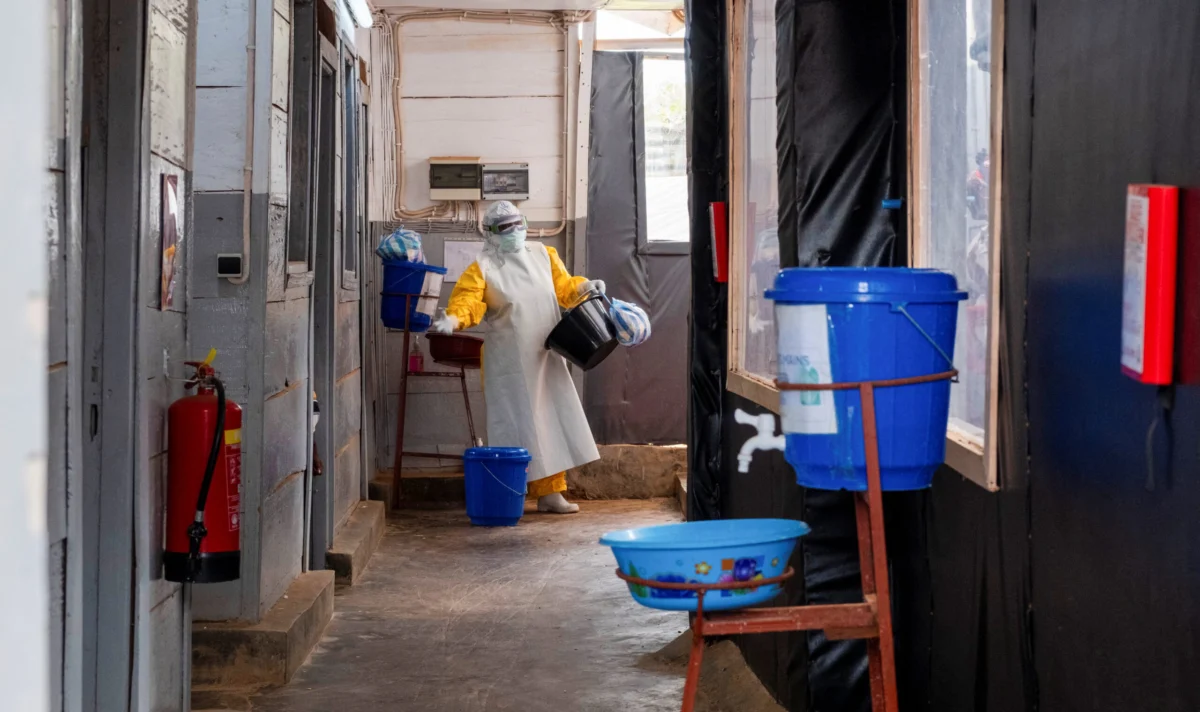
The international community, led by the WHO and various non-governmental organizations, continues to mobilize resources and expertise to combat the escalating Ebola outbreak in the DRC. Efforts are focused on reinforcing healthcare capacity, deploying medical personnel, providing essential supplies, and implementing public health messaging to encourage safe practices and early reporting of symptoms.
However, the confluence of a challenging viral strain, widespread conflict, population displacement, and deep-seated community mistrust presents a formidable set of obstacles. The success of future containment strategies will likely depend not only on medical interventions but also on achieving greater peace and stability within the affected provinces and rebuilding trust between health authorities and the populations they serve. The long-term implications for regional health security and humanitarian aid remain a significant concern as the epidemic continues its relentless advance.