Paris, France – Pope Leo XIV delivered a stark warning about the potential for artificial intelligence and other advanced technologies to erode fundamental aspects of human identity during his high-profile visit to France, addressing world leaders and international bodies in a series of influential speeches. The pontiff’s remarks, delivered at the Élysée Palace and the UNESCO headquarters, underscored his deep concerns about the ethical and existential questions posed by the rapid march of technological progress. His pronouncements resonated with thousands of faithful who gathered to welcome him, highlighting the significant public interest in the intersection of faith, humanity, and emerging technologies.
The Specter of a "Paradise of Machines"
During his address to President Emmanuel Macron and French authorities at the Élysée Palace, Pope Leo XIV articulated his vision of a future where advanced technology, particularly artificial intelligence, could lead to a dystopian "paradise of machines." He cautioned that this technological immersion risks diminishing the very essence of what it means to be human, prompting profound philosophical and moral re-evaluation. His message emphasized the urgent need for robust ethical frameworks to guide the development and deployment of these powerful tools.
"If we are to avoid losing our humanity amid a paradise of machines invading and conditioning our daily lives, there is an urgent need for education in ethical discernment," the Pope stated, standing alongside President Macron. This plea for ethical guidance comes at a critical juncture, as AI systems become increasingly integrated into various facets of daily life, from communication and commerce to healthcare and governance. The pontiff’s words signaled a clear call to action for policymakers, technologists, and society at large to proactively address the potential downsides of unchecked technological advancement.
Ethical Frontiers and Human Dignity
Pope Leo XIV’s concerns extended beyond the abstract philosophical implications of AI. He specifically decried the potential for scientific progress to be perverted into profit-driven ventures that exploit human life. His remarks touched upon sensitive and ethically charged areas, including genetic manipulation, surrogacy, the trade in human organs, and the increasingly debated topic of assisted dying.
"Scientific progress should not turn into profit-driven ventures promoting genetic manipulation, surrogacy, the trade in human organs or the possibility of arranging one’s own death," the Pope declared. This statement arrived just months after France passed a landmark bill legalizing assisted dying, a legislative move that has sparked considerable debate both domestically and internationally. The pontiff’s direct linkage of these issues to the broader ethical considerations surrounding technological advancement underscores the Vatican’s consistent stance on the sanctity of human life from conception to natural death.

Nuclear Disarmament and the Arms Race
Beyond the realm of artificial intelligence and bioethics, Pope Leo XIV also reaffirmed the Vatican’s long-standing opposition to nuclear weapons. He characterized the doctrine of nuclear deterrence as "mistaken," arguing that its continued reliance fuels a dangerous new arms race. This stance positions the Holy See as a consistent advocate for global peace and disarmament, urging nations to pursue diplomatic solutions rather than relying on the threat of mutually assured destruction.
The Pope’s advocacy for nuclear disarmament aligns with a broader Catholic social teaching that emphasizes peace, justice, and the inherent dignity of all people. His critique of nuclear deterrence suggests a belief that such weapons, while intended to prevent conflict, ultimately create a climate of perpetual fear and instability, diverting resources that could be used for human development and well-being.
AI: A Defining Challenge of the Pontificate
Pope Leo XIV has identified artificial intelligence as one of the most significant challenges confronting humanity since the beginning of his pontificate. His first encyclical dedicated significant attention to the topic, calling for stringent regulation and urging AI developers to prioritize the common good. This early and sustained focus highlights the pontiff’s prescient understanding of AI’s transformative potential, both for good and for ill.
"The paradox has become increasingly evident: while ‘intelligence’ is attributed to computational systems, we struggle to recognise the inalienable dignity of human persons, whose lives are judged according to the criterion of efficiency and, when deemed no longer productive, are rejected and discarded," he stated, drawing a stark contrast between artificial and human intelligence. This observation points to a potential societal drift towards valuing productivity and utility over intrinsic human worth, a trend the Pope finds deeply troubling.
Dialogue with the Tech Industry
Speaking to reporters, Pope Leo XIV expressed satisfaction that his message regarding AI was reaching developers and the broader tech industry. He voiced hope for continued dialogue between technology companies and the Vatican, emphasizing the importance of collaborative efforts to ensure AI serves humanity. He believes many in the tech sector are open to finding ways to prevent AI from displacing or destroying humanity, aiming instead for it to be a tool for human betterment.
This openness to dialogue suggests a pragmatic approach by the Vatican, recognizing that outright prohibition of advanced technologies is neither feasible nor desirable. Instead, the focus is on shaping their development and application through ethical guidance and shared responsibility. The Pope’s willingness to engage directly with industry leaders signifies a commitment to finding common ground and fostering a more humane technological future.

A Historic Visit to France
Pope Leo XIV’s four-day trip to France marks the first official papal visit to the nation in 18 years, a significant event given France’s constitutional commitment to secularism. Despite this, the pontiff emphasized that "authentic secularity" should not necessitate the exclusion of religion from public life or education. His remarks aimed to foster a more inclusive understanding of secularism, one that respects the role of faith in society without compromising the republic’s foundational principles.
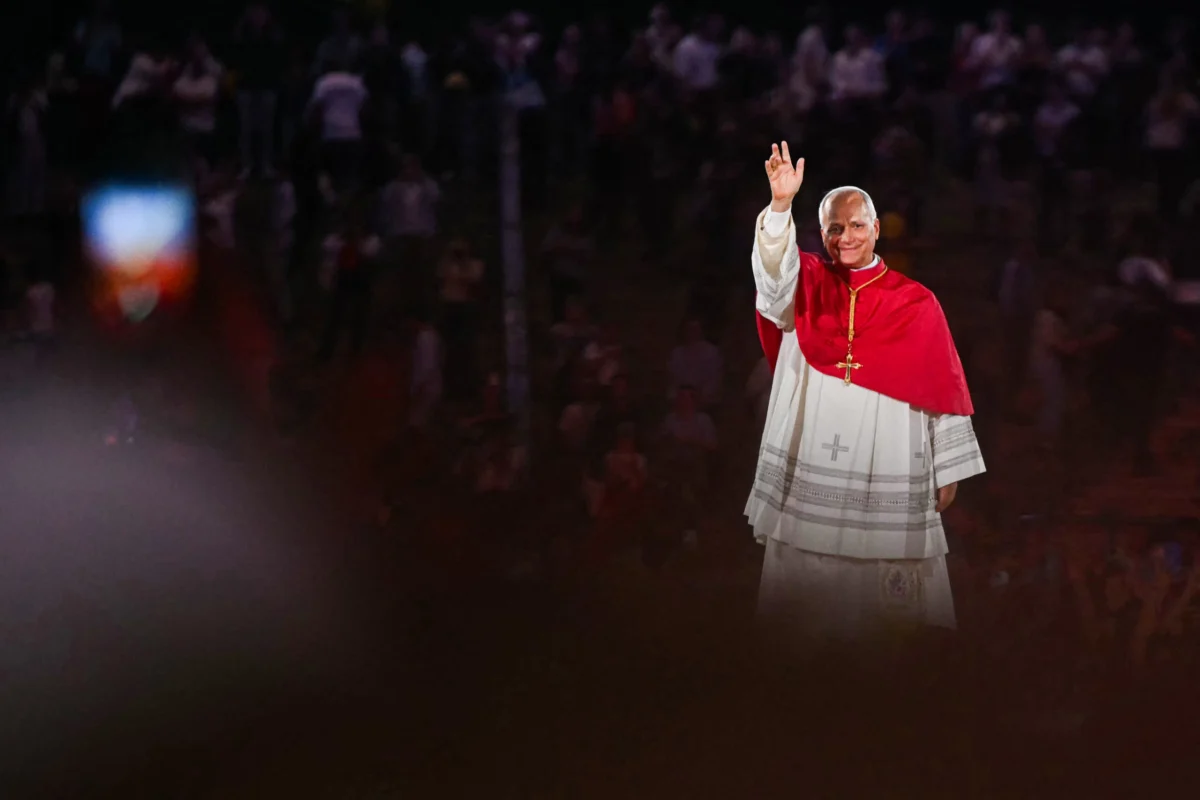
The Pope’s visit was met with enthusiastic crowds, with tens of thousands of worshippers gathering to welcome him. He celebrated a prayer vigil with young people at a stadium near Paris, referring to those gathered as the "saints of France." The sheer number of attendees, estimated by the Vatican at around 300,000 on Friday alone, underscores the enduring influence of the papacy and the deep spiritual connection many French citizens feel. The pontiff’s procession through Paris in his popemobile also drew large numbers, demonstrating a palpable public engagement with his presence and message.
Broader Implications for Society and Governance
The Pope’s warnings about AI and technological advancement carry significant implications for how societies will navigate the future. His emphasis on ethical discernment suggests a need for greater public education and critical thinking skills to understand and engage with complex technological issues. This call for education extends to religious institutions, policymakers, and educational systems, all of whom have a role to play in shaping a future where technology enhances, rather than diminishes, human well-being.
The Vatican’s engagement with these issues also highlights the growing role of religious institutions in global discourse on emerging technologies. By offering a moral and ethical framework, the Church seeks to guide the development of AI and other advanced technologies in a direction that upholds human dignity and promotes the common good. This involves advocating for regulations that prevent misuse, promote equitable access, and ensure that technological advancements serve humanity’s highest aspirations.
The Future of Human-Machine Interaction
As artificial intelligence continues its rapid evolution, the questions raised by Pope Leo XIV will only become more pressing. The pontiff’s visit to France served as a powerful reminder that technological progress must be accompanied by profound ethical reflection and a steadfast commitment to preserving human values. The challenge lies in harnessing the immense potential of AI while safeguarding against its capacity to fundamentally alter our understanding of ourselves and our place in the world.
The dialogue initiated by the Pope with world leaders and the tech industry is a crucial first step. The long-term success of this endeavor will depend on sustained collaboration, a willingness to prioritize ethical considerations over short-term gains, and a collective commitment to ensuring that the future of artificial intelligence is one that truly benefits all of humanity. The coming years will undoubtedly see ongoing debates and policy developments as the world grapples with the profound questions posed by the accelerating pace of technological change.