Tehran has declared its complete readiness for the resumption of hostilities, a stark warning issued amid escalating tensions in the Strait of Hormuz, a critical artery for global oil shipments. The declaration comes as the United States has definitively rejected a seven-day roadmap proposed by Iran, intended to de-escalate the conflict and reopen the vital waterway. The pronouncements signal a deepening crisis and a widening chasm between the two nations, raising significant concerns about regional stability and international maritime security.
Escalating Rhetoric and Military Posturing
Iranian Foreign Minister Abbas Araghchi articulated the nation’s militant stance, stating unequivocally that Iran is "fully prepared for war to resume." This forceful declaration underscores a significant shift in diplomatic posture, moving away from de-escalation and towards a posture of military readiness. The timing of this statement is particularly significant, occurring in the wake of a series of incidents that have heightened anxieties across the Persian Gulf.
The context for Araghchi’s warning is deeply rooted in the ongoing geopolitical friction between Iran and the United States, a relationship fraught with decades of animosity. Recent events, including accusations of drone shootdowns and alleged maritime provocations, have pushed the two countries to the brink. Iran’s assertion of readiness for war suggests a willingness to engage militarily should its perceived interests or territorial integrity be further threatened.
The Rejected Seven-Day Roadmap
Central to the current diplomatic standoff is Iran’s proposed seven-day roadmap. Details of this proposal remain somewhat opaque, but it was presented as a pathway to end the escalating conflict and, crucially, to reopen the Strait of Hormuz. The Strait, a narrow 21-mile-wide channel connecting the Persian Gulf to the Gulf of Oman, is a vital chokepoint through which roughly one-fifth of the world’s oil passes. Any disruption to its traffic carries profound implications for the global energy market and international trade.
Washington’s swift and firm rejection of this roadmap signifies a lack of trust or a fundamental disagreement on the terms of de-escalation. The U.S. stance suggests that Iran’s proposal did not meet its requirements or was perceived as insufficient to address the underlying issues fueling the conflict. This rejection leaves little room for immediate diplomatic breakthroughs and instead reinforces the perception of an entrenched and intractable dispute.
U.S. Rejection of Drone Claims and Escalation Dynamics
Adding another layer of complexity to the situation is the U.S. rejection of Iran’s claims regarding drone incidents. While the specifics of these claims are not detailed in the initial reporting, it is understood that Iran has made assertions that the United States has publicly refuted. Such disagreements over factual events, particularly those involving military actions, serve to further erode trust and create an environment where miscalculation is a significant risk.
The U.S. military presence in the region, coupled with Iran’s stated preparedness for conflict, creates a volatile mix. Each side’s actions and rhetoric are scrutinized intensely, with the potential for misinterpretation leading to unintended escalation. The strategic importance of the Strait of Hormuz means that any military engagement in its vicinity would have immediate and far-reaching global consequences.
Historical Context of Hormuz Tensions
The Strait of Hormuz has long been a flashpoint in regional politics. Throughout the Iran-Iraq War (1980-1988), the waterway was a frequent site of naval clashes and attacks on oil tankers. Since the Islamic Revolution of 1979, Iran has repeatedly threatened to close the Strait in response to perceived threats from the United States and its allies.
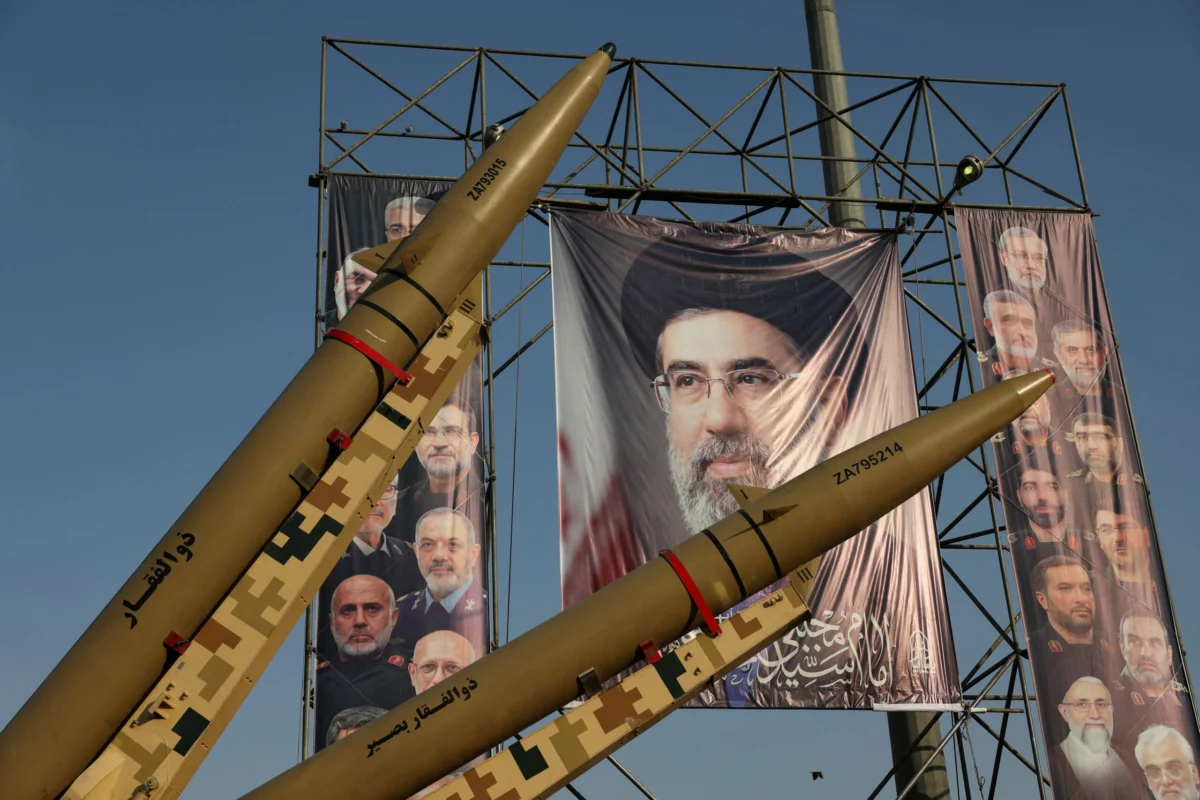
These threats are not mere rhetoric. Iran possesses a substantial naval force in the Persian Gulf, including fast-attack craft, mines, and anti-ship missiles, capable of posing a significant threat to commercial shipping. The U.S. Navy, in turn, maintains a strong presence in the region, tasked with ensuring freedom of navigation and protecting vital shipping lanes. This ongoing military dynamic has created a perpetual state of tension.
Broader Geopolitical Implications
The escalating rhetoric and the rejection of diplomatic overtures have significant geopolitical implications that extend beyond the immediate bilateral dispute between Iran and the United States. The stability of the Middle East, a region already grappling with numerous conflicts, is intrinsically linked to the situation in the Persian Gulf.
Any escalation of hostilities could draw in regional powers, further destabilizing an already fragile geopolitical landscape. The involvement of countries like Saudi Arabia, the United Arab Emirates, and potentially others, could transform a bilateral confrontation into a wider regional conflict. This would have devastating humanitarian consequences and further disrupt global energy supplies.
Economic Repercussions and Global Markets
The economic ramifications of increased tensions or actual conflict in the Strait of Hormuz are profound and immediate. As mentioned, a significant portion of global oil supply transits through this narrow waterway. Any disruption, whether through direct military action, mining, or even prolonged blockades, would send oil prices soaring.
This surge in energy costs would ripple through the global economy, impacting inflation, consumer spending, and industrial production. Nations heavily reliant on imported oil, particularly in Asia and Europe, would face significant economic challenges. The insurance industry, particularly marine insurance, would also experience substantial volatility as risks associated with operating in the Persian Gulf increase dramatically.
International Response and Diplomatic Efforts
The international community is closely monitoring the unfolding situation. Key global powers, including European nations and China, have a vested interest in maintaining stability and ensuring the free flow of commerce through the Strait of Hormuz. Diplomatic channels, though currently strained, remain crucial for preventing further escalation.
However, the current trajectory suggests a hardening of positions. The U.S. has consistently maintained a policy of "maximum pressure" on Iran, aimed at curbing its nuclear program and its regional influence. Iran, in turn, views these policies as an existential threat and has responded with a combination of diplomatic maneuvering and defiant military posturing.
The Role of Proxies and Asymmetric Warfare
Beyond direct confrontation, the potential for proxy warfare and asymmetric tactics remains a significant concern. Iran has historically supported various militant groups across the Middle East, which could be activated to exert pressure on U.S. allies or disrupt regional stability. These tactics, while not involving direct Iranian military engagement, can have a destabilizing effect and create complex challenges for regional security forces.
The U.S. and its allies have also engaged in efforts to counter Iranian influence and support for proxy groups. This ongoing shadow conflict adds another layer of complexity to the current tensions, making it difficult to isolate the direct causes of escalation and predict future actions.
Public Perception and National Security
In Iran, the government’s messaging often emphasizes national resilience and readiness to defend its sovereignty. Public discourse is likely to be shaped by state media, portraying the nation as steadfast in the face of external pressure. The "fully prepared for war" declaration could be intended to rally domestic support and project an image of strength.
In the United States, public opinion on military engagement in the Middle East is often divided, with a strong contingent advocating for de-escalation and diplomatic solutions. However, when perceived national security interests or the safety of U.S. personnel and allies are at stake, there can be a greater willingness to support assertive action. The ongoing debate over Iran’s nuclear ambitions and its regional activities continues to shape policy and public discourse.
The Path Forward: Uncertainty and Risk
The current impasse, characterized by Iran’s readiness for war and the U.S. rejection of its diplomatic roadmap, paints a grim picture for immediate de-escalation. The rejection of the seven-day plan suggests that the two sides are far from finding common ground. The Strait of Hormuz remains a critical vulnerability, and any misstep could have catastrophic consequences.
The future trajectory of this crisis hinges on a delicate balance of deterrence, diplomacy, and the potential for miscalculation. The coming days and weeks will be crucial in determining whether tensions can be managed or if the region is indeed heading towards a renewed period of heightened conflict. The international community will continue to urge restraint, but the immediate focus remains on the hardening stances of Tehran and Washington.