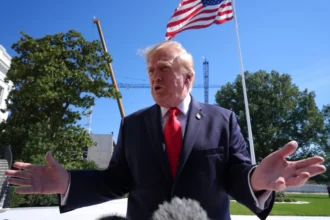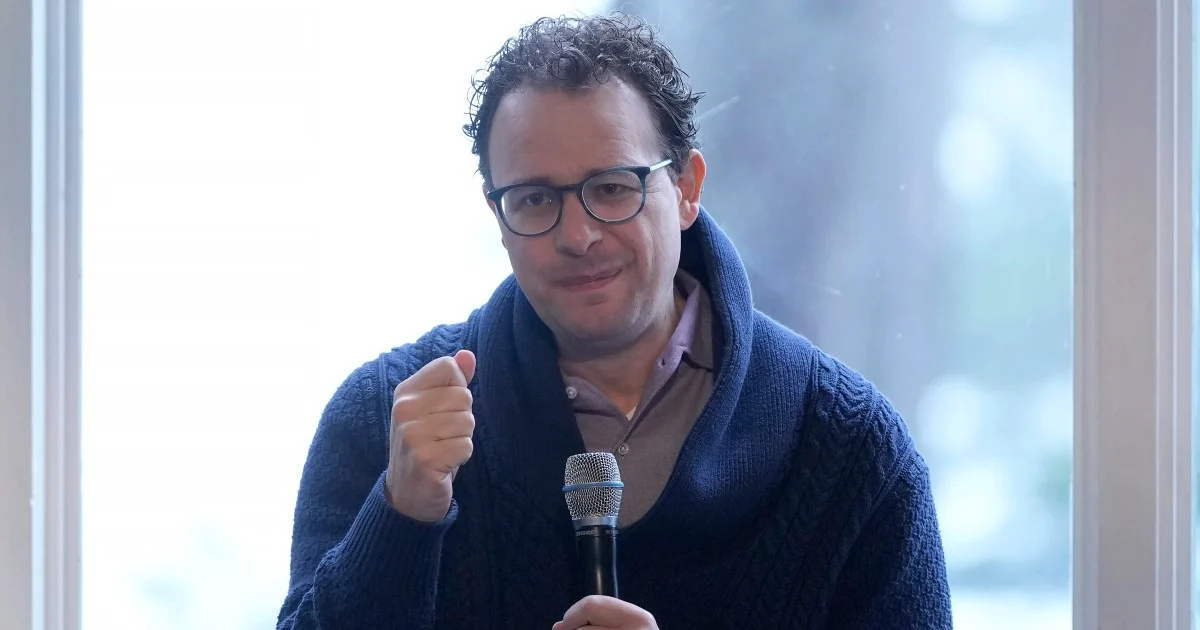
Anthropic CEO Dario Amodei is scheduled for a private one-on-one dinner with former President Donald Trump at his Mar-a-Lago residence on Sunday evening, a meeting that marks a significant shift in the relationship between the artificial intelligence leader and the former president’s administration. This encounter comes after a period of considerable friction and public criticism between Anthropic and the Trump White House concerning the rapid advancement and regulation of artificial intelligence.
The summit between Amodei and Trump, confirmed by the former president, represents the first direct engagement of this kind between the two prominent figures. It occurs against a backdrop of ongoing debate about the pace of AI development and its potential implications for national security and global competitiveness.
Sources indicate the private dinner was arranged to foster dialogue on the critical issue of artificial intelligence policy. President Trump has consistently voiced strong opinions on AI, emphasizing the need for the United States to maintain its technological lead, particularly in relation to China. He has frequently expressed concerns that overly stringent regulations could cede ground to geopolitical rivals.
In comments made while attending the Presidents Cup golf tournament in Illinois, Trump reiterated his stance. He told Fox News that the U.S. currently holds a lead of approximately a year and a half over China in AI development. "We’re leading, and we’re building tremendous, trillions of dollars’ worth of places," Trump stated. "And why should we give that up?" This perspective underscores his belief that preserving American technological dominance in AI is paramount, even in the face of potential risks associated with accelerated development.
The meeting between Amodei and Trump also follows closely on the heels of a federal appeals court ruling that upheld the Pentagon’s decision to classify Anthropic as a "supply chain risk." This classification effectively prohibits the U.S. military from utilizing Anthropic’s AI models.
The sanctions against Anthropic were imposed by the Trump administration in February. The company had refused to allow its AI tools to be used for the development of fully autonomous weapons or for domestic mass surveillance purposes. This refusal placed Anthropic at odds with the administration’s stated priorities for AI deployment.
During that period, Trump publicly criticized Amodei, characterizing his call for a pause in AI development as an attempt to be a "perfect little angel." This sentiment highlights the administration’s impatience with calls for caution in the rapidly evolving AI landscape.
Notably, Amodei was absent from the high-profile state dinner held for Chinese President Xi Jinping on Thursday. That event drew a significant number of AI industry leaders, including Sam Altman, the CEO of OpenAI, a major competitor to Anthropic. The absence of Anthropic’s chief executive from such a prominent gathering, especially one attended by rivals, further emphasizes the complex dynamics at play within the AI sector and its intersection with U.S. foreign policy.
Despite mounting concerns from various quarters about the potential for AI to spiral out of control, a prevailing view within the U.S. government, including the Trump administration, is that major AI players such as OpenAI, Anthropic, Google, and Meta cannot afford to slow down. The fear is that any pause in development would allow China to gain a decisive advantage in the global AI race.
The upcoming schedule for key figures in AI policy includes a meeting on Tuesday between former President Trump and Speaker of the House of Representatives Mike Johnson with leading AI executives. This gathering signals a continued focus on high-level discussions about the future of artificial intelligence regulation and development in the United States.
The Shifting Landscape of AI Policy and Diplomacy
The dialogue between Amodei and Trump is particularly significant given the rapid evolution of artificial intelligence and its profound implications for national security, economic competitiveness, and societal well-being. Both figures represent distinct but influential perspectives on how the United States should navigate this transformative technology.
Trump’s consistent emphasis on outpacing global competitors, especially China, in AI development reflects a broader national security imperative. His administration, like many others, viewed AI as a critical domain for strategic advantage. This viewpoint often prioritizes speed and innovation over precautionary measures, a stance that has drawn both support and criticism.
Anthropic, on the other hand, has positioned itself as a company deeply concerned with AI safety and responsible development. Its refusal to engage in applications deemed potentially harmful, such as autonomous weapons and pervasive surveillance, underscores a commitment to ethical considerations that can sometimes clash with governmental or military objectives.
A History of Disagreement and a New Path Forward
The initial friction between Anthropic and the Trump administration stemmed from fundamental disagreements about the application of AI technologies. When Anthropic declined to permit its tools for military applications involving autonomous weapons or domestic surveillance, it triggered a response from the administration that led to sanctions.
These sanctions, and the subsequent court ruling, have placed Anthropic in a challenging position regarding its ability to engage with U.S. defense entities. The meeting with Trump could potentially signal an effort to bridge these divides or at least to ensure that the former president understands Anthropic’s perspective on AI safety and ethical deployment.
Trump’s past criticisms of Amodei for advocating a pause in AI development suggest a deep-seated skepticism towards slowing down technological progress. However, the former president’s willingness to meet with Amodei indicates a potential openness to direct engagement and a desire to hear firsthand about the challenges and considerations facing leading AI companies.
The Broader Implications for the AI Industry
The convergence of policymakers and AI leaders in high-level discussions highlights the growing recognition of AI’s strategic importance. The recent state dinner for Chinese President Xi Jinping, which included prominent AI executives, demonstrated the geopolitical significance of the sector. Amodei’s absence from that event, while his rival Altman was present, underscored the competitive dynamics within the industry and the complex diplomatic landscape.
The U.S. government’s underlying concern is that a pause in AI development by American companies would inevitably create an opening for China to surge ahead. This perceived race for AI dominance fuels a sense of urgency and influences policy decisions. The meeting between Amodei and Trump, as well as the planned discussions with Speaker Johnson, aim to shape a cohesive national strategy for AI.
This engagement comes at a critical juncture, as the United States grapples with balancing the immense potential of AI with its inherent risks. The debates surrounding regulation, safety, and ethical use are intensifying, and the outcomes of these high-level discussions could have a profound impact on the trajectory of AI development and its integration into society.
Navigating the Future of Artificial Intelligence
The dinner between Anthropic CEO Dario Amodei and former President Donald Trump is more than just a social engagement; it is a symbolic representation of the ongoing national conversation about the future of artificial intelligence. It highlights the complex interplay between technological innovation, national security, and ethical considerations.
The U.S. government’s commitment to maintaining a competitive edge in AI is evident, and this pursuit is shaping both domestic policy and international relations. As the nation continues to explore the vast possibilities of artificial intelligence, the dialogue between industry leaders, policymakers, and former presidents will be crucial in charting a responsible and prosperous path forward. The outcome of these discussions could influence regulatory frameworks, investment priorities, and the very nature of how AI is developed and deployed in the years to come.