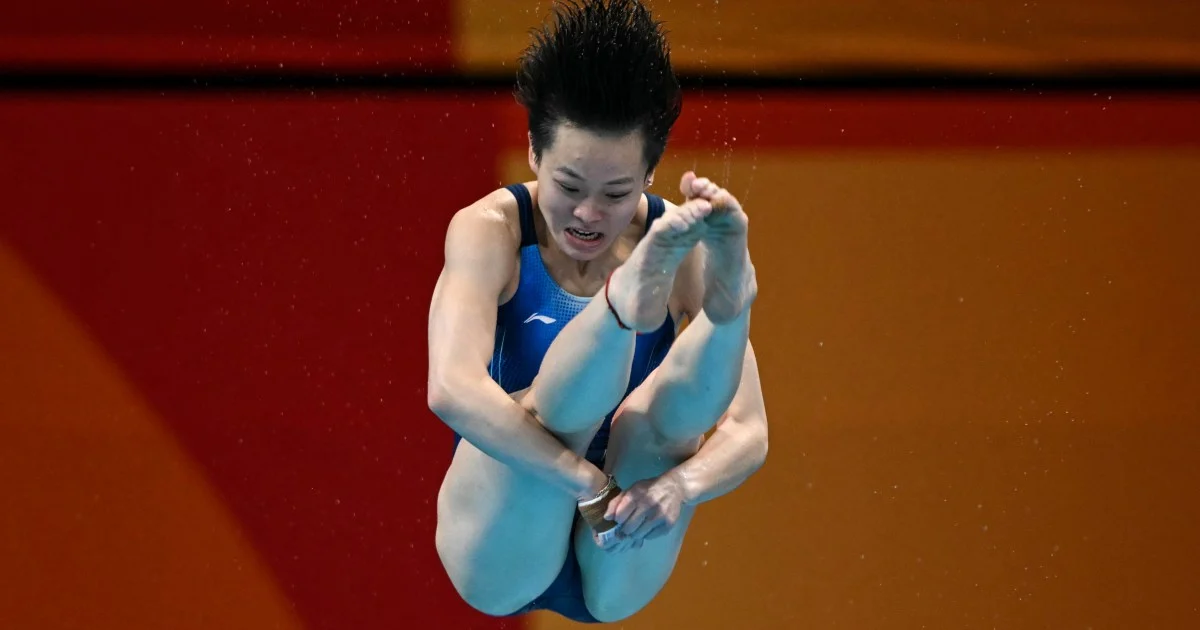
China’s divers have once again demonstrated their unparalleled dominance at the Asian Games, extending a remarkable unbeaten streak that now spans 52 years and includes every gold medal awarded in the sport since their debut in 1974. This continued supremacy in the pool, which saw China’s overall gold medal tally surge past 150 with four days remaining in the competition, coincided with a formal apology from Japanese officials regarding significant organizational and logistical challenges that have plagued the quadrennial event.
Diving Dynasty Continues Unabated
The Chinese diving contingent proved an unstoppable force, solidifying their nation’s iron grip on the sport. On Wednesday, the final diving events saw Chen Yiwen and Lian Junjie secure gold medals, marking the 14th consecutive Asian Games where China has achieved a complete sweep of all available diving titles. This consistent performance underscores a strategic and sustained investment in athletic development, coupled with rigorous training regimens that have consistently produced world-class talent.
Chen Yiwen, a double gold medalist at the Paris Olympics, emphasized the unwavering commitment of Chinese female athletes. "Girls are every bit as capable as boys. We are pushing ourselves to perform more difficult dives, too," she stated, highlighting the equal dedication and effort invested in their training. "We do not train any less than the boys," she added, countering any potential misconceptions about gender disparities in athletic preparation. This sentiment reflects a broader cultural and sporting ethos that champions equal opportunity and performance excellence.
China’s Dominance in Perspective
China’s commanding presence at the Asian Games is a testament to its long-standing commitment to sporting excellence across multiple disciplines. With the diving golds contributing significantly to their burgeoning medal count, China is comfortably leading the medal standings. As of the latest reports, the host nation, Japan, sits in a distant second place with 50 gold medals, followed by South Korea with 24. This disparity reflects China’s comprehensive athletic infrastructure and its strategic focus on key Olympic sports where it aims for global dominance.
The 52-year legacy of Chinese diving excellence at the Asian Games is a remarkable achievement in the annals of international sports. It speaks to a continuous pipeline of talent, advanced coaching methodologies, and a national sporting system that prioritizes and nurtures potential from an early age. This sustained success not only brings national pride but also serves as a benchmark for other participating nations striving to improve their own competitive standing.
Broader Sporting Highlights and Emerging Stars
Beyond the diving pool, other athletes have been making their mark. In tennis, Alexandra Eala of the Philippines has advanced to the semifinals of the women’s singles, igniting hopes of a gold medal for her nation. Eala, currently ranked world number 18, navigated a challenging early match against Joanna Garland of Taiwan, eventually winning 7-5, 6-0. Her performance in Nagoya has drawn significant attention, with fans traveling considerable distances to support their national hero.
Eala’s aspiration to compete in major international events like the Asian Games and the Olympics is a driving force behind her dedication. "Representing my country and playing these types of games, SEA Games, Asian Games and hopefully the Olympics, they’re very close to my heart and a big part of my dreams," she expressed, underscoring the profound personal and national significance of these competitions. She is set to face China’s Wang Xiyu in her next match.
Taiwanese boxer Lin Yu-ting, an Olympic champion, is also guaranteed at least a silver medal in the women’s 60kg class. Lin demonstrated superior skill in her bout against Sitora Turdibekova of Uzbekistan, securing a decisive 5-0 victory to advance to the final. This win places her one step away from claiming her second Asian Games gold medal, further cementing her status as a formidable competitor. Lin expressed gratitude to the medical team for their care after sustaining a cut to her nose during the quarterfinals.
In men’s football, South Korea secured a dramatic 2-1 victory over China with an 82nd-minute winner, advancing to the final. They will face the host nation, Japan, for the gold medal. Japan’s path to the final was equally tense, requiring a penalty shootout victory over Uzbekistan after a 1-1 draw through 120 minutes of play. These football matches have captivated audiences, showcasing the intense regional rivalries and the high stakes involved in team sports at this level.
Apologies Amidst Organizational Woes
The otherwise celebrated athletic achievements have been overshadowed by widespread complaints regarding the organization and logistics of the Asian Games. Nagoya’s Mayor, Ichiro Hirosawa, who also serves as the acting chairman of the local organizing committee, issued a public apology to athletes and other participants for the "inconveniences" experienced. This acknowledgment comes after a series of issues, including shortages of accommodation and transportation problems, have drawn criticism from various national delegations.
The scale of the event, with over 17,000 athletes and officials – a number exceeding that of the Olympic Games – has presented significant logistical challenges. Reports suggest that some countries have accused local organizers of mismanagement, particularly concerning the provision of essential services and facilities. The decision to forgo a traditional athletes’ village, opting instead for alternative accommodations like temporary wooden units, a cruise ship, and hotels to reduce costs, appears to have contributed to the difficulties.
"We must offer our apologies to the athletes and others affected by these inconveniences," Mayor Hirosawa stated, acknowledging the shortcomings. He further emphasized the need for introspection, adding, "We must sincerely reflect on the mishandling that occurred." This public admission highlights the pressure on organizers to address these issues promptly and to ensure a smoother experience for the remainder of the competition.
Repercussions and the Path Forward
The organizational issues at the Asian Games raise questions about the capacity of host cities to manage mega-events of this magnitude, especially when cost-saving measures are implemented. The apologies from the organizing committee signal an attempt to mitigate reputational damage and to regain the trust of the athletes and the broader sporting community. However, the impact of these inconveniences could have lasting effects on perceptions of the event and future bids for hosting international sporting spectacles.
For athletes, such disruptions can detract from their experience and potentially affect their performance. The focus on competition and the pursuit of excellence is paramount, and logistical hurdles can create unnecessary stress and distractions. The Asian Games, as a premier continental event, aims to foster camaraderie and showcase athletic prowess, and any significant organizational failures can undermine these core objectives.
The coming days will likely see continued efforts by the organizing committee to rectify the problems and improve the participant experience. The athletes themselves, however, remain focused on their respective competitions, determined to achieve their goals despite the challenges. The resilience and dedication of these athletes, exemplified by China’s unwavering success in diving and the spirited performances in tennis and boxing, continue to be the defining narrative of the Asian Games. The long-term implications of the organizational missteps will be a subject of review and discussion long after the closing ceremony, serving as a case study for future event management.