President Donald Trump is poised to unveil a significant package of energy investments from South Korea, totaling an estimated $200 billion, with a substantial portion earmarked for a pivotal liquefied natural gas (LNG) project in Alaska. This major announcement, anticipated to be made from the White House, arrives as the Trump administration intensifies its efforts to highlight the Republican Party’s economic achievements in the crucial weeks leading up to the midterm elections. The investments are expected to underscore the administration’s "America First" energy agenda and its focus on fostering international partnerships that align with U.S. economic and strategic interests.
The centerpiece of the forthcoming announcement is a $54 billion liquefied natural gas project slated for Alaska. White House Press Secretary Taylor Rogers characterized this venture as a "long-stalled" initiative that has received strong backing from Alaska’s Republican Senator Dan Sullivan, who is currently campaigning for re-election. The project aims to capitalize on Alaska’s vast natural gas reserves and establish a significant export capability, potentially reshaping energy markets and bolstering U.S. influence in global energy trade. This development is particularly significant given Alaska’s status as a Republican-leaning state that Democrats view as a potential target in the upcoming elections, where control of the Senate hangs in the balance.
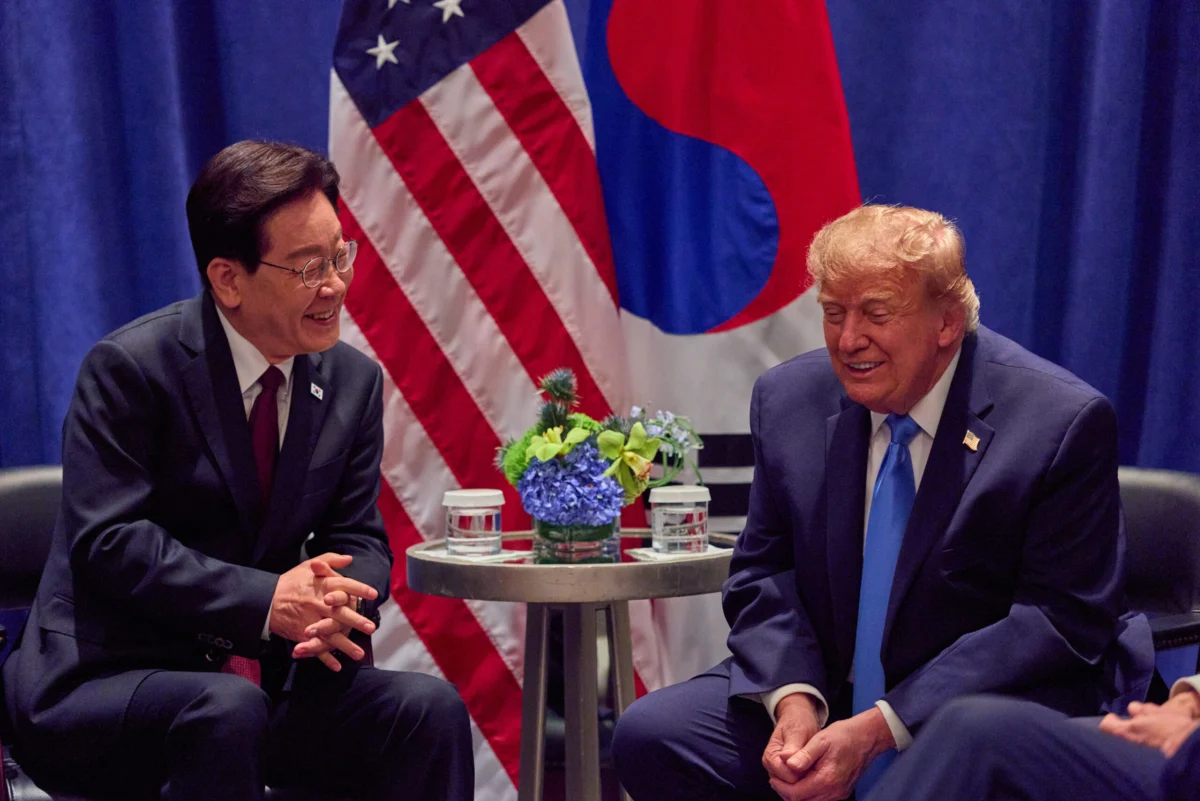
The broader $200 billion in South Korean investments is rooted in a comprehensive trade and investment framework established between the United States and South Korea last November. This agreement, valued at $350 billion, involved mutual concessions and commitments designed to rebalance trade relations. As part of the pact, the U.S. agreed to reduce tariffs on various South Korean goods, including automobiles and auto parts. In return, South Korea committed to substantial investments in key U.S. sectors, including shipbuilding and strategic industries. The $200 billion designated for strategic sectors encompasses a diverse range of projects aimed at enhancing energy infrastructure and capabilities.
The Alaskan LNG project itself represents a massive undertaking, involving the construction of a 1,300-kilometer (807-mile) natural gas pipeline. This pipeline is envisioned to transport natural gas from the resource-rich North Slope region, an oil-rich tundra bordering the Arctic Ocean, to an export terminal situated in the southern part of the state. The development is expected to create numerous jobs and stimulate economic activity in Alaska, a state that has historically relied on resource extraction. South Korea’s involvement is strategically important, as it is the world’s third-largest importer of LNG, trailing only China and Japan, underscoring the critical role this project could play in global energy supply chains.
Beyond the Alaskan LNG initiative, the White House event is also expected to detail South Korean investments in other vital energy sectors. These include commitments to developing nuclear power plants and constructing a substantial 6-gigawatt power generation facility in Texas. The Texas project, a gas-fired power plant slated for construction in the town of Encinal, has been identified by South Korea’s Ministry of Trade, Industry and Resources as the initial priority under its $200 billion strategic investment program. Texas, another state with a closely watched Senate race, could see significant economic benefits from this investment.
The impending announcement of substantial South Korean energy investments also occurs against a backdrop of evolving U.S.-Asia Pacific relations. Since assuming his second term in 2025, President Trump has pursued a strategy of renegotiating trade deals and challenging existing economic practices with a variety of international partners. The use of tariff threats has been a consistent tool in his diplomatic arsenal, and the agreement with South Korea, which included tariff reductions on certain U.S. imports, exemplifies this approach.
South Korea has historically been a cornerstone of U.S. alliances in the Asia Pacific. However, recent months have seen a noticeable strain in bilateral relations. This cooling of ties was exemplified by President Trump’s decision in August to scale back joint military exercises with South Korea, a move partly attributed to perceived dissatisfaction with Seoul’s support for U.S. initiatives in the Middle East. These shifts in the political landscape have coincided with a decline in public favorability towards the United States among South Koreans, as indicated by a Pew Research Center survey earlier this year. For the first time in two decades, a majority of South Koreans expressed an unfavorable view of the U.S., with approximately 55 percent holding negative perceptions.
Despite these diplomatic complexities, some factions within the Republican Party have advocated for maintaining robust ties with South Korea, viewing the alliance as a crucial bulwark against China’s expanding regional influence. Congressman John Moolenaar of Michigan, for instance, issued an open letter prior to the White House announcement, emphasizing the "indispensable" nature of the U.S.-South Korea alliance. He also cautioned the Trump administration to remain "vigilant" regarding warming relations between Seoul and Beijing. Congressman Moolenaar further expressed concerns about what he described as "discriminatory treatment of American firms relative to their [China]-linked competitors" by South Korea.
Moolenaar’s remarks underscored a sentiment within certain Republican circles that while the alliance is vital, it requires open communication and a careful assessment of diverging national interests. His call for "candor" suggests a desire for transparency and a proactive approach to addressing potential friction points in the bilateral relationship. The strength of the alliance, he argued, depends on acknowledging and navigating these divergences rather than ignoring them.
The strategic significance of the South Korean investments extends beyond economic benefits. By channeling substantial capital into U.S. energy infrastructure, Seoul is not only securing its own energy needs but also bolstering a key U.S. ally. The LNG project in Alaska, for example, could enhance U.S. energy security and its capacity to meet global demand, while also providing a significant economic stimulus to a strategically important, yet often overlooked, region of the United States. The investments in nuclear power and a large-scale power generation facility further align with U.S. energy goals, promoting diversification and modernization of the nation’s power grid.
The political implications of these announcements are undeniable, particularly in the context of the approaching midterm elections. The Trump administration is keen to showcase tangible economic successes that can resonate with voters. The prospect of $200 billion in foreign investment, particularly in job-creating sectors like energy infrastructure, offers a powerful narrative of economic growth and American prosperity. The timing of the announcement is strategic, aiming to provide a boost to Republican candidates in competitive races, including Senator Sullivan in Alaska and potentially influencing outcomes in other states where energy development and economic opportunities are key issues.
The impact of these investments on the energy industry could be transformative. The Alaska LNG project, if realized, would unlock significant export potential for U.S. natural gas, potentially impacting global prices and supply dynamics. The development of new power generation facilities in Texas would contribute to the state’s energy capacity and could spur further technological innovation in the sector. These projects also signal a continued U.S. commitment to expanding its role as a global energy supplier, a strategy that has been a hallmark of the Trump administration’s foreign and economic policy.
Furthermore, the broader trade and investment framework with South Korea reflects a deliberate strategy to recalibrate economic relationships with key allies. By leveraging its market access and engaging in reciprocal trade agreements, the U.S. aims to create a more favorable environment for American businesses and workers. The reduction of tariffs on South Korean goods, while beneficial to consumers and certain industries, is balanced by substantial South Korean commitments to invest in the U.S. economy, creating a mutually beneficial arrangement.
The coming weeks will likely see further details emerge regarding the specifics of these investments, including timelines, project milestones, and the direct beneficiaries within the U.S. economy. The successful realization of these ambitious projects will depend on a complex interplay of regulatory approvals, market conditions, and ongoing diplomatic engagement between the United States and South Korea. The long-term consequences of this significant infusion of foreign capital into American energy infrastructure will be closely watched by industry leaders, policymakers, and the public alike.