The U.S. Justice Department has lodged a formal misconduct complaint against seven federal judges in Minnesota following their public statements regarding the intense pressure placed on their courts during President Donald Trump’s aggressive immigration enforcement initiative. The complaint alleges the judges crossed ethical boundaries by speaking to The New York Times about the surge in cases stemming from "Operation Metro Surge," a federal operation that resulted in thousands of arrests across the Minneapolis-St. Paul metropolitan area between December and February.
This legal challenge marks a significant escalation in tensions between the Trump administration and the federal judiciary, a relationship that has been increasingly strained by judicial blocks on administration policies and accusations of non-compliance with court orders. The Justice Department contends that the judges’ public commentary demonstrated an unacceptable level of bias against the administration’s immigration agenda, prompting Attorney General Todd Blanche to call for their recusal from any future cases involving the Department of Homeland Security (DHS).
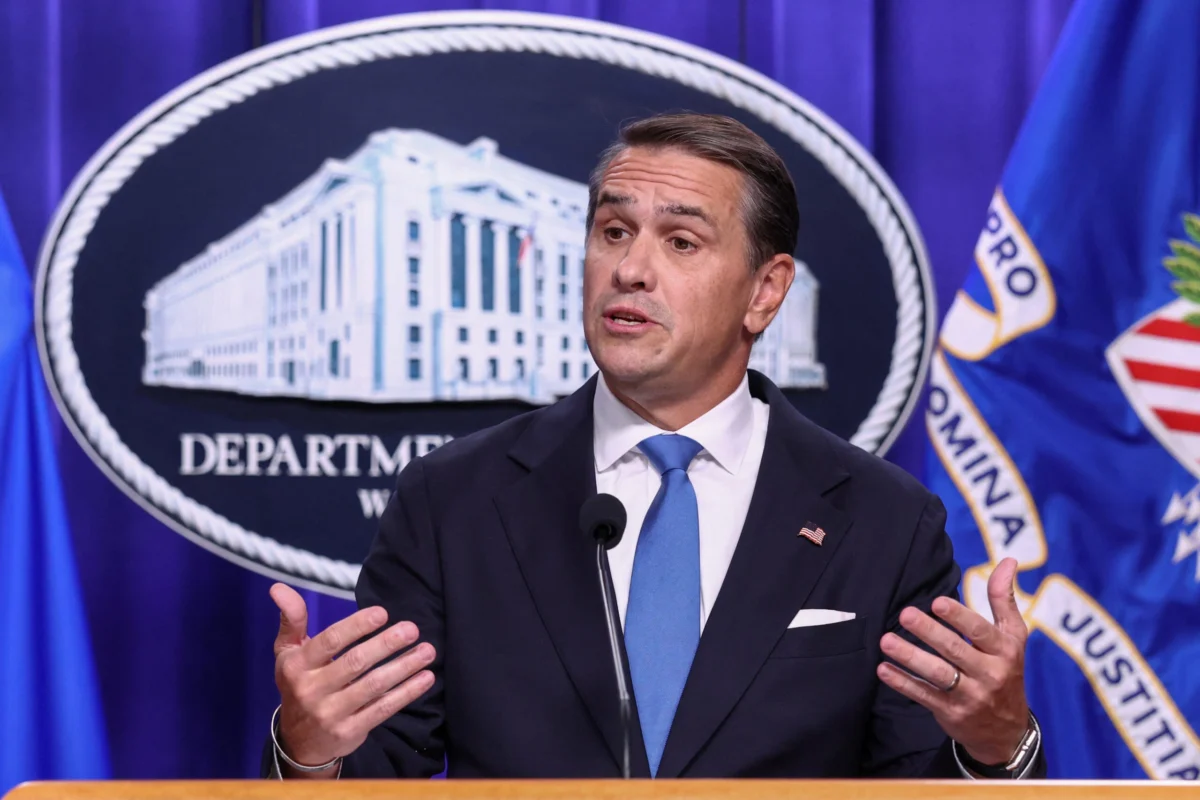
"When we have a situation like we have now, where you have a judge, a couple of judges, just not only violating the canons in our view but also showing bias in what they’re saying, we have no choice but to act," Attorney General Blanche stated to reporters, underscoring the department’s position that the judges’ remarks constituted a clear breach of judicial ethics. The complaint specifically targets the judges for discussing the operational impact of the immigration crackdown on their dockets, an area the Justice Department deems inappropriate for public discourse by sitting judges.
However, the accused judges and their representatives maintain they acted within ethical parameters. A spokesperson for the federal court system in Minnesota asserted that legal experts reviewed the judges’ statements and concluded they were "well within the ethical rules." This defense highlights a fundamental disagreement over the scope of permissible public commentary for federal judges, particularly when addressing issues that directly affect the functioning of the justice system and the rule of law.
The judges’ interviews with The New York Times shed light on the extraordinary strain placed upon the federal courts in Minnesota due to "Operation Metro Surge." This initiative, part of the Trump administration’s broader efforts to increase deportations and deter illegal immigration, led to a dramatic influx of immigration-related cases, overwhelming court resources and personnel. The judges described a significant disruption to their regular judicial functions as they grappled with the sheer volume of new cases, many of which were expedited due to the nature of immigration enforcement actions.
One of the judges named in the complaint, Chief Judge Patrick Schiltz, has been particularly vocal about the administration’s alleged disregard for judicial directives. Judge Schiltz, nominated to the bench by Republican President George W. Bush and a former clerk for the late conservative Supreme Court Justice Antonin Scalia, claimed that the government failed to adhere to nearly 100 court orders related to immigration enforcement in January alone. He emphasized in a written ruling that U.S. Immigration and Customs Enforcement (ICE) "is not a law unto itself," a statement that underscored his concern about the executive branch’s respect for judicial authority.
Judge Schiltz further articulated his perspective to The New York Times, stating that the events unfolding in Minnesota’s federal courts during the immigration crackdown "created a grave threat to the rule of law." He pointed to recent guidance issued by a federal judicial ethics panel in February, which affirmed that judges are permitted to speak publicly on matters concerning the rule of law and judicial independence. Schiltz argued that his public statements were precisely in line with this guidance, as he sought to highlight the systemic challenges and potential threats to legal principles posed by the administration’s actions.
The complaint against the Minnesota judges is not an isolated incident but rather a continuation of a pattern of friction between the Trump administration and various branches of the judiciary. Throughout President Trump’s term, federal courts have frequently intervened to block or delay the implementation of his signature policies, including travel bans, border wall funding, and environmental regulations. These judicial interventions were often met with sharp criticism from the president and his allies, who accused judges of partisan obstructionism and undermining executive authority.
The administration’s legal team has also faced scrutiny for its handling of court orders. In numerous instances, government lawyers have been accused of delays, misinterpretations, or outright defiance of judicial mandates, leading to sanctions, reprimands, and further erosion of trust between the courts and the executive branch. The current complaint against the Minnesota judges can be seen as the administration’s attempt to push back against what it perceives as judicial overreach and bias, particularly in matters related to its core policy priorities.
The ethical guidelines governing federal judges are complex, aiming to balance the need for judicial impartiality and independence with the importance of public confidence in the courts. The Judicial Code of Conduct, for instance, generally advises judges to refrain from public comment on pending cases or matters that could reasonably give rise to an appearance of bias. However, it also recognizes that judges may, in certain circumstances, speak on matters of public concern, particularly when those issues directly relate to the administration of justice or the integrity of the judicial system.
The core of the Justice Department’s complaint appears to hinge on the interpretation of what constitutes an inappropriate public comment versus a legitimate observation about the functioning of the courts and the rule of law. The administration argues that by speaking to a national newspaper about the impact of "Operation Metro Surge," the judges implicitly or explicitly criticized the administration’s policies and actions, thereby compromising their neutrality. This interpretation suggests a narrow view of judicial speech, one that prioritizes avoiding any appearance of controversy over the judges’ role in upholding legal principles and informing the public about systemic challenges.
Conversely, the judges and their supporters contend that their statements were necessary to highlight the strain on the judicial system and to defend the integrity of the courts. They argue that remaining silent in the face of significant operational disruptions and potential legal missteps by the executive branch would be a dereliction of their duty. The reference to the federal judicial ethics panel’s guidance further strengthens their position, suggesting that their commentary was indeed within the bounds of permissible public discourse for judges.
The implications of this complaint extend beyond the individuals involved. It raises fundamental questions about the relationship between the judiciary and the executive branch, the extent of judicial independence, and the public’s right to understand how their court system operates. In a democratic society, transparency and public trust are crucial for the legitimacy of the judiciary. When judges feel compelled to speak out about systemic issues, it often signals a deeper concern about the functioning of the justice system itself.
The Justice Department’s action could have a chilling effect on other judges who might be inclined to speak out about similar pressures or concerns. If judges believe that expressing their views on matters of public importance related to the judiciary could lead to formal complaints and accusations of bias, they may become more hesitant to engage in public discourse, even when it is crucial for understanding the challenges facing the courts. This could lead to a less informed public and a less accountable government.
The legal and procedural ramifications for the seven Minnesota judges are yet to be fully determined. The misconduct complaint will likely trigger an internal review process, which could range from a simple dismissal to more severe disciplinary actions, depending on the findings and the specific ethical rules cited. Regardless of the outcome, the complaint itself serves as a public reprimand and a clear signal from the Justice Department about its intolerance for what it perceives as judicial impropriety.
The broader context of this dispute underscores the ongoing struggle for institutional balance in the United States. The judiciary serves as a critical check on the power of the executive and legislative branches, and its independence is a cornerstone of the American legal system. When the executive branch initiates actions that directly challenge or appear to compromise the judiciary’s ability to function impartially, such as by filing misconduct complaints against judges for speaking to the press, it sparks a vital debate about the separation of powers and the safeguarding of democratic norms. The public will be watching closely to see how this legal and ethical quandary unfolds and what it signifies for the future of judicial independence and public discourse on matters of law and justice.