Israel launched a series of targeted airstrikes on oil depots in and around Tehran early Saturday, escalating a regional conflict that has seen continued attacks on Gulf states despite assurances from Iran’s president that the strikes would cease. The pre-dawn raids on the Iranian capital’s critical energy infrastructure mark a significant escalation in the ongoing confrontation, raising fears of wider regional instability and significant economic repercussions.
The attacks on Tehran’s oil facilities follow a pattern of increasingly aggressive actions attributed to Israel, which has not officially claimed responsibility but is widely believed to be behind the retaliatory strikes. These actions come in response to a series of drone and missile barrages that have targeted key economic and civilian areas across Qatar, Saudi Arabia, and the United Arab Emirates in recent days. Iranian President Hassan Rouhani had publicly stated that the offensive operations would be halted, a declaration now seemingly contradicted by the continued violence and Israel’s forceful response.
Escalation in the Persian Gulf
The situation in the Persian Gulf has deteriorated rapidly over the past week, with coordinated attacks disrupting vital shipping lanes and threatening the region’s delicate energy supply chain. The UAE reported multiple drone incursions targeting its northern oil fields, while Saudi Arabia confirmed several missile strikes near its key petrochemical complexes. Qatar, a major player in global energy markets, also experienced significant disruptions following a series of coordinated aerial assaults on its liquefied natural gas (LNG) export terminals.
These attacks have led to a sharp increase in global oil prices, with Brent crude futures soaring to multi-year highs in early trading on Friday. Analysts warn that prolonged disruptions to the region’s oil and gas production could have severe consequences for the global economy, potentially triggering widespread inflation and energy shortages. The strategic importance of the Persian Gulf, responsible for a significant portion of the world’s oil and gas exports, cannot be overstated, making any instability there a matter of international concern.
Background to the Conflict
The current hostilities are believed to stem from a complex web of geopolitical tensions and long-standing rivalries in the Middle East. While specific triggers remain debated, observers point to a series of proxy conflicts and escalating rhetoric between Iran and its regional adversaries, often supported by international powers. The involvement of Israel, a key U.S. ally, in retaliatory strikes against Iranian targets suggests a widening of the conflict beyond the immediate regional players.
For years, Iran has been accused of supporting militant groups that have engaged in attacks against its rivals, while Israel has maintained a policy of actively countering what it describes as Iranian aggression and proliferation of advanced weaponry. The recent escalation appears to be a direct consequence of this long-simmering confrontation boiling over into overt military action. The targeting of oil infrastructure, in particular, represents a significant departure from previous skirmishes, signaling a deliberate attempt to inflict maximum economic damage.
Tehran’s Response and International Concern
Following the early morning strikes on its oil depots, Iranian state media reported significant damage to storage facilities and refineries, though no immediate casualties were confirmed. The Ministry of Petroleum has launched an emergency assessment of the damage and is working to reroute supplies and mitigate the impact on domestic consumption and exports. The government has reiterated its commitment to defending its territory and interests, vowing a swift and decisive response to what it termed "unprovoked acts of aggression."
The international community has reacted with alarm to the escalating violence. The United Nations Security Council is scheduled to hold an emergency session later today to discuss the unfolding crisis. Several European nations have called for an immediate de-escalation and urged all parties to exercise restraint. The United States, while reaffirming its commitment to regional security and the free flow of commerce, has refrained from explicitly condemning either side, emphasizing the need for a diplomatic resolution.
Impact on Global Energy Markets
The immediate impact of the strikes has been felt acutely in global energy markets. Oil prices, already volatile due to geopolitical uncertainties, have experienced a significant surge. Futures for West Texas Intermediate (WTI) crude rose by over 5% in early trading, while Brent crude followed suit, approaching the $100 per barrel mark. This price hike is attributed to fears of further supply disruptions from the Persian Gulf, a region critical to global energy security.
Beyond the immediate price shock, analysts are concerned about the potential for prolonged disruptions to oil and gas production. The targeting of key infrastructure, including refineries and export terminals, could lead to sustained reductions in supply, impacting industries and consumers worldwide. The economic ripple effects could be substantial, potentially fueling inflation and slowing global economic growth.
The Human Cost of Conflict
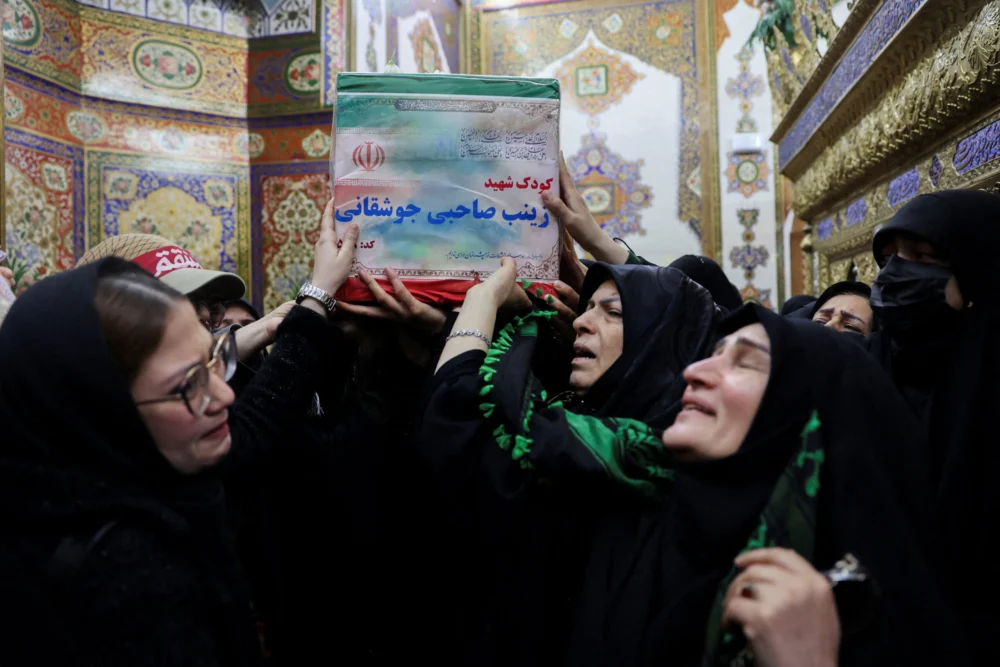
Amidst the geopolitical maneuvering and economic fallout, the human cost of the escalating conflict is becoming increasingly apparent. Reports from Qatar, Saudi Arabia, and the UAE indicate civilian casualties and damage to residential areas in the vicinity of some of the attacks. The image of a two-year-old child, Zainab Sahebi, who was killed in a strike in Tehran, underscores the tragic reality of this conflict reaching civilian populations.
These attacks have instilled a climate of fear and uncertainty among residents in the affected regions. Many are concerned about their safety and the potential for further violence. The disruption to daily life, including transportation and access to essential services, is also a growing concern. The humanitarian implications of such widespread conflict are profound and require urgent attention.
Navigating a Precarious Path Forward
The coming days will be critical in determining the trajectory of this escalating crisis. The effectiveness of diplomatic efforts, coupled with the strategic decisions made by the involved nations, will shape the future of regional stability. The international community faces the challenging task of mediating a de-escalation while ensuring the safety of civilians and the unimpeded flow of global commerce.
The continued attacks on Gulf states, juxtaposed with Israel’s strikes on Tehran’s oil depots, paint a grim picture of a conflict spiraling out of control. The assurances from Iran’s president have proven hollow, suggesting a deeper division within the Iranian leadership or a deliberate strategy to mislead international observers. The world watches with bated breath as the situation in the Middle East teeters on the brink, with the potential for devastating consequences for all involved and the global order. The focus now shifts to whether cooler heads can prevail and prevent a full-blown regional war, or if the cycle of violence will continue to claim more lives and further destabilize an already volatile part of the world.