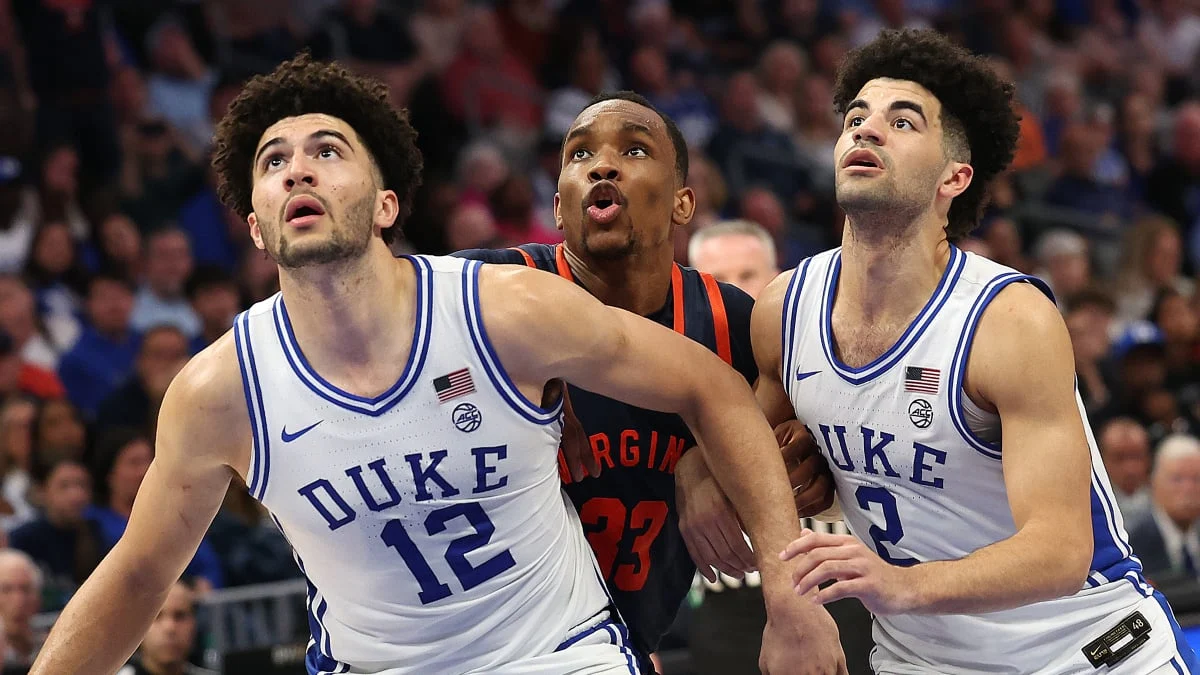
The 2026 NCAA Division I Men’s Basketball Tournament is set to captivate global audiences as 68 teams prepare to compete in a high-stakes, single-elimination format that culminates in Indianapolis. Fans seeking a March Madness 2026 livestream have several avenues to access the games, ranging from traditional cable broadcasts to digital streaming platforms that offer limited-time free trials. As the sports media landscape continues to shift toward cord-cutting, understanding the distribution rights and platform availability is essential for viewers who wish to watch NCAA basketball for free during the three-week event.
The tournament, colloquially known as March Madness, remains one of the most significant fixtures in the American sporting calendar, generating billions in revenue and attracting millions of viewers. For the 2026 iteration, the broadcast rights remain shared between CBS Sports and Warner Bros. Discovery. This partnership ensures that every game of the tournament is televised across four primary networks: CBS, TBS, TNT, and truTV. While these are typically paid services, the integration of these channels into various live-TV streaming packages provides a window for fans to utilize promotional offers to avoid subscription costs.
To secure a March Madness 2026 livestream without an immediate financial commitment, consumers are increasingly turning to services like DirecTV Stream and Fubo. DirecTV Stream currently offers a five-day free trial for new subscribers, providing access to the full suite of tournament channels. Following the trial period, the service transitions to a monthly rate of $84.99. Similarly, Fubo provides a five-day introductory period, after which the service costs $55.99 per month. These trials are strategically used by fans to cover specific high-intensity windows of the tournament, such as the opening weekend or the Final Four.

For viewers specifically interested in the games broadcast on CBS, Paramount+ remains a critical component of the streaming strategy. The platform offers a seven-day free trial, allowing fans to watch any game aired on the legacy network, including the National Championship game. After the trial, the service is positioned at a budget-friendly $8.99 per month. Hulu + Live TV also carries the necessary channels for a comprehensive March Madness 2026 livestream, though its promotional offers vary by season and often focus on bundled content rather than traditional free-trial windows.
The 2026 Tournament Schedule and Key Dates
The road to the 2026 National Championship officially begins on March 15 with Selection Sunday. During this televised event, the NCAA Division I Men’s Basketball Committee reveals the full 68-team bracket, announcing the 32 automatic qualifiers and the 36 at-large selections. This selection process sets the stage for "bracketology," a cultural phenomenon where millions of fans attempt to predict the outcome of every game in the tournament.
Following the selection show, the on-court action begins with the First Four in Dayton, Ohio, on March 17. These initial games serve as qualifiers for the main bracket, narrowing the field to the final 64 teams. The first round of the tournament commences on March 19, marking the start of a four-day weekend often cited as the most frantic and watched period of the competition. During these 96 hours, dozens of games are played across multiple time zones, frequently resulting in the "Cinderella stories" and "buzzer-beaters" that define the tournament’s legacy.
The 2026 tournament will progress through the Second Round, the Sweet 16, and the Elite Eight before arriving at the Final Four in Indianapolis. The semi-final games are scheduled for April 4, with the National Championship game taking place on April 6. Indianapolis, a city with a deep-rooted history in college basketball, will serve as the epicenter of the sport, hosting the final three games at Lucas Oil Stadium. This venue has a long-standing relationship with the NCAA, having hosted the Final Four multiple times due to its central location and infrastructure.

Overcoming Geographic Restrictions with VPN Technology
The availability of a March Madness 2026 livestream is often dictated by geographic location due to licensing agreements. International viewers or U.S. residents traveling abroad may find themselves "geo-blocked" from accessing their domestic streaming accounts. To circumvent these digital borders, many fans utilize Virtual Private Networks (VPNs). A VPN functions by masking a user’s actual IP address and routing their internet traffic through a server located in a different region, such as the United States.
ExpressVPN has emerged as a prominent choice for sports enthusiasts requiring high-speed connections for live broadcasts. The service is currently offering a two-year subscription for approximately $68.40, which includes an additional four months of service at no extra cost. This represents a significant discount for long-term users, though a monthly option is available for $12.99. By connecting to a U.S.-based server, viewers can log into platforms like Paramount+ or Fubo as if they were physically located within the United States, ensuring they do not miss a moment of the action.
The use of VPNs for streaming live sports has become a standard practice in the digital age, though it requires a stable internet connection to maintain high-definition quality. Industry analysts note that while streaming services attempt to block known VPN IP addresses, premium providers frequently update their server lists to maintain accessibility for their subscribers.
The Cultural and Economic Impact of March Madness
The 2026 NCAA tournament is expected to continue the trend of massive viewership growth, driven by the increasing legalization of sports wagering across the United States. Since the Supreme Court overturned the federal ban on sports betting in 2018, March Madness has seen a surge in engagement. Millions of Americans now participate in legal betting markets, wagering on everything from individual game outcomes to specific player performances. This economic engine supports the NCAA’s multi-billion dollar television contracts and funds athletic programs at hundreds of universities.

Furthermore, the 2026 tournament will take place in an era defined by Name, Image, and Likeness (NIL) rights. College athletes now have the ability to monetize their personal brands, and a standout performance during March Madness can lead to significant endorsement deals. This has changed the stakes for the players, as the tournament serves not only as a quest for a national title but also as a high-profile audition for professional leagues and corporate sponsors.
The "Cinderella" element remains the tournament’s most enduring appeal. Small-market schools and mid-major programs frequently upset "Power Five" giants, creating the "Madness" for which the event is named. For the 2026 season, analysts are closely watching the transfer portal and the impact of veteran players using their extra years of eligibility, which has led to an older, more physically mature field of competitors in recent years.
Technological Advancements in Sports Broadcasting
The 2026 March Madness 2026 livestream experience will likely benefit from advancements in broadcast technology, including 4K resolution options and enhanced interactive features. Warner Bros. Discovery and CBS have been experimenting with multi-view features, allowing fans to watch up to four games simultaneously on a single screen—a necessity during the opening rounds when games overlap.
Integration with social media and real-time data tracking is also expected to be more seamless. Viewers using mobile apps to stream games will have access to "live stats" overlays, providing instant shooting percentages, rebounding margins, and player efficiency ratings. This data-driven approach appeals to a younger demographic of fans who consume sports through a "second-screen" experience, balancing the live broadcast with social media interaction and fantasy sports updates.

As the tournament nears, the NCAA continues to emphasize the importance of its "Student-Athlete" model while navigating a rapidly changing legal and professional landscape. Regardless of the off-court debates regarding the future of amateurism, the on-court product remains a premier draw for advertisers and fans alike.
Preparing for the 2026 Tournament
Fans planning to utilize free trials for a March Madness 2026 livestream are advised to coordinate their sign-up dates with the tournament schedule. Because most trials last only five to seven days, a single trial cannot cover the entire duration of the three-week event. A common strategy involves using one service for the First and Second Rounds, and another for the Sweet 16 through the Final Four.
As the collegiate basketball season progresses toward its March climax, the anticipation for the 2026 tournament continues to build. With Indianapolis preparing for a massive influx of tourists and the digital infrastructure in place to support millions of concurrent streams, the 2026 NCAA Division I Men’s Basketball Tournament is poised to be a landmark event in the history of college athletics. Whether through a traditional cable package or a free streaming trial, the accessibility of the games ensures that the "Madness" will be felt by a global audience.