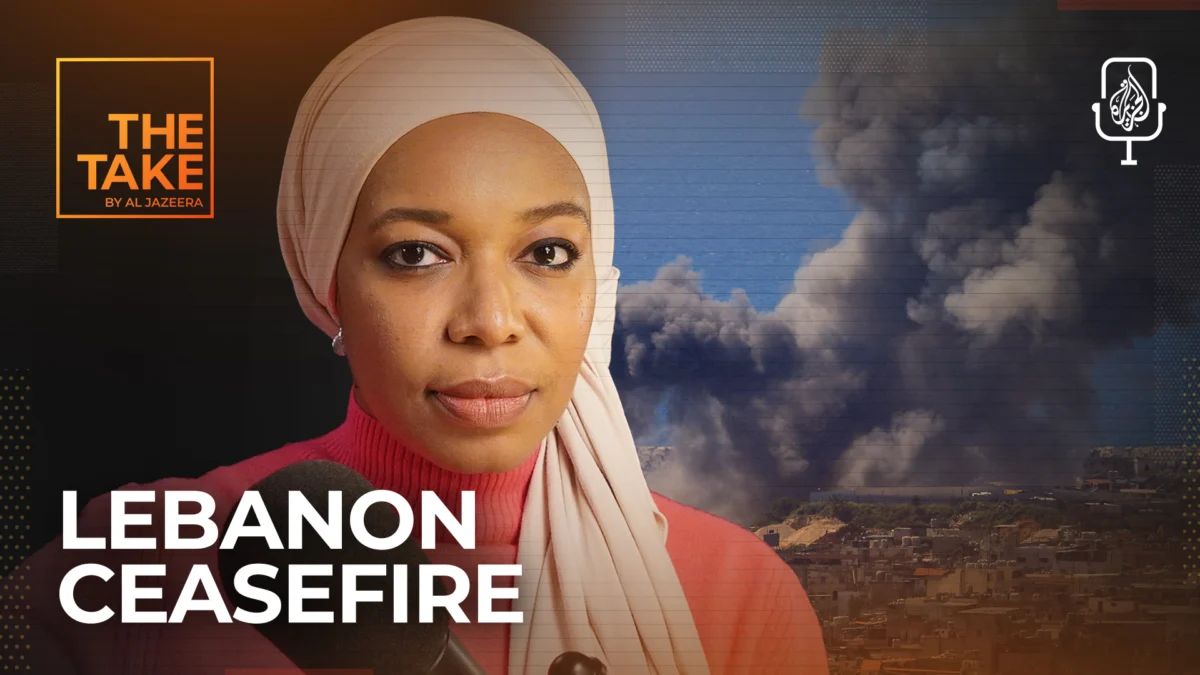
Direct diplomatic engagement between Lebanon and Israel, the first in over three decades, has culminated in a 10-day ceasefire, a development announced by U.S. President Donald Trump. This fragile truce now faces the critical question of its sustainability, particularly as months of intense conflict have left significant scars across southern Lebanon. As displaced residents begin the arduous process of returning to their homes, the immediate reality on the ground will be a stark determinant of whether diplomacy can forge a lasting peace amidst lingering tensions and the palpable aftermath of hostilities.
Historic Diplomatic Breakthrough Amidst Lingering Hostilities
The announcement of the ceasefire marks a significant, albeit tentative, step toward de-escalation along the volatile Lebanese-Israeli border. For the first time since the early 1990s, representatives from both nations engaged in direct negotiations, a move that signals a potential shift in regional dynamics. The mediation, reportedly facilitated by the United States, aimed to address the immediate cessation of hostilities that have plagued the region for an extended period.
However, the jubilation surrounding the diplomatic achievement is tempered by the grim realities on the ground. The conflict, which has raged for months, has inflicted substantial damage on infrastructure and livelihoods in southern Lebanon. Villages have been devastated, agricultural lands rendered unusable, and a significant portion of the population forced to flee their ancestral homes. The return of these displaced individuals will confront them with a landscape of destruction, posing immediate humanitarian challenges and testing the resilience of the ceasefire.
The Genesis of the Conflict and Escalation
The recent escalation of tensions between Lebanon and Israel has deep roots, often intertwined with broader geopolitical struggles in the Middle East. While the precise triggers for the latest round of fighting remain subject to ongoing analysis, the underlying issues are complex and multifaceted. Decades of unresolved disputes, border demarcation challenges, and the presence of armed non-state actors have consistently fueled instability in the region.
The current conflict saw a significant uptick in cross-border attacks, leading to retaliatory strikes. This cycle of violence has had a devastating impact on civilian populations on both sides, but particularly in southern Lebanon, which has borne the brunt of the military exchanges. The destruction of homes, schools, and essential services has created a humanitarian crisis, displacing hundreds of thousands and leaving a trail of economic devastation.
Key Developments Leading to the Ceasefire
The path to the current ceasefire has been fraught with diplomatic challenges and periods of intense fighting. Initial efforts to broker a truce were hampered by a lack of direct communication and deeply entrenched mistrust between the parties. However, a concerted diplomatic push, spearheaded by international mediators, began to yield results in recent weeks.
Behind-the-scenes negotiations, often taking place in neutral territories, involved intricate discussions aimed at establishing clear parameters for a cessation of hostilities. These talks focused on immediate de-escalation, the potential for humanitarian access, and the long-term prospects for resolving underlying grievances. The breakthrough came with the agreement on a 10-day ceasefire, providing a critical window for assessing the situation and potentially building momentum for further diplomatic engagement.
The Fragile Reality on the Ground: A Landscape of Devastation
As the ceasefire takes hold, the immediate focus shifts to the human cost of the conflict and the daunting task of reconstruction. Southern Lebanon, once a region known for its verdant landscapes and agricultural vitality, now presents a stark picture of destruction. Many villages have been reduced to rubble, with homes, businesses, and public facilities requiring extensive rebuilding.
The return of displaced families will be a complex and emotionally charged process. They will be met not only with physical devastation but also with the psychological trauma of displacement and loss. Access to basic necessities such as shelter, clean water, and medical care will be paramount in the initial stages of their return. The economic repercussions are also severe, with agricultural lands damaged and local economies crippled by the prolonged conflict.
Examining the Sustainability of the Ceasefire
The 10-day duration of the current ceasefire underscores the inherent fragility of the agreement. While it offers a much-needed respite from active hostilities, it does not inherently address the root causes of the conflict. The success of this truce will depend on several critical factors, including the commitment of both parties to uphold its terms and the continued engagement of international mediators.
One of the primary challenges will be maintaining discipline along the border and preventing any provocative actions that could reignite the conflict. The presence of heavily armed groups and the historical animosity between Lebanon and Israel create a volatile environment where even minor incidents can escalate rapidly. Furthermore, the internal political dynamics within both Lebanon and Israel will play a significant role in shaping their adherence to the ceasefire.
Broader Geopolitical Implications and Regional Stability
The ceasefire in Lebanon has broader implications for regional stability, particularly in the context of ongoing geopolitical tensions in the Middle East. A sustained de-escalation along the Lebanese-Israeli border could have a ripple effect, potentially influencing other conflict zones and contributing to a more stable regional environment.
Conversely, the failure of this ceasefire could embolden hardline elements on both sides and further entrench animosity, potentially leading to a more protracted and destructive conflict. The international community, therefore, has a vested interest in ensuring the success of this diplomatic initiative and in supporting efforts to address the underlying issues that fuel the conflict. The involvement of the United States as a mediator highlights the strategic importance of this border region and its impact on broader U.S. foreign policy objectives.
The Humanitarian Imperative: Supporting Displaced Populations
The immediate aftermath of the ceasefire presents a critical humanitarian challenge. International aid organizations and governmental agencies will need to mobilize resources to support the returning populations in southern Lebanon. This includes providing emergency shelter, food, water, and medical assistance.
Reconstruction efforts will be a long-term undertaking, requiring substantial financial investment and coordinated planning. The focus will need to be not only on rebuilding infrastructure but also on restoring livelihoods and fostering economic recovery. Addressing the psychological trauma of displacement and conflict will also be a crucial aspect of the humanitarian response. The international community’s commitment to supporting these efforts will be a key indicator of the long-term viability of peace.
Public Reaction and the Path Forward
The reaction from the public in both Lebanon and Israel to the ceasefire is likely to be mixed. For many, it will be a source of cautious optimism, a chance to finally breathe a sigh of relief and begin the process of rebuilding their lives. However, for others, particularly those who have suffered significant losses, the ceasefire may be viewed with skepticism, given the history of broken truces and ongoing animosity.
The coming days and weeks will be crucial in determining the trajectory of the situation. The success of the 10-day ceasefire will likely pave the way for further diplomatic engagement, potentially leading to more comprehensive agreements. Conversely, any significant breaches of the truce could quickly erode any gains made and plunge the region back into a cycle of violence. The ability of political leaders on both sides to manage public expectations and demonstrate a genuine commitment to de-escalation will be paramount.
The fragile truce now stands as a testament to the power of direct diplomacy, yet its true test lies in the hands of those on the ground. The coming days will reveal whether the sounds of rebuilding can drown out the echoes of conflict and whether the tentative peace can blossom into lasting stability for a region long yearning for respite.