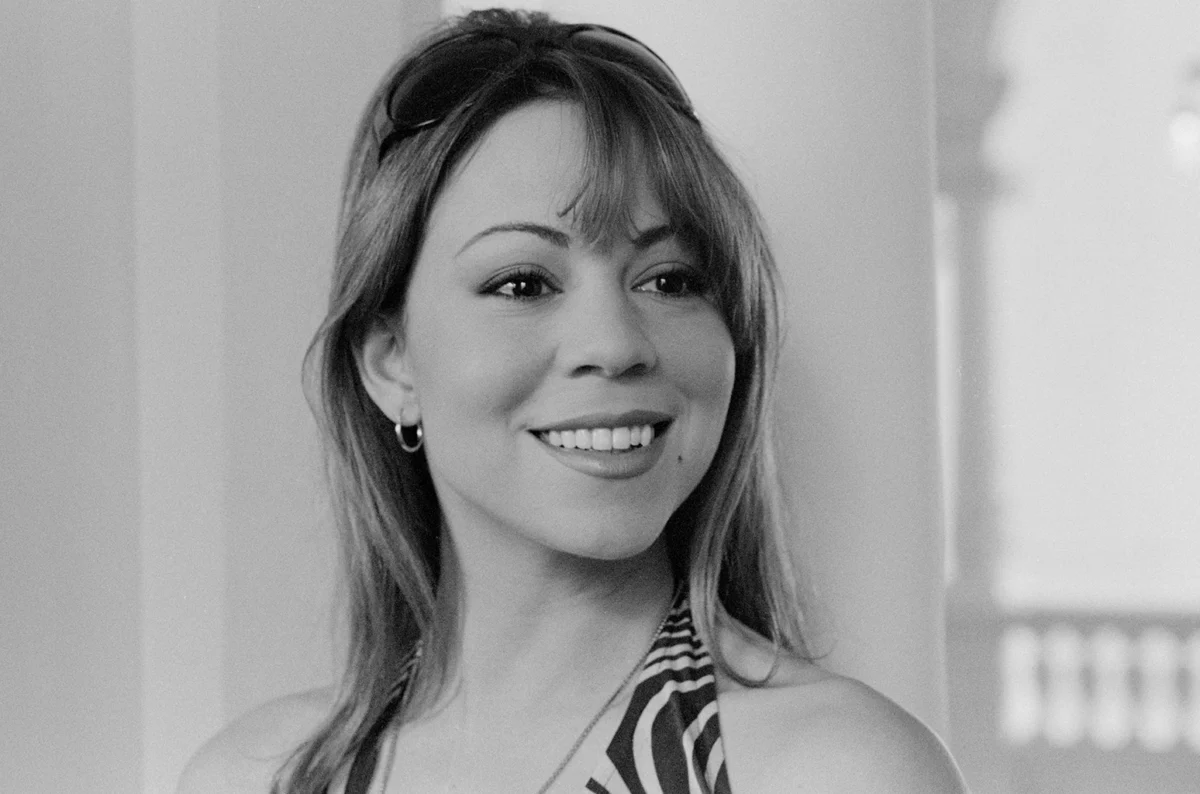
Mariah Carey’s enduring reign atop the Billboard Hot 100 continued on May 4, 1996, as her hit single "Always Be My Baby" ascended to the number one position, marking her 11th career chart-topper and the third from her critically acclaimed album Daydream. This significant achievement followed the unprecedented 16-week dominance of "One Sweet Day," her monumental collaboration with Boyz II Men, which had previously set a new record for the longest-running number one single in the chart’s history.
The success of "Always Be My Baby" solidified Carey’s status as a formidable force in the music industry, demonstrating her consistent ability to produce chart-conquering singles. The song’s journey to the pinnacle of the Hot 100 underscored the immense popularity and commercial appeal of the Daydream album, which had already produced the massive hit "Fantasy." This string of chart success painted a picture of an artist at the zenith of her powers, capable of maintaining a powerful presence on the music charts.
The Phenomenal Rise of "Always Be My Baby"
"Always Be My Baby," a co-written and co-produced effort by Carey, quickly resonated with audiences, showcasing her signature blend of soulful vocals and infectious melodies. Its ascent to the top of the Billboard Hot 100 was a testament to its widespread appeal and strong radio airplay, crucial components for chart success in the mid-1990s. The single’s ability to capture listeners’ attention and drive sales positioned it as a standout track from an already highly successful album.
The immediate follow-up to the record-breaking "One Sweet Day" could have presented a challenge for any artist, but Carey navigated this hurdle with remarkable ease. "Always Be My Baby" not only reached number one but also added to the Daydream album’s impressive chart legacy. This sustained momentum at the top of the charts highlighted the album’s broad appeal and Carey’s ability to connect with a diverse listenership.
Daydream‘s Dominance and Chart Records
The Daydream album, released in 1995, proved to be a landmark project in Mariah Carey’s career. Before "Always Be My Baby" claimed its spot at number one, the album had already spawned "Fantasy," which enjoyed an impressive eight-week run at the top of the Hot 100 starting in September 1995. This initial success set the stage for what would become an extraordinary period of chart dominance for Carey.

With "Always Be My Baby" spending a total of two weeks at number one, the Daydream album amassed an astounding 26 weeks with singles occupying the top spot on the Billboard Hot 100. This figure represented a new record for an album by a female artist, underscoring the profound impact Daydream had on the music landscape. While this record has since been surpassed by male artists, it remains a significant achievement that speaks to the album’s enduring influence and Carey’s unparalleled talent.
A New Benchmark in Chart Achievement
The success of "Always Be My Baby" pushed Mariah Carey’s total number of Hot 100 number one singles to 11. At that point in time, this placed her in esteemed company, tying her with fellow vocal powerhouses Whitney Houston and Madonna for the most number-one hits among female artists. This accomplishment was a significant milestone, signaling her emergence as one of the most successful female artists in the history of the Billboard charts.
Carey’s chart trajectory continued to ascend. Her 1997 hit "Honey" from the album Butterfly further cemented her dominance, giving her a sole hold on the record for most number-one singles among women. Her career total of number-one hits now stands at an impressive 19, a figure that includes the perennial favorite "All I Want for Christmas Is You," which achieved its own record-breaking 22 weeks at the top in recent years. This sustained success places her among the most decorated artists in Billboard history.
Legacy and Critical Acclaim
The impact of "Always Be My Baby" extends beyond its chart performance. The song itself has been recognized for its artistic merit and enduring appeal. Billboard’s editorial staff, in a retrospective ranking of Carey’s best songs, placed "Always Be My Baby" at the top of their list of her 100 greatest tracks. This critical acclaim further solidifies the song’s place in both popular culture and music history.
The song’s enduring popularity is evident in its continued presence in discussions about Mariah Carey’s most iconic work. Its sophisticated production, relatable lyrics, and Carey’s vocal prowess have made it a fan favorite and a staple of her live performances. The song’s success not only contributed to the commercial triumph of Daydream but also reinforced Carey’s reputation as a master songwriter and performer.
Context of the 1996 Music Landscape
The mid-1990s were a dynamic period for the music industry, with R&B and pop genres dominating the charts. Mariah Carey, with her unique vocal range and genre-bending style, emerged as a central figure in this era. Her ability to blend elements of pop, R&B, and soul allowed her to appeal to a broad audience, contributing to her consistent chart success.

The Billboard Hot 100 in 1996 reflected a competitive musical environment, with numerous established artists and emerging talents vying for chart supremacy. Carey’s sustained presence at the top during this period speaks volumes about her artistic longevity and her ability to adapt to evolving musical trends while maintaining her distinctive sound. The "Always Be My Baby" phenomenon was a key component of this broader musical tapestry.
The Significance of Album-Driven Chart Success
The success of singles from Daydream highlighted a trend in the 1990s where artist albums could generate multiple chart-topping hits, creating a sustained period of popularity. This phenomenon was particularly pronounced for artists like Mariah Carey, whose albums were meticulously crafted to produce a string of commercially viable singles. The Daydream album’s performance at the top of the charts, with its multiple number-one singles, set a high bar for album-driven success.
In contrast, the landscape has evolved, with shorter chart runs for individual singles becoming more common. While Drake later set a new overall record for weeks at number one with songs from his album Scorpion in 2018, accumulating 29 weeks across three leaders, Carey’s achievement with Daydream remains a benchmark for female artists and a testament to the album’s exceptional commercial and artistic impact. The era of Daydream represented a peak for album-centric chart dominance.
Mariah Carey’s Evolving Chart Legacy
Mariah Carey’s career on the Billboard charts is a narrative of consistent achievement and record-breaking performances. Her journey from her debut in the early 1990s to her continued success in the 21st century is a testament to her enduring appeal and artistic evolution. The "Always Be My Baby" number-one hit in 1996 was a crucial chapter in this ongoing story.
Her ability to maintain relevance and continue producing chart-topping music over decades is a rare feat in the music industry. The recent success of "All I Want for Christmas Is You," which has repeatedly broken its own chart records, further demonstrates her unparalleled ability to connect with audiences across generations. Carey’s chart history is not just a collection of numbers; it’s a chronicle of an artist who has consistently defined and redefined success in popular music.
The impact of "Always Be My Baby" on Mariah Carey’s career and the broader music industry cannot be overstated. It was a single that not only topped the charts but also became an enduring anthem, showcasing the artistry and commercial power of one of music’s most celebrated figures. Its ascent to number one in 1996 was a pivotal moment, reinforcing her position as a dominant force in contemporary music and solidifying her legacy as a chart-topping icon.