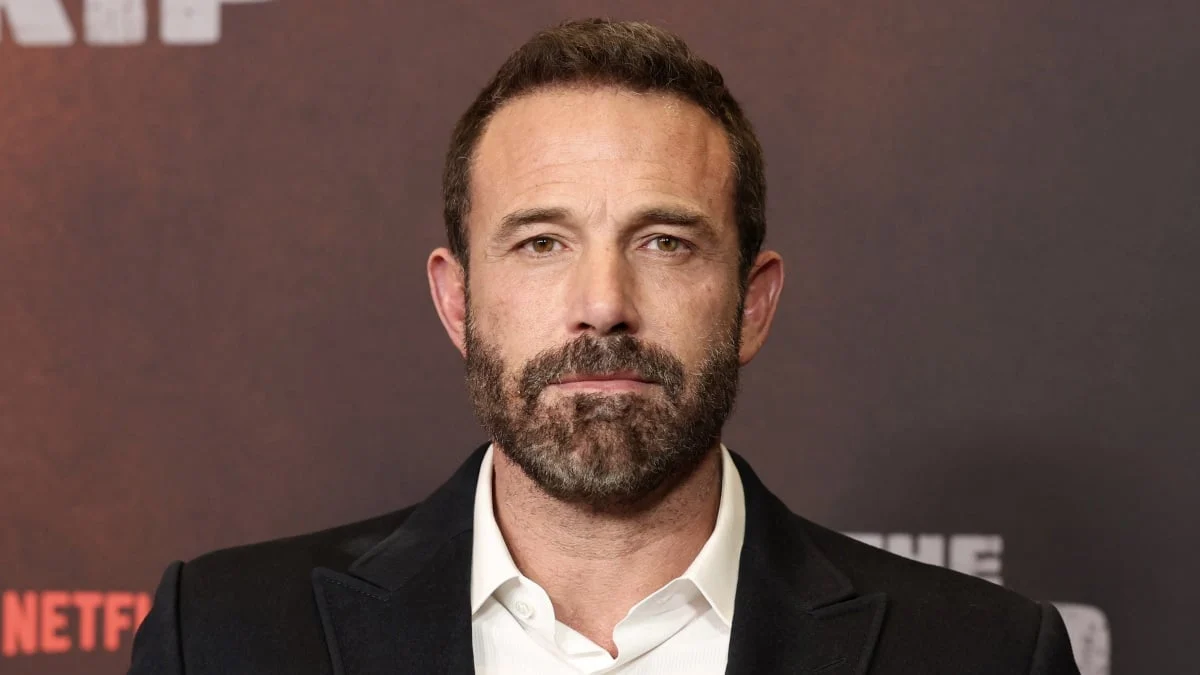
Netflix has finalized a $587 million cash acquisition of InterPositive, an artificial intelligence startup founded by Academy Award-winning filmmaker Ben Affleck, according to recent regulatory filings. The transaction, which closed in March, represents one of the most substantial investments by a streaming service into proprietary production technology designed to streamline the filmmaking process. While the specific name of the acquired firm was initially withheld in certain financial summaries, Netflix’s Form 10-Q report with the Securities and Exchange Commission (SEC) confirmed the significant capital expenditure for a single entity during the first quarter.
The acquisition marks a pivotal moment in the intersection of Silicon Valley and Hollywood, as major studios seek to internalize emerging technologies rather than relying on third-party providers. Industry analysts had previously speculated on the deal’s valuation, with early reports suggesting a figure closer to $600 million. The confirmed $587 million price tag underscores the premium Netflix is willing to pay for "creator-led innovation" that promises to alter the traditional economics of film production.
The Strategic Vision Behind the $587 Million InterPositive Acquisition
The decision to bring InterPositive under the Netflix corporate umbrella follows a multi-year effort by Ben Affleck to bridge the gap between creative storytelling and technological efficiency. Founded in 2022, InterPositive was established during a period of rapid advancement in machine learning and generative models. Unlike many AI firms focused on consumer-facing applications, Affleck’s startup was built specifically for the rigorous demands of professional cinema.
Netflix executives have characterized the deal as an investment in tools that keep filmmakers at the center of the creative process. By acquiring InterPositive, the streaming giant gains exclusive access to a suite of tools that Affleck argues are "purpose-built" to protect the nuances of storytelling. This philosophy was a core component of the deal announcement, where Affleck noted that existing AI models often fell short of the high standards required for prestige filmmaking.
The acquisition also signals a shift in how Netflix manages its massive content budget. By owning the technology used to produce its films and series, the company can potentially reduce its reliance on external visual effects (VFX) houses and post-production facilities. This vertical integration is a strategy Netflix has increasingly employed to maintain its competitive edge against traditional studios and rival streaming platforms.
Technical Foundations of Ben Affleck’s AI Startup
The core technology developed by InterPositive differs significantly from the generative AI models that have dominated public discourse. In communications following the acquisition, Affleck emphasized that the startup’s mission was not about "text prompting" or creating content from nothing. Instead, the firm’s proprietary software focuses on enhancing the existing workflow of directors, cinematographers, and editors.
InterPositive’s tools are designed to build data models specific to the individual film being produced. This "bespoke" approach allows the AI to learn the unique visual language, lighting schemes, and color palettes of a specific project. During post-production, these models assist in complex processes such as digital color grading and sound mixing. By automating the more repetitive aspects of these tasks, the technology allows creative professionals to focus on the emotional beats and performances captured during principal photography.
Furthermore, the technology is integrated into the "dailies" process, providing filmmakers with a more accurate representation of the final product while they are still on set. This real-time feedback loop is intended to reduce the uncertainty that often plagues large-scale productions, where the final look of a scene may not be realized until months after the cameras have stopped rolling.
Economic Implications: Reducing Costs and Production Timelines
One of the primary drivers behind the $587 million valuation is the potential for massive cost savings across Netflix’s production slate. A 2024 patent application filed by Affleck and his team outlined the financial benefits of the InterPositive workflow. The documentation suggested that the technology could lead to a "substantial" reduction in both the time and money required to complete a feature film.
According to the patent filings, the implementation of InterPositive’s AI could result in a 20% reduction in production schedules. In an industry where a single day of filming can cost hundreds of thousands of dollars, a 20% gain in efficiency represents a multi-million dollar saving for a standard blockbuster. Additionally, the technology aims to slash VFX costs by as much as 50%, a figure that has caught the attention of studio executives grappling with the rising costs of digital spectacle.
The software also targets specific logistical hurdles, such as the need for "splinter units"—secondary film crews that handle background shots or minor sequences—and the frequency of expensive reshoots. By using AI to adjust performances or environmental factors in post-production, Netflix may be able to bypass the need to re-assemble cast and crew for additional photography, further protecting the bottom line.
Netflix’s Strategic Shift Toward Proprietary Production Tech
The acquisition of InterPositive is part of a broader trend where Netflix is positioning itself as a technology company that happens to produce content. While other studios have experimented with AI for de-aging actors or enhancing resolution, Netflix’s $587 million investment suggests a desire to own the foundational "operating system" of modern filmmaking.
This move comes at a time when the streaming industry is facing increased pressure to demonstrate profitability. After years of unchecked spending on original content, Netflix has pivoted toward a model that prioritizes efficiency and sustainable growth. The integration of InterPositive’s tools is expected to be a cornerstone of this new approach, allowing the company to maintain a high volume of output while keeping a tighter grip on production overhead.
Industry observers note that this acquisition could set a precedent for other major players in the entertainment space. If Netflix successfully demonstrates that InterPositive’s technology can deliver on its promise of 50% VFX savings, it may trigger a wave of similar acquisitions as Disney, Warner Bros. Discovery, and Amazon seek to keep pace.
Impact on the Hollywood Labor Force and Creative Culture
The news that Netflix bought Ben Affleck’s AI startup for $587 million has reignited discussions regarding the role of automation in the creative arts. The Hollywood labor strikes of 2023 highlighted the deep-seated anxieties of writers, actors, and technicians concerning the use of AI. While Affleck has framed InterPositive as a tool to empower creators, the patent’s mention of replacing background artists and splinter units has raised concerns among labor advocates.
The potential for AI to "replace" human roles in the production process remains a highly sensitive issue. Background actors and entry-level production assistants are often the most vulnerable to displacement by automated systems. However, proponents of the technology argue that by reducing the "grunt work" of filmmaking, these tools will actually create more opportunities for high-level creative roles and allow for more ambitious projects to be greenlit.
Affleck’s involvement as a respected actor and director provides a unique layer to the acquisition. Unlike a tech executive pitching a software solution, Affleck speaks from the perspective of someone who has spent decades on film sets. His advocacy for "creator-led innovation" is seen by some as a necessary safeguard, ensuring that the technology is developed with an understanding of the artistic process rather than just financial efficiency.
Future Outlook and Implementation at Netflix
As Netflix begins the process of integrating InterPositive into its global production infrastructure, the industry will be watching closely for the first projects to utilize the technology. The transition is expected to be gradual, with the software initially being deployed on select high-budget features before a wider rollout across the service’s diverse slate of international content.
The $587 million investment will likely be scrutinized in upcoming quarterly earnings calls, as investors look for evidence that the technology is delivering the promised 20% reduction in production schedules. If successful, the InterPositive acquisition could redefine the standard workflow for the entire entertainment industry, marking the beginning of an era where AI is as fundamental to filmmaking as the camera itself.
Netflix’s commitment to this technology also suggests a long-term belief that the future of cinema lies in the marriage of human intuition and algorithmic precision. By securing Affleck’s startup, the company has not only acquired a powerful set of tools but has also aligned itself with a vision of Hollywood that embraces the digital future without discarding the traditional values of storytelling.
Consequences for the Streaming Landscape
The ripple effects of this deal are expected to be felt throughout the streaming landscape. As Netflix lowers its production costs, it gains more flexibility in its pricing models and content acquisitions. This could put additional pressure on smaller streaming services that lack the capital to develop or acquire their own proprietary AI suites.
Furthermore, the deal emphasizes the growing importance of "tech-equity" in Hollywood. The value of a production company is no longer just in its library of intellectual property, but also in the technological patents it holds. Ben Affleck’s success in selling InterPositive for over half a billion dollars may encourage other filmmakers to explore the tech space, potentially leading to a new wave of creator-founded startups aimed at solving the specific challenges of the digital age.
The closing of this acquisition marks the end of InterPositive’s journey as an independent startup and the beginning of its role as a core component of the Netflix ecosystem. As the $587 million transaction is fully realized, the focus will shift from the financial details of the deal to the actual impact the technology will have on the movies and shows that reach millions of screens worldwide.